תובנות מרכזיות
1. הזמן והמקום אינם מוחלטים
"הזמן נתפס כאילו היה קו רכבת ישר שעליו אפשר לנוע רק בכיוון אחד או השני."
פרספקטיבה מהפכנית. תורת היחסות של איינשטיין שינתה באופן יסודי את הבנתנו את הזמן והמקום, שהיו נתפסים כמוחלטים ובלתי משתנים, לממדים יחסיים ודינמיים, שנחווים באופן שונה על ידי צופים שונים.
השלכות מרכזיות:
- הזמן אינו אוניברסלי אלא אישי לכל צופה
- צופים הנעים במהירויות שונות מודדים את הזמן באופן שונה
- מהירות האור נשארת קבועה לכל הצופים
ראיות ניסיוניות. ניסויים כמו ניסוי מיכלסון-מורלי הראו כי מהירות האור קבועה ללא תלות בתנועת הצופה, ואתגרו את התפיסות הקלאסיות של זמן ומקום מוחלטים.
2. היקום התחיל ויש לו טבע מתרחב
"אם היקום היה נוצר ללא עקרון ההחרגה, קווארקים לא היו יוצרים פרוטונים וניוטרונים נפרדים ומוגדרים היטב."
תיאוריית המפץ הגדול. היקום נוצר ממצב צפוף וחם במיוחד לפני כ-13.8 מיליארד שנים, התרחב במהירות והתפתח דרך תהליכים פיזיקליים מורכבים שיצרו בסופו של דבר גלקסיות, כוכבים ומבנים מורכבים.
אבולוציה קוסמית:
- המצב ההתחלתי היה חם ואחיד מאוד
- התקררות הדרגתית אפשרה יצירת מבנים אטומיים
- ההתרחבות נמשכת, ואולי לנצח
- גלקסיות נוצרו באמצעות משיכה כבידתית
אישור תצפיתי. גילויו של אדווין האבל כי גלקסיות רחוקות מתרחקות מאיתנו סיפק הוכחה אמפירית למודל היקום המתפשט.
3. מכניקת הקוונטים מציגה אי-ודאות והסתברות
"מכניקת הקוונטים אינה חוזה תוצאה חד-משמעית לתצפית, אלא מספר תוצאות אפשריות ומציינת את ההסתברות לכל אחת מהן."
יקום הסתברותי. בניגוד לפיזיקה הקלאסית, מכניקת הקוונטים מציעה כי חלקיקים יסודיים קיימים במצבים הסתברותיים, עם מספר תוצאות פוטנציאליות לכל תצפית.
עקרונות קוונטיים מרכזיים:
- חלקיקים יכולים להתקיים במצבים מרובים בו-זמנית
- התצפית משפיעה על מצב החלקיקים
- מדידה מדויקת של מיקום ומהירות אינה אפשרית
- אקראיות היא תכונה מהותית בטבע
השלכות מהפכניות. גישה זו מערערת על התפיסות הדטרמיניסטיות של היקום ומציעה כי אי-הוודאות היא תכונה יסודית של המציאות.
4. הכבידה מעצבת את מבנה היקום
"הכבידה היא החלשה מבין ארבעת הכוחות; היא כה חלשה עד שלא היינו מבחינים בה כלל אלמלא שתי תכונות מיוחדות: היא פועלת למרחקים גדולים ותמיד היא כוח משיכה."
השפעה כבידתית. למרות היותה הכוח היסודי החלש ביותר, הכבידה ממלאת תפקיד מרכזי בעיצוב מבנים קוסמיים באמצעות השפעותיה לטווח ארוך והצטברותן.
מאפייני הכבידה:
- פועלת על כל החומר באופן אוניברסלי
- מושכת ולא דוחה
- קובעת מבנים קוסמיים בקנה מידה גדול
- חיונית להבנת חורים שחורים ואבולוציה קוסמית
תרומתו של איינשטיין. תורת היחסות הכללית הציגה את הכבידה כעקמומיות של מרחב-זמן, והפכה את הבנתנו מכוח פיזיקלי לתכונה גאומטרית של היקום.
5. חורים שחורים אינם שחורים באמת
"חורים שחורים הם אחד מהמקרים המעטים בהיסטוריה של המדע שבהם תיאוריה פותחה בפירוט רב כמודל מתמטי לפני שהיו ראיות תצפיתיות."
תכונות קוונטיות של חורים שחורים:
- פולטים קרינה (קרינת הוקינג)
- בעלי טמפרטורה סופית
- יכולים להתאדות בהדרגה
- מייצגים סביבות כבידתיות קיצוניות
פריצת דרך תיאורטית. עבודתו של הוקינג הראתה שמכניקת הקוונטים מאפשרת לחורים שחורים לפלוט חלקיקים, ואתגרה את ההבנה הקודמת של תופעות קוסמיות אלו.
רלוונטיות תצפיתית. חורים שחורים מהווים מעבדות ייחודיות לבחינת תיאוריות פיזיקליות יסודיות על כבידה, מכניקת קוונטים ומרחב-זמן.
6. כוחות יסודיים יכולים להתאחד
"בסופו של דבר, עם זאת, מקווים למצוא תיאוריה שלמה, עקבית ומאוחדת שתכלול את כל התיאוריות החלקיות הללו כהערכות מקורבות."
חתירה לאיחוד. מדענים שואפים לתיאוריה מקיפה המשלבת את הכבידה, הכוח האלקטרומגנטי, הכוח החזק והכוח החלש במסגרת אחת אחידה וקוהרנטית.
גישות תיאורטיות:
- תורת המיתרים
- מודלים של כבידה קוונטית
- תיאוריות מאוחדות גדולות (GUTs)
- חקירת מימדים נוספים
אתגרים. תיאוריות קיימות מתקשות להשלים את האיחוד המלא בין מכניקת הקוונטים להשפעות כבידתיות בקנה מידה מיקרוסקופי.
7. חץ הזמן והאנטרופיה
"האי-סדר גדל עם הזמן כי אנו מודדים את הזמן בכיוון שבו האי-סדר גדל."
כיוון הזמן התרמודינמי. היקום נוטה לגדילה באי-סדר, ויוצר "חץ זמן" יסודי המבדיל בין עבר לעתיד.
חיצי זמן מרכזיים:
- חץ תרמודינמי (עלייה באנטרופיה)
- חץ פסיכולוגי (התקדמות הזיכרון)
- חץ קוסמולוגי (התרחבות היקום)
השלכות פילוסופיות. תפיסתנו וחווייתנו את הזמן קשורות באופן מהותי לנטיית היקום למורכבות ואקראיות גוברת.
8. היקום עשוי להיות סגור בעצמו
"היקום יהיה סגור לחלוטין ולא מושפע ממשהו מחוץ לו. הוא לא ייווצר ולא יושמד. הוא פשוט יהיה."
הצעת היעדר גבולות. ייתכן שהיקום קיים ללא סיבתיות חיצונית, ומתעורר מתנודות קוונטיות עם עקביות מתמטית פנימית.
שיקולים תיאורטיים:
- מרחב-זמן יכול להיות סופי אך חסר גבולות
- אין צורך בבורא חיצוני
- נשלט על ידי חוקים מתמטיים פנימיים
פרספקטיבה רדיקלית. מאתגרת את התפיסות התיאולוגיות והפילוסופיות המסורתיות לגבי מוצא היקום.
9. תיאוריות מדעיות הן מודלים מתמטיים של תצפית
"תיאוריה מדעית היא רק מודל מתמטי שאנו יוצרים כדי לתאר את התצפיות שלנו: היא קיימת רק במוחנו."
מתודולוגיה מדעית. תיאוריות מייצגות ניסיונות אנושיים לתאר ולחזות תופעות נצפות במתמטיקה, תוך הכרה בטבען הזמני והמתפתח.
מאפייני תיאוריה:
- יכולות חיזוי
- ניתנות לבחינה אמפירית
- פתוחות לתיקון
- הערכות מקורבות של המציאות
ענווה אפיסטמית. מכירה בידע המדעי כתהליך מתמשך של הבנה ולא כאמת מוחלטת.
10. קיומנו הוא מקרה קוסמי יוצא דופן
"העובדה המדהימה היא שערכי המספרים הללו כוונו במדויק מאוד כדי לאפשר את התפתחות החיים."
עקרון האנתרופיה. קיומנו תלוי בקונפיגורציה מדויקת להפליא של קבועים אוניברסליים וחוקים פיזיקליים.
אי-סבירות קוסמית:
- שינויים זעירים בקבועים יסודיים היו מונעים חיים
- מבנים מורכבים צומחים מתנאים פשוטים בתחילה
- התודעה האנושית מייצגת תוצאה קוסמית בלתי סבירה
הרהור פילוסופי. מדגיש הן את המקריות והן את האפשרות של תכלית בעיצוב היקום שלנו.
סיכום ביקורות
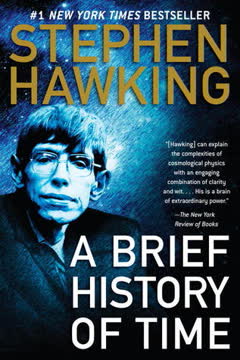
היסטוריה קצרה של הזמן הוא ספר מדע פופולרי המסביר מושגים מורכבים בפיזיקה כמו תורת היחסות, מכניקת הקוונטים וקוסמולוגיה לקהל הרחב. למרות שהספר זכה לשבחים על הנגישות שלו, רבים מהקוראים מצאו חלקים בו מאתגרים להבנה מלאה. הכתיבה הברורה של הוקינג וניסיונותיו להתמודד עם שאלות עמוקות על היקום זכו להערכה רבה. הספר עוסק בנושאים כמו חורים שחורים, המפץ הגדול והחיפוש אחר תיאוריה מאוחדת של הפיזיקה. חלק מהמבקרים הביעו ביקורת על ההשערות הפילוסופיות של הוקינג, אך בסך הכל הספר היה בעל השפעה רבה בפופולריזציה של הפיזיקה המודרנית.
אנשים גם קראו

 חוויתי
 חוויתי

שאלות נפוצות
What's "A Brief History of Time" about?
- Exploration of the Universe: "A Brief History of Time" by Stephen Hawking explores the nature of the universe, discussing its origins, structure, and eventual fate.
- Complex Concepts Simplified: The book aims to explain complex scientific concepts like black holes, the big bang, and quantum mechanics in a way that is accessible to non-scientists.
- Unified Theory: Hawking discusses the quest for a unified theory that combines general relativity and quantum mechanics to explain all physical aspects of the universe.
- Philosophical Implications: It also delves into the philosophical implications of scientific discoveries, questioning the role of God and the nature of time.
Why should I read "A Brief History of Time"?
- Understanding the Universe: It provides a comprehensive overview of the universe's workings, making it essential for anyone interested in cosmology and physics.
- Accessible Science: Hawking's ability to simplify complex ideas makes it a great read for those without a scientific background.
- Intellectual Curiosity: The book challenges readers to think about profound questions regarding existence, time, and the universe.
- Cultural Impact: As a bestseller, it has influenced both scientific and popular culture, making it a significant work in modern literature.
What are the key takeaways of "A Brief History of Time"?
- Nature of Time: Time is not absolute and is intertwined with space, forming a four-dimensional space-time continuum.
- Black Holes: Black holes are regions where gravity is so strong that nothing, not even light, can escape, and they can emit radiation.
- Big Bang Theory: The universe began with a big bang, a singularity where all known laws of physics break down.
- Unified Theory: The search for a unified theory that combines general relativity and quantum mechanics is ongoing and crucial for understanding the universe.
What are the best quotes from "A Brief History of Time" and what do they mean?
- "If time travel is possible, where are the tourists from the future?" This quote highlights the paradoxes and challenges associated with the concept of time travel.
- "The universe doesn't allow perfection." It suggests that imperfections and uncertainties are inherent in the universe, aligning with the principles of quantum mechanics.
- "The boundary condition of the universe is that it has no boundary." This reflects Hawking's no-boundary proposal, suggesting the universe is finite but without edges or singularities.
- "We are just an advanced breed of monkeys on a minor planet of a very average star." This quote emphasizes the insignificance of human existence in the vast universe.
How does Stephen Hawking explain black holes in "A Brief History of Time"?
- Definition and Nature: Black holes are regions in space where gravity is so strong that nothing can escape from them, not even light.
- Event Horizon: The boundary around a black hole is called the event horizon, beyond which nothing can return.
- Hawking Radiation: Hawking theorizes that black holes can emit radiation due to quantum effects near the event horizon, leading to their eventual evaporation.
- Singularity: At the center of a black hole lies a singularity, a point of infinite density where the laws of physics as we know them cease to function.
What is the significance of the big bang theory in "A Brief History of Time"?
- Origin of the Universe: The big bang theory posits that the universe began from an extremely hot and dense singularity and has been expanding ever since.
- Cosmic Microwave Background: The theory is supported by the discovery of cosmic microwave background radiation, the afterglow of the big bang.
- Time and Space: It suggests that time and space themselves began with the big bang, challenging the notion of a universe existing eternally.
- Scientific and Philosophical Impact: The big bang theory has profound implications for understanding the universe's origin and the nature of time.
How does "A Brief History of Time" address the concept of time?
- Relative Time: Time is not absolute but relative, varying for different observers depending on their velocity and gravitational field.
- Imaginary Time: Hawking introduces the concept of imaginary time, which is indistinguishable from directions in space and helps in understanding the universe's boundaries.
- Arrow of Time: The book discusses the thermodynamic, psychological, and cosmological arrows of time, explaining why time seems to move in one direction.
- Time's Beginning and End: It explores the idea that time began with the big bang and may end with the big crunch or in black holes.
What is the role of quantum mechanics in "A Brief History of Time"?
- Uncertainty Principle: Quantum mechanics introduces uncertainty, meaning we cannot predict exact outcomes, only probabilities.
- Wave-Particle Duality: Particles can exhibit properties of both waves and particles, challenging classical physics' distinct categories.
- Quantum Gravity: The book discusses the need to unify quantum mechanics with general relativity to form a complete theory of quantum gravity.
- Impact on Cosmology: Quantum mechanics plays a crucial role in understanding the early universe and phenomena like black hole radiation.
How does Stephen Hawking approach the search for a unified theory in "A Brief History of Time"?
- Grand Unified Theories (GUTs): Hawking discusses attempts to unify the electromagnetic, weak, and strong nuclear forces into a single framework.
- Challenges with Gravity: The main challenge is incorporating gravity, described by general relativity, with quantum mechanics.
- String Theory: The book explores string theory as a potential candidate for a unified theory, where particles are one-dimensional strings.
- Ultimate Goal: The search for a unified theory aims to provide a complete understanding of the universe's fundamental forces and particles.
What is the anthropic principle as discussed in "A Brief History of Time"?
- Weak Anthropic Principle: It suggests that the universe's laws appear fine-tuned for life because only in such a universe could observers like us exist.
- Strong Anthropic Principle: This version posits that the universe must have properties that allow life to develop at some stage in its history.
- Role in Cosmology: The anthropic principle is used to explain why the universe has the conditions necessary for life, despite the vast number of possible configurations.
- Philosophical Implications: It raises questions about the role of chance and necessity in the universe's design and our place within it.
How does "A Brief History of Time" address the concept of imaginary time?
- Mathematical Tool: Imaginary time is used as a mathematical tool to simplify calculations in quantum mechanics and cosmology.
- No Boundary Proposal: Hawking's no boundary proposal uses imaginary time to suggest that the universe is finite but without boundaries or singularities.
- Distinction from Real Time: In imaginary time, the distinction between past and future disappears, unlike in real time, where time has a clear direction.
- Implications for the Universe: Imaginary time allows for a universe that is self-contained and without a beginning or end, challenging traditional notions of creation.
What are the philosophical implications of "A Brief History of Time"?
- Role of God: The book questions the necessity of a creator if the universe can be explained by a self-contained set of laws.
- Nature of Reality: It challenges traditional views of reality, suggesting that time and space are not absolute and may have different properties than perceived.
- Human Significance: Hawking emphasizes the insignificance of human life in the vast universe, prompting reflection on our place and purpose.
- Quest for Knowledge: The pursuit of a unified theory represents humanity's ongoing quest to understand the universe and our existence within it.