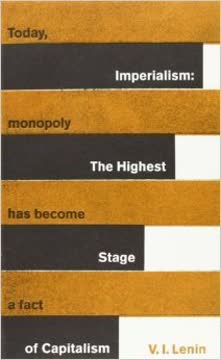
重點摘要
1. 資本主義由自由競爭演變為壟斷。
競爭轉變為壟斷,是現代資本主義經濟中最重要的現象之一——如果不是最重要的現象。
自然發展。 資本主義在競爭的推動下,不可避免地導致生產集中於越來越大的企業。這種集中在一定階段自然產生壟斷。巨型企業的規模本身使競爭變得困難,並促使企業間達成協議。
歷史轉折。 19世紀末至20世紀初是關鍵時期。自由競爭在1860至1870年代達到頂峰,但1870年代的經濟蕭條和1890年代的繁榮加速了卡特爾和辛迪加的形成。到20世紀初,壟斷成為經濟生活的基礎,從根本上改變了資本主義。
超越理論。 馬克思通過理論分析預言的——自由競爭將導致集中,繼而形成壟斷——成為具體現實。儘管資產階級經濟學家聲稱馬克思主義已被駁倒,但鐵鋼、化工等行業普遍存在的壟斷事實證明,這種轉變是資本主義發展的一般規律。
2. 生產集中形成主導產業的巨型壟斷企業。
數萬家巨型企業掌控一切,數百萬家小企業一文不值。
規模重要。 現代統計顯示生產力極度集中。在德國,不到1%的企業使用了超過四分之三的蒸汽和電力。在美國,約1%的企業佔據了近一半的工業產值。
巨頭崛起。 這種集中導致少數巨型企業主導整個產業部門。這些企業通常通過整合不同生產階段形成,擁有顯著優勢:
- 穩定利潤,平抑貿易波動
- 消除貿易中間商
- 實施技術改進以獲取超額利潤
- 在經濟蕭條時期更具抗風險能力
強制服從。 壟斷不僅是競爭,更積極壓制小型競爭者。手段包括停止原料供應、低於成本價格傾銷、停止信貸和抵制。這不是大小企業間的競爭,而是壟斷者扼殺不服從其支配者的行為。
3. 銀行與工業合併,形成強大的金融資本。
這種銀行資本,即以貨幣形式存在的資本,實際上轉化為工業資本,我稱之為「金融資本」。
超越中介。 銀行最初是支付中介,隨著資本主義集中發展,銀行規模擴大並合併,掌握來自多方的龐大貨幣資本。這使它們不再僅是交易中介,而是積極投資並控制工業企業。
融合形成。 銀行資本與工業資本的合併是新階段的標誌。銀行持有工業公司的股份,銀行董事進入工業公司董事會,反之亦然。這種「人員聯合」鞏固了兩者的聯繫,形成一個交織的金融與工業權力結構。
控制機制。 這種合併賦予銀行對工業的巨大控制力。通過信貸、持股和董事職務,銀行能詳細掌握企業財務狀況,從而控制、影響並最終決定企業命運。這將分散的資本家轉變為一個集體資本家實體。
4. 金融資本建立統治性的金融寡頭集團。
……如今經濟上統治德國的三百人,將逐漸縮減到五十人、二十五人甚至更少。
少數統治。 金融資本集中於少數巨型銀行和信託,催生金融寡頭集團。這小群金融巨頭掌握龐大經濟權力,控制數十億資本,主導廣泛的生產和商業領域。
控股體系權力。 「控股體系」是寡頭集團的關鍵工具。通過在「母公司」中持有控股權(通常不到50%),母公司再控制「子公司」等多層結構,頂層少量資本即可控制龐大資本。
超越經濟。 金融寡頭的影響力超越純經濟範疇。他們控制:
- 股票交易所,失去自動調節功能
- 政府官員,常被吸納進銀行和信託的高薪職位
- 公共生活,無論正式政治體制如何
這種統治以操縱、投機和通過發行證券、重組破產公司等金融操作追求巨額利潤為特徵。
5. 資本輸出成為帝國主義的決定性特徵。
只要資本主義仍是資本主義,剩餘資本就不會用於提高本國群眾生活水平……而是用於通過向落後國家輸出資本來增加利潤。
焦點轉移。 舊資本主義以商品出口為特徵,新階段由壟斷主導,則以資本輸出為標誌。先進資本主義國家積累大量「過剩」資本,因國內農業落後、群眾貧困等原因無法找到足夠利潤的投資機會。
尋求更高利潤。 這些過剩資本流向落後國家,因為:
- 資本稀缺,利潤高
- 土地和原料便宜
- 工資低廉
這種輸出得以實現,因為這些國家被納入世界資本主義體系,常通過鐵路等基礎設施建設。
確保優勢。 資本輸出不僅是經濟交易,更是帝國主義政策工具。債權國通過貸款獲取優惠條件、特許權和訂單(尤其是軍需品),使金融資本與外交和軍事力量交織,將金融寡頭的影響力擴展至全球。
6. 國際壟斷組織經濟上瓜分世界。
……世界的瓜分已完成,而主要消費者,尤其是國家鐵路——由於世界已被分割而未考慮其利益——如今可如詩人般安居於朱庇特的天國。
超越國界。 壟斷組織控制本國市場後,必然向國際擴張。強大國家壟斷企業間達成協議,共同瓜分世界市場。
超級壟斷。 國際卡特爾代表資本集中更高階段。例子包括:
- 德美電氣信託協議瓜分世界市場
- 標準石油信託與德國銀行間的石油市場爭奪與協議
- 國際鐵路卡特爾,將外國市場分配給不同國家製造商
暫時休戰。 這些國際協議非永久和平,而是為爭奪利潤和市場份額的暫時休戰。它們基於當前壟斷力量對比,隨時可能改變並通過非和平手段重新瓜分。
7. 世界被列強完成領土瓜分。
世界首次被完全瓜分,未來只能重新分割,即領土只能從一個「所有者」轉移到另一個。
最終分割。 1880年代至20世紀初,殖民地爭奪激烈,導致主要資本主義強國完成全球領土瓜分。已無重大「無主」領土可供爭奪。
不均擴張。 殖民地大幅擴張,尤其是英國、法國和德國。這與向壟斷資本主義和金融資本過渡密切相關。
衝突根源。 完成瓜分意味未來擴張只能通過重新分割現有領土,從一強國轉移給另一強國。這種重新分割的必然性,源於資本主義強國發展不均,是帝國主義戰爭的根本原因。
超越殖民地。 瓜分不僅限於正式殖民地,還包括「半殖民地」國家(如波斯、中國、土耳其)和財政依賴國(如阿根廷、葡萄牙),它們被列強的金融和外交網絡所束縛。
8. 帝國主義是資本主義的壟斷階段。
帝國主義是資本主義發展到壟斷和金融資本統治確立的階段;資本輸出獲得顯著重要性;國際信託開始瓜分世界;全球領土被最大資本主義強國完成瓜分。
特徵定義。 帝國主義不僅是政策,而是資本主義的最高階段,具有五大經濟特徵:
- 壟斷在經濟生活中占主導地位。
- 銀行資本與工業資本合併形成金融資本,由金融寡頭統治。
- 資本輸出極為重要。
- 國際壟斷組織形成並瓜分世界。
- 列強完成全球領土瓜分。
歷史背景。 此階段約於20世紀初出現,標誌著從自由競爭階段的質的轉變。雖界限流動,但此時期為明確轉折點。
超越經濟。 雖然定義聚焦經濟面,帝國主義亦具特定政治特徵,主要表現為暴力傾向、反動和加劇民族壓迫,直接源於金融寡頭的經濟統治及全球控制鬥爭。
9. 帝國主義導致先進國家的寄生性與衰敗。
寄生國家是寄生性、衰敗的資本主義國家……
壟斷效應。 壟斷雖推動集中,卻也帶來停滯和衰敗傾向。由於利潤有保障,技術進步動力減弱,壟斷甚至可能故意阻礙創新(如瓶裝機專利案例)。
寄生階級。 帝國主義使少數國家積累龐大貨幣資本,催生靠海外投資收益(「割息票」)生活的寄生階級。此階級脫離生產,其存在標誌著寄生國家的本質。
剝削世界。 輸出資本國成為高利貸國家,剝削海外國家和殖民地勞動。外國投資收益遠超外貿收入,為寄生提供堅實基礎。這導致生產勞動人口比例下降,轉向服務或非生產性角色。
10. 帝國主義促進工人階級內部的機會主義。
英國無產階級日益資產階級化,這個最資產階級化的民族似乎最終將擁有資產階級貴族和資產階級無產階級。
賄賂的經濟基礎。 壟斷和殖民剝削產生的巨額超額利潤,使帝國主義國家的資產階級有能力賄賂工人階級上層,形成特權階層,常稱為「勞動貴族」。
資產階級代理人。 這一資產階級化階層生活舒適,思想傾向保守,成為資產階級在工人運動中的主要社會支柱。他們充當「資本階級的勞動中尉」,推動改良主義和沙文主義,階級鬥爭時站在資產階級一邊。
歷史先例。 馬克思和恩格斯在19世紀英國觀察到此現象,當時英國擁有殖民和市場壟斷。他們指出部分英國工人受益於剝削,並由受資產階級影響的人領導。世紀之交的帝國主義使此傾向在多個強國普遍化。
11. 資產階級對帝國主義的批評膚淺且改良主義。
無產階級對金融資本經濟政策、對帝國主義的回應,不能是自由貿易,而是社會主義。
忽視根源。 許多資產階級批評者,即使揭露銀行權力或金融寡頭,也未能理解帝國主義與壟斷資本主義經濟基礎的根本聯繫。他們常將帝國主義與過時的自由競爭或「和平民主」理想對立。
虔誠願望。 他們提出的「改革」如對信託的警察監督或資本主義下的和平呼籲,被視為膚淺無效,因未觸及壟斷和金融資本的根本經濟結構。這些批評只是逃避深層矛盾的「虔誠願望」。
反動理想。 在金融資本時代主張回歸自由競爭或依賴「純經濟因素」是反動立場。客觀上掩蓋帝國主義真相,分散對資本主義制度革命鬥爭的注意力,而該制度已發展至壟斷階段。
12. 「超帝國主義」理論是反動幻想。
「從純經濟角度看,」考茨基寫道,「資本主義或許會經歷一個新階段,即卡特爾政策擴展至外交政策的階段,超帝國主義階段……」
誤導概念。 「超帝國主義」理論主張國際金融資本將達成和平聯盟,根本錯誤。雖有國際卡特爾和聯盟,但它們是基於當前力量對比的暫時安排,非永久消除衝突。
忽視矛盾。 該理論忽略資本主義不均衡發展及國家間金融資本根本矛盾。基於經濟和軍事力量變化的世界重新瓜分鬥爭在資本主義下不可避免。
服務反動。 該理論提出資本主義下永久和平的前景,具有反動目的。它分散工人階級對帝國主義尖銳矛盾的注意,助長改良主義幻想,掩蓋必須為廢除資本主義而奮鬥的革命真相。這是偽裝成馬克思主義的資產階級和平主義。
其他人也在讀

常見問題
What is "Imperialism: The Highest Stage of Capitalism" by Vladimir Lenin about?
- Lenin’s analysis of imperialism: The book presents Lenin’s theory that imperialism is the final and highest stage of capitalism, marked by the dominance of monopolies and finance capital.
- Economic and political focus: It examines how economic changes in late capitalism lead to new forms of exploitation, global division, and conflict among capitalist powers.
- Historical context: Written during World War I, Lenin connects imperialism to the causes of the war and the betrayal of socialist principles by many socialist leaders.
- Call to action: The book argues that imperialism creates the conditions for socialist revolution, especially in the most advanced capitalist countries.
Why should I read "Imperialism: The Highest Stage of Capitalism" by Lenin?
- Foundational Marxist text: It is a key work for understanding Marxist theory on global capitalism and imperialism.
- Explains modern global conflicts: The book provides a framework for analyzing wars, colonialism, and economic exploitation in the 20th and 21st centuries.
- Critique of reformism: Lenin’s critique of social-democratic and reformist approaches remains relevant for debates on leftist strategy.
- Historical influence: The book has shaped revolutionary movements and anti-imperialist thought worldwide.
What are the key takeaways from "Imperialism: The Highest Stage of Capitalism" by Lenin?
- Monopoly replaces competition: Capitalism evolves from free competition to monopoly, with a few large firms dominating entire industries.
- Finance capital’s dominance: Banks merge with industrial capital, creating a financial oligarchy that controls economies and politics.
- Export of capital: The export of capital (not just goods) becomes central, leading to the exploitation of less developed countries.
- Division and redivision of the world: Capitalist powers divide the world into colonies and spheres of influence, leading to conflict and war.
- Parasitism and decay: Advanced capitalist countries become “rentier states,” living off profits from abroad, which breeds stagnation and social decay.
How does Lenin define imperialism in "Imperialism: The Highest Stage of Capitalism"?
- Five key features: Lenin defines imperialism as (1) the concentration of production and capital into monopolies, (2) the merging of bank and industrial capital into finance capital, (3) the export of capital as a dominant feature, (4) the formation of international monopolist capitalist combines, and (5) the territorial division of the world among the biggest capitalist powers.
- Monopoly stage of capitalism: Imperialism is capitalism at the stage where monopolies and finance capital dominate.
- Not just policy, but system: Lenin insists imperialism is not just a policy choice but a structural stage of capitalism’s development.
- Global division: The world is fully divided among capitalist powers, making only redivision (through conflict) possible.
What is the role of monopolies in Lenin’s theory of imperialism?
- Concentration of production: Monopolies arise from the concentration of production and capital, replacing free competition.
- Control of key industries: A handful of large firms dominate entire sectors, often through cartels, trusts, and syndicates.
- Suppression of competition: Monopolies use their power to eliminate or absorb smaller competitors, stifling innovation and raising prices.
- Economic and political power: Monopolies influence state policy and international relations, driving the imperialist scramble for resources and markets.
How does "Imperialism: The Highest Stage of Capitalism" by Lenin explain the role of finance capital and banks?
- Merger of bank and industrial capital: Banks and industrial firms merge, creating finance capital that dominates the economy.
- Financial oligarchy: A small group of bankers and industrialists control vast resources, influencing governments and shaping policy.
- Export of capital: Finance capital seeks higher profits by investing in less developed countries, leading to global exploitation.
- Manipulation and speculation: The financial oligarchy engages in speculation, manipulation, and the creation of “holding” systems to control multiple companies and industries.
What does Lenin mean by the "export of capital" in his analysis of imperialism?
- Shift from goods to capital: In imperialism, exporting capital (investments, loans) becomes more important than exporting goods.
- Search for higher profits: Capital is exported to less developed countries where profits are higher due to cheap labor and resources.
- Economic domination: Exported capital leads to the economic subjugation of recipient countries, making them dependent on imperialist powers.
- Drives colonialism: The need to protect and expand foreign investments fuels colonial expansion and international conflict.
How does Lenin describe the division and redivision of the world among capitalist powers in "Imperialism: The Highest Stage of Capitalism"?
- Complete partition: By the early 20th century, all territories are claimed by capitalist powers, leaving only the possibility of redivision.
- International cartels and agreements: Monopolist combines and trusts form international agreements to divide markets and resources.
- Source of conflict: Changes in economic and military strength lead to struggles for redivision, often resulting in wars.
- Colonial and semi-colonial forms: The division includes direct colonies, semi-colonies, and countries under financial dependence.
What is the significance of "parasitism and decay" in Lenin’s theory of imperialism?
- Rentier states: Advanced capitalist countries become “rentier states,” living off interest and profits from foreign investments rather than productive labor.
- Social stagnation: The dominance of finance capital leads to economic stagnation, speculation, and a decline in productive activity.
- Bribery of labor aristocracy: Superprofits from imperialism allow the bourgeoisie to bribe a section of the working class, fostering reformism and opportunism.
- Decay of capitalism: Parasitism is a sign of capitalism’s decay and its transition toward a higher social order (socialism).
How does Lenin critique other theories of imperialism, such as Kautsky’s "ultra-imperialism"?
- Critique of "ultra-imperialism": Lenin rejects Kautsky’s idea that capitalist powers could peacefully cooperate in a stable, united imperialism.
- Inevitable conflict: Lenin argues that uneven development and competition make conflict and war inevitable under imperialism.
- Reformism vs. revolution: He criticizes theories that suggest imperialism can be reformed or made peaceful, insisting only revolution can end its contradictions.
- Exposes opportunism: Lenin shows how such theories serve to justify collaboration with the bourgeoisie and betray the working class.
What are the best quotes from "Imperialism: The Highest Stage of Capitalism" by Lenin and what do they mean?
- “Imperialism is capitalism at that stage of development at which the dominance of monopolies and finance capital is established…”: This defines imperialism as a structural stage, not just a policy.
- “The division of the world among the international trusts has begun. The division of all territories of the globe among the biggest capitalist powers has been completed.”: Highlights the global scope and finality of imperialist division.
- “Imperialism is the eve of the social revolution of the proletariat.”: Asserts that imperialism creates the conditions for socialist revolution.
- “The rentier state is a state of parasitic, decaying capitalism…”: Emphasizes the stagnation and decay inherent in imperialist capitalism.
How does "Imperialism: The Highest Stage of Capitalism" by Lenin remain relevant for understanding modern capitalism and global politics?
- Framework for global analysis: Lenin’s concepts help explain ongoing economic exploitation, neocolonialism, and global inequality.
- Insight into wars and conflict: The book’s analysis of the causes of imperialist wars remains applicable to modern international relations.
- Critique of reformism: Lenin’s warnings about opportunism and reformist illusions are relevant for leftist movements today.
- Understanding financialization: The dominance of finance capital and speculation in today’s economy echoes Lenin’s analysis of the financial oligarchy.