重點摘要
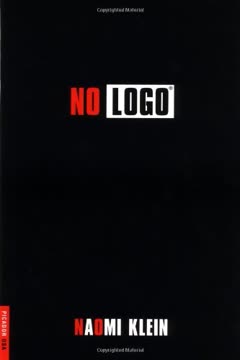
1. 品牌已從產品識別符號演變為強大的文化力量
「過去十五年跨國企業財富與文化影響力的天文數字式增長,可以說源自1980年代中期管理理論家提出的一個看似無害的想法:成功的企業必須主要生產品牌,而非僅僅是產品。」
品牌勝於產品。 現今企業專注於打造強大的品牌形象,而不僅僅是製造商品。這種轉變催生了大規模的行銷活動、名人代言,並將品牌形象滲透到文化的各個層面。品牌試圖體現生活方式、價值觀與體驗,超越其作為單純產品標籤的原始功能。
文化殖民。 品牌如今塑造我們的社會景觀,影響時尚、音樂、藝術甚至教育。它們贊助活動、創造主題零售環境,並在多種媒體平台上製作品牌內容。這種無所不在的存在使品牌成為人們身份認同與世界觀的核心,常常取代傳統文化機構。
2. 企業擴張威脅地方商家與公共空間
「大型量販店與集群式零售的結合,正對零售業態產生變革性的影響。」
零售霸權。 大型連鎖店與量販零售商迅速擴張,往往犧牲地方獨立商家。這些企業巨頭利用龐大的採購力壓低價格,提供多樣化商品,令小型店家難以競爭。
公共空間私有化。 購物中心與品牌化環境逐漸取代傳統的公共空間,如市集廣場與社區中心。此變化限制了非消費導向的自由表達與集會。此外,企業贊助公共活動與機構常附帶條件,可能損害其獨立性與公信力。
3. 製造業轉向剝削性的全球供應鏈
「真正的工作流失故事是,越來越多全球最知名且獲利豐厚的企業,正完全逃離工作崗位的經營。」
外包與離岸生產。 許多跨國企業將製造業務轉移至勞動成本低廉、法規寬鬆的發展中國家,形成遍布出口加工區(EPZ)或自由貿易區的全球工廠網絡。
剝削性條件。 這些工廠的工人常面臨:
- 低薪資
- 長工時
- 不安全的工作環境
- 工會組織受限
- 工作不穩定
企業透過將生產外包給第三方,保持合理否認,藉此與勞工剝削保持距離,同時享受廉價製造的利益。
4. 服務業工作薪資低且缺乏保障
「服務業的大型雇主普遍將員工視為不完全合法的勞動者,因此不認為他們需要或應得工作保障、可維生薪資與福利。」
不穩定就業。 服務業現已成為許多經濟體的主體,特徵包括:
- 低薪資
- 兼職或不規則工時
- 福利有限
- 高離職率
短暫性的迷思。 雇主常以工作是暫時性或僅適合年輕人的理由,為惡劣條件辯護。然而,許多成年人現以服務業工作為主要收入來源,導致經濟不安全與不平等加劇。
5. 臨時與合約工作取代穩定就業
「‘品牌而非產品’光鮮背後的陰暗面,正日益在全球各地職場顯現。每家企業都想擁有一支靈活的兼職、臨時工與自由工作者隊伍,以降低成本並應對市場變化。」
臨時工作興起。 企業越來越依賴臨時工、承包商與自由工作者,維持彈性人力。此趨勢使企業能迅速調整人力,避免對員工做出長期承諾。
穩定性與福利流失。 對勞工而言,這意味著:
- 收入不穩定
- 缺乏健康保險與退休福利
- 工作保障減少
- 難以規劃未來或取得信貸
零工經濟雖為部分人提供彈性,卻使許多勞工陷入持續的財務不確定狀態。
6. 高科技工作亦不免於不穩定勞動慣例
「極客的黃金時代已過,今日的高科技工作同樣不穩定。」
矽谷的陰暗面。 儘管科技工作者普遍被視為高薪族群,許多人面臨與其他產業相似的挑戰:
- 廣泛使用承包商與臨時工
- 長工時與高壓環境
- 技能迅速過時,需不斷再培訓
- 年齡歧視,偏好年輕且廉價勞動力
雙層勞動力體系。 微軟等公司建立了核心正式員工享有高薪與福利,而大量臨時勞動力從事類似工作卻享受較少保障與報酬的制度。
7. 企業慣例侵蝕勞工權益與穩定性
「建立兼職勞動力還有其他節省成本的好處。罷工前,公司支付兼職員工的時薪約為全職員工的一半,卻執行相同工作。」
削弱勞動保障。 企業採用多種策略降低勞動成本並限制勞工權力:
- 將勞工歸類為獨立承包商
- 利用兼職制度避免提供福利
- 反對工會組織
- 遷移至勞動法規較弱地區
全球底線競爭。 以將工作移往低薪低規範國家的威脅,壓制全球工資與工作條件,影響發達與發展中國家的勞工。
8. 行銷策略鎖定青年並挪用反文化運動
「到了九○年代中期,‘酷獵人’成為一種內在矛盾:獵人必須稀釋青年‘微文化’,聲稱只有全職獵人擁有發掘能力,否則何必聘請酷獵人?」
青年作為行銷目標。 品牌積極追求年輕消費者,視其為潮流引領者與終身顧客。此策略包括:
- 滲透校園與學校廣告
- 創造針對青年的品牌內容與體驗
- 聘用「酷獵人」發掘並挪用新興潮流
反叛的商品化。 反文化運動與抵抗符號常被品牌挪用,削弱其批判力量,轉化為可銷售的生活風格。
9. 協同效應與整合限制消費者選擇與文化多樣性
「真正的問題不是‘你今天想去哪裡?’,而是‘我如何最好地引導你進入我想讓你去的協同迷宮?’」
媒體集中。 少數大型集團掌控全球多數媒體、娛樂與文化產出。此整合促成:
- 不同媒體資產間的交叉推廣
- 內容在多平台間重複利用
- 壓制批評企業利益的聲音
選擇的幻象。 消費者似乎擁有更多選擇,實則多數選項由同一母公司擁有,導致內容與觀點趨於同質化。
10. 抵抗企業權力的力量正在增長,但面臨重大挑戰
「然而,當前對協同效應的狂熱有可能因其未兌現的承諾而崩潰。」
新興行動主義。 各種團體正反抗企業主導:
- 勞工組織爭取更好工作條件
- 消費者倡導揭露不道德商業行為
- 環保運動挑戰不可持續的企業政策
- 文化擾亂者顛覆廣告訊息
變革的障礙。 抵抗運動面臨諸多困難:
- 企業控制媒體限制批判觀點曝光
- 大企業的法律與財務資源遠超行動者
- 政府常優先考量企業利益勝於公共福祉
- 品牌無所不在,個人難以完全退出
儘管如此,對企業濫權及其社會影響的覺醒正推動多元的抵抗行動。
其他人也在讀



常見問題
What's No Logo about?
- Focus on Branding: No Logo by Naomi Klein examines the rise of corporate branding and its impact on culture, work, and consumer choice. It argues that corporations have shifted from producing products to creating brands, leading to cultural homogenization.
- Corporate Power vs. Activism: The book documents the struggle between corporate power and anti-corporate activism, highlighting movements that resist the influence of superbrands. Klein emphasizes consumer awareness and activism as crucial in challenging corporate dominance.
- Cultural Critique: Klein provides a sociological analysis of branding, examining its effects on identity, education, and public spaces. The book serves as both a critique of consumer culture and a call to action for those seeking alternatives.
Why should I read No Logo?
- Understanding Consumerism: Reading No Logo helps readers understand the pervasive influence of branding in everyday life and its implications for personal identity and social values.
- Awareness of Corporate Practices: The book raises awareness about unethical corporate practices, such as sweatshop labor and environmental degradation, encouraging critical thinking about consumption choices.
- Inspiration for Activism: Klein’s exploration of anti-corporate movements serves as an inspiration for readers interested in social justice and activism, providing examples of successful resistance against corporate power.
What are the key takeaways of No Logo?
- Brands Over Products: Corporations prioritize branding over the actual production of goods, focusing on image rather than quality.
- Consumer Power: Consumers hold significant power when they ask questions and demand accountability from corporations.
- Cultural Resistance: Various forms of cultural resistance, such as culture jamming and grassroots activism, are effective means to challenge corporate dominance.
What are the best quotes from No Logo and what do they mean?
- “If the world really is just one big global village, then the logo is its common language.” This quote underscores branding as a universal form of communication, transcending cultural and geographical boundaries.
- “The Das Kapital of the growing anti-corporate movement.” This positions No Logo as a foundational text for understanding and organizing against corporate power, akin to Marx’s critique of capitalism.
- “You’re a damn fool if you own it!” Reflects the shift in corporate philosophy towards outsourcing and branding, suggesting that owning physical products is seen as a liability.
How does No Logo define branding?
- Branding as Identity: Klein defines branding as a way for corporations to create identities that resonate with consumers, often at the expense of genuine product quality.
- Cultural Manipulation: Branding manipulates cultural symbols and meanings to create emotional connections with consumers, often appropriating elements of youth culture.
- Corporate Strategy: Branding has become a central corporate strategy, with companies focusing on marketing and image management rather than production.
What are the negative effects of branding discussed in No Logo?
- Cultural Homogenization: Branding leads to cultural homogenization, where unique local identities are replaced by global brand identities.
- Exploitation of Labor: The focus on branding often comes at the cost of ethical labor practices, with many products being made in sweatshops.
- Consumer Disempowerment: Branding can disempower consumers by creating a false sense of choice and individuality, limiting options to variations of the same corporate products.
How does No Logo address the role of youth culture in branding?
- Targeting Youth: Corporations actively target youth culture to establish brand loyalty and identity, seeing the youth market as key for shaping future consumer habits.
- Marketing of Cool: Brands seek to align with what is perceived as “cool” among young people, often co-opting subcultures for marketing purposes.
- Resistance Movements: Youth-led resistance movements against corporate branding are highlighted, showcasing increased awareness and criticism among young consumers.
What examples of anti-corporate activism does No Logo provide?
- Culture Jamming: Activists subvert corporate messages through parody and satire, aiming to disrupt advertising and reclaim public space.
- Grassroots Movements: Various grassroots movements challenge corporate practices, such as anti-sweatshop campaigns and protests against the World Trade Organization.
- Reclaiming Public Space: Emphasizes the importance of reclaiming public spaces from corporate branding, advocating for community-driven initiatives.
How has No Logo influenced contemporary discussions on consumerism?
- Framework for Critique: No Logo provides a framework for critiquing consumerism and corporate power, influencing activists, scholars, and consumers.
- Inspiration for Movements: The book has inspired social movements focused on anti-consumerism, environmental sustainability, and labor rights.
- Cultural Relevance: As branding becomes increasingly pervasive, No Logo remains relevant in understanding consumer culture's implications.
What solutions does No Logo propose for combating corporate branding?
- Consumer Awareness: Advocates for increased consumer awareness and education about branding and corporate practices.
- Grassroots Activism: Emphasizes the importance of grassroots activism in challenging corporate power and promoting alternative values.
- Support for Ethical Brands: Suggests supporting ethical brands and local businesses that prioritize social responsibility over profit.
How does No Logo connect branding to globalization?
- Global Supply Chains: Branding is linked to globalization through global supply chains that exploit cheap labor in developing countries.
- Cultural Imperialism: Branding serves as cultural imperialism, imposing Western values and identities on other cultures.
- Resistance Across Borders: Emphasizes the need for global resistance to corporate branding, advocating for fair trade and labor rights.
What role does consumer activism play in No Logo?
- Empowerment through Awareness: Consumer activism is a powerful tool for change, with informed consumers influencing corporate behavior.
- Grassroots Movements: Highlights grassroots movements that have successfully challenged corporate practices through collective action.
- Boycotts and Campaigns: Discusses the impact of boycotts and campaigns on brand reputation, leading to changes in corporate policies.