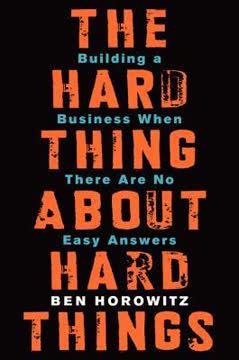
重點摘要
1. 擁抱掙扎:CEO的挑戰無可避免
偉大源自掙扎。
CEO的旅程充滿艱辛。 每位創業者都會面臨自我懷疑、恐懼以及看似難以克服的挑戰。這些掙扎不僅是常態,更是成長與成功的必要過程。
堅持不懈是關鍵。 最成功的CEO是那些能夠經受風暴洗禮、從錯誤中學習並持續前進的人。他們明白挫折只是暫時的,每一次挑戰都是改進與創新的機會。
保持正確的視角。 記住,即使是最成功的公司和CEO也曾面臨嚴峻的困境。專注於逐一解決問題,不要讓責任的重擔使你癱瘓。身邊要有支持你、能提供指導並分擔壓力的人。
2. 做出艱難決策並承擔後果
經營公司時,你會感受到巨大的心理壓力,要求你過度樂觀。
決策的勇氣。 CEO經常需要在資訊不完全的情況下做出艱難選擇。迅速做決定並堅持執行,對公司的成功至關重要。
透明度不可或缺。 與團隊溝通時,要誠實面對挑戰與風險。粉飾太平或逃避困難對話只會侵蝕信任,阻礙問題解決。
從錯誤中學習。 認識到並非每個決策都完美無缺。關鍵是從錯誤中汲取教訓,快速調整並繼續前進。鼓勵一種將失敗視為成功墊腳石的文化,而非責備或懲罰的理由。
3. 建立世界級團隊並培養強大文化
沒有優秀的人才,無法打造偉大公司。
聘用優勢而非僅僅避免弱點。 尋找在特定領域表現卓越的人才,而非僅僅在各方面都過得去的人。專家團隊的表現遠勝於通才團隊。
創造卓越文化。 設定高標準並要求每個人負責。鼓勵開放溝通、持續學習以及員工的主人翁意識。
- 培養多元思維
- 促進協作與知識分享
- 認可並獎勵傑出表現
投資人才發展。 提供成長與晉升機會,不僅提升整體績效,也有助於留住頂尖人才。
4. 以人為本,產品為先,利潤為後
先照顧好人,再照顧產品,最後才是利潤。
以人為先。 員工是你最寶貴的資產。投資於他們的福祉、成長與滿意度。快樂且有動力的員工更具生產力與創新力。
專注產品品質。 優秀的產品是任何成功企業的基石。持續改進與創新,保持競爭優勢。
利潤自然隨之而來。 當你照顧好員工並交付卓越產品時,財務成功便是自然而然的結果。這種長期策略能建立可持續發展的企業。
5. 以願景、雄心與執行力領導
平庸與卓越的差別,往往在於是否允許員工承擔創意風險,或是過度嚴格要求他們負責。
闡述引人入勝的願景。 作為領導者,你必須清晰描繪公司未來的方向及其重要性。這個願景應激勵並激發團隊士氣。
培養正確的雄心。 鼓勵員工將公司成功置於個人利益之上,營造合作與共同目標的文化。
持續執行。 願景與雄心若無法轉化為現實,便毫無意義。建立系統與流程,確保策略能有效執行。
6. 精通公司擴張的藝術
組織設計是公司與外界溝通的架構。
預見成長挑戰。 隨著公司擴大,需準備調整組織結構、溝通流程與管理風格。
實施可擴展系統。 建立能支持快速成長且不犧牲效率與品質的流程與工具。
- 標準化核心流程
- 投資技術基礎設施
- 明確職責與匯報結構
平衡專業化與靈活性。 成長過程中需聘用專家,同時保持足夠彈性以適應市場變化。
7. 根據情況調整領導風格
商業和平時期指公司在核心市場擁有明顯優勢且市場持續成長;戰爭時期則是面臨生存威脅。
識別不同商業環境。 了解公司處於「和平時期」(穩定成長)或「戰爭時期」(面臨生存威脅)。
調整領導策略。 和平時期著重擴展機會與激發創意;戰爭時期則專注於生存與迅速果斷的行動。
培養多元能力。 最佳CEO能根據情況靈活切換領導風格,具備應對各種情境的技能。
8. 在管理中平衡責任與創意
平庸與卓越的差別,往往在於是否允許員工承擔創意風險,或是過度嚴格要求他們負責。
鼓勵明智的風險承擔。 創造一個讓員工敢於提出並追求創新想法的安全環境,即使可能失敗。
設定明確期望。 制定可衡量目標並要求負責結果,但對達成方式保持彈性。
從失敗中學習。 當創意風險未達預期,重點在於汲取寶貴教訓,而非懲罰相關人員。此舉促進持續改進與創新文化。
9. 掌握出售公司的複雜性
如果(a)你處於一個非常早期且規模龐大的市場,且(b)你有很大機會成為該市場的第一名,那麼你應該保持獨立。
評估市場潛力。 在決定出售或保持獨立時,考慮市場的規模與成長趨勢。
評估競爭地位。 判斷公司成為或保持市場領導者的可能性,這對決策至關重要。
考慮時機與估值。 了解產業趨勢與公司成長階段,以最大化出售價值。有時候,等待未來成長能帶來更高回報。
其他人也在讀
 沉浸式
沉浸式

 沉浸式
沉浸式
 沉浸式
沉浸式



常見問題
What's "The Hard Thing About Hard Things" about?
- Guide for entrepreneurs: "The Hard Thing About Hard Things" by Ben Horowitz is a guide for entrepreneurs and CEOs on navigating the challenges of building and running a business.
- Personal experiences: Horowitz shares his personal experiences as a CEO and venture capitalist, providing insights into the struggles and solutions he encountered.
- No easy answers: The book emphasizes that there are no easy answers or formulas for dealing with complex business challenges, highlighting the importance of resilience and adaptability.
Why should I read "The Hard Thing About Hard Things"?
- Real-world insights: The book offers real-world insights from someone who has successfully navigated the ups and downs of the tech industry.
- Practical advice: It provides practical advice on handling difficult situations, such as layoffs, executive firings, and company culture issues.
- Inspirational stories: Horowitz's stories of perseverance and overcoming adversity can be inspiring and motivating for entrepreneurs and business leaders.
What are the key takeaways of "The Hard Thing About Hard Things"?
- Embrace the struggle: Horowitz emphasizes that the struggle is an inherent part of building a business and that leaders must learn to navigate it effectively.
- Importance of transparency: The book highlights the importance of being transparent with your team, especially during difficult times.
- Focus on people: Taking care of your people is crucial for long-term success, stressing the importance of hiring, training, and retaining the right talent.
What are the best quotes from "The Hard Thing About Hard Things" and what do they mean?
- "There is no recipe for really complicated, dynamic situations." This underscores the book's theme that there are no easy solutions to complex business problems.
- "The Struggle is where greatness comes from." Horowitz highlights that enduring and overcoming the struggle is what leads to success and greatness.
- "If you are going to eat shit, don’t nibble." This advises leaders to confront problems head-on rather than avoiding or minimizing them.
How does Ben Horowitz suggest handling layoffs?
- Be clear and honest: Horowitz advises being clear about the reasons for layoffs and communicating them honestly to the team.
- Train managers: Ensure that managers are trained to handle layoffs with empathy and professionalism.
- Address the company: The CEO should address the entire company to provide context and reassurance.
What is "The Struggle" according to Ben Horowitz?
- Definition of The Struggle: "The Struggle" refers to the difficult, often overwhelming challenges that entrepreneurs and CEOs face when building a business.
- Inevitable part of leadership: Horowitz emphasizes that The Struggle is an inevitable part of leadership and that every great entrepreneur experiences it.
- Source of greatness: The Struggle is where leaders find the strength to overcome obstacles and achieve greatness.
How does Ben Horowitz define a good company culture?
- Trust and transparency: A good company culture is built on trust and transparency, where employees feel informed and valued.
- Focus on people: Taking care of employees is a priority, ensuring they have the resources and support needed to succeed.
- Alignment with values: A strong culture aligns with the company's values and mission, creating a sense of purpose and belonging for employees.
What is the significance of "Lead Bullets" in "The Hard Thing About Hard Things"?
- No silver bullets: Horowitz uses the term "Lead Bullets" to emphasize that there are no quick fixes or magical solutions to business problems.
- Focus on fundamentals: The concept encourages focusing on the fundamentals and making incremental improvements rather than seeking shortcuts.
- Example from Netscape: Horowitz shares an example from his time at Netscape, where they had to improve their product's performance through hard work.
What is the "Peacetime CEO/Wartime CEO" concept in "The Hard Thing About Hard Things"?
- Different leadership styles: Horowitz describes two distinct leadership styles: peacetime and wartime.
- Adapting to circumstances: A CEO must be able to switch between these styles based on the company's situation.
- Examples in the book: Horowitz uses examples like Steve Jobs and Andy Grove to illustrate how different situations require different leadership approaches.
How does Horowitz suggest managing your own psychology as a CEO?
- Managing stress: Horowitz emphasizes the importance of managing one's own psychology, as being a CEO is inherently stressful.
- Avoiding isolation: CEOs often feel isolated due to the nature of their role, and Horowitz suggests building a support network of peers.
- Facing the pain: He advises not to avoid difficult situations but to face them head-on, which is crucial for overcoming leadership challenges.
How does Ben Horowitz approach hiring executives?
- Know what you want: Horowitz stresses the importance of knowing exactly what you need in an executive before starting the hiring process.
- Run a thorough process: Conduct a thorough interview process that tests for the desired criteria.
- Make a lonely decision: Ultimately, the CEO must make the final decision based on all the information gathered.
What advice does Horowitz give on deciding whether to sell your company?
- Logical analysis: Horowitz advises considering whether the market is large and if the company has a good chance of being number one.
- Emotional factors: Selling a company is an emotional decision, and Horowitz suggests muting emotions to make a rational choice.
- Case study of Opsware: Horowitz shares his experience with selling Opsware, highlighting the factors he considered and the emotional challenges he faced.