核心要点
1. 洛克菲勒的根源:矛盾交织的遗产
现代世界的缔造者中,有两位至高无上:一位是洛克菲勒,专注于经济;另一位是俾斯麦,专注于政治。他们共同推翻了自由主义关于通过个人竞争实现普遍幸福的梦想,取而代之的是垄断与企业国家,或至少是朝此方向发展的运动。
矛盾的影响。 约翰·D·洛克菲勒的生活深受其成长环境中鲜明对比的影响。他的母亲露西·艾弗里,是虔诚的浸礼会教徒,赋予他坚定的道德准则和勤奋的工作精神;而他的父亲威廉·艾弗里·洛克菲勒,则是一个富有魅力的骗子,教会他欺骗的技巧和不择手段追求财富的方式。这种二元性塑造了他复杂的个性,既虔诚又冷酷无情。
家族历史:
- 洛克菲勒的德国祖先是18世纪移民美国的农民和磨坊主。
- 他的母系血统源自新英格兰的清教徒,以严谨的道德观和勤劳著称。
- 他的祖父戈弗雷是个无所事事的人,是酗酒和品行松懈的警示典型。
早年生活:
- 1839年出生于纽约里奇福德,童年多变且父亲常常缺席。
- 家庭先后迁居莫拉维亚、奥威戈,最终定居俄亥俄州斯特朗斯维尔,每次迁移都反映出父亲不安分的天性。
- 这些经历在洛克菲勒心中埋下了对秩序、控制和经济安全的深切渴望。
2. 浸礼会的蓝图:信仰与财富
我从小就被教导要勤劳节俭。我一直认为,光荣地获得一切并慷慨给予,是一种宗教义务。这是我小时候牧师教给我的。
福音派的熏陶。 洛克菲勒的浸礼会信仰不仅是每周的礼拜仪式,更是塑造他世界观和商业行为的核心力量。他内化了节俭、勤奋和自力更生的价值观,视财富积累为一种宗教责任,只要财富被善用。
浸礼会的核心教义:
- 强调个人责任和道德改造。
- 相信人人皆有得救的可能,而非仅限于预定的选民。
- 反对世俗诱惑,如饮酒、跳舞和戏剧。
- 强烈的社区意识和助人为乐的重要性。
第二次大觉醒:
- 19世纪初的复兴运动,强调个人皈依和社会改革,深刻影响了洛克菲勒这一代人。
- 该运动将个人虔诚与社区提升联系起来,培养了信徒的社会责任感。
- 洛克菲勒的早年生活浸润在这种宗教热情中,塑造了他对商业和慈善的看法。
3. 早期商业启蒙:从小把戏到金融
他习惯随身携带不少于一千美元,放在口袋里。他能照顾好自己,也不怕带着钱。
父亲的影响。 尽管威廉·艾弗里·洛克菲勒行事不光彩,但他教给儿子许多关于金钱的宝贵经验。他培养了儿子对现金的热爱、讨价还价的本领,以及保持账目清晰的重要性。
早期商业尝试:
- 童年时,洛克菲勒卖糖果给兄弟姐妹,还养火鸡赚钱,展现出早期的创业精神。
- 母亲伊莱扎教他节俭和储蓄的重要性,反复灌输“故意浪费必致贫困”的格言。
- 父亲虽是骗子,却也教他合同的重要性和及时还债的原则。
第一份工作:
- 十六岁时,洛克菲勒在克利夫兰的休伊特与塔特尔公司担任助理簿记员。
- 他在会计方面表现出色,培养了对细节的热情和对数字力量的信仰。
- 他了解了运输、贸易和金融的复杂性,为未来成功奠定基础。
4. 标准石油的崛起:合作还是阴谋?
合作的理念——与铁路、电报线路、钢铁公司、石油公司合作——的出现并盛行,取代了那些自以为是的学究们在商业中互相吞噬的混乱局面,这真是莫大的福祉。
早期石油业的混乱。 宾夕法尼亚油田的发现引发了繁荣与萧条的循环,过度生产和激烈竞争威胁着行业稳定。洛克菲勒敏锐地察觉到秩序与合作的必要。
标准石油的成立:
- 1863年,洛克菲勒与莫里斯·克拉克和塞缪尔·安德鲁斯合伙,在克利夫兰建立炼油厂。
- 他坚信合作而非竞争,是在动荡的石油市场中取胜的关键。
- 他致力于打造一个稳定高效的体系,惠及生产者和消费者。
南方改进公司:
- 1872年,洛克菲勒加入了与铁路合作控制石油运输和炼制的秘密联盟。
- 该计划被称为南方改进公司,引发公众愤怒,最终被迫放弃。
- 然而,这一事件标志着洛克菲勒对垄断权力不懈追求的开始。
5. 管道的力量:掌控流通
如今业内所有人都沿用我们最早提出的现代经营模式。
超越炼油。 洛克菲勒意识到,掌控石油流通同炼油一样重要。他开始大量投资管道,因其比铁路更高效、更可靠。
管道的主导地位:
- 标准石油的管道网络牢牢控制了行业,掌握了原油供应和价格。
- 公司利用管道垄断挤压竞争对手,巩固自身实力。
- 管道还使标准石油绕过铁路,减少对其依赖,进一步强化控制力。
战略优势:
- 通过掌控炼油和运输,标准石油能对生产者和消费者制定条件。
- 一体化系统实现规模经济,降低成本,使竞争者难以生存。
- 洛克菲勒对管道网络的控制,是他称霸石油业的关键因素。
6. 财富的重负:家庭、慈善与公众形象
我一直认为,光荣地获得一切并慷慨给予,是一种宗教义务。
平衡之道。 随着财富增长,洛克菲勒努力调和商业行为与宗教信仰。他视慈善为赎罪之路,用财富造福人类。
家庭生活:
- 与伊莱扎·戴维森的婚姻带来稳定和道德指引。
- 他是慈爱的父亲,教导子女节俭、勤奋和虔诚。
- 也努力保护子女免受标准石油负面舆论影响。
早期慈善:
- 年轻时即开始捐赠,将部分收入用于宗教事业。
- 受新英格兰纺织业富豪阿莫斯·劳伦斯的榜样激励,后者慷慨捐赠巨额财富。
- 他视慈善为宗教责任,用财富服务上帝和人类。
7. 过去的阴影:与批评者和政府的斗争
标准石油公司的代表对那些最恶意攻击他们的人仍怀有亲切和兄弟般的感情,并愿意将其归咎于对方的无知和软弱。
公众审视。 随着权力增长,洛克菲勒的商业手段遭受越来越多批评。他被指控用不公平手段打压竞争对手,利用垄断谋取私利。
主要对手:
- 艾达·塔贝尔,通过调查报道揭露标准石油内幕,使洛克菲勒成为企业贪婪的象征。
- 亨利·德马雷斯特·劳埃德,其著作《财富与共和国》严厉批判洛克菲勒的商业手法。
- 联邦政府于1906年对标准石油提起反垄断诉讼。
洛克菲勒的回应:
- 起初无视批评,坚信时间会证明自己无辜。
- 后来展开公关活动改善形象,但从未完全承认指控的合理性。
- 他自视为嫉妒和误解的受害者,被敌人不公正地针对。
8. 新一代的道路:小约翰与标准石油的遗产
我从小就被教导要勤劳节俭。我一直认为,光荣地获得一切并慷慨给予,是一种宗教义务。
小约翰的重担。 约翰·D·洛克菲勒二世继承了父亲的财富和道德准则,但也背负着父亲争议遗产的重压。他努力调和家族财富与服务人类的愿望。
小约翰的挑战:
- 在父亲的商业世界与自身的社会改革理想之间挣扎。
- 经常因父亲的行为受到批评,尽管他未直接参与标准石油。
- 力图用财富推动社会正义,创造更公平的社会。
新道路:
- 卢德洛大屠杀和白奴陪审团事件迫使他直面家族财富的伦理困境。
- 开始形成自己的慈善愿景,聚焦教育、公共卫生和国际合作。
- 力求留下积极影响世界的遗产。
9. 持久的悖论:产业巨头与虔诚信徒
当历史最终对约翰·D·洛克菲勒作出评判时,他对科研的资助或将被视为人类进步的里程碑。
复杂的遗产。 约翰·D·洛克菲勒是一个充满矛盾的人物。他是建立庞大工业帝国的商业奇才,同时也是虔诚的基督徒,力图用财富造福人类。
矛盾体现:
- 他是无情的竞争者,却也信奉合作。
- 他是神秘的人物,却也渴望成为公众的慈善家。
- 他拥有巨额财富,却过着简朴严谨的生活。
持久影响:
- 洛克菲勒的商业创新改变了石油行业,塑造了现代美国经济。
- 他的慈善贡献对教育、医学和公共卫生产生了深远影响。
- 他的生平故事持续引发关于财富与权力在社会中角色的讨论。
读者评价
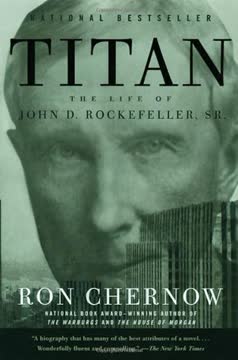
《巨人:约翰·D·洛克菲勒传》因其对这位备受争议的石油巨头的全面且公正的描绘而备受赞誉。读者们欣赏切尔诺生动的写作风格、深刻的心理洞察以及详尽的资料考证。传记深入探讨了洛克菲勒的商业智慧、宗教信仰和慈善事业。尽管部分读者觉得书籍篇幅较长,但大多数人认为这是一部对洛克菲勒复杂人格及其对美国工业和社会持久影响的杰出剖析。此书被广泛视为切尔诺最优秀的作品之一。
其他人还在读
常见问题
What's Titan: The Life of John D. Rockefeller, Sr. about?
- Comprehensive Biography: The book is a detailed biography of John D. Rockefeller, Sr., chronicling his journey from modest beginnings to becoming the wealthiest man in the world through the oil industry.
- Historical Context: It situates Rockefeller within the socio-economic landscape of the Gilded Age, exploring the interplay between capitalism, industry, and government.
- Complex Character Study: The narrative delves into Rockefeller's personality, business practices, and philanthropic efforts, presenting a nuanced view of a man seen as both a villain and a benefactor.
Why should I read Titan: The Life of John D. Rockefeller, Sr.?
- In-depth Research: Ron Chernow's meticulous research offers a well-rounded portrayal of Rockefeller, drawing from extensive primary sources like family documents and interviews.
- Understanding Capitalism: The book provides insights into the foundations of modern capitalism and the ethical dilemmas faced by industrialists, relevant for anyone interested in business history.
- Engaging Narrative: Chernow's storytelling makes complex historical events accessible and engaging, keeping readers invested in Rockefeller's journey.
What are the key takeaways of Titan: The Life of John D. Rockefeller, Sr.?
- Dual Nature of Wealth: The book illustrates the paradox of wealth, showing how Rockefeller's fortune was both a product of industriousness and a source of moral scrutiny.
- Philanthropy and Legacy: It emphasizes Rockefeller's philanthropic efforts, particularly in education and public health, suggesting his legacy extends beyond business practices.
- Impact of Industrialization: The narrative highlights the transformative effects of industrialization on American society, including the rise of monopolies and regulatory responses.
What are the best quotes from Titan: The Life of John D. Rockefeller, Sr. and what do they mean?
- “God gave me my money.”: Reflects Rockefeller's belief that his wealth was divinely ordained, intertwining his religious faith with business success.
- “I was trained from the beginning to work and to save.”: Underscores the values of thrift and hard work instilled in him from a young age, essential for success.
- “I have always regarded it as a religious duty to get all I could honorably and to give all I could.”: Highlights his view of wealth accumulation as a moral obligation, linking business acumen with philanthropy.
How did John D. Rockefeller start his career in business?
- Early Job: Rockefeller began as an assistant bookkeeper at Hewitt and Tuttle, honing skills in finance and learning the importance of meticulous record-keeping.
- Transition to Oil: He entered the oil business through a partnership with Maurice Clark, initially as a side venture while continuing work in produce.
- First Major Success: His first refinery, the Excelsior Works, marked the beginning of his rise in the oil industry, establishing him as a leading figure.
How did Rockefeller's business practices shape the oil industry?
- Use of Rebates: Rockefeller utilized rebates from railroads to lower shipping costs, allowing him to undercut competitors and gain market dominance.
- Formation of Standard Oil: He consolidated numerous refineries under Standard Oil, creating a powerful monopoly that controlled a significant share of the oil market.
- Impact on Competition: His practices led to the elimination of many independent refiners, fundamentally altering the competitive landscape of the oil industry.
What role did philanthropy play in Rockefeller's life?
- Personal Beliefs: Philanthropy was deeply rooted in Rockefeller's Baptist faith, emphasizing the moral obligation to help others and improve society.
- Founding Major Institutions: He established key institutions like the Rockefeller Foundation, focusing on education and public health initiatives.
- Legacy of Giving: His philanthropic legacy continues to influence modern charitable practices, demonstrating the potential for wealth to effect positive social change.
How did the Ludlow Massacre affect the Rockefeller family?
- Public Backlash: The Ludlow Massacre, where striking miners and their families were killed, severely tarnished the Rockefeller name and led to widespread public outrage.
- Junior's Transformation: John D. Rockefeller, Jr. faced intense scrutiny, prompting him to advocate for better treatment of workers and reevaluate labor relations.
- Long-term Consequences: The incident marked a turning point in the family's public image, forcing them to confront the darker aspects of their business dealings.
How did Rockefeller's religious beliefs influence his business practices?
- Baptist Principles: His Baptist upbringing emphasized hard work, honesty, and charity, which he integrated into his business philosophy.
- Moral Justification for Wealth: He believed accumulating wealth was a divine blessing and a responsibility to be used for good, guiding his philanthropic efforts.
- Self-Discipline and Restraint: His faith instilled a sense of self-control, helping him navigate the temptations of wealth and power without succumbing to excess.
What impact did John D. Rockefeller have on American society?
- Philanthropic Contributions: His extensive charitable donations transformed education and public health, establishing institutions like the University of Chicago.
- Business Practices: His methods set precedents for corporate practices, influencing competition, pricing, and regulation.
- Public Perception of Wealth: His life sparked debates about the morality of wealth accumulation and the responsibilities of the rich, shaping public attitudes toward capitalism.
How did the antitrust suit against Standard Oil impact Rockefeller's legacy?
- Dismantling of the Trust: The antitrust suit led to the breakup of Standard Oil, which increased Rockefeller's wealth and solidified his status as a philanthropist.
- Public Relations Shift: The suit forced Rockefeller to engage more openly with the public, transforming his image from a ruthless businessman to a benevolent figure.
- Long-term Influence: The legal battles influenced the regulatory landscape of American business, shaping future corporate governance and philanthropy.
How does Titan compare to other biographies of Rockefeller?
- Comprehensive Approach: Ron Chernow's Titan is noted for its depth and thoroughness, providing a nuanced portrayal of Rockefeller.
- Balanced Perspective: Unlike earlier works focusing solely on business practices, Titan presents a balanced view, including philanthropy and personal struggles.
- Historical Context: Chernow situates Rockefeller within the broader historical context of American capitalism, enriching the reader's understanding of his impact.