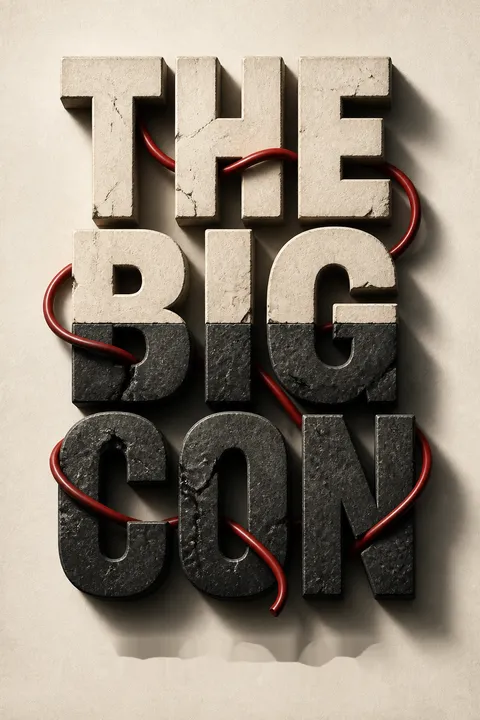

Key Takeaways
1. Confidence Men Thrive on Dishonesty and Skill
A confidence man prospers only because of the fundamental dishonesty of his victim.
The Mark's Complicity. Confidence games hinge on the victim's willingness to engage in dishonest dealings. The con man exploits the mark's greed and desire for easy money, leading them down a path of increasingly unethical behavior until they are fully invested in the scheme. This shared dishonesty makes prosecution difficult, as the victim is often reluctant to admit their own criminal intentions.
Beyond Simple Theft. Confidence men are not mere thieves; they are skilled manipulators and actors. They possess a deep understanding of human psychology, allowing them to inspire trust and exploit vulnerabilities. Their success depends on their ability to create a believable illusion and guide the mark through a carefully constructed narrative.
Aristocrats of Crime. Unlike violent criminals, confidence men rely on wit and charm rather than force. They pride themselves on their ability to separate victims from their money without resorting to physical harm. This distinction elevates them in the criminal underworld, where they are often regarded as the most sophisticated and intelligent practitioners of their craft.
2. The Big Store: A Stage for Deception
So realistically are they manned and furnished that the victim does not suspect that everything about them—including the patronage—is fake.
Illusion of Legitimacy. The "big store" is a meticulously crafted environment designed to deceive the mark. Whether it's a fake gambling club or a brokerage office, every detail is carefully considered to create a sense of authenticity and prosperity. Unsuspecting victims are immersed in a world where everything appears legitimate, making it easier to suspend disbelief.
Evolution of the Store. The concept of the big store evolved from crude gambling dens to elaborate theatrical productions. Early versions, like Ben Marks' "Dollar Store," simply provided a venue for monte games. Over time, these evolved into mitt stores, fight stores, and other specialized establishments, each designed to exploit a specific type of mark.
Theater of Deception. The modern big store is a carefully staged performance, complete with actors, props, and a detailed script. The mark is unwittingly cast in a role, guided through a series of events designed to manipulate their emotions and exploit their greed. The success of the big store lies in its ability to create a believable illusion that blurs the line between reality and fiction.
3. The Wire: Exploiting Information Asymmetry
The wire, the first of the big-con games, was invented just prior to 1900.
Harnessing Technology. The "wire" game emerged with the advent of telegraph communication, exploiting the perceived advantage of receiving race results before bookmakers. Con men convinced victims that they had a corrupt Western Union contact who could delay the information, allowing them to place winning bets after the race had concluded.
Fake Set-Ups. The wire involved two elaborate fake setups: a Western Union office and a horse-poolroom. The Western Union office, complete with fake operators and equipment, created the illusion of insider access. The horse-poolroom, populated with shills and betting paraphernalia, provided the stage for the mark's supposed winnings.
The Illusion of Control. The wire game preyed on the mark's belief that they could control the outcome through privileged information. By manipulating the perceived flow of information, con men created a sense of urgency and excitement, leading the victim to invest larger and larger sums of money.
4. The Pay-Off: A Carefully Orchestrated Illusion of Profit
In this swindle the victim is permitted to share in the illicit profits presumably taken by operators who are fleecing gambling clubs by means of fixed races.
Sharing the Spoils. The "pay-off" game entices victims with the promise of sharing in illicit profits from fixed horse races. The mark is initially allowed to win small amounts using money provided by the con men, creating a sense of trust and excitement. This "convincer" sets the stage for the larger swindle to come.
Building Confidence. The pay-off relies on building a strong rapport between the insideman and the mark. The insideman, posing as a knowledgeable insider, gains the victim's confidence by sharing seemingly valuable information and allowing them to profit from it. This creates a sense of partnership and makes the mark more willing to invest larger sums.
The Send. Once the mark is hooked, they are sent home to retrieve a large sum of money, solidifying their commitment to the scheme. This "send" demonstrates the mark's willingness to take risks and their belief in the potential for significant financial gain. The final act involves a rigged race and the complete loss of the mark's investment.
5. The Rag: Manipulating the Stock Market Facade
For the rag the store depicts a broker’s office complete with tickers, phone service, brokers, clerks and customers.
Exploiting Financial Ambition. The "rag" game applies the principles of the pay-off to the stock market, convincing victims that they can profit from insider information. The con men create a fake brokerage office, complete with tickers, phones, and actors posing as brokers and customers. This elaborate setup provides the backdrop for the swindle.
Insider Knowledge. The insideman claims to be a confidential agent of a powerful Wall Street syndicate, manipulating stock prices to break small exchanges and bucket shops. The mark is led to believe that they can share in these illicit profits by investing alongside the syndicate.
The Illusion of Control. As in the pay-off, the mark is initially allowed to make small profits using money provided by the con men. This creates a sense of confidence and encourages them to invest larger sums. The final act involves a manipulated stock price and the complete loss of the mark's investment.
6. The Mark: A Study in Human Nature
It is not intelligence but integrity which determines whether or not a man is a good mark.
Beyond Stupidity. Victims of confidence games are not necessarily unintelligent; in fact, highly intelligent individuals can be particularly susceptible. The key factor is a lack of integrity, a willingness to engage in dishonest dealings for personal gain. This inherent dishonesty blinds them to the true nature of the scheme.
The Allure of Easy Money. The most effective marks are those who are driven by greed and a desire for quick riches. They are easily seduced by the promise of easy money, overlooking the risks and ethical implications of the scheme. This desire for illicit profits makes them vulnerable to manipulation.
The Illusion of Superiority. Many marks possess a sense of superiority, believing themselves to be shrewd and capable of outsmarting others. This overconfidence makes them less likely to question the scheme or seek outside advice, making them easier to manipulate.
7. The Mob: Specialization and Organization in Crime
Division of labor increased and, in direct proportion, specialization became essential.
Division of Labor. Confidence games require a team of skilled individuals, each with a specific role to play. The roper identifies and cultivates the mark, the insideman manages the store and executes the swindle, and other members provide support and maintain the illusion. This division of labor allows for greater efficiency and effectiveness.
The Roper's Charm. The roper is the face of the operation, responsible for gaining the mark's trust and guiding them into the scheme. They must be charismatic, persuasive, and able to adapt to different personalities. Their success depends on their ability to build rapport and create a sense of connection with the victim.
The Insideman's Authority. The insideman is the mastermind behind the swindle, responsible for managing the store, directing the play, and executing the final touch. They must be intelligent, resourceful, and able to maintain control of the situation under pressure. Their success depends on their ability to create a believable illusion and manipulate the mark's emotions.
8. The Fix: Corruption as a Business Expense
Modern con men must be able to buy officers, judges and juries; they do it so successfully that many a top-notcher has never served a prison sentence.
The Price of Protection. To operate successfully, confidence men must often bribe law enforcement officials and politicians. This "fix" provides protection from arrest and prosecution, allowing them to continue their activities with relative impunity. The cost of the fix is a significant business expense, but it is essential for survival.
Corruption at All Levels. The fix can extend to all levels of the legal system, from police officers to judges and juries. By corrupting these individuals, confidence men can ensure that their cases are dismissed or that they are acquitted at trial. This widespread corruption undermines the integrity of the justice system and allows criminals to operate with impunity.
The Fixer's Role. The fixer acts as an intermediary between the con men and the corrupt officials, negotiating bribes and ensuring that the necessary protections are in place. The fixer is a key figure in the criminal underworld, possessing the connections and resources to navigate the complex web of corruption.
9. The Con Man's Lingo: A Language of Deceit
The language on display certainly must have had something to do with it—available vocabulary can lubricate a subject (or, alternatively, tie weights to its shoes and throw it into the river).
A Secret Code. Confidence men, like other professional criminals, use a specialized language to communicate among themselves. This argot serves several purposes, including concealing their activities from outsiders, reinforcing group identity, and facilitating communication within the criminal underworld.
Colorful Terminology. The con man's lingo is filled with colorful and evocative terms, reflecting the creativity and ingenuity of the criminal mind. Words like "cackle-bladder," "shut-out," and "tear-off rat" paint a vivid picture of the world of deception and manipulation.
More Than Just Slang. The con man's lingo is more than just a collection of slang terms; it is a complex system of communication that reflects the unique culture and values of the criminal underworld. By mastering this language, confidence men can navigate their world with greater ease and effectiveness.
10. The Con Man's Fate: A Life on the Run
Throughout the narrative it is necessary to remind oneself that these various “kids” were distinguished-looking gentlemen in frock coats and homburgs and Vandyke beards.
A Precarious Existence. Despite their apparent success, confidence men lead a precarious existence. They are constantly on the move, dodging law enforcement and other criminals who seek to exploit them. Their lives are filled with uncertainty and risk.
The Inevitable Fall. While some confidence men manage to retire wealthy, many end up losing their fortunes to gambling, bad investments, or the law. The constant pressure and stress of their lifestyle take a toll, leading to addiction, mental illness, or even death.
A Cycle of Deception. The world of the confidence man is a cycle of deception and manipulation. They exploit the greed and dishonesty of others, but they are also vulnerable to being exploited themselves. Their lives are a constant game of cat and mouse, where the stakes are high and the consequences can be devastating.
Review Summary
The Big Con is praised for its fascinating look into early 20th-century confidence games and the criminal underworld. Readers appreciate Maurer's detailed descriptions of con techniques, colorful characters, and the unique argot of grifters. Many note its influence on popular culture, including the film "The Sting." Some find the book's structure and dated language challenging, while others value its historical and sociological insights. Overall, it's considered a classic work on the psychology and mechanics of confidence games, though occasional readers find it repetitive or morally ambiguous.
People Also Read








FAQ
1. What is The Big Con by David W. Maurer about?
- Comprehensive study of con men: The book is a detailed exploration of American confidence men, their elaborate swindles, and the social world they inhabit, focusing on both big and short cons.
- Historical and cultural context: Maurer examines the rise and evolution of the big con from the late 19th century through the Depression era, highlighting its golden age and decline.
- Insider perspective: Drawing on interviews and firsthand accounts, Maurer provides an authentic look at the methods, psychology, and language of professional swindlers.
2. Why should I read The Big Con by David W. Maurer?
- Unique insider knowledge: The book is based on direct interviews with professional con men, offering rare, authentic insights into their techniques and social dynamics.
- Demystifies criminal operations: Maurer dispels myths about con men, presenting them as skilled professionals and explaining the practical realities of their work.
- Rich in language and culture: The book’s detailed glossary and cultural context deepen understanding of underworld argot and the broader social impact of confidence games.
3. What are the key takeaways from The Big Con by David W. Maurer?
- Artistry and organization of cons: Confidence games are highly organized, theatrical operations requiring intelligence, acting, and coordination among many players.
- Psychology of the mark: The success of a con depends on exploiting human nature, especially greed and the willingness to engage in dishonest schemes.
- Enduring relevance: Despite legal and societal changes, the fundamental principles of the con and the weaknesses they exploit remain constant.
4. What are the main types of big-con games described in The Big Con by David W. Maurer?
- The Wire: A racing swindle involving fake telegraph offices and delayed race results, allowing marks to bet on supposedly fixed outcomes.
- The Pay-Off: A game where marks believe they are part of a racing syndicate, sharing in illicit profits before being fleeced in a luxurious fake gambling setup.
- The Rag: An adaptation using stocks instead of races, with marks investing in manipulated securities through a fake brokerage office.
5. How do short-con games differ from big-con games in The Big Con by David W. Maurer?
- Short cons are quick hits: Short-con games, like the smack, tat, and tip, target marks for only the money they have on hand, requiring less setup and capital.
- Big cons involve elaborate setups: Big-con games use fake businesses, multiple actors, and complex scenarios to extract large sums from marks.
- Role in the con world: Short cons keep con men financially afloat between big scores and serve as training for more complex operations.
6. How does the "big store" function in confidence games according to The Big Con by David W. Maurer?
- Fake business fronts: The big store is a meticulously staged fake establishment—such as a gambling club or brokerage office—designed to impress and deceive the mark.
- Theatrical production: It operates like a stage play, with managers, shills, clerks, and extras all playing roles to maintain the illusion of legitimacy.
- Central to big cons: The big store is essential for extracting large sums, providing the setting for the wire, rag, and pay-off games.
7. Who are the key players in a confidence mob as described in The Big Con by David W. Maurer?
- The Roper (Outsideman): Finds and ropes marks, gaining their trust and bringing them to the big store.
- The Insideman: Runs the big store, manages the mark’s experience, and orchestrates the con’s climax and blow-off.
- Supporting cast: Includes managers, shills, clerks, tailers, and fixers, all essential for maintaining the illusion and ensuring the con runs smoothly.
8. What makes a good mark in the confidence games described in The Big Con by David W. Maurer?
- Money and greed: A good mark has accessible funds and a willingness to engage in speculative or dishonest schemes.
- Not necessarily unintelligent: Many marks are intelligent and successful, but their greed or desire for easy money makes them vulnerable.
- Common traits: Marks often lie about their finances, are flattered by being chosen, and may return for more despite previous losses.
9. How do confidence men rope and tie up marks according to The Big Con by David W. Maurer?
- Casual contacts and travel: Ropers meet marks in everyday settings—trains, ships, resorts—and quickly build trust through conversation.
- Isolation and control: Once roped, marks are kept under close watch and isolated from outside influence to prevent suspicion or interference.
- Psychological manipulation: Flattery, staged events, and controlled information keep the mark eager and confident until the con is complete.
10. How do confidence men use the "fix" to avoid legal trouble in The Big Con by David W. Maurer?
- Fix as protection insurance: Con men pay off law enforcement, judges, and officials to operate with impunity, often giving up a significant share of their profits.
- Role of the fixer: A powerful underworld figure manages bribes and protection, wielding more influence over con men than the law itself.
- Fixing various officials: The fix extends to banks, police, prosecutors, and sometimes even the mark, preventing complaints and prosecutions from proceeding.
11. What is the significance of criminal argot and slang in The Big Con by David W. Maurer?
- Professional identity and solidarity: Specialized language helps con men communicate, maintain group cohesion, and express complex professional concepts.
- Rich and creative vocabulary: The argot covers technical terms for games, roles, and situations, and is constantly evolving with colorful, inventive expressions.
- Literary and scientific value: Maurer’s documentation of this language adds depth and authenticity to the narrative, preserving a unique subcultural dialect.
12. What does The Big Con by David W. Maurer say about the future and decline of confidence games?
- Impact of global events: Wars, increased law enforcement, and changing travel patterns affect the operations and hunting grounds of con men.
- Legal and enforcement challenges: Federal laws and active authorities make fixing more difficult, but cons adapt and persist.
- Enduring human nature: As long as greed and gullibility exist, confidence games will continue to thrive, evolving with the times rather than disappearing.
Download PDF
Download EPUB
.epub digital book format is ideal for reading ebooks on phones, tablets, and e-readers.








































