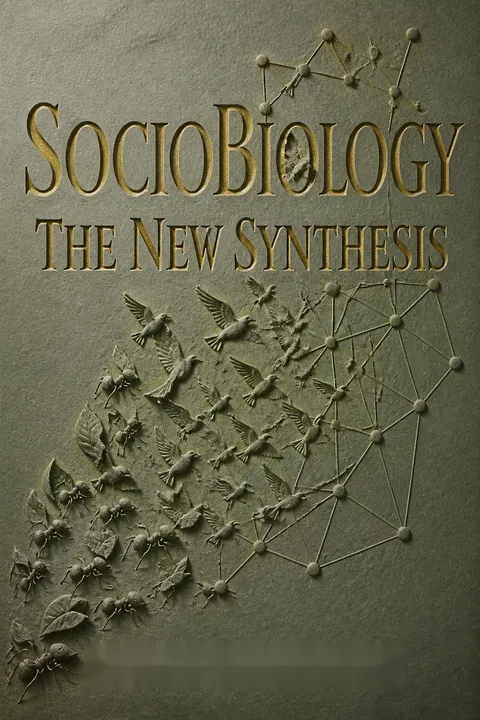

نکات کلیدی
1. زیستشناسی اجتماعی: پیوند زیستشناسی و رفتار اجتماعی
زیستشناسی اجتماعی بهعنوان مطالعهی سیستماتیک پایههای زیستی تمام رفتارهای اجتماعی تعریف میشود.
علمی یکپارچه. زیستشناسی اجتماعی بهدنبال ادغام علوم اجتماعی و انسانی با علوم طبیعی، بهویژه زیستشناسی تکاملی و ژنتیک جمعیت است. این علم فرض میکند که رفتارهای اجتماعی، مانند ویژگیهای فیزیکی، محصولات انتخاب طبیعی هستند و میتوان آنها را از طریق اصول نظریهی تکامل درک کرد.
از حشرات تا انسانها. هدف این است که یک چارچوب یکپارچه برای درک رفتار اجتماعی در تمام گونهها، از موریانهها تا شامپانزهها و انسانها توسعه یابد. این شامل شناسایی اصول مشترک و نظریههای کمی است که میتوانند سازماندهی و دینامیک جوامع متنوع را توضیح دهند.
فراتر از توصیف. زیستشناسی اجتماعی بهدنبال فراتر رفتن از توصیفهای تجربی صرف پدیدههای اجتماعی است تا توضیحات علّی را که ریشه در زیستشناسی تکاملی دارند، ارائه دهد. این علم بهدنبال درک این است که چگونه رفتارهای اجتماعی به بقا و تولیدمثل افراد و گروهها کمک میکند.
2. ویژگیهای نوظهور و کلنگری جوامع
ژنها، مانند مونادهای لایبنیتس، پنجرهای ندارند؛ ویژگیهای بالاتر زندگی نوظهور هستند.
فراتر از کاهشگرایی. در حالی که کاهشگرایی ابزاری ارزشمند است، برای درک سیستمهای پیچیدهای مانند جوامع کافی نیست. جوامع ویژگیهای نوظهوری را نشان میدهند که نمیتوان آنها را صرفاً از ویژگیهای موجودات فردی پیشبینی کرد.
رویکرد کلنگر. زیستشناسی اجتماعی یک رویکرد کلنگر را در آغوش میگیرد و به این نکته توجه دارد که کل بیشتر از مجموع اجزای آن است. این شامل مطالعهی تعاملات و روابط میان افراد در یک جامعه و همچنین ساختار جمعیتی و ژنتیکی آن است.
مدلهای کمی. کلنگری جدید از مدلهای ریاضی برای تحلیل ویژگیهای نوظهور استفاده میکند و فراتر از بازنگری فلسفی بهسوی آزمون اعتبار فرضیات و گسترش درک حرکت میکند. این امر امکان رویکردی دقیقتر و پیشبینیکنندهتر برای مطالعهی رفتار اجتماعی را فراهم میآورد.
3. اثر ضربکننده: تغییرات کوچک، تأثیرات اجتماعی بزرگ
یک تغییر کوچک تکاملی در الگوی رفتار افراد میتواند بهوسیلهی توزیع رو به بالا و گسترش اثر در جنبههای مختلف زندگی اجتماعی به یک اثر اجتماعی بزرگ تبدیل شود.
رفتار بهعنوان اهرم. رفتار اغلب بخش بسیار متغیر فنوتیپ یک موجود زنده است، به این معنی که میتواند بهراحتی در پاسخ به فشارهای محیطی تغییر کند. این امر رفتار را بهعنوان "ضربانساز تکاملی" معرفی میکند که تغییرات بعدی در مورفولوژی و فیزیولوژی را هدایت میکند.
تقویت اجتماعی. تغییرات کوچک در رفتار فردی میتوانند از طریق مکانیزمهای مختلف، مانند اجتماعی شدن و برنامهریزی پویا، به تأثیرات اجتماعی قابل توجهی تبدیل شوند. این بدان معناست که تأثیرات ژنتیکی یا محیطی بهظاهر جزئی میتوانند عواقب عمیقی برای سازماندهی اجتماعی داشته باشند.
نمونههایی از اثر ضربکننده:
- نگرش مالکانه میمونهای هیمادریاس نسبت به مادهها منجر به ساختارهای اجتماعی بسیار متفاوتی نسبت به میمونهای زیتونی میشود.
- معماری لانهی موریانهها، هرچند متنوع، ممکن است ناشی از تغییرات نسبتاً کوچک در رفتار ساختوساز فردی باشد.
- اجتماعی شدن در پریماتها تفاوتهای در خلق و خو و رتبه را تقویت میکند و ساختار اجتماعی کلی گروه را شکل میدهد.
4. جمعیتشناسی تطبیقی: جوامع شکلگرفته توسط ساختار جمعیتی
تمام جوامع واقعی جمعیتهای متمایز هستند.
جمعیتشناسی مهم است. توزیع سن و اندازهی یک جمعیت بهطور قابل توجهی بر رفتار اجتماعی و تناسب آن تأثیر میگذارد. نسبتهای مادههای بارور، نوزادان بیدفاع و سربازان باتجربه همگی به دینامیک کلی یک جامعه کمک میکنند.
فراتر از انتخاب فردی. در حالی که انتخاب فردی ویژگیهای موجودات را شکل میدهد، انتخاب گروهی میتواند بهطور مستقیم بر توزیعهای جمعیتی تأثیر بگذارد و نسبتهای کلاسهای مختلف را بهینهسازی کند تا بقا و تولیدمثل گروه را افزایش دهد.
جمعیتشناسی تطبیقی در مقابل غیرتطبیقی:
- جمعیتشناسی غیرتطبیقی: توزیع سنی اثر ثانویهای از انتخاب در سطح فردی است.
- جمعیتشناسی تطبیقی: توزیع سنی بهطور مستقیم توسط انتخاب طبیعی آزمایش میشود و به تناسب گروه کمک میکند.
جمعیتشناسی تطبیقی نیاز به تحلیلی کلنگر دارد تا درک کند چگونه رفتار و چرخههای زندگی افراد به سازماندهی و موفقیت کلی جامعه کمک میکند.
5. ابعاد متعدد اجتماعی: نگاهی چندوجهی
یک جامعه ... تجمیعی از افراد همنوع است که بهطور اجتماعی با یکدیگر ارتباط برقرار میکنند و در مرزهایی از ارتباطات کمتر متداول محدود شدهاند.
فراتر از تعاریف ساده. اجتماعی بودن یک پدیدهی پیچیده است که نمیتوان آن را با یک تعریف یا طبقهبندی واحد درک کرد. در عوض، بهترین درک از آن با در نظر گرفتن ابعاد یا ویژگیهای متعدد حاصل میشود.
ده ویژگی کلیدی اجتماعی بودن:
- اندازهی گروه
- توزیعهای جمعیتی
- انسجام
- مقدار و الگوی ارتباط
- نفوذپذیری
- تقسیمبندی
- تمایز نقشها
- یکپارچگی رفتار
- جریان اطلاعات
- درصد زمانی که به رفتار اجتماعی اختصاص داده میشود
این ویژگیها میتوانند اندازهگیری شوند و در مدلهای سیستمهای اجتماعی خاص گنجانده شوند و درک دقیقتر و جامعتری از سازمان اجتماعی فراهم کنند.
6. مقیاسگذاری رفتاری: سازگاری با شرایط متغیر
مقیاسگذاری رفتاری تغییر در شدت یا وضعیت کیفی یک رفتار است که با مراحل چرخهی زندگی، چگالی جمعیت یا برخی پارامترهای محیطی مرتبط است.
انعطافپذیری کلید است. سازمان اجتماعی یک ویژگی ثابت نیست، بلکه یک پاسخ پویا به شرایط محیطی متغیر است. این انعطافپذیری، که بهعنوان مقیاسگذاری رفتاری شناخته میشود، به جوامع اجازه میدهد تا با شرایط مختلف سازگار شوند.
پاسخهای وابسته به چگالی. چگالی جمعیت یک عامل اصلی در مقیاسگذاری رفتاری است. با افزایش چگالی، جوامع ممکن است از سرزمینی به سلسلهمراتب تسلط تغییر کنند یا تغییرات دیگری در رفتار تهاجمی نشان دهند.
تأثیرات محیطی. سایر عوامل محیطی، مانند در دسترس بودن غذا، ساختار زیستگاه و اندازهی گروه، نیز میتوانند تغییرات قوی در رفتار اجتماعی ایجاد کنند. این امر اهمیت درک زمینهی اکولوژیکی که در آن رفتار اجتماعی تکامل مییابد را نشان میدهد.
7. دوگانگیهای تکاملی: ناوبری ابهام در زیستشناسی اجتماعی
ژنها، مانند مونادهای لایبنیتس، پنجرهای ندارند؛ ویژگیهای بالاتر زندگی نوظهور هستند.
ویژگیهای تطبیقی در مقابل غیرتطبیقی. تطبیقپذیری یک ویژگی به محیط بستگی دارد. آنچه در یک زمینه مفید است، میتواند در زمینهای دیگر مضر باشد.
ویژگیهای تککاربردی در مقابل چندکاربردی. در حالی که ایدهآل این است که هر رفتار یک عملکرد واحد داشته باشد، درک ما اغلب منجر به این میشود که رفتارها بهعنوان خدمت به چندین هدف تعبیر شوند.
علتهای نهایی در مقابل علتهای نزدیک. زیستشناسی تکاملی بر علتهای نهایی (فشارهای محیطی) تمرکز دارد، در حالی که زیستشناسی عملکردی علتهای نزدیک (مکانیسمهای فیزیولوژیکی) را بررسی میکند. هر دو دیدگاه برای درک کامل ضروری هستند.
8. اینرسی فیلوژنتیک: محدودیتهای تاریخ تکاملی
اینرسی بالا به معنای مقاومت در برابر تغییر تکاملی و اینرسی پایین به معنای درجهی نسبتاً بالای تغییرپذیری است.
حرکت تکاملی. تاریخ تکاملی و ساختار ژنتیکی یک گونه میتواند توانایی آن را برای سازگاری با محیطهای جدید محدود کند. این "اینرسی فیلوژنتیک" میتواند دامنهی سازمانهای اجتماعی ممکن را محدود کند.
نمونههایی از اینرسی:
- شیوع یوز اجتماعی در حشرات بالدار بهدلیل هپلودیپلوئیدی.
- تمایل برخی بیمهرگان به تشکیل تجمعات از طریق جوانهزنی غیرجنسی.
- عدم وجود برخی پیشسازها در برخی گونهها که مانع از تکامل رفتارهای اجتماعی خاص میشود.
درک اینرسی فیلوژنتیک برای توضیح اینکه چرا برخی ویژگیهای اجتماعی در برخی گروههای موجودات بیشتر رایج است، ضروری است.
9. فشارهای اکولوژیکی: دست راهنمای محیط
فشارهای محیطی به سادگی مجموعهای از تمام تأثیرات محیطی، از جمله شرایط فیزیکی مانند دما و رطوبت و بخش زندهی محیط، شامل طعمه، شکارچیان و رقبای طبیعی است که عوامل انتخاب طبیعی را تشکیل میدهند و جهتگیری که یک گونه در آن تکامل مییابد را تعیین میکنند.
نیروهای محیطی. محیط تأثیر قدرتمندی بر تکامل اجتماعی دارد و رفتار و سازماندهی جوامع را شکل میدهد. این فشارهای اکولوژیکی شامل شرایط فیزیکی، در دسترس بودن طعمه، تهدیدات شکارچی و رقابت با سایر گونهها هستند.
پاسخهای تطبیقی. گونهها به چالشهای محیطی با تکامل رفتارهای اجتماعی که بقا و تولیدمثل آنها را افزایش میدهد، پاسخ میدهند. این سازگاریها میتوانند شامل دفاع گروهی، شکار همکاری و استفاده مؤثر از منابع باشند.
نمونههایی از فشارهای اکولوژیکی:
- دفاع در برابر شکارچیان: گروههای پرنده، تشکیلهای گاوهای موسک و صداهای هشدار.
- افزایش توانایی رقابتی: تهاجم، سرزمینی و کنترل منابع.
- افزایش کارایی تغذیه: شکار مشترک و تکنیکهای شکار تخصصی.
10. اخلاق ژن: نوعدوستی و انتخاب خویشاوندی
از منظر داروینی، موجود زنده برای خود زندگی نمیکند... بلکه ژنها را بازتولید میکند و بهعنوان حامل موقتی آنها عمل میکند.
نگاه از منظر ژن. از دیدگاه ژن، هدف بازتولید خود است، حتی اگر به قیمت قربانی کردن موجود زنده باشد. این دیدگاه به توضیح تکامل نوعدوستی کمک میکند که از منظر فردی بهنظر پارادوکسیکال میرسد.
انتخاب خویشاوندی. نوعدوستی میتواند تکامل یابد اگر ژنهای ایجادکنندهی آن بهدلیل نژاد مشترک بین دو موجود مشترک باشد. اگر یک عمل نوعدوستانه، سهم مشترک این ژنها را در نسل بعدی افزایش دهد، تمایل به نوعدوستی گسترش خواهد یافت، حتی اگر نوعدوست سهم کمتری بهعنوان یک فرد داشته باشد.
مسئلهی مرکزی. مسئلهی نظری مرکزی در زیستشناسی اجتماعی این است که چگونه نوعدوستی، که بهتعریف تناسب فردی را کاهش میدهد، میتواند بهوسیلهی انتخاب طبیعی تکامل یابد؟ پاسخ خویشاوندی است.
11. ارتباطات: بنیاد هماهنگی اجتماعی
زیستشناسی اجتماعی بهطور بنیادی مطالعهی وسایل ارتباطی است.
جوهر جامعه. ارتباطات چسبی است که جوامع را به هم متصل میکند و همکاری، هماهنگی و سازماندهی اجتماعی را ممکن میسازد. این عمل از سوی یک موجود زنده است که الگوی رفتار موجود زندهی دیگر را بهطور سازگار تغییر میدهد.
فراتر از زبان. ارتباطات شامل دامنهی وسیعی از سیگنالها، از نشانههای شیمیایی ساده تا صداها و نمایشهای بصری پیچیده است. کارایی یک سیستم ارتباطی میتواند با تعداد سیگنالها، مقدار اطلاعات در هر سیگنال و نرخ جریان اطلاعات اندازهگیری شود.
اهمیت جریان اطلاعات. اندازهی یک سیستم ارتباطی میتواند به سه روش اندازهگیری شود: تعداد کل سیگنالها، مقدار اطلاعات بهصورت بیت در هر سیگنال و نرخ جریان اطلاعات بهصورت بیت در ثانیه برای هر فرد و بهصورت بیت در ثانیه برای کل جامعه.
12. آیندهی زیستشناسی اجتماعی: همگرایی و خودشناسی
برای درک طبیعت انسانی بهطور عینی، برای کاوش آن بهعمق علمی و برای درک پیامدهای آن از طریق توضیحات علّی که از زیستشناسی به فرهنگ میرسد، نزدیک شدن به جام مقدس دانش و تحقق آرزوهای روشنگری خواهد بود.
نوید همگرایی. زیستشناسی اجتماعی چشمانداز وحدت علوم طبیعی، علوم اجتماعی و انسانی را از طریق درک مشترک از طبیعت انسانی ارائه میدهد. این پیوند مهم است زیرا چشمانداز توصیف دقیقتری از طبیعت انسانی را فراهم میکند که کلید خودشناسی است.
قوانین اپیژنتیکی. طبیعت انسانی صرفاً توسط ژنها یا فرهنگ تعیین نمیشود، بلکه نتیجهی تعامل هر دو است. قوانین اپیژنتیکی، منظمهای ارثی توسعهی ذهنی، توسعهی ذهنی را تحت تأثیر قرار میدهند اما نمیتوانند فرهنگ را از بین ببرند.
مسیر پیش رو. با پذیرش رویکردهای بینرشتهای و ادغام بینشهای علوم اعصاب شناختی، ژنتیک انسانی و زیستشناسی تکاملی، میتوانیم درک عمیقتری از خود و جایگاهمان در دنیای طبیعی بهدست آوریم.
خلاصه نقدها
کتاب زیستشناسی اجتماعی: سنتز جدید به خاطر رویکرد نوآورانهاش در مطالعه رفتار حیوانات و انسانها از منظر تکاملی، عمدتاً نقدهای مثبتی دریافت کرده است. خوانندگان به تحلیل جامع و دانش دایرهالمعارفی ویلسون اشاره میکنند، هرچند برخی آن را سنگین و قدیمی میدانند. کاربرد اصول زیستشناسی اجتماعی در انسانها جنجالهایی را به همراه داشت و منتقدان به تعیینگرایی ژنتیکی اعتراض کردند. با وجود انتقادات، بسیاری به اهمیت این کتاب در بنیانگذاری حوزه زیستشناسی اجتماعی و تأثیر آن بر تحقیقات بعدی در روانشناسی تکاملی اذعان دارند.
دیگران نیز خواندهاند










سؤالات متداول
What is Sociobiology: The New Synthesis by Edward O. Wilson about?
- Comprehensive study of social behavior: The book systematically explores the biological basis of social behavior across a wide range of species, from insects to humans, integrating genetics, ecology, ethology, and evolutionary biology.
- Introduction of sociobiology as a discipline: Wilson defines sociobiology as the systematic study of the biological basis of all social behavior, arguing that social traits are shaped by evolutionary forces just like physical traits.
- Focus on social insects and vertebrates: A significant portion details the social structures of ants, bees, wasps, termites, and vertebrates, drawing parallels and contrasts to human societies.
- Unification of disciplines: The work bridges biology, anthropology, and sociology, aiming to present a unified theory of social evolution and organization.
Why should I read Sociobiology: The New Synthesis by Edward O. Wilson?
- Foundational text in sociobiology: The book is considered a seminal work that established sociobiology as a scientific field, offering a thorough theoretical framework and extensive empirical data.
- Interdisciplinary insights: Wilson integrates concepts from genetics, ecology, ethology, and anthropology, making it valuable for readers interested in both biological and social sciences.
- Understanding human nature: The book extends its analysis to human societies, providing a biological perspective on human social structures, altruism, dominance, and cultural evolution.
- Guidance for future societies: Wilson discusses the implications of sociobiology for planning and understanding future human societies, emphasizing the importance of genetic and cultural evolution.
What are the key takeaways from Sociobiology: The New Synthesis by Edward O. Wilson?
- Biological roots of social behavior: Social behaviors, including altruism, dominance, and communication, have deep evolutionary and genetic foundations across species.
- Kin selection and inclusive fitness: Altruism is explained through kin selection theory, where genes promoting self-sacrifice can spread if they benefit related individuals.
- Complexity of social organization: The book details how division of labor, castes, and communication systems evolve to enhance group efficiency and survival.
- Human sociality as both biological and cultural: Wilson argues that human social behavior is shaped by both genetic predispositions and cultural learning, resulting in high behavioral plasticity.
What are the most important concepts and definitions introduced in Sociobiology: The New Synthesis by Edward O. Wilson?
- Sociobiology defined: The systematic study of the biological basis of all social behavior, integrating evolutionary biology, population genetics, and ecology.
- Society, sociality, and castes: Societies are groups of the same species organized cooperatively, with sociality measured by traits like group size, role differentiation, and information flow; castes are specialized roles, especially in insects.
- Altruism and kin selection: Altruism is behavior benefiting others at a cost to oneself, explained by kin selection and inclusive fitness.
- Communication and ritualization: Animal communication is analyzed through signal types, channels, and the process of ritualization, with information theory applied to measure signal efficiency.
How does Edward O. Wilson explain altruism and kin selection in Sociobiology: The New Synthesis?
- Gene-centered view: Organisms act as vehicles for genes, and altruistic behaviors can evolve if they increase the reproductive success of relatives sharing those genes.
- Kin selection theory: Altruism is favored when the genetic benefit to relatives outweighs the cost to the individual, formalized by Hamilton’s rule.
- Inclusive fitness: The concept includes both direct fitness (personal reproduction) and indirect fitness (helping relatives), providing a unifying explanation for self-sacrificial behaviors.
- Application to social insects: High genetic relatedness in haplodiploid insects like ants and bees facilitates the evolution of sterile worker castes and extreme altruism.
What is the role of communication and signaling in social behavior according to Sociobiology: The New Synthesis by Edward O. Wilson?
- Communication as social glue: Effective communication is essential for coordinating activities, maintaining hierarchies, and ensuring group cohesion in animal societies.
- Diverse communication modes: Wilson explores chemical, visual, auditory, tactile, and electrical signals, showing how species evolve specialized systems suited to their ecological needs.
- Ritualization and efficiency: Many signals evolve from functional behaviors through ritualization, becoming more stereotyped and efficient for social purposes.
- Information theory application: The book uses information theory to quantify the efficiency and complexity of animal communication, analyzing signal diversity and redundancy.
How does Sociobiology: The New Synthesis by Edward O. Wilson explain the evolution of social behavior in insects?
- Origin of insect sociality: Wilson traces the transition from solitary ancestors to complex eusocial societies, emphasizing the roles of genetic relatedness and ecological pressures.
- Caste differentiation and ergonomics: The evolution of distinct castes (workers, soldiers, queens) is explained as an adaptive division of labor, with colony efficiency driving caste evolution.
- Chemical communication: Pheromones are key mediators of social coordination, used for alarm, recruitment, and reproductive regulation in insect colonies.
- Multiple evolutionary routes: Eusociality in bees, ants, and termites has arisen independently through both parasocial and subsocial pathways, illustrating convergent evolution.
What are the main patterns of social evolution in vertebrates described by Edward O. Wilson in Sociobiology: The New Synthesis?
- Diversity of social systems: Vertebrates display a wide range of social organizations, from solitary living to complex group structures with dominance hierarchies and cooperative breeding.
- Ecological and evolutionary drivers: Factors like predation, resource distribution, and parental care shape the evolution of sociality in fish, amphibians, reptiles, birds, and mammals.
- Kin selection and cooperation: Helpers in bird and mammal societies often increase their inclusive fitness by aiding relatives, linking vertebrate sociality to sociobiological theory.
- Human uniqueness: Humans represent a pinnacle of social complexity, with language, culture, and flexible social structures distinguishing them from other vertebrates.
How does Edward O. Wilson address human social behavior and culture in Sociobiology: The New Synthesis?
- Biological basis of human behavior: Wilson argues that many human social behaviors, including kinship, altruism, and dominance, have evolutionary roots.
- Cultural evolution and plasticity: Human societies exhibit extreme variability and adaptability, with culture evolving alongside biology through learning, tradition, and socialization.
- Language and symbolic communication: The evolution of language is highlighted as a unique human trait, enabling complex social organization and cultural transmission.
- Ethics and morality: Wilson discusses human ethics and social conventions as products of both evolutionary and cultural processes, shaped by genetic predispositions and environmental influences.
What is the significance of dominance systems and aggression in animal societies according to Sociobiology: The New Synthesis by Edward O. Wilson?
- Dominance hierarchies: Social organizations where individuals have ranked status regulate access to resources and mating opportunities, reducing conflict and stabilizing groups.
- Aggression as a social tool: Aggression is analyzed for its proximate causes (hormonal, neurological) and ultimate evolutionary functions, often being ritualized to minimize injury.
- Hormonal regulation: Hormones like testosterone and adrenal corticoids modulate aggressive behavior, with dominance often correlating with physiological changes.
- Adaptive value and constraints: Dominance systems and aggression have adaptive value but are limited by ecological and evolutionary constraints, varying across species.
How does Sociobiology: The New Synthesis by Edward O. Wilson explain the evolution of mating systems and sexual selection?
- Diversity of mating systems: Wilson categorizes systems such as monogamy, polygyny, and lekking, explaining how ecological and social factors influence their evolution.
- Sexual selection mechanisms: Intrasexual competition and intersexual choice drive the evolution of sexual dimorphism and mating behaviors, including courtship displays and mate guarding.
- Parental investment theory: The parent investing more in offspring (usually females) influences mating systems, sexual conflict, and the evolution of secondary sexual characteristics.
- Human sexual behavior: The book extends sexual selection theory to humans, discussing the interplay of biological and cultural influences on mating patterns and parental care.
What are the best quotes from Sociobiology: The New Synthesis by Edward O. Wilson and what do they mean?
- On social evolution: “The insect societies are the most complex and highly organized animal societies known, and their study is essential to understanding social evolution.” This underscores the importance of social insects as models for sociobiology.
- On altruism: “Altruism is a behavior that benefits another individual at a cost to oneself, and its evolution is best explained by kin selection.” This encapsulates the genetic basis of self-sacrificial behavior.
- On communication: “Communication is the foundation of social organization, enabling individuals to coordinate and cooperate.” This highlights the central role of signaling in maintaining social systems.
- On human nature: “Human social behavior is deeply rooted in biology, yet profoundly shaped by culture and learning.” This reflects Wilson’s integrative approach to understanding human sociobiology.
درباره نویسنده








دانلود PDF
دانلود EPUB
.epub digital book format is ideal for reading ebooks on phones, tablets, and e-readers.








































