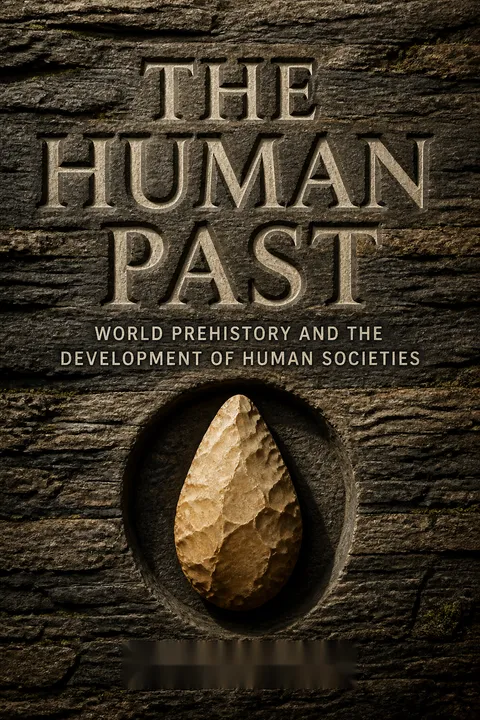

نکات کلیدی
1. باستانشناسی گذشتهی وسیع و متنوع انسان را روشن میسازد.
گذشتهی انسان بسیار طولانیتر، غنیتر و متنوعتر است و به حدود ۳ میلیون سال پیش برمیگردد، زمانی که اجداد اولیهی ما در دشتهای آفریقا ابزار میساختند.
فراتر از سوابق مکتوب. باستانشناسی بینشهایی را دربارهی گذشتهی انسان ارائه میدهد که سوابق مکتوب نمیتوانند، و درک ما را فراتر از اختراع نسبتاً جدید نوشتن گسترش میدهد. این علم به ما اجازه میدهد تا جوامع و افراد، چه با سواد و چه بیسواد، را مطالعه کنیم و تصویری کاملتر از تجربهی انسانی ارائه دهیم.
چشمانداز جهانی. باستانشناسی از نظر دامنه جهانی است و تنوع فرهنگها و جوامع انسانی در سرتاسر جهان را نمایان میسازد. این علم به ما کمک میکند تا درک کنیم انسانها چگونه به محیطها و شرایط اجتماعی مختلف، از مناطق گرمسیری تا قطب شمال، سازگار شدهاند.
درک تغییر. باستانشناسی مطالعهی تغییر است و مستند میسازد که چگونه جوامع انسانی در طول میلیونها سال تکامل یافتهاند. این علم به ما اجازه میدهد تا روندهای بلندمدت، مانند ریشههای کشاورزی، توسعهی شهرها و تأثیر تغییرات اقلیمی را بررسی کنیم و دیدگاه منحصر به فردی دربارهی داستان انسان ارائه دهیم.
2. تکامل انسانی داستانی از سازگاری و تغییر است.
مدل تکامل از طریق انتخاب طبیعی با پیشرفتهای ژنتیکی، از جمله آزمایشهای پرورش گیاهان گیاهشناس اتریشی، گرگور مندل، در دههی ۱۸۶۰ که نشان داد چگونه ویژگیهای خاص از والدین به فرزندان منتقل میشود، حمایت بیشتری یافت.
فرایندهای تکاملی. تکامل انسانی یک فرایند مداوم از سازگاری و تغییر است که توسط انتخاب طبیعی هدایت میشود. گونهها ثابت نیستند، بلکه به طور مداوم در پاسخ به فشارهای محیطی و شرایط اجتماعی در حال تکامل هستند.
تکامل همزمان آناتومیک و رفتاری. داستان انسان شامل تغییرات نه تنها در فناوری و جامعه، بلکه همچنین در تکامل فیزیکی گونهی انسانی است. توسعهی فرهنگ مادی، مانند ابزارهای سنگی، نقش حیاتی در شکلگیری آناتومی و رفتار انسانی ایفا کرده است.
رد نظریهی آفرینش. باستانشناسی شواهدی ارائه میدهد که با دیدگاههای آفرینشگرایانه در تضاد است و تغییرات مداوم مورفولوژیکی و رفتاری را که پیش از توسعهی انسانهای مدرن رخ داده، نشان میدهد. سوابق فسیلی تکامل انسانی به وضوح توسعهی انسانها را از اشکال انسانی اولیه و کهن نشان میدهد.
3. آفریقا مهد بشریت و استفاده از ابزار است.
پیشینهی جهانی قدرتی است که کل گذشتهی انسانی را مستند میسازد و به بازیگران سیاسی غالب، مانند دولتها و امپراتوریهای با سواد، با نمادشناسی غنی، قدرت نظامی و سوابق تاریخی محدود نمیشود.
ریشههای آفریقایی. داستان انسان در آفریقا آغاز میشود، جایی که نخستین هومنینها ظهور کردند و نخستین ابزارهای سنگی ساخته شدند. این موضوع دیدگاه یوروسنتریک را که فرهنگ انسانی در غرب اروپا آغاز شده، به چالش میکشد.
فرهنگ مادی. ایجاد ابزارهای سنگی یک گام حیاتی در تکامل انسانی است که به انسانهای اولیه اجازه میدهد تا با طیف وسیعی از محیطها سازگار شوند. فرهنگ مادی به انسانها این امکان را داده است که به سرتاسر جهان پراکنده شوند و جوامع پیچیدهای را توسعه دهند.
تأثیر جهانی. مطالعهی پیشینهی جهانی به ما اجازه میدهد تا الگوهای گذشتهی انسانی را با جزئیات بیشتری نسبت به هر زمان دیگری مشاهده کنیم. این مطالعه تنوع کامل فرهنگ و جامعهی انسانی را نشان میدهد و نشان میدهد که چگونه انسانها تغییر کرده و سازگار شدهاند.
4. هومنینهای اولیه از طریق رژیم غذایی و ساختارهای اجتماعی سازگار شدند.
چشمانداز وسیع پیشینه، دیدگاهی بلندمدت از تعامل انسان با محیط را ارائه میدهد و به ما اجازه میدهد تا سوالات کلیدی دربارهی ریشههای کشاورزی، توسعهی شهرها و پدیدههای مختلفی که بهطور مستقل در نقاط مختلف جهان ظهور کردهاند، مطرح کنیم.
سازگاریهای غذایی. هومنینهای اولیه با تغییرات در رژیم غذایی خود به محیطهای خود سازگار شدند، از جمله بهرهبرداری از منابع غذایی جدید و توسعهی ابزارهایی برای پردازش غذا. تغییر به رژیم غذایی بیشتر همهچیزخوار، شامل گوشت و مغز، ممکن است گام حیاتی در گسترش مغز بوده باشد.
سازمان اجتماعی. توسعهی ساختارهای اجتماعی، مانند گروهها، قبایل، سرپرستیها و دولتها، منعکسکنندهی پیچیدگی فزایندهی جوامع انسانی است. این ساختارها در پاسخ به عواملی مانند رشد جمعیت، تغییرات محیطی و رقابت برای منابع تکامل یافتهاند.
اکولوژی فرهنگی. مفهوم اکولوژی فرهنگی به ما کمک میکند تا درک کنیم چگونه جوامع انسانی به محیطهای خود سازگار شدهاند. با مطالعهی رابطهی بین انسانها و محیطشان، میتوانیم بینشهایی دربارهی علل و پیامدهای تغییرات اجتماعی و فرهنگی به دست آوریم.
5. ابزارهای اولدوان رفتار هومنینهای اولیه را منعکس میکند.
وابستگی به فرهنگ مادی، به ابزارها، بهطور خاص انسانی است و به انسانها مزیت قابل توجهی در سازگاری با طیف وسیعی از محیطها داده است.
فناوری ساده. ابزارهای اولدوان، که با اشکال هستهای ساده و لبههای تیز مشخص میشوند، نمایانگر نخستین فناوری شناختهشدهی ابزار سنگی هستند. این ابزارها برای انجام وظایف مختلفی، از جمله لاشهخواری، پردازش گیاهان و کار با چوب استفاده میشدند.
مزیت سازگاری. توسعهی ابزارهای اولدوان به هومنینهای اولیه مزیت قابل توجهی در سازگاری با محیطهای مختلف داد. این ابزارها به آنها اجازه میداد تا به منابع غذایی جدید دسترسی پیدا کنند و منابع را بهطور مؤثرتری پردازش کنند.
استنباطهای رفتاری. با مطالعهی ابزارهای اولدوان، میتوانیم بینشهایی دربارهی رفتار هومنینهای اولیه به دست آوریم، از جمله سازمان اجتماعی، رژیم غذایی و فناوری آنها. این ابزارها شواهدی برای توسعهی تواناییهای شناختی انسانی و ظرفیت انتقال فرهنگی فراهم میکنند.
6. پراکندگی از آفریقا مرحلهای جدید از سازگاری را نشان میدهد.
گسترش اولیهی هومو ارگاستر از آفریقا نمایانگر مرحلهای جدید در تکامل انسانی است.
گسترش جغرافیایی. پراکندگی هومو ارگاستر از آفریقا نمایانگر مرحلهای جدید در تکامل انسانی است، زیرا انسانهای اولیه برای بقا در محیطهای کمتر مهماننواز سازگار شدند. این گسترش با توسعهی فناوریها و ساختارهای اجتماعی جدید ممکن شد.
تغییرات تکاملی. استعمار اوراسیا منجر به توسعهی گونههای جدید هومنین، از جمله هومو ارکتوس در شرق آسیا و هومو نئاندرتالنسس در اروپا شد. این گونهها به شرایط محلی سازگار شدند و سنتهای فرهنگی و فناوری منحصر به فرد خود را توسعه دادند.
اقلیم و سازگاری. تغییرات اقلیمی و محیطی همواره پسزمینهای ثابت برای توسعهی انسانها و جامعهی انسانی در طول ۳ میلیون سال گذشته بوده است و چالشها و فرصتهایی را فراهم کرده است. توانایی سازگاری با شرایط به سرعت در حال تغییر کلید بقای انسان و موفقیت آن بوده است.
7. روشهای تاریخگذاری برای درک پیشینه ضروری هستند.
ساخت یک چارچوب زمانی قابل اعتماد، جزء اساسی در ایجاد دانش مطمئن از اجداد انسانی و فرهنگ مادی آنها بوده است.
تاریخگذاری نسبی. اصولی مانند لایهبندی و ارتباط به باستانشناسان این امکان را میدهد که زمانبندیهای نسبی را تعیین کنند و رویدادها و آثار باستانی را به ترتیب مرتب کنند. این روشها برای درک روابط بین سایتها و فرهنگهای مختلف ضروری هستند.
تاریخگذاری مطلق. روشهای رادیومتریک، مانند تاریخگذاری کربن-۱۴ و پتاسیم-آرگون، سنهای عددی برای بقایای باستانشناسی فراهم میکنند. این تکنیکها درک ما از گذشتهی انسانی را متحول کرده و به ما اجازه میدهند تا یک زمانبندی جهانی واقعی بسازیم.
تکنیکهای علمی. مجموعهای از تکنیکهای علمی، از جمله تاریخگذاری لومینسانس، تاریخگذاری سری اورانیوم و تاریخگذاری رزونانس الکترونی، برای تاریخگذاری بقایای باستانشناسی و بازسازی محیطهای باستانی استفاده میشود. این روشها بینشهای ارزشمندی دربارهی زمان و سرعت تکامل انسانی و تغییرات فرهنگی فراهم میکنند.
8. اکولوژی فرهنگی و نظریهی عاملیت تغییرات اجتماعی را توضیح میدهند.
اکولوژی فرهنگی میتواند ابزاری قدرتمند برای تفسیر شیوههای اجتماعی، الگوهای سکونت و تغییرات فرهنگی باشد.
اکولوژی فرهنگی. این رویکرد بر نقش محیط در شکلدهی به فرهنگ و جامعهی انسانی تأکید میکند. این رویکرد بر این تمرکز دارد که جوامع چگونه به چالشها و فرصتهای محیطی خود سازگار میشوند و چگونه این سازگاریها منجر به تغییرات اجتماعی و فرهنگی میشود.
نظریهی عاملیت. این رویکرد افراد در گذشته را بهعنوان بازیگران آگاه در نظر میگیرد که قادر به ایجاد تغییر و دستیابی به اهداف خاص هستند. این نظریه بر نقش افراد در شکلدهی به جوامع و فرهنگهای خود تأکید میکند.
رویکردهای مکمل. اکولوژی فرهنگی و نظریهی عاملیت رویکردهای مکملی برای درک پیشینه هستند. اولی در سطح کل جوامع که در طول زمان تغییر میکنند عمل میکند، در حالی که دومی در سطح جوامع فردی در یک عمر یا در طول چند نسل عمل میکند.
خلاصه نقدها
خوانندگان کتاب گذشته انسانی آن را جامع اما گاهی طاقتفرسا میدانند. بسیاری از آنها عمق و پوشش جهانی این کتاب را ستایش کرده و آن را برای دانشجویان و علاقهمندان به باستانشناسی بینظیر میخوانند. برخی اشاره میکنند که این کتاب بیشتر به عنوان یک مرجع مناسب است تا یک مقدمه. انتقادات شامل بار اطلاعاتی زیاد، حجم فیزیکی نامناسب و اشتباهات گرامری میشود. با وجود این مشکلات، بیشتر منتقدان از محتوای گسترده و کاربردی کتاب در دورههای مختلف باستانشناسی قدردانی میکنند. برخی از خوانندگان آن را به طرز غیرمنتظرهای جذاب یافتند، در حالی که دیگران با چگالی و دانش پیشزمینهای که فرض شده بود، دچار مشکل شدند.
دیگران نیز خواندهاند









سؤالات متداول
1. What is The Human Past: World Prehistory and the Development of Human Societies by Chris Scarre about?
- Comprehensive world prehistory: The book offers a detailed survey of human history from the earliest hominins in Africa to the rise of complex societies and empires across all continents.
- Interdisciplinary approach: It integrates archaeological evidence with genetics, paleoenvironmental data, and cultural studies to provide a holistic understanding of humanity’s development.
- Global and thematic coverage: The text spans Africa, Europe, Asia, the Americas, and Oceania, discussing major cultural phases such as the Paleolithic, Neolithic, Bronze Age, and Iron Age.
- Focus on change and adaptation: The book emphasizes how humans adapted to environmental, social, and technological changes over millions of years.
2. Why should I read The Human Past by Chris Scarre?
- Authoritative and accessible: Written by a leading archaeologist, the book synthesizes vast archaeological data with clarity, making it suitable for both students and general readers.
- Broad yet detailed coverage: Readers gain insights into key archaeological sites, cultural transitions, and theoretical frameworks that shaped human history.
- Understanding human origins: The book helps readers appreciate the complexity of human evolution, the origins of agriculture, urbanism, and state formation.
- Contemporary relevance: It addresses issues like climate change, cultural heritage, and the relevance of archaeology to understanding present-day challenges.
3. What are the key takeaways from The Human Past by Chris Scarre?
- Long-term human perspective: The book highlights the importance of viewing human history as a continuous process shaped by both biological and cultural factors.
- Diversity of human adaptation: It shows how societies developed unique solutions to environmental and social challenges, leading to a mosaic of cultures worldwide.
- Interplay of environment and society: The text emphasizes how climate change, resource management, and technological innovation drove societal transformations.
- Complexity and continuity: Readers learn about the rise and fall of civilizations, the persistence of cultural traditions, and the ongoing impact of the past on the present.
4. What are the main stages of human evolution and dispersal covered in The Human Past by Chris Scarre?
- Early hominins and tool use: The book discusses the rise of the earliest hominins in Africa, the development of Oldowan and Acheulean tool industries, and the emergence of Homo erectus and Homo heidelbergensis.
- Modern humans and migrations: It covers the origin of Homo sapiens in Africa, their dispersal into Eurasia, interactions with Neanderthals, and colonization of Australia and the Americas.
- Cultural developments: The transition from Middle to Upper Paleolithic, emergence of symbolic behavior, and the spread of food-producing economies are key evolutionary milestones.
5. How does The Human Past by Chris Scarre explain the origins and spread of agriculture?
- Environmental and social factors: The book situates the origins of agriculture within post-glacial environmental changes and human adaptations, discussing hypotheses like the "Hilly Flanks" model.
- Multiple independent centers: It examines independent centers of domestication in Southwest Asia, East Asia, the Americas, and Africa, highlighting varied pathways to food production.
- Consequences of agriculture: Farming led to population growth, social stratification, urbanism, and state formation, but also brought challenges like environmental degradation and social inequality.
- Spread mechanisms: The text details how agriculture spread through both the adoption by local hunter-gatherers and the migration of farming populations.
6. What are the defining features of early complex societies and states in The Human Past by Chris Scarre?
- Urbanism and hierarchy: The book describes the emergence of cities, monumental architecture, and centralized political authority in regions like Mesopotamia, the Indus Valley, Mesoamerica, and the Andes.
- Economic specialization and trade: Craft production, long-distance exchange networks, and the role of luxury goods in social differentiation are emphasized.
- Warfare and ideology: The impact of conflict, religious institutions, and ideology in legitimizing power and shaping state structures is explored.
- Writing and administration: The development of writing systems for administration, ritual, and propaganda is highlighted as a key feature of early states.
7. How does The Human Past by Chris Scarre address the development and diversity of agricultural societies worldwide?
- Multiple independent origins: Agriculture arose independently in at least seven regions, including Southwest Asia, East Asia, New Guinea, sub-Saharan Africa, and the Americas.
- Complex causes and processes: The book discusses environmental change, demographic pressure, social competition, and co-evolutionary relationships as drivers of agricultural origins.
- Spread and adaptation: Farming spread through both cultural adoption and population movement, often leading to the replacement or absorption of hunter-gatherers.
- Social and cultural consequences: The shift to agriculture led to sedentism, population growth, social complexity, and new forms of material culture and ritual.
8. What archaeological methods and scientific techniques are emphasized in The Human Past by Chris Scarre?
- Dating techniques: The book explains radiocarbon, dendrochronology, luminescence, potassium-argon, and other methods for establishing chronologies.
- Paleoenvironmental reconstruction: Techniques like oxygen isotope analysis, pollen studies, and paleomagnetism help reconstruct ancient climates and habitats.
- Artifact and site analysis: Experimental archaeology, microwear analysis, and GIS are used to infer tool use, site formation, and past human behavior.
- Theoretical frameworks: Processual and postprocessual archaeology, agency theory, and ethnoarchaeology are discussed for interpreting archaeological data.
9. How does The Human Past by Chris Scarre explain the rise and fall of major civilizations such as the Indus, Mesopotamian, and Andean states?
- Urban planning and infrastructure: Civilizations like the Indus and Mesopotamia are characterized by planned cities, monumental architecture, and advanced infrastructure.
- Trade and craft specialization: Extensive trade networks and specialized production supported economic complexity and urban life.
- Social and political organization: The book explores debates about social hierarchy, political centralization, and the role of elites in these societies.
- Collapse and transformation: Environmental change, internal conflict, and shifting trade networks are discussed as factors in the decline and transformation of major civilizations.
10. What are the key regional case studies and cultural trajectories highlighted in The Human Past by Chris Scarre?
- Africa: Olduvai Gorge, Blombos Cave, and Great Zimbabwe illustrate human origins and complex societies.
- Eurasia: Sites like Çatalhöyük, Jericho, Mycenae, and Uruk represent key urban and cultural centers, with detailed coverage of the Indus Civilization and Chinese Neolithic cultures.
- Americas and Oceania: Cahokia, Teotihuacán, Machu Picchu, and Easter Island showcase diverse developments, including the Austronesian expansion and Pacific island cultures.
- North America: The book covers the rise and fall of Chacoan society, the Ancestral Puebloans, and the complex societies of the Pacific Northwest and Great Plains.
11. How does The Human Past by Chris Scarre address the impact of climate change and environmental factors on human societies?
- Pleistocene and Holocene transitions: The book examines how glacial cycles influenced human evolution, migrations, and adaptations, focusing on events like the Younger Dryas and Holocene climatic shifts.
- Agricultural origins and stress: Climate variability affected the rise of farming, settlement patterns, and societal resilience, with droughts and floods shaping historical trajectories.
- Environmental degradation: The text discusses how agricultural intensification sometimes led to soil salination, erosion, and resource depletion, challenging long-term sustainability.
- Modern implications: Past climate events are connected to contemporary concerns about environmental change and cultural heritage preservation.
12. What are the best quotes from The Human Past by Chris Scarre and what do they mean?
- “Humans in long-term perspective”: Emphasizes the importance of viewing human history as a continuous process shaped by both biological and cultural factors over millennia.
- “The relevance of world archaeology”: Highlights how studying the past informs our understanding of present human diversity and challenges.
- “Tracking the Uruk in the Near East”: Reflects the significance of tracing early urbanism and state formation as foundational to civilization.
- “Beyond the Younger Dryas”: Underscores the role of environmental disasters in shaping human responses and societal transformations.
- “Archaeologies of colonialism”: Points to the complex dynamics of cultural contact, power, and resistance in ancient societies, encapsulating the book’s themes of continuity, adaptation, and the interplay between environment, culture, and history.
دانلود PDF
دانلود EPUB
.epub digital book format is ideal for reading ebooks on phones, tablets, and e-readers.








































