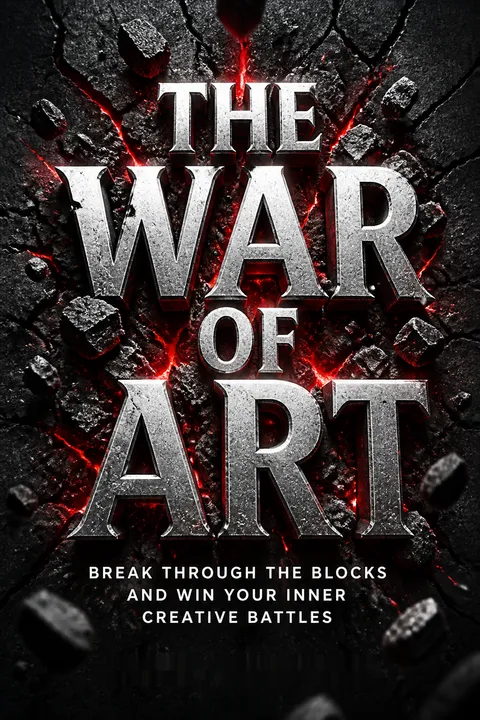

نکات کلیدی
1. مقاومت دشمن خلاقیت و رشد شخصی است
مقاومت سمیترین نیروی روی زمین است. این ریشهی نارضایتی بیشتری نسبت به فقر، بیماری و ناتوانی جنسی است.
تعریف مقاومت: مقاومت نیرویی نامرئی و درونی است که در برابر تلاشهای خلاقانه و رشد شخصی مقاومت میکند. این به صورتهای زیر ظاهر میشود:
- تعلل
- شک به خود
- ترس
- توجیه
- اعتیاد
- خودتخریبی
غلبه بر مقاومت: برای مقابله با مقاومت:
- آن را به عنوان نیرویی جهانی بشناسید، نه یک شکست شخصی
- درک کنید که هرچه پروژه مهمتر باشد، مقاومت قویتر خواهد بود
- متعهد شوید که هر روز کار را انجام دهید، بدون توجه به احساسات
- بر فرآیند تمرکز کنید، نه نتیجه
2. حرفهای شدن کلید غلبه بر مقاومت است
لحظهای که یک هنرمند حرفهای میشود به اندازه تولد اولین فرزندش مهم است. با یک حرکت، همه چیز تغییر میکند.
ویژگیهای یک حرفهای:
- هر روز حاضر میشود، بدون توجه به شرایط
- برای مدت طولانی متعهد میشود
- برای کار خود دستمزد میپذیرد
- با کار خود بیش از حد همذاتپنداری نمیکند
- تکنیکهای حرفه را به خوبی میشناسد
- نسبت به کار خود حس شوخطبعی دارد
آماتور در مقابل حرفهای: آماتورها اجازه میدهند مقاومت آنها را شکست دهد، در حالی که حرفهایها از آن عبور میکنند. حرفهایها درک میکنند که ترس و شک به خود بخشی از فرآیند است، نه دلیلی برای ترک. آنها بر اقدام مداوم تمرکز میکنند نه انتظار برای الهام یا شرایط کامل.
3. ترس نشانهای از اهمیت است و باید با آن روبرو شد
آیا از ترس فلج شدهاید؟ این نشانه خوبی است. ترس خوب است. مانند شک به خود، ترس یک شاخص است. ترس به ما میگوید چه کاری باید انجام دهیم.
درک ترس: ترس اغلب نشاندهنده:
- اهمیت یک پروژه یا هدف
- فرصتی برای رشد و یادگیری
- پتانسیل تغییر یا تأثیر قابل توجه
روبرو شدن با ترس: برای غلبه بر ترس:
- آن را به عنوان بخشی طبیعی از فرآیند خلاقانه بشناسید
- از آن به عنوان قطبنما برای هدایت به سمت کارهای مهم استفاده کنید
- با وجود احساس ترس اقدام کنید
- درک کنید که شجاعت نبود ترس نیست، بلکه اقدام در مواجهه با آن است
4. حرفهایگری نیازمند انضباط، تعهد و صبر است
حرفهای بهتر یاد گرفته است. او به مقاومت احترام میگذارد. او میداند اگر امروز تسلیم شود، هر چقدر هم که بهانه موجه باشد، فردا دو برابر احتمال دارد که تسلیم شود.
توسعه حرفهایگری:
- یک روال کاری منظم ایجاد کنید
- مرزهای واضحی بین کار و زندگی شخصی تعیین کنید
- بر اهداف بلندمدت تمرکز کنید نه لذتهای کوتاهمدت
- صبر و پایداری را پرورش دهید
- مهارتها و دانش خود را به طور مداوم بهبود دهید
مزایای حرفهایگری:
- افزایش بهرهوری
- مقاومت بیشتر در برابر شکستها
- بهبود کیفیت کار
- افزایش اعتبار و شهرت
5. خود واقعی فراخوان و سرنوشت حقیقی ماست
وظیفه ما در این زندگی این نیست که خود را به شکلی ایدهآل که تصور میکنیم باید باشیم شکل دهیم، بلکه باید بفهمیم که چه کسی هستیم و به آن تبدیل شویم.
کشف خود واقعی:
- به علایق کودکی و تمایلات طبیعی توجه کنید
- به فعالیتهایی که شادی و جریان را به ارمغان میآورند توجه کنید
- در نظر بگیرید که اگر پول مسئلهای نبود چه کاری انجام میدادید
- ارزشها و باورهای اصلی خود را شناسایی کنید
زندگی به صورت واقعی:
- انتخابهای شغلی و زندگی را با خود واقعی خود هماهنگ کنید
- در برابر فشار اجتماعی برای تطابق با انتظارات دیگران مقاومت کنید
- استعدادها و دیدگاههای منحصر به فرد خود را بپذیرید
- صدای واقعی خود را به طور مداوم تصفیه و بیان کنید
6. الهام از قلمرو بالاتر یا ذهن ناخودآگاه میآید
وقتی هر روز مینشینیم و کار خود را انجام میدهیم، قدرتی در اطراف ما متمرکز میشود. الهه به تعهد ما توجه میکند. او تأیید میکند. ما در نظر او لطف کسب کردهایم.
منابع الهام:
- ذهن ناخودآگاه
- قلمرو معنوی بالاتر
- آگاهی جمعی انسانی
- تجربیات و خاطرات شخصی
پرورش الهام:
- یک تمرین خلاقانه منظم ایجاد کنید
- فضایی برای تنهایی و تأمل ایجاد کنید
- خود را در معرض ایدهها و تجربیات متنوع قرار دهید
- به فرآیند خلاقانه اعتماد کنید، حتی زمانی که الهام به نظر میرسد گریزان است
7. خود، نه نفس، منبع خلاقیت و رشد است
خود میخواهد خلق کند، تکامل یابد. نفس چیزها را همانطور که هستند دوست دارد.
خود در مقابل نفس:
- خود: متصل به الهی، به دنبال رشد و تکامل
- نفس: متمرکز بر وجود مادی، در برابر تغییر مقاومت میکند
دسترسی به خود:
- تمرین مدیتیشن یا ذهنآگاهی کنید
- در فعالیتهای خلاقانه شرکت کنید
- به دنبال تجربیاتی باشید که آگاهی را گسترش میدهند
- خودآگاهی و دروننگری را پرورش دهید
8. موفقیت اغلب به معنای ترک مناطق راحتی و تعلقات قبیلهای است
ما از کشف اینکه بیش از آنچه فکر میکنیم هستیم میترسیم. بیش از آنچه والدین/فرزندان/معلمان ما فکر میکنند هستیم. ما میترسیم که واقعاً استعدادی را که صدای کوچک و آرام ما به ما میگوید داشته باشیم.
پذیرش رشد:
- درک کنید که تکامل شخصی ممکن است برخی افراد را از شما دور کند
- آماده باشید که هویتها و روابط قدیمی را پشت سر بگذارید
- به دنبال جوامع جدیدی باشید که از رشد شما حمایت کنند
- اعتماد کنید که ارتباطات واقعی جایگزین آنهایی خواهند شد که از دست رفتهاند
غلبه بر ترس از موفقیت:
- ترس از ترک قلمرو آشنا را بپذیرید
- درک کنید که رشد اغلب نیازمند ناراحتی است
- بر مزایای بالقوه موفقیت تمرکز کنید
- یک سیستم پشتیبانی ایجاد کنید که تکامل شما را تشویق کند
9. هنرمندان باید بر حرفه خود تمرکز کنند و فرآیند خلاقانه را از رمز و راز خارج کنند
حرفهای کار خود را به عنوان حرفه میبیند، نه هنر. نه به این دلیل که معتقد است هنر فاقد بعدی عرفانی است. برعکس. او درک میکند که همه تلاشهای خلاقانه مقدس است، اما بر آن تمرکز نمیکند.
از رمز و راز خارج کردن خلاقیت:
- بر توسعه مهارتهای فنی تمرکز کنید
- یک روال کاری منظم ایجاد کنید
- پروژهها را به وظایف قابل مدیریت تقسیم کنید
- تکنیکهای هنرمندان موفق در زمینه خود را مطالعه کنید
تعادل بین حرفه و الهام:
- به جنبههای مرموز خلاقیت احترام بگذارید
- فضایی برای کار منظم و الهام خودجوش ایجاد کنید
- درک کنید که تسلط بر حرفه آزادی خلاقانه را افزایش میدهد
- اعتماد کنید که تلاش مداوم به پیشرفتها منجر خواهد شد
10. فراخواندن الهه میتواند در تلاشهای خلاقانه کمک کند
آیا تا به حال زمانی را در سانتافه گذراندهاید؟ در آنجا یک زیر فرهنگ "شفا" وجود دارد. ایده این است که چیزی درمانی در جو وجود دارد. مکانی امن برای رفتن و جمع کردن خود.
مفهوم الهه:
- تجسم الهام و خلاقیت
- ارتباط با قلمرو بالاتر یا ناخودآگاه جمعی
- راهی برای بیرونیسازی و احترام به فرآیند خلاقانه
فراخواندن الهه:
- یک آیین شخصی برای شروع کار خلاقانه ایجاد کنید
- فضایی اختصاصی برای هنر خود ایجاد کنید
- از مدیتیشن یا تجسم برای ارتباط با الهام استفاده کنید
- نگرشی از باز بودن و پذیرش ایدهها را پرورش دهید
خلاصه نقدها
کتاب جنگ هنر نقدهای متفاوتی دریافت میکند. برخی آن را به عنوان یک انگیزهبخش برای غلبه بر موانع خلاقانه تحسین میکنند و مشاورههای عملی در زمینهی انضباط و حرفهایگری ارائه میدهد. دیگران آن را به دلیل محتوای تکراری، ادعاهای بیپایه و مشاورههای بالقوه مضر مورد انتقاد قرار میدهند. بسیاری از خوانندگان دو بخش اول را بصیرتآمیز میدانند اما از بخش سوم معنوی آن خوششان نمیآید. خوانندگان از صداقت و سبک نوشتاری مختصر پرسفیلد قدردانی میکنند، اگرچه برخی لحن او را قضاوتگرانه میدانند. پیام مرکزی کتاب دربارهی غلبه بر "مقاومت" با بسیاری از خلاقان همصدا میشود، با وجود جنبههای بحثبرانگیز آن.
دیگران نیز خواندهاند
سؤالات متداول
What's "The War of Art" about?
- Author's Focus: "The War of Art" by Steven Pressfield is about overcoming the internal barriers that prevent creative individuals from achieving their goals.
- Central Theme: The book identifies "Resistance" as the primary enemy of creativity, which manifests as procrastination, self-doubt, and fear.
- Structure: It is divided into three parts: "Defining the Enemy," "Combating Resistance," and "Beyond Resistance," each offering insights and strategies to conquer creative blocks.
- Purpose: The book aims to inspire and guide artists, writers, and entrepreneurs to push through their internal struggles and realize their creative potential.
Why should I read "The War of Art"?
- Practical Advice: It provides actionable strategies for overcoming procrastination and self-doubt, common issues faced by creatives.
- Inspiration: The book is motivational, encouraging readers to pursue their true calling and not succumb to fear or societal pressures.
- Insightful Concepts: It introduces the concept of "Resistance" as a universal force that hinders creativity, offering a new perspective on personal struggles.
- Empowerment: Reading it can empower you to take control of your creative process and commit to your work with a professional mindset.
What are the key takeaways of "The War of Art"?
- Resistance as the Enemy: Recognize that Resistance is a natural force that opposes creative endeavors and must be confronted daily.
- Turning Pro: Adopt a professional attitude towards your creative work, showing up consistently and treating it with seriousness and dedication.
- Inspiration and the Muse: Understand that inspiration often comes after you start working, not before, and that invoking the Muse can help in the creative process.
- Territorial vs. Hierarchical Thinking: Focus on your work for its own sake (territorial) rather than for external validation (hierarchical).
How does Steven Pressfield define "Resistance"?
- Universal Force: Resistance is described as a destructive force within human nature that opposes any act that might lead to personal growth or creativity.
- Manifestations: It can appear as procrastination, self-doubt, fear, rationalization, and other forms of self-sabotage.
- Internal Origin: Resistance is self-generated and arises from within, often disguised as legitimate reasons not to pursue creative work.
- Impersonal Nature: It is not out to get you personally; it is a natural force that acts objectively, like gravity.
What is the "Turning Pro" concept in "The War of Art"?
- Professional Mindset: Turning Pro means adopting a professional attitude towards your creative work, treating it as a vocation rather than a hobby.
- Commitment: It involves showing up every day, regardless of circumstances, and dedicating yourself fully to your craft.
- Discipline and Routine: Professionals work through fear and Resistance by establishing routines and maintaining discipline.
- Focus on Mastery: The professional focuses on mastering the craft, understanding that success is a by-product of consistent effort.
What role does "Inspiration" play in "The War of Art"?
- Result of Work: Inspiration is seen as a result of consistent work rather than a prerequisite for starting.
- Invocation of the Muse: Pressfield suggests invoking the Muse, a metaphor for divine inspiration, to aid in the creative process.
- Concentration of Power: When you sit down to work, power concentrates around you, attracting ideas and insights.
- Higher Realm: Inspiration is linked to a higher realm, suggesting that creativity is a divine or spiritual process.
How does "The War of Art" address procrastination?
- Common Manifestation: Procrastination is identified as the most common form of Resistance, often rationalized as harmless.
- Habitual Nature: It can become a habit, leading to a lifetime of unfulfilled potential and regret.
- Immediate Action: The book emphasizes the power of starting immediately, as every moment holds the potential to change your life.
- Overcoming Procrastination: The key is to recognize it as Resistance and to act in spite of it, committing to your work daily.
What are the best quotes from "The War of Art" and what do they mean?
- "Resistance is the most toxic force on the planet." This highlights the destructive power of Resistance in preventing individuals from achieving their potential.
- "The more important a call or action is to our soul’s evolution, the more Resistance we will feel toward pursuing it." This suggests that the level of Resistance is directly proportional to the importance of the task.
- "The professional loves it so much he dedicates his life to it." This emphasizes the commitment and dedication required to overcome Resistance and succeed in creative endeavors.
- "When we sit down each day and do our work, power concentrates around us." This illustrates the idea that consistent effort attracts inspiration and creative energy.
How does "The War of Art" differentiate between "Territory" and "Hierarchy"?
- Territorial Orientation: Working territorially means focusing on your work for its own sake, deriving satisfaction from the act itself.
- Hierarchical Orientation: Working hierarchically involves seeking external validation and defining success by others' opinions.
- Sustenance from Territory: A territory provides sustenance and fulfillment without external input, while hierarchy can lead to insecurity and dependence on others.
- Creative Focus: The book advocates for a territorial approach, encouraging artists to concentrate on their craft rather than external recognition.
What is the significance of "The Higher Realm" in "The War of Art"?
- Source of Inspiration: The Higher Realm is where inspiration and creativity originate, a place beyond the material world.
- Divine Assistance: Pressfield suggests that unseen forces, like muses or angels, support and sustain creative efforts.
- Connection to the Self: The Higher Realm is linked to the Self, the part of us that is connected to the divine and seeks to create.
- Spiritual Dimension: Creativity is portrayed as a spiritual journey, with the Higher Realm providing guidance and insight.
How does "The War of Art" suggest dealing with fear?
- Fear as an Indicator: Fear is seen as a sign of what we must do, indicating the importance of the task to our soul's growth.
- Direct Proportion: The more fear we feel, the more significant the task is to our personal evolution.
- Acting Despite Fear: The book encourages acting in the face of fear, understanding that it is a natural part of the creative process.
- Fear of Success: It also addresses the fear of success, which can be as paralyzing as the fear of failure, urging readers to embrace their potential.
What is the role of "Self" and "Ego" in "The War of Art"?
- Ego's Beliefs: The Ego is concerned with material existence, self-preservation, and external validation, often hindering creative efforts.
- Self's Connection: The Self is connected to the divine, seeking growth, creativity, and unity with others.
- Conflict: The Ego and the Self are in constant conflict, with the Ego producing Resistance to maintain the status quo.
- Creative Alignment: Aligning with the Self allows for true creative expression, as it is the source of inspiration and authenticity.
درباره نویسنده
کتابهای دیگر از استیون پرسفیلد


دانلود PDF
دانلود EPUB
.epub digital book format is ideal for reading ebooks on phones, tablets, and e-readers.








































