मुख्य बातें
1. मानवता का नया एजेंडा: अमरता, खुशी और दिव्यता
"हजारों वर्षों तक, मानवता के सर्वोच्च लक्ष्य अकाल, महामारी और युद्ध पर काबू पाना थे। लेकिन तीसरे सहस्त्राब्दी की सुबह, मानवता एक अद्भुत एहसास के साथ जागती है।"
एक नए युग की शुरुआत। अतीत में, मनुष्य ने जीवित रहने और बुनियादी जरूरतों पर ध्यान केंद्रित किया। अब, अभूतपूर्व तकनीकी प्रगति के साथ, हम ऊँचे लक्ष्यों की ओर बढ़ रहे हैं: शाश्वत जीवन, निरंतर आनंद, और ईश्वर समान शक्तियाँ। यह बदलाव मानव महत्वाकांक्षा और दृष्टिकोण में एक मौलिक परिवर्तन का प्रतिनिधित्व करता है।
तकनीकी प्रगति परिवर्तन को प्रेरित करती है। जैव प्रौद्योगिकी, नैनो प्रौद्योगिकी, और कृत्रिम बुद्धिमत्ता में प्रगति इन कभी-कभी काल्पनिक लक्ष्यों को अधिक सुलभ बनाती जा रही है। वैज्ञानिक निम्नलिखित पर काम कर रहे हैं:
- मानव जीवनकाल को अनंत तक बढ़ाना
- संज्ञानात्मक और शारीरिक क्षमताओं को बढ़ाना
- कृत्रिम जीवन रूपों का निर्माण करना
- मानव चेतना को मशीनों के साथ मिलाना
नैतिक और दार्शनिक प्रश्न उठते हैं। जब हम इन लक्ष्यों का पीछा करते हैं, तो हमें गहन प्रश्नों का सामना करना पड़ता है:
- enhanced beings की दुनिया में मानव होने का क्या अर्थ है?
- यदि मृत्यु वैकल्पिक हो जाए तो समाज कैसे बदलेगा?
- ईश्वर समान शक्तियों का पीछा करने के क्या जोखिम और संभावित नुकसान हैं?
2. अकाल, महामारी और युद्ध पर विजय
"बेशक, हम यह सुनिश्चित नहीं कर सकते कि अकाल, महामारी और युद्ध हमेशा के लिए समाप्त हो गए हैं। लेकिन इन्हें अब समझने योग्य और नियंत्रित चुनौतियों में बदल दिया गया है।"
अभूतपूर्व प्रगति। अधिकांश इतिहास में, अकाल, महामारी और युद्ध मानव अस्तित्व के अनिवार्य पहलू माने जाते थे। आज, इन्हें दुनिया के कई हिस्सों में काफी हद तक नियंत्रण में लाया गया है।
- अकाल: वैश्विक खाद्य उत्पादन जनसंख्या वृद्धि से आगे निकल गया है, और अब अकाल मुख्य रूप से राजनीतिक मुद्दों के कारण होते हैं न कि कृषि विफलताओं के कारण।
- महामारी: आधुनिक चिकित्सा ने कई घातक बीमारियों को समाप्त या नियंत्रित कर दिया है, जिससे मृत्यु दर में काफी कमी आई है।
- युद्ध: चल रहे संघर्षों के बावजूद, पिछले कुछ दशकों में युद्धों की कुल आवृत्ति और पैमाना नाटकीय रूप से घटा है।
प्राथमिकताओं में बदलाव। जैसे-जैसे ये पारंपरिक खतरे कम होते हैं, नए चुनौतियाँ उभरती हैं:
- पर्यावरणीय गिरावट और जलवायु परिवर्तन
- आर्थिक असमानता और सामाजिक अशांति
- तकनीकी व्यवधान और नौकरी का विस्थापन
सतर्क रहना। अपनी प्रगति का जश्न मनाते हुए, हमें इन प्राचीन खतरों के संभावित पुनरुत्थान के प्रति सतर्क रहना चाहिए और उनके साथ उभरने वाली नई चुनौतियों का समाधान करना चाहिए।
3. कृत्रिम बुद्धिमत्ता का उदय और इसका मानव मूल्य पर प्रभाव
"इक्कीसवीं सदी में मानवता का तीसरा बड़ा प्रोजेक्ट हमें सृजन और विनाश की दिव्य शक्तियाँ प्राप्त करना होगा, और होमो सैपियन्स को होमो डियस में अपग्रेड करना होगा।"
कृत्रिम बुद्धिमत्ता की तेज़ प्रगति। कृत्रिम बुद्धिमत्ता अभूतपूर्व गति से प्रगति कर रही है, जो कई क्षेत्रों में मानव क्षमताओं को पार कर रही है। यह प्रवृत्ति काम, समाज और मानव पहचान के भविष्य के लिए गहन निहितार्थ रखती है।
मानवों का संभावित विस्थापन। जैसे-जैसे AI सिस्टम अधिक परिष्कृत होते जाते हैं, वे विभिन्न भूमिकाओं में मानवों को प्रतिस्थापित कर सकते हैं:
- संज्ञानात्मक कार्य: डेटा विश्लेषण, निर्णय लेना, रचनात्मक कार्य
- शारीरिक कार्य: निर्माण, परिवहन, निर्माण
- सेवा उद्योग: ग्राहक सेवा, स्वास्थ्य देखभाल, शिक्षा
मानव मूल्य को फिर से परिभाषित करना। AI के उदय से हमें यह पुनर्विचार करने के लिए मजबूर होना पड़ता है कि मनुष्यों को अद्वितीय और मूल्यवान क्या बनाता है:
- भावनात्मक बुद्धिमत्ता और सहानुभूति
- रचनात्मकता और अमूर्त सोच
- नैतिक तर्क और नैतिक निर्णय लेना
जैसे-जैसे मशीनें अधिक सक्षम होती जाती हैं, हमें अपनी प्रजाति के रूप में अपने मूल्य को परिभाषित करने और उसे स्थापित करने के नए तरीके खोजने होंगे।
4. बुद्धिमत्ता का चेतना से अलग होना
"यह जानकर निराशाजनक है कि बेवकूफ एल्गोरिदम शायद हम हो सकते हैं।"
एक पैरेडाइम शिफ्ट। पारंपरिक रूप से, बुद्धिमत्ता और चेतना को अविभाज्य माना जाता था। हालाँकि, AI में हालिया विकास यह सुझाव देते हैं कि अत्यधिक बुद्धिमान सिस्टम बिना चेतना या आत्म-जागरूकता के मौजूद हो सकते हैं।
मानवता के लिए निहितार्थ। यह अलगाव हमारी बुद्धिमत्ता की समझ को चुनौती देता है और गहन प्रश्न उठाता है:
- क्या गैर-चेतन AI सिस्टम चेतन मानवों की तुलना में बेहतर निर्णय ले सकते हैं?
- हम यह सुनिश्चित कैसे करें कि AI सिस्टम मानव मूल्यों और नैतिकता के अनुरूप हों?
- बुद्धिमान मशीनों से भरे एक विश्व में मानव चेतना की भूमिका क्या होगी?
बुद्धिमत्ता को फिर से परिभाषित करना। जब हम इन प्रश्नों से जूझते हैं, तो हमें अपनी बुद्धिमत्ता की समझ को संशोधित करने की आवश्यकता हो सकती है:
- मानव-केंद्रित परिभाषाओं से आगे बढ़ना
- संज्ञान और समस्या-समाधान के वैकल्पिक रूपों पर विचार करना
- बुद्धिमत्ता, चेतना, और भावना के बीच संबंध का अन्वेषण करना
5. मानव व्यक्तित्व और स्वतंत्र इच्छा का क्षय
"मानव जीवन और मानव अनुभव की पवित्रता में उदार विश्वास अप्रचलित हो जाएगा।"
मूल विश्वासों को चुनौती देना। न्यूरोसाइंस और AI में प्रगति पारंपरिक मानव व्यक्तित्व और स्वतंत्र इच्छा की धारणा को कमजोर कर रही है। यह बदलाव हमारे अपने और समाज की समझ के लिए गहन निहितार्थ रखता है।
निर्धारणवाद और एल्गोरिदम। अनुसंधान से पता चलता है कि मानव व्यवहार और निर्णय लेने को मुख्य रूप से निर्धारित किया जाता है:
- आनुवंशिक प्रवृत्तियों द्वारा
- पर्यावरणीय प्रभावों द्वारा
- अवचेतन न्यूरल प्रक्रियाओं द्वारा
जैसे-जैसे हम इन कारकों की गहरी समझ प्राप्त करते हैं, स्वायत्त व्यक्तिगत विकल्प का विचार increasingly संदिग्ध होता जा रहा है।
सामाजिक प्रभाव। स्वतंत्र इच्छा और व्यक्तित्व में विश्वास के क्षय से महत्वपूर्ण बदलाव हो सकते हैं:
- कानूनी प्रणालियाँ और व्यक्तिगत जिम्मेदारी की अवधारणाएँ
- राजनीतिक संरचनाएँ और लोकतांत्रिक प्रक्रियाएँ
- व्यक्तिगत विकल्प और तर्कशीलता पर आधारित आर्थिक मॉडल
जब हम इन परिवर्तनों से जूझते हैं, तो हमें अपने सामाजिक, राजनीतिक, और आर्थिक संस्थानों की पुनर्कल्पना करने की आवश्यकता हो सकती है।
6. डेटा के रूप में एक नए विश्व दृष्टिकोण का उदय
"डेटा का सिद्धांत यह घोषित करता है कि ब्रह्मांड डेटा प्रवाहों से बना है, और किसी भी घटना या इकाई का मूल्य उसके डेटा प्रसंस्करण में योगदान से निर्धारित होता है।"
एक नया पैरेडाइम। डेटा का सिद्धांत एक शक्तिशाली नई विचारधारा के रूप में उभर रहा है जो दुनिया को मुख्य रूप से डेटा और सूचना प्रसंस्करण के संदर्भ में देखता है। यह दृष्टिकोण हमारे दुनिया को समझने और उसके साथ बातचीत करने के तरीके पर दूरगामी प्रभाव डालता है।
डेटा के सिद्धांत के प्रमुख सिद्धांत:
- ब्रह्मांड मूल रूप से डेटा प्रवाहों से बना है
- किसी भी इकाई या घटना का मूल्य उसके डेटा प्रसंस्करण में योगदान पर आधारित है
- डेटा प्रवाह और प्रसंस्करण को अधिकतम करना अंतिम भलाई है
समाज के लिए निहितार्थ। डेटा के सिद्धांत का उदय महत्वपूर्ण परिवर्तनों की ओर ले जा सकता है:
- शासन: डेटा-आधारित निर्णय लेना और नीति निर्माण
- अर्थव्यवस्था: सूचना और डेटा को प्राथमिक संसाधनों के रूप में प्राथमिकता देना
- व्यक्तिगत जीवन: व्यक्तिगत व्यवहार की निरंतर निगरानी और अनुकूलन
जैसे-जैसे डेटा का सिद्धांत प्रभावी होता है, हमें इसके संभावित लाभों और हानियों पर ध्यान से विचार करना चाहिए।
7. होमो सैपियन्स की संभावित अप्रचलन
"एक बार जब इंटरनेट-ऑफ-ऑल-थिंग्स चालू हो जाता है, तो मानवों को इंजीनियरों से चिप्स में, फिर डेटा में, और अंततः हम डेटा की धारा में मिट्टी के एक गट्ठर की तरह विलीन हो सकते हैं।"
एक उत्तेजक संभावना। जैसे-जैसे तकनीक प्रगति करती है, कुछ विचारक सुझाव देते हैं कि होमो सैपियन्स अप्रचलित हो सकते हैं, अधिक उन्नत बुद्धिमत्ता के रूपों द्वारा प्रतिस्थापित या एक बड़े, आपस में जुड़े सिस्टम में विलीन हो सकते हैं।
अप्रचलन के संभावित मार्ग:
- संवर्धन: मानव अपने आप को पहचानने के योग्य से परे अपग्रेड करते हैं
- प्रतिस्थापन: AI और रोबोट अधिकांश मानव कार्यों पर काबू पाते हैं
- विलय: मानव मशीनों के साथ एकीकृत होते हैं, व्यक्तिगत पहचान खो देते हैं
नैतिक और अस्तित्व संबंधी प्रश्न। होमो सैपियन्स के संभावित अप्रचलन से गहन प्रश्न उठते हैं:
- मानवता का सार क्या है, और क्या इसे संरक्षित करना चाहिए?
- हम अपनी प्रजाति या इसके उत्तराधिकारियों के लिए सकारात्मक भविष्य सुनिश्चित कैसे करें?
- संभावित पोस्ट-ह्यूमन इकाइयों के प्रति हमारी क्या जिम्मेदारियाँ हैं?
जब हम इस अनिश्चित भविष्य का सामना करते हैं, तो हमें अपनी तकनीकी प्रगति और सामाजिक विकल्पों के दीर्घकालिक निहितार्थों पर ध्यान से विचार करना चाहिए।
समीक्षा सारांश
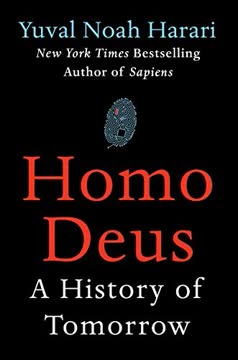
होमो डियस: कल का एक संक्षिप्त इतिहास मानवता के भविष्य की खोज करता है, जिसमें अमरता, खुशी और कृत्रिम बुद्धिमत्ता जैसे विषयों की जांच की गई है। हरारी की आकर्षक लेखन शैली और विचारोत्तेजक विचारों की प्रशंसा की जाती है, हालांकि कुछ पाठकों को यह पुस्तक अपने पूर्ववर्ती, सापियन्स, की तुलना में कम आकर्षक लगती है। आलोचक हरारी के मानवतावाद और प्रौद्योगिकी के समाज पर प्रभाव के विश्लेषण की सराहना करते हैं, लेकिन उनकी कुछ भविष्यवाणियों और धार्मिक अवधारणाओं की व्याख्या पर सवाल उठाते हैं। पुस्तक में स्वतंत्र इच्छा, चेतना और "डेटाईज़्म" के संभावित उदय पर चर्चा पाठकों के बीच आकर्षण और चिंता दोनों को जन्म देती है।
लोग यह भी पढ़ते हैं




अक्सर पूछे जाने वाले प्रश्न
What's Homo Deus: A Brief History of Tomorrow about?
- Exploration of Future Challenges: The book examines humanity's future, focusing on how we manage historical challenges like famine, plague, and war, and what new issues may arise.
- Humanism and Technology: Harari explores the rise of humanism and its impact on life, happiness, and power, suggesting that technological advancements may lead us to seek immortality and divinity.
- Anthropocene Epoch: The concept of the Anthropocene is introduced, highlighting humans as the most significant force in altering the planet's ecology, raising questions about our responsibilities.
Why should I read Homo Deus: A Brief History of Tomorrow?
- Insightful Predictions: The book offers thought-provoking insights into humanity's future, essential for understanding the implications of technological advancements.
- Interdisciplinary Approach: Harari combines history, philosophy, and science, providing a comprehensive view of human development and future possibilities.
- Cultural Reflection: It encourages readers to reflect on their values and beliefs in light of historical and future trends, prompting critical thinking about humanity's direction.
What are the key takeaways of Homo Deus: A Brief History of Tomorrow?
- Control Over Nature: Humanity has transformed famine, plague, and war from uncontrollable forces into manageable challenges, raising questions about new emerging challenges.
- Technological Power: Advancements in biotechnology and information technology provide unprecedented power, leading to potential quests for immortality and happiness.
- Humanism's Future: The potential decline of humanism is discussed as we seek to upgrade ourselves into god-like beings, leading to ethical dilemmas.
What are the best quotes from Homo Deus: A Brief History of Tomorrow and what do they mean?
- "Famine, plague and war...": This quote emphasizes that while progress has been made, these issues are not eradicated and still pose threats.
- "The era when humankind...": Harari suggests humanity can manage epidemics but warns of new threats from our actions.
- "If we are indeed bringing...": This raises questions about future priorities and challenges as we overcome historical struggles.
How does Homo Deus: A Brief History of Tomorrow address the concept of humanism?
- Humanism as a Dominant Ideology: Harari discusses humanism as the prevailing worldview, emphasizing human value and agency.
- Critique of Humanism: The book critiques humanism, suggesting that the quest for immortality may undermine its principles.
- Future of Humanism: Harari posits a potential decline in humanism as technology advances, leading to new forms of existence.
What is the Anthropocene, as defined in Homo Deus: A Brief History of Tomorrow?
- Human Impact on Ecology: The Anthropocene is described as the epoch where humans are the most significant agents of ecological change.
- Mass Extinctions: Human actions have led to the extinction of numerous species, highlighting our responsibility for ecological balance.
- Global Ecosystem: The planet operates as a single ecological unit, with human activities affecting ecosystems worldwide.
What role does technology play in Homo Deus: A Brief History of Tomorrow?
- Technological Advancements: Harari discusses how AI and biotechnology reshape human capabilities and societal structures.
- Potential Risks: Advancements could lead to a future where humans lose control over their lives, raising ethical questions.
- Human Control: As technology evolves, humans may become subjects of algorithms and data-driven decisions.
How does Homo Deus: A Brief History of Tomorrow address the concept of free will?
- Critique of Free Will: Harari challenges free will, suggesting decisions are influenced by biochemical processes.
- Experiencing Self vs. Narrating Self: Individuals have both an experiencing and narrating self, complicating personal agency.
- Implications for Society: This critique raises questions about accountability and moral responsibility in a tech-driven world.
What is Dataism as described in Homo Deus: A Brief History of Tomorrow?
- New Paradigm: Dataism prioritizes data flow over human experiences, suggesting all phenomena can be understood through data.
- Functional Approach: It evaluates entities based on their contribution to data processing, challenging traditional humanist values.
- Future Implications: As Dataism gains traction, human experiences may be deemed less valuable than data efficiency.
How does Homo Deus: A Brief History of Tomorrow explore the relationship between humans and animals?
- Human Superiority: The book questions the belief in human superiority, highlighting ethical implications.
- Animal Consciousness: Growing recognition of animal consciousness challenges traditional views and calls for reevaluation.
- Interconnectedness of Life: Understanding our relationship with animals can inform our approach to future technologies and ethics.
What are the implications of losing economic and military usefulness as discussed in Homo Deus: A Brief History of Tomorrow?
- Redefining Value: As technology advances, many may lose economic and military value, leading to societal shifts.
- Emergence of a New Elite: A new elite of upgraded individuals may emerge, exacerbating social inequalities.
- Challenges to Liberalism: This shift challenges liberal ideologies, potentially leading to a reevaluation of societal norms.
How does Homo Deus: A Brief History of Tomorrow envision the future of humanity?
- Technological Integration: Humans and technology may become deeply integrated, leading to enhanced capabilities and ethical dilemmas.
- Potential for New Religions: New techno-religions may emerge, focusing on technology and data rather than spiritual values.
- Uncertain Outcomes: The future remains uncertain, with potential for both advancements and challenges as humanity navigates complexities.