
मुख्य बातें
1. मसाज, शियात्सु, और रिफ्लेक्सोलॉजी: स्पर्श चिकित्सा की तीन विधाएँ
याद रखें, जीवन आपको थका सकता है, लेकिन मसाज उसे फिर से जीवंत कर सकता है।
तीन अलग-अलग तरीक़े। इस पुस्तक में तीन विशिष्ट लेकिन परस्पर पूरक स्पर्श चिकित्सा विधाओं का परिचय दिया गया है: मसाज, शियात्सु, और रिफ्लेक्सोलॉजी। हर एक विश्राम, उपचार और समग्र स्वास्थ्य को बढ़ावा देने का अपना अनूठा तरीका प्रस्तुत करता है। मसाज में तरल गति और मालिश शामिल है, शियात्सु मेरिडियन के दबाव बिंदुओं पर केंद्रित होता है, और रिफ्लेक्सोलॉजी पैरों और हाथों के विशिष्ट रिफ्लेक्स बिंदुओं को लक्षित करता है।
समग्र लाभ। ये विधाएँ शरीर की पुनर्योजी क्षमता के साथ काम करती हैं, आत्म-उपचार को प्रोत्साहित करती हैं। ये केवल शारीरिक बीमारियों का समाधान नहीं करतीं, बल्कि स्वयं और दूसरों को समझने की क्षमता भी बढ़ाती हैं। पुस्तक पाठकों को उस चिकित्सा को अपनाने के लिए प्रोत्साहित करती है, जिससे वे सबसे अधिक जुड़े महसूस करें, क्योंकि हर विधा की अपनी विशिष्ट अपील और उपयोगिता होती है।
स्पर्श की शक्ति। पुस्तक स्पर्श को एक मौलिक मानवीय आवश्यकता के रूप में महत्व देती है। स्पर्श आश्वासन, गर्माहट, सुख, आराम और पुनः ऊर्जा प्रदान करता है। यह एक सामान्य भाषा है, जिसका उपयोग उपचार, सांत्वना, दर्द निवारण और देखभाल व्यक्त करने के लिए किया जा सकता है।
2. आधार: वातावरण, मुद्रा, और केंद्रित होना
देखभाल और संवेदनशीलता, थोड़ा समय और ऊर्जा, और एक अच्छी जोड़ी हाथ – बस इतना ही चाहिए मसाज की प्रैक्टिस शुरू करने के लिए।
माहौल तैयार करना। प्रभावी स्पर्श चिकित्सा के लिए एक आरामदायक वातावरण बनाना अत्यंत आवश्यक है। इसमें गर्माहट, शांति, और तकिए, कुशन तथा कंबल के साथ आराम सुनिश्चित करना शामिल है। देने वाले की सुविधा भी उतनी ही महत्वपूर्ण है, जिसके लिए ढीले कपड़े और संतुलित मुद्रा आवश्यक होती है।
देने वाले की भूमिका। देने वाले की मुद्रा और श्वास महत्वपूर्ण हैं। चाहे बैठना हो, घुटनों के बल होना हो या खड़ा होना हो, शरीर को संतुलित और आरामदायक महसूस करना चाहिए। सीधी पीठ और पेट तथा कूल्हे से होने वाली गति उपचार ऊर्जा को स्वतंत्र रूप से प्रवाहित होने देती है।
मन को केंद्रित करना। केंद्रित होना वर्तमान क्षण पर ध्यान केंद्रित करने और हर सत्र में सच्ची देखभाल, विचारशीलता और सम्मान की भावना लाने का अभ्यास है। यह संतुलन और उपस्थिति की स्थिति देने वाले को सहज ज्ञान से मार्गदर्शित करती है और प्राप्तकर्ता के तनाव या ऊर्जा असंतुलन को महसूस करने में मदद करती है।
3. मसाज: सहज स्पर्श की कला
एक देखभाल भरी मसाज सुख, विश्वास और आनंद की अनुभूति उत्पन्न करती है।
समग्र दृष्टिकोण। समग्र मसाज व्यक्ति को पूर्ण रूप से देखता है, जिसमें देने वाले और प्राप्तकर्ता के बीच संवाद पर ध्यान केंद्रित किया जाता है। यह शरीर के कोमल ऊतकों को व्यवस्थित रूप से सहलाने, मालिश करने और दबाने की प्रक्रिया है, जिससे पूर्ण विश्राम होता है। त्वचा को चिकना करने के लिए तेल का उपयोग किया जाता है, जिससे गति सहज और समान होती है।
मूल स्ट्रोक। मसाज में ग्लाइडिंग, मध्यम गहराई, गहरे ऊतक, और पर्कशन स्ट्रोक शामिल होते हैं। ग्लाइडिंग स्ट्रोक कोमल और लयबद्ध होते हैं, जो मसाज की शुरुआत और अंत में उपयोग किए जाते हैं। मध्यम गहराई के स्ट्रोक में मालिश और खींचाव शामिल है, जो मांसपेशियों को आराम देते हैं और परिसंचरण में मदद करते हैं। गहरे ऊतक के स्ट्रोक अंगूठे, उंगलियों के सिरों या हाथ की एड़ियों से छिपे तनावों तक पहुँचते हैं। पर्कशन स्ट्रोक तेज और लयबद्ध होते हैं, जो कोमल ऊतकों को उत्तेजित करते हैं।
सहज अनुकूलन। एक बार मूल स्ट्रोक की श्रृंखला सीख लेने के बाद, देने वाला प्राप्तकर्ता की आवश्यकताओं के अनुसार तकनीकों को अनुकूलित कर सकता है। लक्ष्य एक निरंतर लयबद्ध प्रवाह बनाना है, जिसमें स्ट्रोक एक-दूसरे से सहजता से जुड़ें, जिससे हाथों के नीचे शरीर संभावित गतियों का संकेत दे सके।
4. शियात्सु: दबाव के माध्यम से की (जीवन ऊर्जा) का संतुलन
“आधा स्वस्थ” लोगों के लिए, या बीमारी से बचाव के तौर पर, शियात्सु एक आदर्श घरेलू उपचार है क्योंकि यह की को पुनः संतुलित करता है ताकि शरीर स्वयं को ठीक कर सके।
पूर्वी जड़ें। शियात्सु एक जापानी शारीरिक चिकित्सा प्रणाली है, जिसमें शरीर की ऊर्जा को संतुलित करने और स्वास्थ्य को बढ़ावा देने के लिए एक्यूपंक्चर बिंदुओं पर दबाव डाला जाता है। यह पारंपरिक पूर्वी चिकित्सा सिद्धांतों को लोक चिकित्सा की परंपरा के साथ मिलाता है। "शियात्सु" का अर्थ है "उंगली दबाव," लेकिन इसे हाथ के अन्य हिस्सों, कोहनी और घुटनों से भी लागू किया जाता है।
की और मेरिडियन। शियात्सु की नींव की एक जीवन शक्ति की धारणा पर है, जिसे की कहा जाता है, जो शरीर में जुड़े हुए चैनलों या "मेरिडियन" के माध्यम से प्रवाहित होती है। प्रत्येक मेरिडियन किसी अंग या मनो-शारीरिक कार्य से जुड़ा होता है, और इसकी की को उसके मार्ग के विशिष्ट बिंदुओं – जिन्हें त्सुबो कहा जाता है – पर महसूस किया जा सकता है।
क्यो और जित्सु। शियात्सु में उद्देश्य केवल लक्षणों का उपचार नहीं, बल्कि उनके कारणों को भी ठीक करना है। बीमारियाँ की की अधिकता या कमी से होती हैं। अधिक की वाले क्षेत्र जित्सु कहलाते हैं, जबकि कम की वाले क्षेत्र क्यो। उपचार में क्यो क्षेत्रों पर ध्यान केंद्रित कर की को पुनः संतुलित करना शामिल है, जिससे शरीर स्वयं को ठीक कर सके।
5. की: पूर्वी चिकित्सा की जीवन शक्ति
सभी चीजें छाया द्वारा समर्थित, प्रकाश की ओर मुखातिब, और अमूर्त श्वास द्वारा सामंजस्यित होती हैं।
अस्तित्व का सार। की वह "अमूर्त श्वास" है जो सभी चीजों को सामंजस्यित करता है। यह जीवन ऊर्जा है जो शरीर के भौतिक, भावनात्मक और आध्यात्मिक पहलुओं को जोड़ती है। की पाँच विभिन्न ऊर्जा पहलुओं के रूप में प्रकट होती है, जिन्हें पाँच तत्व कहा जाता है – अग्नि, पृथ्वी, धातु, जल, और वायु।
यिन और यांग। यिन और यांग अस्तित्व के दो विपरीत लेकिन पूरक पहलू हैं। यिन अंधकार, ठंडक, नमी, कोमलता, ग्रहणशीलता और स्त्रीत्व का प्रतिनिधित्व करता है, जबकि यांग प्रकाश, गर्मी, शुष्कता, कठोरता, सक्रियता और पुरुषत्व का। यिन और यांग के बीच संतुलन स्वास्थ्य और कल्याण के लिए आवश्यक है।
पाँच तत्व। पाँच तत्व की ऊर्जा की विभिन्न विशेषताएँ हैं, जिनमें से प्रत्येक की अपनी विशिष्ट गुणवत्ता या "स्वाद" होता है। प्रत्येक तत्व मानव शरीर में एक मेरिडियन या अंग कार्य और व्यक्तित्व या भावनाओं के एक पहलू को नियंत्रित करता है। तत्वों की समझ शरीर और मन में असंतुलन का निदान और उपचार करने में मदद करती है।
6. रिफ्लेक्सोलॉजी: पैरों और हाथों पर शरीर का मानचित्रण
इन रिफ्लेक्स पर काम करके, रिफ्लेक्सोलॉजिस्ट पूरे शरीर की तनाव को कम करता है।
क्षेत्र सिद्धांत। रिफ्लेक्सोलॉजी इस सिद्धांत पर आधारित है कि पैरों और हाथों पर ऐसे क्षेत्र या रिफ्लेक्स बिंदु होते हैं जो शरीर के प्रत्येक अंग, ग्रंथि और संरचना से संबंधित होते हैं। ये रिफ्लेक्स बिंदु विभिन्न भागों से जोड़े गए होते हैं। इन पर काम करके, रिफ्लेक्सोलॉजिस्ट पूरे शरीर की तनाव को कम करता है।
मूल तकनीकें। रिफ्लेक्सोलॉजी में विशेष अंगूठे और उंगलियों की तकनीकों का उपयोग करके पैरों और हाथों के छोटे क्षेत्रों या रिफ्लेक्स पर काम किया जाता है। मुख्य तकनीकों में अंगूठा चलाना, तर्जनी चलाना, हुकिंग, और रिफ्लेक्स घुमाव शामिल हैं। ये तकनीकें रिफ्लेक्स को उत्तेजित करती हैं और ऊर्जा प्रवाह में अवरोधों को तोड़ती हैं।
रिफ्लेक्सोलॉजी के लाभ। रिफ्लेक्सोलॉजी का मुख्य लाभ विश्राम है। तनाव कम करने से रक्त संचार बेहतर होता है, तंत्रिका कार्य में बाधा नहीं आती, और सभी शारीरिक कार्यों में सामंजस्य स्थापित होता है। रिफ्लेक्सोलॉजी का उपयोग कई स्थितियों के उपचार में किया जा सकता है, लेकिन यदि संदेह हो तो डॉक्टर से परामर्श आवश्यक है।
7. शरीर की भाषा: शरीर का अध्ययन
हमारे शरीर का आकार हमारे भाव और विचारों की एक ग्राफिक अभिव्यक्ति है।
शरीर को एक मानचित्र के रूप में देखना। शरीर पढ़ना उन दृश्य संकेतों की व्याख्या है जो हमारे महसूस करने, सोचने और कार्य करने के पैटर्न को प्रकट करते हैं। हमारे शरीर का आकार हमारे भाव और विचारों की एक ग्राफिक अभिव्यक्ति है। हमारी संरचना हमारे जीवन के व्यक्तिगत अनुभवों से आकार लेती है।
विभाजन और असममिताएँ। शरीर पढ़ते समय विभाजन और असममिताओं पर ध्यान देना आवश्यक है। ये ऊपर/नीचे, बाएं/दाएं, या सामने/पीछे हो सकते हैं। ऊपर भारी शरीर आधार पर असुरक्षा की भावना दर्शा सकते हैं, जबकि नीचे भारी शरीर आत्मविश्वास की कमी को। बाएं/दाएं विभाजन तर्क और भावना के बीच संघर्ष को दर्शा सकते हैं, जबकि सामने/पीछे विभाजन हमारे व्यक्तित्व के उन पहलुओं को दिखा सकते हैं जिन्हें हम दुनिया या स्वयं से छुपा रहे हैं।
पैर से चेहरे तक। पैर और टांगें हमारी वास्तविकता के साथ संबंध को दर्शाती हैं, जबकि कूल्हा हमारी कामुकता और उत्सर्जन से जुड़ा होता है। पेट हमारी आंतरिक भावनाओं का केंद्र है, और छाती हमारे भावनाओं से संबंधित है। कंधे और हाथ कार्य और क्रिया से जुड़े हैं, जबकि गर्दन, सिर और चेहरा आत्म-अभिव्यक्ति और संचार से संबंधित हैं।
8. जीवन के सभी चरणों के लिए स्पर्श: मातृत्व, शिशु, और वृद्धावस्था
सभी इंद्रियों में, स्पर्श सबसे पहले विकसित होती है।
मातृत्व। मसाज एक महिला को प्रसव के लिए तैयार करने और उसके बदलते शरीर के साथ सहज महसूस कराने का अद्भुत तरीका है। यह गर्भावस्था में तनाव और थकान को कम कर सकता है और प्रसव के दौरान महिला को शांति और आश्वासन प्रदान करता है। शियात्सु भी गर्भावस्था के दौरान ठीक रहता है, बशर्ते पेट पर गहरा दबाव न दिया जाए और पैर के मेरिडियन पर सावधानी बरती जाए।
शिशु। शिशुओं के लिए स्पर्श शारीरिक और भावनात्मक कल्याण दोनों के लिए अत्यंत आवश्यक है। शिशु मसाज माता-पिता और बच्चे के बीच बंधन और संवाद को मजबूत कर सकता है, साथ ही शिशुओं की नींद और भोजन में सुधार कर सकता है। यह पहले कुछ महीनों में कॉलिक को भी कम कर सकता है।
वृद्धावस्था। जीवन के सभी आयु वर्गों में स्पर्श आवश्यक है, लेकिन वृद्धावस्था में हमें इसकी सबसे अधिक आवश्यकता होती है। मसाज, शियात्सु, और रिफ्लेक्सोलॉजी जीवन की गुणवत्ता को बढ़ा सकते हैं और उम्र से जुड़ी आम समस्याओं से लड़ने में मदद कर सकते हैं। ये तीनों चिकित्सा शांति, विश्राम और साथी भाव प्रदान करती हैं, जो उच्च रक्तचाप, अवसाद और अकेलेपन को कम करने में सहायक हैं।
समीक्षा सारांश
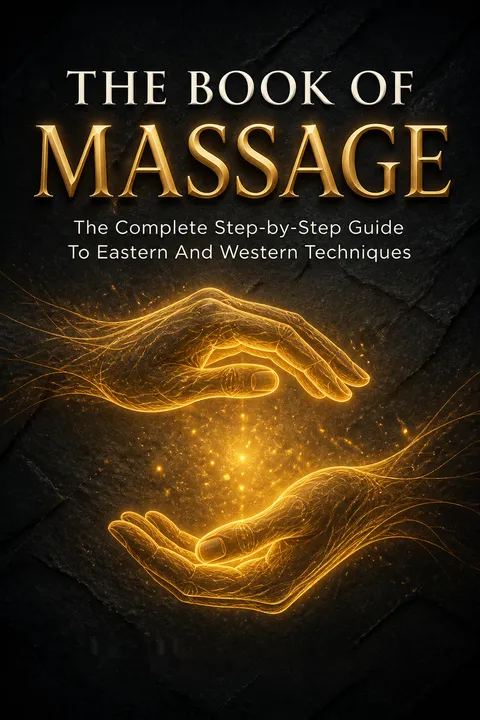
मसाज की पुस्तक को आमतौर पर सकारात्मक समीक्षाएँ प्राप्त हुई हैं, जिसमें पाठक इसकी विभिन्न मसाज तकनीकों की व्यापक व्याख्या, स्पष्ट चित्रण और व्यावहारिक जानकारी की प्रशंसा करते हैं। कई लोग इसे शुरुआती लोगों के लिए उपयोगी और एक संदर्भ मार्गदर्शिका के रूप में मानते हैं। यह पुस्तक तेल मसाज, शियात्सु और रिफ्लेक्सोलॉजी को शामिल करती है, जिसमें पूर्वी और पश्चिमी दोनों दृष्टिकोण प्रस्तुत किए गए हैं। पाठक इसकी तार्किक संरचना, सहायक ग्राफिक्स और विस्तृत व्याख्याओं की सराहना करते हैं। कुछ लोग इसे व्यक्तिगत संबंधों और तनाव मुक्ति के लिए भी मूल्यवान बताते हैं। हालांकि, कुछ आलोचनाएँ भी हैं, जिनमें सांस्कृतिक संवेदनशीलता के मुद्दे और पुस्तक अध्ययन के साथ-साथ व्यावहारिक अभ्यास की आवश्यकता को शामिल किया गया है।
लोग यह भी पढ़ते हैं


अक्सर पूछे जाने वाले प्रश्न
1. What is "The Book of Massage" by Lucinda Lidell about?
- Comprehensive guide to touch therapies: The book is a complete step-by-step manual covering three main touch therapies: massage, shiatsu, and reflexology, blending Eastern and Western techniques.
- Focus on practical instruction: It provides detailed instructions, illustrations, and sequences for giving and receiving massage, shiatsu, and reflexology at home or in a professional setting.
- Holistic approach: The book emphasizes the importance of touch for physical, emotional, and spiritual well-being, and teaches how to create a relaxed environment and develop sensitivity.
- Accessible to all: Designed for beginners and experienced practitioners alike, it encourages everyone to develop their natural capacity for healing touch.
2. Why should I read "The Book of Massage" by Lucinda Lidell?
- Learn essential touch skills: The book teaches practical, easy-to-follow techniques for massage, shiatsu, and reflexology, making it ideal for anyone interested in self-care or helping others.
- Improve health and relationships: Regular practice of these techniques can relieve tension, improve circulation, and foster deeper connections with family and friends.
- Holistic self-discovery: It offers insights into body awareness, emotional release, and the mind-body connection, promoting overall well-being.
- Trusted resource: Written by an experienced practitioner, the book is widely respected and recommended in the field of bodywork.
3. What are the key takeaways from "The Book of Massage" by Lucinda Lidell?
- Touch is fundamental: Human touch is essential for health, development, and emotional well-being, and massage is a natural extension of this instinct.
- Three main therapies: The book covers massage (Western and holistic), shiatsu (Japanese pressure therapy), and reflexology (foot and hand mapping), each with unique benefits and techniques.
- Preparation and environment matter: Creating a warm, comfortable, and quiet space is crucial for effective treatments.
- Anyone can learn: With care, sensitivity, and practice, anyone can develop the skills to give and receive healing touch.
4. What are the main differences between massage, shiatsu, and reflexology as described in "The Book of Massage"?
- Massage: Involves systematic stroking, kneading, and pressing of soft tissues, usually with oil, focusing on relaxation and muscle tension release.
- Shiatsu: A Japanese technique using finger, thumb, elbow, or knee pressure on specific points (tsubos) along energy meridians, aiming to balance the body's ki (vital energy).
- Reflexology: Focuses on applying pressure to specific reflex points on the feet and hands that correspond to organs and systems throughout the body, promoting relaxation and systemic health.
- Clothing and tools: Massage often involves partial or full undressing and oil; shiatsu is done clothed without oil; reflexology uses no oil and is typically performed on bare feet or hands.
5. How does "The Book of Massage" by Lucinda Lidell recommend preparing for a massage or touch therapy session?
- Set the scene: Ensure the room is warm, quiet, and free from distractions, with soft lighting and optional relaxing music or scents.
- Gather materials: Have towels, pillows, blankets, and appropriate oils or powders ready before starting.
- Dress comfortably: Both giver and receiver should wear loose, comfortable clothing (except for oil massage, where the receiver may be partially or fully undressed).
- Center yourself: The giver should take a few moments to center their mind and focus on the present, using breathing or meditation techniques to channel energy.
6. What are the basic massage strokes and their purposes in "The Book of Massage"?
- Gliding strokes (Effleurage): Gentle, rhythmic movements to begin and end a massage, apply oil, and warm up the area.
- Medium-depth strokes (Petrissage): Kneading, pulling, and wringing to relax muscles, aid circulation, and stretch soft tissues.
- Deep tissue strokes (Friction): Focused pressure with thumbs, fingertips, or heels of hands to release deeper tension and work around joints.
- Percussion: Brisk, rhythmic tapping or drumming (hacking, cupping, pummeling) to stimulate and tone muscles, used mainly on fleshy areas.
7. What is the role of centering and the hara in giving massage, according to "The Book of Massage"?
- Centring for effectiveness: Centering means focusing your energy and attention, especially in the hara (lower abdomen), to channel healing energy efficiently.
- Hara as energy source: The hara is considered the body's center of gravity and power, crucial for both physical stability and intuitive touch.
- Breathing connection: Deep, relaxed breathing into the hara helps the giver stay grounded, relaxed, and sensitive to the receiver's needs.
- Martial arts parallel: The book draws parallels to martial arts, where working from the hara allows for strength without strain and enhances the flow of energy.
8. How does "The Book of Massage" by Lucinda Lidell explain the concepts of ki, meridians, and tsubos in shiatsu?
- Ki (vital energy): Ki is the life force that flows through the body, essential for health; imbalances or blockages can lead to illness.
- Meridians: These are channels through which ki flows, each associated with specific organs and functions; shiatsu works to balance ki along these pathways.
- Tsubos (pressure points): Specific points on the meridians where ki can be accessed and influenced; pressing these points can relieve symptoms and restore balance.
- Yin and yang balance: Shiatsu aims to harmonize the yin and yang energies within the body, using meridian and tsubo work to address both excesses and deficiencies.
9. What is the zone theory in reflexology as presented in "The Book of Massage"?
- Ten energy zones: The body is divided into ten longitudinal zones, each running from the head to the toes and fingers.
- Reflex points mapping: Every organ, gland, and body part has a corresponding reflex point on the feet and hands within the same zone.
- Energy flow and health: Blockages or tenderness in a reflex point indicate tension or imbalance in the related body part; working the reflex helps restore harmony.
- Practical application: The book provides charts and techniques for locating and working these reflexes to promote relaxation and systemic well-being.
10. How does "The Book of Massage" by Lucinda Lidell address special populations, such as pregnant women, babies, and the elderly?
- Pregnancy: Offers modified massage and shiatsu techniques for expectant mothers, emphasizing gentle strokes, alternative positions, and avoiding deep abdominal or ankle work.
- Babies: Introduces a gentle, playful massage sequence for infants, supporting bonding, sleep, digestion, and overall development.
- Elderly: Recommends gentle, oil-based massage and adapted positions (e.g., seated or on a table), focusing on comfort, warmth, and flexibility, and caution with fragile skin or joints.
- General advice: Stresses the importance of sensitivity, communication, and adapting techniques to individual needs and health conditions.
11. What is body reading, and how does "The Book of Massage" by Lucinda Lidell use it to enhance massage practice?
- Understanding body language: Body reading involves observing posture, muscle tone, and structural patterns to gain insight into a person's emotional and physical history.
- Identifying tension patterns: The book explains how splits (top/bottom, left/right, front/back) and specific body shapes can reveal chronic tension, emotional blocks, or personality traits.
- Guiding treatment: By recognizing these patterns, practitioners can tailor their massage to address areas of holding, imbalance, or vulnerability.
- Holistic perspective: Body reading encourages a compassionate, non-judgmental approach, seeing the body as a reflection of the whole person.
12. What are some of the best quotes from "The Book of Massage" by Lucinda Lidell, and what do they mean?
- "Massage is perhaps the oldest and simplest of all medical treatments." – Emphasizes the timeless, universal nature of touch as a healing art.
- "Touch is a language we all use instinctively to show our feelings, to demonstrate to others that they are loved, wanted or appreciated." – Highlights the emotional and communicative power of touch.
- "Life may take it out of you, but massage can put it back." – Suggests that massage restores energy, vitality, and well-being lost to daily stress.
- "A good, caring massage penetrates right to the depth of your being." – Underlines the profound, holistic impact of massage beyond just physical relaxation.
- "Anyone can start to develop the therapeutic powers in their hands." – Encourages readers that healing touch is accessible to all, not just professionals.
PDF डाउनलोड करें
EPUB डाउनलोड करें
.epub digital book format is ideal for reading ebooks on phones, tablets, and e-readers.








































