重要ポイント
1. 霊的賜物は多様であり、聖霊によって力づけられている
「さて、霊的賜物については、兄弟たちよ、無知であってはならない。」
神からの賜物の分配。 霊的賜物とは、教会を建て上げ、神の御国を前進させるために、聖霊が信者に超自然的に与える能力である。これらの賜物は人間の功績によるものではなく、神の恵みと目的に基づいている。
霊的賜物の種類:
- 知恵の言葉
- 知識の言葉
- 信仰
- 癒しの賜物
- 預言
- 霊を見分ける力
- 方言を話すこと
- 方言の通訳
目的を持った力づけ。 それぞれの賜物は、特定の奉仕の任務に備えるために戦略的に与えられる。聖霊はこれらの賜物をどのように分配するかを選び、キリストの体が効果的に機能し、神を栄光化することを確かなものにする。
2. 愛は霊的現れの基盤である
「たとえ人の舌や天使の舌で話しても、愛がなければ、鳴る銅鑼や響く鉦のようである。」
愛は賜物に勝る。 愛のない霊的賜物は無意味であり、効果を持たない。使徒パウロは、真の愛こそがあらゆる霊的現れの不可欠な基盤であることを強調している。
霊的愛の特徴:
- 忍耐強い
- 親切である
- 嫉妬しない
- 自慢せず
- 高ぶらない
- 自己中心的でない
- 怒りにくい
- 悪を記録しない
変革の力。 真の霊的愛は、賜物を単なる技芸から、神の性質と目的を力強く示す生きた証しへと変える。
3. 霊的識別は霊的欺瞞から守る
「愛する者たちよ、すべての霊を信じるな。霊が神から出ているかどうかを試せ。」
霊的警戒心。 識別は、信者が神の霊感と悪霊の欺瞞を見分けるための重要な霊的賜物である。これには霊的感受性と神の言葉への深い理解が必要だ。
霊的源泉の試験:
- イエス・キリストの告白を調べる
- メッセージの実を評価する
- 聖霊の導きを求める
- 謙遜を保つ
- 判断を避け、理解を求める
欺瞞からの防御。 識別は、偽預言者や誤った教え、霊的な偽物に惑わされることを防ぐ。
4. 方言と通訳は神の目的に仕える
「方言を話す者は人にではなく神に話す。誰も理解しないが、霊によって奥義を語る。」
霊的コミュニケーション。 方言は、人間の言語の限界を超え、神と直接交信する超自然的な言語である。
方言の目的:
- 個人的な霊的建て上げ
- 預言的啓示
- 代祷
- 霊的戦い
- 聖霊の力の示現
通訳の機能。 通訳の賜物は、会衆の中で方言が語られる際に理解をもたらし、共同体の建て上げを促す。
5. 信仰は人間の限界を超える
「キリストの信仰は決して揺らがない。その信仰を持てば、事は成し遂げられる。」
超自然的な信念。 真の信仰は人間の理性や状況を超え、神の約束と性質から直接力を引き出す。
信仰の特徴:
- 自然の状況を超えて見る
- 現れを見る前に信じる
- 神の主権に委ねる
- 恐れを克服する
- 奇跡的な結果を生む
変革の力。 信仰は信者に超自然的な資源へのアクセスを可能にし、不可能に見える状況で神の介入を体験させる。
6. 癒しは憐れみと霊的力を通してもたらされる
「癒しの力は憐れみの心と神の権威から流れ出る。」
全人的な癒し。 神の癒しは単なる肉体の回復にとどまらず、感情的、霊的、関係的な完全性を含む。
癒しの原則:
- 信仰を必要とする
- 憐れみを通して現れる
- 霊的圧迫に立ち向かう
- 聖霊の力に依存する
- 神を栄光化する
奉仕のアプローチ。 効果的な癒しの奉仕は、霊的権威、真の憐れみ、聖霊の導きへの感受性を組み合わせる。
7. 預言は神の心と意図を明らかにする
「イエスの証しは預言の霊である。」
預言的啓示。 預言は単なる予言ではなく、神の心、目的、現在の働きを明らかにする神からの通信である。
預言の側面:
- 個人的な証し
- 霊的励まし
- 共同体の導き
- 神秘の啓示
- 霊的変革のもたらし
霊的建て上げ。 預言は信者を建て上げ、慰め、励まし、神の意図への直接的な洞察を提供する。
8. 個人的変革には完全な降伏が必要である
「霊で満たされるためには、自己を空にしなければならない。」
霊的空虚化。 真の霊的成長は、信者が自分の計画、欲望、限界を神の目的に完全に委ねるときに起こる。
降伏の過程:
- 自己の死
- 砕かれた心を受け入れる
- 謙遜を育む
- 聖さを追求する
- 教えを受け入れる姿勢を保つ
神の力の注入。 降伏は、神の変革の力が信者の人生で妨げられることなく働くための空間を作る。
9. 聖霊は信者を導き、力づける
「聖霊はすべての力とすべての言語を持っている。」
神の導き。 聖霊は、人生の挑戦を乗り越えるために信者に超自然的な知恵、方向性、力を与える。
霊に導かれた生活:
- 継続的な霊的満たし
- 神の促しに応答する
- 霊的賜物を受け入れる
- 霊的権威を歩む
- 親密な交わりを保つ
超自然的な能力付与。 聖霊は、神の目的を果たすために人間の能力を超えた力で信者を備える。
10. 霊的戦いには霊的な武器が必要である
「あなたがたのうちにおられる方は、世におられる者よりも偉大である。」
霊的戦いの戦略。 効果的な霊的戦いは、霊的な敵対を認識し、神の力と権威をもって立ち向かうことを含む。
戦いの原則:
- 霊的な力を認識する
- 聖書的権威を用いる
- 霊的純潔を保つ
- 神の力に依存する
- 愛と憐れみをもって行動する
勝利の生活。 信者は神とのつながりを保ち、神から委任された権威のもとで行動することで、霊的な挑戦に打ち勝つことができる。
レビューまとめ
『スミス・ウィグルスワースの霊的賜物』は、主に肯定的な評価を受けている。読者はその感動的かつ指導的な内容を高く評価し、ウィグルスワースの強い信仰と霊的賜物に関する教えに啓発され、信仰が深まったと感じている人が多い。一方で、本書は説教の書き起こしをまとめたものであるため、構成がやや散漫であるとの指摘もある。大半の読者はウィグルスワースの体験と教えに価値を見出しているが、一部には聖書的な解釈の正確性に疑問を呈する声もある。総じて、霊的賜物に関心があり、信仰を深めたいと願う人にとって有益な一冊として推薦されている。
よくある質問
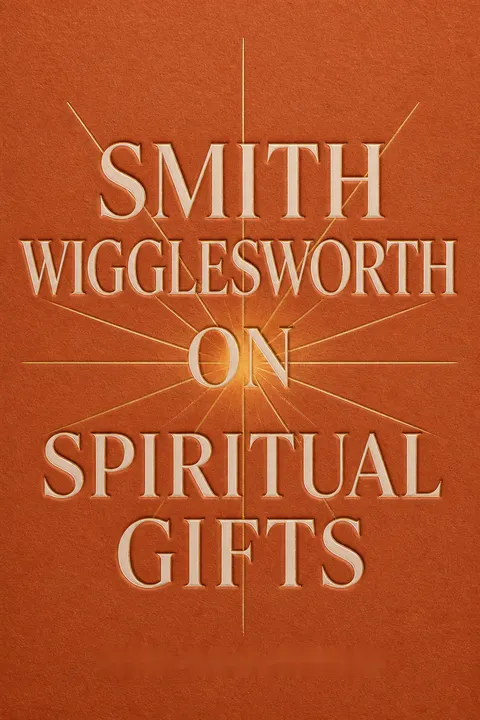
1. What is "Smith Wigglesworth on Spiritual Gifts" by Smith Wigglesworth about?
- Focus on Spiritual Gifts: The book explores the biblical concept of spiritual gifts, especially as outlined in 1 Corinthians 12–14, and their operation in the life of the believer and the church.
- Wigglesworth’s Teachings: It presents Smith Wigglesworth’s sermons, teachings, and personal experiences regarding the gifts of the Holy Spirit, including healing, prophecy, tongues, and more.
- Practical Guidance: The book offers practical advice on how to receive, use, and discern spiritual gifts, emphasizing the importance of being filled with the Holy Spirit.
- Faith and Power: Central themes include faith, the necessity of the Holy Spirit’s power, and the believer’s role as a vessel for God’s supernatural work.
2. Why should I read "Smith Wigglesworth on Spiritual Gifts" by Smith Wigglesworth?
- Firsthand Pentecostal Insights: The book provides direct access to the teachings of one of the most influential Pentecostal leaders, known for his healing and faith ministry.
- Deepens Understanding: It helps readers understand the biblical foundation and practical application of spiritual gifts in the modern church.
- Encourages Spiritual Growth: Wigglesworth’s emphasis on faith, holiness, and the pursuit of God’s power inspires readers to seek a deeper relationship with the Holy Spirit.
- Addresses Common Questions: The book tackles common misconceptions, challenges, and errors related to spiritual gifts, offering clarity and scriptural balance.
3. What are the key takeaways from "Smith Wigglesworth on Spiritual Gifts"?
- Hunger for More of God: Wigglesworth stresses the importance of continually seeking more of God and never becoming spiritually stagnant.
- Gifts Are for Edification: Spiritual gifts are given for the building up of the church, not for personal glory or attention.
- The Holy Spirit’s Central Role: Being filled with the Holy Spirit is essential for the operation of spiritual gifts and victorious Christian living.
- Discernment and Order: Proper use and discernment of gifts are necessary to avoid confusion, error, and misuse within the church.
4. How does Smith Wigglesworth define and describe spiritual gifts in his book?
- Nine Gifts Outlined: Wigglesworth discusses the nine gifts listed in 1 Corinthians 12—wisdom, knowledge, faith, healing, miracles, prophecy, discerning of spirits, tongues, and interpretation of tongues.
- Gifts vs. Fruit: He emphasizes the need for the gifts to be balanced with the fruit of the Spirit, such as love, joy, and peace.
- Manifestation, Not Possession: Wigglesworth teaches that the gifts are manifestations of the Spirit, not personal possessions, and can operate through any believer as the Spirit wills.
- Purpose of Gifts: The gifts are meant to glorify Jesus, edify the church, and demonstrate God’s power to the world.
5. What practical advice does Smith Wigglesworth give for receiving spiritual gifts?
- Ask and Believe: Wigglesworth encourages believers to ask God for spiritual gifts with faith, believing they will receive as promised in Scripture.
- Don’t Seek Feelings: He warns against waiting for feelings or repeated asking; instead, act in faith once you have asked.
- Yield to the Spirit: Complete surrender and willingness to be used by God are essential for receiving and operating in the gifts.
- Avoid Selfish Motives: The motive for seeking gifts should be to glorify Christ and serve others, not personal gain or recognition.
6. How does "Smith Wigglesworth on Spiritual Gifts" address the use and misuse of spiritual gifts?
- Gifts Must Edify: Wigglesworth insists that all gifts must be used for the edification, comfort, and encouragement of the church.
- Avoiding Excess and Disorder: He cautions against using gifts out of order, for personal attention, or without the Spirit’s leading, as this can cause confusion and harm.
- Testing Prophecy and Tongues: The book provides guidelines for testing prophecies and tongues, ensuring they align with Scripture and the character of Christ.
- Correction and Balance: Wigglesworth advocates for humility, correction, and accountability in the use of gifts, always prioritizing love and unity.
7. What does Smith Wigglesworth teach about the relationship between the fruit and the gifts of the Spirit?
- Gifts and Fruit Must Align: He teaches that every gift should be accompanied by its corresponding fruit (e.g., wisdom with love, faith with peace).
- Character Over Charisma: The fruit of the Spirit is essential for the proper operation of the gifts; gifts without fruit can lead to pride and error.
- Love as the Balancer: 1 Corinthians 13 is highlighted as the “governor” that keeps the gifts in balance and prevents misuse.
- Lasting Impact: Only when gifts are exercised in love and humility do they have lasting spiritual value.
8. How does Smith Wigglesworth explain the gift of tongues and interpretation in his book?
- Three Types of Tongues: He distinguishes between tongues as initial evidence of the Spirit’s baptism, tongues for personal prayer, and tongues for public interpretation.
- Interpretation Required: In public settings, tongues should be accompanied by interpretation for the edification of the church.
- Not for Guidance: Wigglesworth clarifies that tongues and interpretation are not to be used for personal guidance but for corporate encouragement.
- Order in Operation: He emphasizes following biblical order—no more than three utterances in a meeting, and the interpreter should speak as the Spirit gives utterance, not from their own mind.
9. What guidance does "Smith Wigglesworth on Spiritual Gifts" give on discerning spirits and testing voices?
- Discernment Is Essential: The gift of discerning spirits is for identifying evil influences, not for judging people.
- Test Every Spirit: Wigglesworth teaches to test spirits by asking if they confess Jesus Christ has come in the flesh, as outlined in 1 John 4.
- Avoid Deception: He warns against being led by impressions, voices, or prophecies that do not align with Scripture or produce peace and edification.
- Stay in the Word: The Bible and the inner witness of the Holy Spirit are the believer’s safeguards against deception.
10. What are some of the most important methods or principles for operating in spiritual gifts, according to Smith Wigglesworth?
- Be Filled Continually: Constant infilling of the Holy Spirit is necessary for effective operation in the gifts.
- Act in Faith, Not Fear: Step out in faith when prompted by the Spirit, trusting God for the results.
- Maintain Humility: Always give glory to God, not to oneself, and remain teachable and correctable.
- Seek Edification, Not Sensation: The goal is to build up the church, not to create spectacle or draw attention to oneself.
11. What are the best quotes from "Smith Wigglesworth on Spiritual Gifts" and what do they mean?
- “Only believe!” – Wigglesworth’s signature phrase, emphasizing simple, unwavering faith in God’s promises.
- “To live two days in succession on the same spiritual plane is a tragedy.” – Encourages continual spiritual growth and hunger for more of God.
- “The gifts are for the profit of all.” – Reminds readers that spiritual gifts are for the benefit of the whole church, not individuals.
- “We prefer the Spirit of God to any gift.” – Stresses the importance of valuing the Giver (the Holy Spirit) above the gifts themselves.
12. How does "Smith Wigglesworth on Spiritual Gifts" address common errors, dangers, and challenges in the pursuit of spiritual gifts?
- Warns Against Pride: Wigglesworth cautions that pride and self-exaltation can lead to spiritual downfall and misuse of gifts.
- Dangers of Deception: He addresses the risk of being misled by false voices, prophecies, or impressions, urging believers to test everything by Scripture.
- Avoiding Stagnation: The book warns against spiritual complacency and encourages ongoing pursuit of God’s fullness.
- Emphasizes Repentance and Correction: When mistakes are made, Wigglesworth advocates for repentance, humility, and a return to biblical order and love.
PDFをダウンロード
EPUBをダウンロード
.epub digital book format is ideal for reading ebooks on phones, tablets, and e-readers.








































