核心要点
1. 许多关系建立在害怕孤独之上,而非真正的连接。
如果你的另一半能让你完整,为什么你不先试着自己填补那个空缺?
社会压力。 作者认为,许多人匆忙进入关系或勉强维持糟糕的关系,是因为社会告诉他们,只有和某人在一起才能完整或幸福。这种压力从小就开始,让人们把伴侣看作是需要“捕捉”的神奇宝贝。模仿他人或迎合所谓的规范驱动了这种行为。
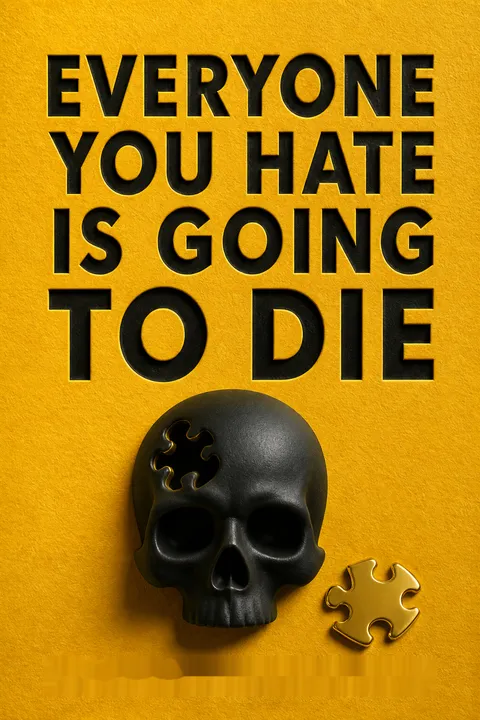
“拼图”比喻。 作者的脱口秀节目《拼图》曾引发数千次分手,让人们质疑伴侣是否真的适合自己,还是仅仅因为害怕不完整而强行拼凑。这揭示了许多关系是基于寻找缺失的那一块,而非两个完整的人自愿走到一起。
将就妥协。 害怕孤独让人们将就那些“第九好的选择”或第一个表示兴趣的人。作者指出,这正是离婚和不幸福的主要原因,因为对外面世界的好奇最终会浮现,往往是在婚姻多年之后。
2. 分手是必要的,尽管它很痛苦。
不分手才是真正的残忍。
留下的残酷。 作者强烈主张,留在一段自己不想要的关系中是极其自私的。每一刻和不真心想在一起的人相处,都是在剥夺对方寻找真正喜欢他们、能共度未来的人的时间。
分手总是痛苦。 分手没有捷径,即使是双方同意,也总是痛苦的。这是一个结束,是一章的闭合,失去某人在生活中的位置自然会让人感到悲伤,即使这段关系并不合适。
断绝联系至关重要。 为了疗愈和前行,必须彻底切断与对方的联系,包括:
- 删除照片和短信
- 取消社交媒体关注
- 避免接触,甚至暂时不做“朋友”
这种痛苦的断离被视为双方真正恢复和前进的必要过程。
3. 性对个人成长很重要,不应被过度浪漫化。
尽可能多地进行双方同意的性行为,掌握技巧,发现自己的喜好,深入探索自己和身体。
性是探索。 作者认为,处女膜不是珍贵的“失去”,而像乳牙一样,是成长的必经阶段。他鼓励年轻人多进行双方同意的性行为,了解自己、身体和喜好,不必把性看作“特别”或改变人生的事件。
“做爱”与“性交”的区别。 书中区分了两种性行为:
- 做爱: 情感深厚、亲密,需要连接。
- 性交: 本能、肉体、娱乐,可以纯粹是身体的。
两者都被视为有价值且必要。如果一切都是“做爱”,那就没有特别之处。
挑战羞耻与嫉妒。 作者批评对“荡妇”的羞辱和伴侣对过去性经历的嫉妒。他认为健康的性关系应接受自己和伴侣的过去,把它视为经验,而非贬低价值的东西。
4. 异性朋友提供独特视角和支持。
我认为拥有异性朋友非常重要。
不同视角。 异性朋友能提供对另一性别思维和体验的洞察,尤其在处理恋爱关系时极具价值。他们可以成为“情感导师”或对约会行为提供现实检验。
打破浪漫假设。 社会常假设异性朋友必然暗恋对方(“罗斯和瑞秋”模式)。作者认为这通常不真实,这些友谊的价值恰恰在于它们不是浪漫关系,提供了另一种深厚的纽带。
伴侣的挑战。 向伴侣介绍异性挚友可能因嫉妒和不安全感而困难。作者强调,在这种情况下忠诚应倾向于朋友,尤其当伴侣要求断绝友谊时,这往往是伴侣不安全或占有欲强的表现。
5. 家庭纽带复杂,选择的家庭可能比血缘更牢固。
“血浓于水”不仅是错误的观念,还是被误解的谚语。
重新解读谚语。 作者挑战“血浓于水”的常见理解,引用完整谚语“盟约之血比母亲之水更浓”,认为选择的纽带(盟约)比生物纽带(母亲)更强大。
成长影响。 父母是最初的重要关系,塑造了我们是谁,无论好坏。作者反思自己父母的影响,并对那些“糟糕父母”表示批评,认为并非人人都适合做父母。
兄弟姐妹与失去。 拥有兄弟姐妹的经历,包括失去姐姐,教会了保护、被迫的爱和应对悲伤。虽然生物兄弟姐妹重要,作者认为选择的朋友也能扮演类似甚至更有意义的角色。
6. 民族主义常显荒谬,但地方身份和玩笑极具力量。
我他妈的讨厌英格兰。
玩笑中的身份认同。 作者表达了对英格兰的深刻且常带幽默的厌恶,这构成了苏格兰身份和玩笑的核心,尽管他有英格兰的朋友和家人。这显示民族身份往往建立在共同的怨恨和戏谑上,而非对个体的真恶意。
政治挫败感。 这种“仇恨”源于对英国政治不尊重和权力不平衡的感受,尤其是苏格兰独立投票和被强行脱欧。作者觉得苏格兰的声音对英格兰大多数人毫无意义。
文化自豪感。 尽管政治挫折,作者对苏格兰文化充满自豪,从历史、城市(爱丁堡)到食物(哈吉斯、Irn-Bru)和传统(格子裙、乡村舞蹈)。这种地方自豪感被视为比广义民族主义更有意义的身份认同。
7. 美国人独特地善良,但也独特地令人沮丧。
大多数美国人真的是善良的人。
善良与敏感。 作者认为美国人真诚友好,乐于交谈,关心陌生人,这与更内敛的英国人不同。但这种善良伴随着对批评极端敏感,尤其是对国家的批评,常需先说“我爱美国,但……”
文化怪癖。 一些美国行为令外人困惑或沮丧:
- 飞机降落时鼓掌
- 电影院或电梯里大声说话
- 缺乏自嘲或理解玩笑
- 对小事极端反应(“我能找经理吗?”)
无知与宣传。 作者观察到部分美国人故意无知,受宣传(如福克斯新闻)影响,轻信被驳斥的谎言(如特朗普就职人群规模、拜登“痴呆”)。他觉得这种故意的愚蠢令人恐惧且独特。
8. 有毒关系情感伤害深重,利用同理心。
情感虐待难以察觉,因为你需要很长时间才能意识到发生了什么。
隐蔽性。 与身体虐待不同,情感虐待无形无痕,难以识别和证明。操控者会让受害者怀疑自己是在幻想虐待,或认为是自己的错。
利用同理心。 有毒伴侣常利用受害者的善良、信任和同理心,将这些优点转为武器。他们孤立受害者,破坏自尊,然后自我塑造为唯一可能爱这样“有缺陷”人的人。
长期影响。 逃离有毒关系困难重重,因为受害者自尊极低。心理创伤深远,导致未来难以信任伴侣,甚至多年后仍存自我怀疑。
9. 学会独处是避免将就有毒关系的关键。
人们如此害怕孤独,以至于宁愿接受糟糕的关系也不愿独处。
孤独恐惧。 作者认为,深层的孤独恐惧驱使许多人进入并停留在不健康的关系中。他们宁愿接受“糟糕的东西”,也不愿面对单身的空虚。
练习独处。 学会舒适甚至享受独处是一项重要技能。它帮助人们更好地了解自己,提高对潜在伴侣的标准——一段关系必须比单身更好,才值得追求。
挑战好莱坞叙事。 作者批评电影和电视很少正面描绘单身生活,反而聚焦孤独、不完整的角色,只有通过恋爱才能获得幸福。这助长了单身本质上不可取的神话。
10. 心理健康问题普遍存在,寻求帮助(如治疗)至关重要。
我认为事实是,我们都有心理健康问题。
普遍性。 作者认为心理健康不是非黑即白,有问题和无问题之分。每个人都会经历挣扎、焦虑和悲伤,区别在于严重程度和应对能力。
外部压力影响。 疫情加剧了心理健康问题,因失去外部认可(如表演)而被迫内省,导致自我批评和因未能高效产出而内疚。不断“做更多”的压力加重了困境。
寻求帮助的价值。 治疗被视为应对心理健康挑战的重要工具。作者用房屋失火比喻,治疗师帮助找出问题根源,提供管理工具,即使“火”无法完全扑灭。他主张为所有人提供免费且强制的治疗。
读者评价
《人人都将死去》这本书评价褒贬不一,平均评分为3.93分(满分5分)。许多读者认为书中充满幽默感和深刻见解,赞赏斯洛斯那种黑色幽默和巧妙的比喻。然而,也有部分读者觉得内容重复,结构松散,且过于依赖粗俗语言。喜欢斯洛斯脱口秀的粉丝普遍对这本书评价较高,而其他读者则觉得文字版的吸引力不足。书中涉及人际关系、死亡、心理健康及文化观察,常以喜剧的方式呈现,因而引起了不少读者的共鸣。
其他人还在读


常见问题
1. What’s "Everyone You Hate is Going to Die" by Daniel Sloss about?
- Comedian’s Take on Relationships: The book is a comedic exploration of relationships—romantic, familial, platonic, and even national—through the irreverent, brutally honest lens of Scottish comedian Daniel Sloss.
- Humor and Dark Honesty: Sloss uses dark humor and personal anecdotes to dissect the absurdities, challenges, and joys of human connection, including love, sex, friendship, and loss.
- Breaking Societal Norms: The book challenges conventional wisdom about love, happiness, and societal expectations, encouraging readers to question what they’ve been taught about relationships.
- Inspired by Stand-Up: Much of the book expands on themes from Sloss’s stand-up specials, especially "Jigsaw," which is infamous for causing thousands of breakups and divorces.
2. Why should I read "Everyone You Hate is Going to Die" by Daniel Sloss?
- Unique Comedic Voice: Sloss offers a refreshingly candid, often outrageous perspective on topics most people are too polite to discuss openly.
- Relatable and Cathartic: The book resonates with anyone who’s struggled with relationships, breakups, or societal pressure to conform.
- Encourages Self-Reflection: Readers are prompted to examine their own lives, relationships, and beliefs, often with a mix of laughter and discomfort.
- Not Just for Comedy Fans: While fans of Sloss’s stand-up will appreciate the book, its insights and humor are accessible to anyone interested in human behavior and modern life.
3. What are the key takeaways from "Everyone You Hate is Going to Die"?
- Self-Love Comes First: Sloss argues that happiness and fulfillment start with loving and understanding yourself, not relying on others to complete you.
- Question Relationship Norms: The book challenges the idea that being in a relationship is inherently better than being single, and warns against settling for mediocrity.
- Embrace Honesty and Humor: Facing life’s darkest or most awkward moments with honesty and humor can be liberating and healing.
- Toxicity and Boundaries: Recognizing and escaping toxic relationships—romantic or otherwise—is crucial for personal well-being.
4. How does Daniel Sloss define and approach relationships in "Everyone You Hate is Going to Die"?
- Relationships Are Not Obligations: Sloss rejects the notion that you must love or stay loyal to people just because of blood or history.
- Love Should Be Inconvenient: He believes true love is disruptive and inconvenient, not just a source of comfort or validation.
- Breakups Are Necessary: The book normalizes breakups and even celebrates them as acts of self-respect and growth.
- Friendship and Chosen Family: Sloss values chosen bonds over biological ones, emphasizing the importance of friends who challenge and support you.
5. What is the "Jigsaw" method or advice mentioned in "Everyone You Hate is Going to Die"?
- Jigsaw Analogy: Sloss’s "Jigsaw" is a metaphor for how people try to fit others into their lives to complete themselves, often forcing pieces that don’t belong.
- Breakup Catalyst: The "Jigsaw" stand-up special (and its philosophy) has inspired over 120,000 breakups and 300 divorces, as people realize they’re settling.
- Self-Completion: The core advice is to become a complete person on your own, rather than seeking someone else to fill your gaps.
- Wait for the Right Fit: Don’t settle for someone who only partially fits; wait for a relationship that genuinely complements your life.
6. How does Daniel Sloss address toxic relationships and emotional abuse in "Everyone You Hate is Going to Die"?
- Personal Experience: Sloss shares his own story of being in a toxic, emotionally abusive relationship, highlighting how subtle and damaging such dynamics can be.
- Manipulation Tactics: He describes common tactics of emotional abusers, such as isolation, gaslighting, and eroding self-worth.
- Escaping Toxicity: The book encourages readers to leave relationships that diminish them, regardless of guilt or fear.
- Not Your Responsibility: Sloss stresses that you are not responsible for fixing or saving toxic partners, especially if they threaten self-harm to manipulate you.
7. What does "Everyone You Hate is Going to Die" say about family, siblings, and childhood?
- Family Isn’t Sacred: Sloss challenges the idea that family bonds are unbreakable or always positive, advocating for boundaries with toxic relatives.
- Sibling Dynamics: He shares both heartfelt and darkly funny stories about his siblings, including the loss of his disabled sister, to explore grief and forced love.
- Only Children and Empathy: The book humorously claims only children are less empathetic, using sibling rivalry and protection as a lens for understanding love and loss.
- Parental Influence: Sloss credits his parents for shaping his worldview, but also pokes fun at the randomness and flaws of parenting.
8. How does Daniel Sloss discuss sex, gender, and modern dating in "Everyone You Hate is Going to Die"?
- Sex Positivity: Sloss advocates for a healthy, shame-free approach to sex, encouraging exploration and rejecting slut-shaming.
- Gender Stereotypes: He mocks outdated gender roles and highlights the importance of understanding the opposite sex, especially through friendships.
- Dating Apps and Hookup Culture: The book offers a comedic but insightful look at Tinder and the differences in dating experiences for men and women.
- Virginity and Experience: Sloss dismisses the idea that your "first time" is sacred, arguing that sexual experience is valuable for personal growth.
9. What are Daniel Sloss’s views on friendship, especially with the opposite sex, in "Everyone You Hate is Going to Die"?
- Value of Opposite-Sex Friends: Sloss believes having close friends of the opposite sex is crucial for personal development and empathy.
- Platonic Relationships: He debunks the myth that men and women can’t be just friends, using his friendship with Jean as a central example.
- Jealousy and Boundaries: The book discusses how romantic partners often feel threatened by these friendships, and why that’s a sign of insecurity.
- Chosen Family: Sloss elevates the importance of friends who challenge, support, and call you out, sometimes more than family.
10. How does "Everyone You Hate is Going to Die" use humor to address serious topics like death, grief, and mental health?
- Laughing at Darkness: Sloss uses dark, sometimes shocking humor to make taboo subjects like death and grief more approachable and less isolating.
- Personal Loss: He shares the story of his sister’s death and his own struggles with mental health, using jokes to process pain and connect with readers.
- Therapy and Self-Reflection: The book normalizes therapy and self-examination, often making fun of his own resistance and breakthroughs.
- Breaking Taboos: By joking about topics people usually avoid, Sloss encourages open conversations and emotional honesty.
11. What are the best quotes from "Everyone You Hate is Going to Die" and what do they mean?
- “Everyone you hate is going to die. But so will everyone you love, so maybe it’s not as comforting as I thought!” — Highlights the universality of death and the futility of holding grudges.
- “If your other half completes you, why on earth didn’t you try to fill that void yourself first?” — Challenges the idea of needing someone else to be whole.
- “You are not responsible for the happiness of other human beings.” — Emphasizes personal boundaries and self-care in relationships.
- “Love should be the most inconvenient thing in the world.” — Suggests that true love disrupts your life in profound, unexpected ways.
- “If you’re in a relationship with someone you don’t want to be with, allow me to try and inspire you to get out of it.” — Encourages readers to leave unfulfilling relationships for their own well-being.
12. How does "Everyone You Hate is Going to Die" address cultural and societal issues, including nationalism, America, and masculinity?
- National Identity and Banter: Sloss humorously explores Scottish identity, the love-hate relationship with England, and the absurdity of nationalism.
- Critique of America: He offers both affectionate and scathing observations about American culture, politics, and the myth of American exceptionalism.
- Masculinity and "Lads": The book examines male friendships, toxic masculinity, and the importance of emotional vulnerability among men.
- Societal Conditioning: Sloss critiques how society pressures people into relationships, marriage, and conformity, urging readers to question these norms and find their own path.
下载 PDF
下载 EPUB
.epub digital book format is ideal for reading ebooks on phones, tablets, and e-readers.








































