
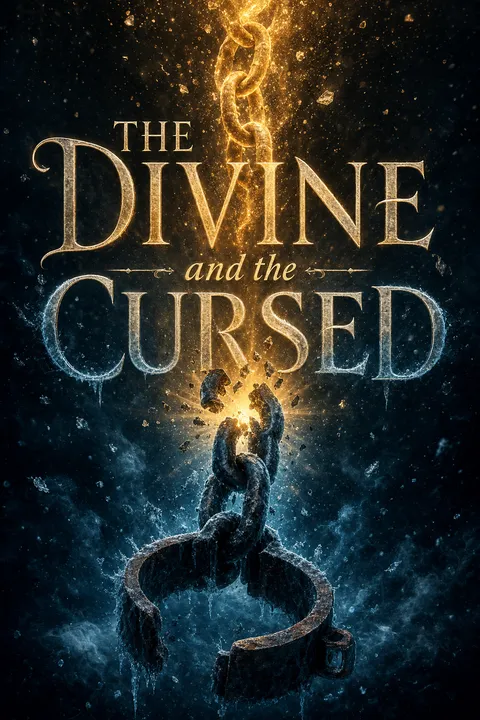


Plot Summary
Sixteen Months in Chains
Arianna,1 shackled for sixteen months, trudges with a slave caravan through freezing rain, concealing that she is no half-breed but a pureblood princess of Móirín carrying rare magic. Warriors from Brónach ambush the column, cutting down slaves around her, until a towering dark-skinned commander beheads her attacker and orders the survivors kept alive.
Marched into a vast enemy war camp, she realizes this is the domain of The Demon,2 the most feared warrior on the continent. Iron suppresses her power like slow drowning. She clings to one promise, that Talon,3 her childhood love, swore to find her, and hides her heritage knowing discovery means torture, death, and the collapse of her sister's future empire.
The opening weaponizes concealment as survival. Arianna's royalty is not privilege but liability, inverting the fairy-tale princess trope: her value makes her lethal to carry and lethal to reveal. Reed frames enslavement through sensory deprivation, the iron a metaphor for a self she cannot access. Her refusal to let a dying enemy suffer, even amid slaughter, establishes the moral spine of the book: life as intrinsically sacred regardless of allegiance. The narrative also plants the war's machinery, Móirín versus Brónach, and the mythic weight of The Demon, so that later intimacy will feel transgressive. Hope, embodied by an absent protector, becomes both anchor and eventual complication.
Offered to The Demon
After Arianna1 bites a warrior and lets a flicker of magic slip, Lan10 and his comrades decide to dump her in the general's cabin as an offering, betting The Demon2 will kill or use her. Scrubbed and forced into rags, she is shoved inside to wait, trembling. He returns reeking of blood, red hair and emerald eyes, wielding a cursed magic of sand and earth that his own people usually destroy in infancy.
His power crawls across her bared neck. Yet he does not kill her. He simply bathes, ignores her entirely, and sleeps. Surviving that first night, Arianna1 settles on a private mantra: earn his favor, plot, escape, treading the razor between usefulness and disposal.
The scene stages dread through anticlimax. Every expectation the reader and Arianna carry, assault, murder, cruelty, is withheld, and that withholding becomes its own tension. Rion's indifference reads not as mercy but as calculation, yet it cracks the monolithic legend the camp built around him. The cursed magic marks him as a scapegoat figure, a being condemned before choice, mirroring Arianna's own persecuted difference. Reed uses domestic ritual, bathing and sleep, to humanize the mythic, and the sacrificial framing exposes the misogyny of the camp's economy, where a female body is currency. Arianna's mantra reveals a survivor's pragmatism that will slowly erode into something far more dangerous: attachment.
Earning the Monster's Favor
Left alone for days, Arianna1 scrubs the filthy cabin, cooks, and studies guard rotations for an eventual escape. Zylah,5 a slave who has survived a rare full year, teaches her the camp and whispers the general's name: Rion,2 a name no one dares speak aloud. She also warns that slaves brought to his cabin usually vanish within days.
When Rion2 returns, he forces Arianna1 to taste the stew first, slicing her hand open with his magic, convinced she means to poison him. Only after she drinks does he eat, nearly moaning at the flavor. A wary routine hardens: she serves, he tolerates, neither speaks. She notices that at rest he smells not of gore but of sandalwood and warmth, unsettling everything she was taught.
Naming is power, and learning Rion is not merely The Demon but a person cracks the mythology further. Reed builds intimacy through labor and food, the oldest languages of care, while keeping the threat live through the poison test, a gesture that reveals Rion's own history of betrayal before he ever voices it. Zylah functions as chorus and conscience, grounding Arianna's fantasy in the brutal statistics of survival. The disjunction between the monster's scent and his reputation dramatizes the book's central epistemology: perception shaped by inherited fear versus lived observation. Arianna's cognitive dissonance, cataloguing kindnesses she cannot reconcile with legend, sets the machinery for empathy to overwhelm ideology.
The Secret Torn Open
Lan10 and two others corner Arianna,1 having deduced she comes from Móirín, and attack to kill her quietly. Cornered, she abandons her disguise, shifting fully Fae and hurling water and ice against their vine magic before the watching camp. Rion2 arrives mid-battle and, learning the truth, does not defend his own men. He shreds Lan10 and his comrades apart with his sand, then interrogates her.
Arianna1 admits she is close to the royal family, kept enslaved by shackles, waiting for Talon3 to come. She insists vengeance accomplishes nothing and that she could never defeat him, so killing him would be suicide. Amused by her blunt honesty, Rion2 spares her yet again, fascinated that an enemy's daughter harbors no thirst for his blood.
The reveal detonates the disguise that structured Arianna's survival, forcing her from concealment into open magical combat. Rion's choice to slaughter his own soldiers rather than his enemy is the first inversion of tribal loyalty, signaling that his allegiance is idiosyncratic, not national. His interrogation functions as courtship disguised as threat: he is testing whether her gentleness is authentic or strategic. Arianna's philosophy, that vengeance yields nothing, positions her as a moral counterweight to a war-forged world. Reed lets curiosity, not lust, be the hook between them, elevating the enemies-to-lovers arc above mere attraction into a meeting of incompatible worldviews that each finds unaccountably magnetic.
A Kindness for a Kindness
Rion2 staggers home gutted and bleeding out, collapsing on the cabin floor and seizing Arianna's1 throat on half-conscious instinct. She could let Alastríona's1 nightmare die, and Talon's3 imagined voice urges exactly that. Instead she presses her hands to the wound and reveals her rarest gift: she is a healer, the first in millennia, which marks her as The Divine, rightful queen of every Fae.
Through his agony she knits torn muscle and tendon, then hauls him to his bed. When he rasps why she saved him, she answers that she simply could not watch him die. The moment binds them irrevocably. He now knows precisely what she is, and she has handed her most dangerous secret directly into her enemy's grasp.
This is the book's structural fulcrum, where power inverts. The slave becomes the one who holds life and death over the tyrant, and she chooses mercy against every rational and vengeful argument. Reed reveals The Divine identity precisely at the moment of moral test, fusing political destiny with personal ethics: to be queen is to heal indiscriminately. Rion's involuntary chokehold externalizes his trauma, fear as violence, while her steady healing rewrites their dynamic from captor and captive to mutual vulnerability. The exchanged secret creates a hostage situation of trust: each could now destroy the other. Compassion, framed as reciprocal debt, becomes the seed of a bond neither yet understands.
Talon Learns She Lives
In Móirín, Talon3 mourns, blaming himself for the night slavers seized Arianna1 after he pushed her canoe upstream to safety. Her father, High Lord Avalon,8 has declared her dead and urged a funeral, but Talon3 refuses to abandon the hunt. At the winter solstice festival in the capital, Levea, he watches the Fairy Folk dance and Ellie,4 Arianna's1 spirited younger sister, flirt with her half-breed suitor.
Wandering off alone, Talon3 catches Arianna's1 scent near her favorite pool and discovers a single frozen rose wound with a strand of her dark hair, left by the Fairy Folk. It confirms what his grief kept insisting: she is alive somewhere across enemy lines, and he will not stop until he brings her home.
Shifting perspective to Talon dimensionalizes the love triangle before it exists, granting the rival genuine devotion rather than obstacle status. His guilt operates as a mirror to Rion's: both men measure worth by their capacity to protect Arianna. Reed uses the solstice, a festival of renewal, ironically, surrounding a mourning man with communal joy. The Fairy Folk, established as drawn to Arianna, become supernatural messengers, their frozen rose an image of preserved hope and suspended time. The scene also seeds Ellie and Kieran, and Avalon's pragmatic grief, widening the political stakes. Crucially, it ensures the reader's loyalties are divided, so Arianna's coming choice carries real cost on every side.
She Doesn't Run
Given a clear chance to flee while Rion2 is away, Arianna1 instead walks to the river and dances with the water for the first time in over a year, and the Fairy Folk gather around her without fear. Rion2 returns to an empty cabin, assumes betrayal, and stalks after her, only to find her performing, sprites playing at her feet.
To his astonishment, the sacred creatures play in his sand too, evidence to him that she might truly see past the monster. They talk: he confesses his mother fled, his father tried to kill him, that he expects betrayal and is forbidden love by ancient decree. Arianna1 names him not a monster but lonely, and beneath the trees they kiss, both shaken by what it means.
Arianna's decision not to escape is the true point of no return, choosing connection over freedom and betraying her own survival mantra. The Fairy Folk operate as a moral litmus: their fearlessness toward Rion validates what fear cannot see, granting him a legitimacy his people deny. Reed stages the water dance as reclaimed selfhood, magic as identity restored, and it is precisely this authenticity that draws him. Rion's confession reframes villainy as consequence of abandonment and prophecy, the cursed-to-be-loveless decree that the romance will spend the book contesting. Her diagnosis, loneliness rather than evil, is the psychological thesis of the novel: monstrousness as manufactured isolation, and love as the disruptive, terrifying antidote.
Bait for the Demon
A spy reports the kiss, and warriors abduct Arianna,1 dragging her to a clearing where dozens have massed to assassinate The Demon2 using her as bait. Eoghan,6 the dark-skinned commander who once spared her, protects her and reveals he suspects she is The Divine. Rion2 tears into the ambush, but the leader presses a blade to her throat.
Arianna1 forces Eoghan6 to unshackle her and, for the first time in her life, kills, driving stolen blades and draining the water from living bodies to fight beside Rion.2 Together they annihilate the attackers. When Rion2 turns his fury on the surrendered Eoghan,6 Arianna1 throws herself between them, refusing to let him execute the male who shielded her, and Rion,2 seething, relents.
The abduction converts private romance into political weapon, exposing how loving The Demon endangers everyone near him. Arianna's first kills mark a devastating threshold: the healer becomes a taker of life to preserve the one she loves, a contradiction that will haunt her. Reed refuses cheap catharsis; the violence sickens Arianna even as it is necessary. Eoghan emerges as the theological witness, recognizing The Divine and modeling devotion untethered from Brónach's cruelty. Her interposition to save him tests the fragile trust with Rion, whose rage is grief at nearly losing her. The scene dramatizes love's moral cost: to protect, she must become partly what she abhors, complicating any clean redemption.
The Divine Reveals Herself
Eoghan6 kneels and pledges loyalty to Arianna1 as his queen. Soon after, defending Zylah5 from a warrior's beating, Arianna1 wields her magic openly, and Rion2 publicly claims her, warning the entire camp that anyone who touches her will suffer slowly. Discovering the infirmary tents, where wounded warriors rot untended, she decides to stop hiding.
She heals soldier after soldier until crowds gather outside the cabin whispering the legend of The Divine, and the enemies who once leered now bow. Overtaxed, she collapses from magical exhaustion. Rion,2 terrified, carries her home, no longer caring who watches him fuss over a Móirín slave. Her identity is now open camp knowledge, and her power begins reshaping how the whole of Brónach regards her.
Arianna steps into vocation, transforming from concealed survivor to public healer-queen, and the act is explicitly political: mercy as a challenge to Brónach's brutal hierarchy. The infirmary scene indicts war's disposability of bodies and positions healing as radical dissent. Her collapse insists that even the Divine has limits, that compassion extracts a toll. Rion's public claiming and open terror invert his monster persona, letting a private tenderness become visible without shame. Reed uses Zylah's plight to keep systemic slavery in frame, reminding the reader that romance unfolds atop atrocity. The worship of the warriors foreshadows Arianna's larger destiny to unite the continent, seeding the question of whether queenship can coexist with the cursed love she has chosen.
Monsters in the Mountains
Rion2 leads Arianna1 into the forbidden mountain forest she was raised to fear, swearing nothing will harm her. There the Dark Fae, towering tree-like beings rumored to steal souls, approach in peace; Rion2 explains they are kindred to the Fairy Folk, blamed only because they carry the dead to the forest's edge. Arianna1 touches one and feels life, not death.
At his hidden cabin, crowded with figurines he carved through decades of solitude, Rion2 shares his history and his fear that she could unmake him with a single touch. He offers her his very life. Instead she loves him, and they give themselves to each other for the first time, Rion2 weeping as years of enforced isolation finally break apart in her arms.
The mountain journey literalizes the novel's argument about inherited prejudice: the monsters of legend are simply the misunderstood tending the dead. By touching the Dark Fae, Arianna performs the empathy the whole culture withholds. Rion's carved figurines externalize a tenderness no one ever witnessed, a private artistry surviving beneath the killer. Offering his life while fearing her touch, he stages absolute vulnerability, trust as terror overcome. Their consummation, marked by his weeping, reframes physical intimacy as emotional exorcism rather than conquest, subverting the alpha-warrior fantasy. Reed positions the hidden cabin as a sanctuary outside war and hierarchy, a fragile utopia the plot must inevitably breach, making the tenderness ache with foreknowledge of loss.
Poison and a Rescuer
Eoghan6 braves the mountains to report that Móirín ambushed Brónach's northern village and warriors are dying. Rion2 and Arianna1 race back into a staged trap of explosions, fire, and the assassins who escaped before, who have poisoned Rion.2 As his lungs shut down, Arianna1 fights a swarm alone until Talon,3 who tracked Rion's2 scent to find her, storms in and cuts the attackers down.
Recognizing Rion2 as The Demon2 he once nearly killed, Talon3 still helps her carry him to a hidden den. There she performs an agonizing extraction, drawing poison from his blood cell by cell as he screams. Rion2 survives. Arianna,1 Talon,3 and the enemy general now share a single cave, the war's fiercest rivals bound by one woman's will.
The reunion of Arianna's two loves inside a poisoned crisis collides the novel's storylines with maximum friction. Talon's willingness to save the man he despises reveals that his devotion to Arianna outranks his hatred, deepening him beyond rival. The torturous healing dramatizes love as suffering endured for another, echoing Rion's earlier near-death and reinforcing the reciprocity motif. Reed uses the enemy-turned-savior irony to interrogate the arbitrariness of war's sides. The forced cohabitation of the den compresses three incompatible loyalties into one space, generating the pressure that will detonate in Talon's coming manipulation. The scene also plants the deeper mystery: who truly orchestrates these ambushes, gesturing toward a hidden hand behind the decade of bloodshed.
The Cruelest Lie
Through the night, Arianna1 tells Talon3 everything and the two males settle into an uneasy truce. But Talon3 privately argues that a life beside The Demon2 means endless danger and a ruined name, and urges Rion2 to vanish. Believing he can never give her the life she deserves, Rion2 agrees.
At dawn he dons his monster's mask and tells Arianna1 the entire romance was a game, that he never wanted her, that she was merely a sweet plaything chosen by his commanders. His heart hammers with the effort of the lie, but she is left screaming in the dirt as he sprints away. Rion2 turns toward Brónach's capital, and Talon3 escorts a hollowed, broken Arianna1 home to Móirín.
This is the sacrificial betrayal, self-abnegation disguised as cruelty, a staple of romance rendered here through Rion's conviction of unworthiness. Talon's manipulation is not villainy but a competing love that mistakes control for protection, revealing how devotion can become possessive erasure of the beloved's agency. The detail of Rion's racing heart betraying his lie is the tell that keeps hope alive for the reader while Arianna is denied it. Reed dramatizes internalized stigma: Rion accepts the world's verdict that a monster forfeits happiness. The scene weaponizes the earlier established fear of betrayal, turning the man terrified of being abandoned into the one who abandons, a tragic self-fulfillment that the plot must later redeem.
Her Mother's Killer
Reunited with Avalon8 and Ellie4 in Levea, Arianna1 refuses to let her people believe Rion2 tortured her. Enraged that his daughter lay with The Demon,2 Avalon8 delivers a crushing blow: Rion2 supposedly murdered her mother, Lillian, the act that ignited the decade-long war, a truth hidden from her since childhood. She collapses.
Meanwhile Rion2 reaches Nàdair, where his loving sister Saoirse7 tries to reach him and his brother Alec,9 the High Lord, radiates hatred. Rion2 privately tells Saoirse7 he never killed Lillian; a shadow weaver from Fiadh did, and he merely let the world blame him. For a month Arianna1 grieves, torn between a love she cannot extinguish and a crime she cannot forgive.
The revelation fuses the personal and political catastrophes: the war Arianna hopes to end and the mother she lost share a single alleged culprit, her lover. Avalon's paternalism, hiding the truth to forge strength, mirrors the broader theme of narratives imposed to control. Reed splits the chapter between two grieving households, paralleling Arianna's shattering with Rion's return to familial rejection, and quietly plants the exculpating truth for the reader while withholding it from Arianna. Saoirse and Alec introduce Rion's origin wound, the family that condemned him. The dramatic irony, that Arianna mourns a crime he did not commit, converts grief into suspense, and the shadow weaver detail redirects blame toward the war's true, unseen architect.
Fiadh's Shadow War
Scouts reveal that Fiadh, the war's secret architect, is marching ten thousand shadow weavers on Móirín. Saoirse7 convinces Alec9 to break a decade of enmity and aid Móirín, and confesses the buried family secret: she, not Rion, killed their father to save her brother's life. Rion2 races ahead to Levea, which is already burning as Fiadh's warriors butcher civilians.
He saves Ellie,4 gravely wounded, then throws his sand around Arianna1 and Talon,3 fighting back-to-back with Talon3 to break the assault. Afterward Arianna1 demands the truth and Rion2 swears he never harmed her mother and that his cruel farewell was a lie. Still overwhelmed, she flees into Talon's3 arms, and Rion2 once again disappears into the smoke.
The external threat escalates into open warfare, exposing that the true enemy was never Brónach but Fiadh's manipulation, collapsing the moral binary the whole conflict rested upon. Saoirse's confession detonates Rion's origin lie, revealing that the sibling who loved him let him bear her guilt, a mirror of Rion's own habit of accepting blame to protect others. His rescue of Ellie and alliance with Talon dramatize redemption through action rather than words. Yet Arianna's flight to Talon shows trauma outpacing truth: knowing he is innocent cannot instantly heal a month of grief. Reed stages catharsis withheld, positioning the climax to resolve not information but emotional allegiance and the still-denied bond.
The Bond That Saves Him
Avalon8 grants peace only if The Demon2 is executed, and Rion,2 weary of fighting and certain of his unworthiness, submits to the chains. As Móirín's ceremonial Fae freeze him to death in the sacred pool, Arianna1 is drawn by a strange scent of magic and death to the execution ground. When their eyes meet, the mate bond she had been denying braids into place, unbreakable.
She erupts, flinging the Fae aside, thawing and healing his frozen body, and pinning her own father with ice as she declares Rion2 hers. Eoghan6 smuggles her the keys to his shackles. Freeing him, she finally hears his full tragic history and refuses to run, vowing that he will never spend another day alone.
The climax literalizes destiny confirming choice: the mate bond activates precisely when Arianna nearly loses him, externalizing a love she consciously resisted. Reed turns the freezing execution into a grotesque mirror of the iron shackles that opened the book, closing the imprisonment motif by having the once-powerless slave overpower even her king-father. Rion's submission is the culmination of his self-condemnation, and her defiance is the refutation the ancient decree deserved: the cursed can be loved. His full backstory, delivered after she has already chosen him, insists that acceptance precedes full knowledge, love as commitment rather than verdict. The bond overrides prophecy, hierarchy, and paternal authority, asserting chosen devotion over inherited fate.
Shadows Still Gather
Talon,3 no longer bowing to Avalon8 but serving his queen, hauls a captured Fiadh warrior before the High Lord. From that prisoner and from Rion2 himself, he has confirmed the war's real architect: the estranged, shadow-weaving son of Fiadh's High Lord, who murdered Lillian to pit Móirín and Brónach against each other, possibly backed by distant Pádraigín.
With Rion2 spared, Arianna's1 bond made undeniable, and the two great nations now uneasy allies, the old grievances give way to a new alarm. Talon3 warns that Fiadh's shadows are massing and that a far greater war approaches. The lovers have survived their private reckoning, but the continent itself tilts toward its next, larger conflict.
The closing beat reframes the entire novel retroactively: a decade of grief and slaughter was a manufactured deception, indicting how easily peoples are turned against one another by hidden interests. Talon's evolution, from obedient soldier to sworn servant of his queen, signals a shifting political order aligned with Arianna's healing rule rather than Avalon's vengeance. Reed resolves the personal arc while deliberately widening the aperture, converting resolution into threshold. The shadow weavers, previously atmospheric menace, become the coming antagonist, and Pádraigín's rumored involvement enlarges the map. The ending argues that private love has been secured, but the systemic work of a queen, unmasking manipulation and forging true peace, has only begun.
Analysis
Reed's romantasy interrogates how societies manufacture monsters and then punish them for the shape they were forced into. Rion,2 condemned from birth for a magic he never chose, weaponizes his own terrifying reputation because fear is simpler than the impossible labor of persuading people who have already judged him. Against this, Arianna1 embodies a radical ethic of indiscriminate compassion: she heals enemies, spares captors, and refuses vengeance even for her mother, insisting that inherited prejudice, not blood, sustains the war. The recurring symbols, the fearless Fairy Folk, the misunderstood Dark Fae, the reclaimed water dance, all argue that perception shaped by legend blinds people to lived truth. The novel's most sophisticated move is revealing the entire decade of Móirín versus Brónach carnage as manufactured by a hidden third party, Fiadh, a pointed allegory for how populations are turned against each other by unseen interests while the real architects profit. Psychologically, the book studies trauma's grammar: Rion2 equates touch with betrayal and love with the knife, so intimacy for him is exposure survived rather than pleasure taken, and his self-condemnation nearly completes the destruction his enemies could not. Talon3 complicates the romance not as a cardboard rival but as a competing love that mistakes control for care, dramatizing how devotion can erase the beloved's agency. The iron shackles and the freezing execution frame the story with images of imprisonment, so that liberation becomes the through-line, freeing magic, freeing truth, freeing love from decree. Ultimately Reed argues that destiny does not overrule choice but confirms it: the mate bond ratifies a love Arianna1 already elected through will. Redemption here is not the erasure of sin but the refusal to let a wounded soul remain alone.
Review Summary
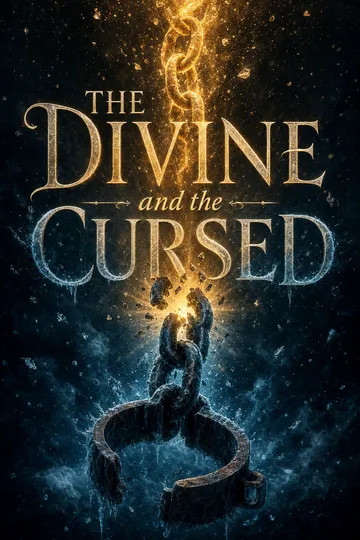
The Divine and the Cursed received mixed reviews. Many praised its engaging plot, enemies-to-lovers romance, and character development. Readers enjoyed the magical world-building and emotional journey of the protagonists. However, some criticized the insta-love, pacing issues, and lack of depth in certain areas. The writing style and editing were points of contention. While some found it a captivating read with compelling characters, others felt it lacked originality and had problematic elements. Overall, it appealed to fans of fantasy romance but divided opinion on its execution.
People Also Read
Characters
Arianna
Hidden healer princessThe eldest daughter of Móirín's High Lord8, enslaved for sixteen months and disguised as a half-breed to hide both her royalty and her exceptionally rare healing magic. Raised to believe herself too meek and weak to lead, passed over as heir in favor of her sister4, she carries a wounded self-worth beneath genuine, almost radical compassion. Her defining conviction, learned from her late mother, is that all life is sacred regardless of allegiance, a belief that makes her incapable of vengeance even toward captors. Torn between duty to her people, loyalty to her childhood love Talon3, and a forbidden pull toward her enemy, she matures from frightened survivor into a woman who claims her own power and destiny.
Rion
The feared Demon generalBrónach's most dreaded warrior, cursed with rare earth-and-sand magic his people usually kill at birth. Abandoned by his mother, nearly murdered by his father, and betrayed repeatedly, he learned that trust invites the knife, so he cultivates terror as armor and expects betrayal from everyone. Beneath the monster lives a lonely artist who carves figurines, protects the enslaved, and craves affection like a starving child. Ninety-three years old and convinced he is unworthy of love by both temperament and ancient decree, he is disciplined, observant, and quietly tender in private. His arc pivots on whether he can accept being seen, trusted, and loved without waiting for the inevitable wound.
Talon
Devoted childhood protectorA gifted young Móirín warrior and strategist, an eagle-shifter, who is Arianna's1 oldest friend and once-kissed almost-love. Consumed by guilt for the night she was taken, he searches relentlessly long after her father declares her dead. Loyal, honorable, and fiercely protective, he embodies a love that occasionally curdles into control, mistaking his judgment of what is best for her genuine care. Brave and self-sacrificing, he struggles to reconcile duty to his High Lord8 with an emerging loyalty to Arianna1 herself.
Ellie
Spirited younger sister, heirArianna's1 stubborn, optimistic younger sister, chosen by their father as heir to Móirín for her strength and willingness to speak hard truths. She loves chocolate, defies convention, and carries on a secret romance with a half-breed11. Fiercely devoted to Arianna1, she is the emotional anchor who insists on taking grief one day at a time and refuses to give up hope.
Zylah
Hardened fellow slaveA half-breed slave who has survived a rare full year in the war camp and takes Arianna1 under her wing, teaching her its rules and dangers. Bruised and weary but stubbornly caring, she watches over the other captives and refuses to abandon them. Her pragmatic warnings about trusting the general2 voice the reader's skepticism about the romance.
Eoghan
Loyal snow-leopard commanderA dark-skinned Brónach commander and shifter who spares Arianna1 early and later devotes himself to her, recognizing her as The Divine before others do. Vocal about his beliefs and unusually principled for his ruthless country, he risks everything to protect her, offering his life and service. Steadfast, watchful, and quietly faithful, he becomes her first sworn guardian.
Saoirse
Rion's loving sisterRion's2 older sister, who raised him after their mother vanished and carries a lifetime of guilt over failing to protect him from their people's cruelty. Politically shrewd and compassionate, she softens her brother Alec's9 harsh rule and secretly cares for the enslaved. Her enduring love for Rion2 drives her to attempt reconciliation and to push for change she believes might redeem them both.
Avalon
Grief-hardened High LordArianna's1 father and Móirín's centuries-old ruler, who hardened his daughters through harsh expectation while hiding the truth of his mate's death to keep them from fear. Consumed by grief and vengeance over his lost mate Lillian, he can be tyrannical and unyielding, yet his cruelty masks a fierce, wounded love for his children.
Alec
Brónach's hateful High LordRion's2 elder brother and Brónach's ruler, who blames Rion2 for their father's death and radiates hostility, yet relies on his brother's unmatched strategic talent. Proud and formidable, he is capable of reconsidering when confronted with buried truths.
Lan
Cruel scar-lipped warriorA sadistic Brónach warrior with a scar at his lip who torments the captured slaves and helps deposit Arianna1 in the general's cabin. His contempt and violence embody the camp's brutality toward half-breeds.
Kieran
Ellie's half-breed suitorA copper-haired half-breed male in secret, serious romance with Ellie4, known only to her and Talon3. Gentle and devoted, he represents Móirín's more humane attitude toward half-breeds and the love that defies her father's expectations.
Plot Devices
Iron shackles
Magic suppression and captivityIron cuffs that veil a Fae from their own magic, described as a slow drowning rather than a burn. They keep Arianna1 powerless and disguised through sixteen months of slavery, forcing her to hide her royal heritage and rare gifts. Their eventual removal restores her full Fae form and abilities, making them both a literal prison and a metaphor for a suppressed self. Reed bookends the story with iron: the shackles that open the novel and a chained execution near its climax, so freedom becomes measurable by the presence or absence of the metal. Who holds the keys, and who removes them, marks each shift of power and allegiance across the narrative.
The Divine's healing
Marks the rightful queenAn ability to heal any injury by manipulating the body with magic, unseen for millennia and reserved for The Divine, the prophesied monarch destined to rule all four Fae nations. Arianna1 hides it out of fear of the responsibility it demands. Each time she uses it, it reveals more of her identity: first to Rion2, then to a loyal commander6, then to an entire war camp that begins to worship her. The gift embodies the novel's ethic that mercy transcends allegiance, since she heals enemies as readily as allies. It also exacts a cost, draining her to collapse, insisting that even divine compassion has limits and consequences.
Fairy Folk and Dark Fae
Moral litmus for characterSacred, ancient creatures whose fearless response to a person signals inner worth beyond reputation. The flower-headed Fairy Folk have always adored Arianna1 and, tellingly, play unafraid in Rion's2 magic, evidence that the feared Demon2 is not truly evil. The towering Dark Fae, rumored to devour souls, prove to be misunderstood kindred spirits who merely carry the dead to the forest's edge. Reed uses both to dramatize the book's thesis that monstrousness is often manufactured by inherited fear. The Fairy Folk also serve as messengers, leaving a frozen rose that confirms Arianna1 is alive, and their acceptance repeatedly validates connections the wider world would condemn.
The false confession
Misdirects blame and warRion's2 habit of accepting guilt for crimes he did not commit to protect others or because the world already condemns him. He lets everyone believe he murdered Arianna's1 mother, an act that ignited a decade of war, when the true killer was a shadow weaver from Fiadh. The same pattern recurs across his past, taking blame that belongs to his sister7 and enduring exile rather than defending himself. This device drives the central tragic misunderstanding between the lovers and, once unraveled, exposes the war's hidden architect. It reframes Rion's2 monstrousness as partly self-imposed martyrdom and turns the plot's resolution into an act of restoring suppressed truth.
The mate bond
Destiny confirms chosen loveAn unbreakable soul-tether that snaps into place between fated Fae partners, felt as a physical cord that strengthens over time. Introduced early as something Arianna1 fears and doubts, since ancient texts claim The Divine's mate must come from another nation and that Rion2 is cursed to be loveless, it hangs over the romance as an obstacle. The bond activates at the moment of greatest peril, overriding prophecy, hierarchy, and even her father's authority, and its sudden clarity powers the climax. Reed uses it to argue that destiny confirms rather than dictates: the bond ratifies a love Arianna1 had already chosen through will, not fate alone.
FAQ
Synopsis & Basic Details
What is The Divine and the Cursed about?
- A Fae's harrowing journey: The Divine and the Cursed follows Arianna, a pureblood Fae princess with rare healing magic, who is captured and enslaved, forced to hide her true identity as a half-breed. Her struggle for survival leads her into the brutal Brónach camp, where she becomes entangled with Rion, the feared general known as "The Demon."
- Unlikely bond forged in war: The narrative explores the complex, evolving relationship between Arianna and Rion, as her compassion and healing power begin to chip away at his hardened exterior, revealing a deeply traumatized and isolated individual. Their forbidden connection challenges societal prejudices and the long-standing war between their Fae nations.
- Prophecy, betrayal, and redemption: The story delves into themes of destiny versus choice, as Arianna grapples with her prophesied role as The Divine—a queen meant to unite the Fae—while uncovering a conspiracy that fueled the decade-long war. Ultimately, it's a tale of love's power to heal deep wounds, challenge ingrained hatreds, and forge a new path for a fractured world.
Why should I read The Divine and the Cursed?
- Deep psychological exploration: Readers should delve into The Divine and the Cursed for its unflinching look at trauma and its impact on identity, particularly through Rion's complex character. The novel masterfully portrays how a "monster" is made, and the profound journey towards self-acceptance and redemption, offering a nuanced perspective on good and evil.
- Emotionally resonant relationships: The book excels in crafting intricate relationship dynamics, from Arianna's unwavering compassion for her captor to Talon's fierce, yet ultimately selfless, loyalty. The central romance between Arianna and Rion is a slow-burn exploration of trust, vulnerability, and fated connection, making it a compelling read for those who enjoy emotionally charged narratives.
- Subversion of fantasy tropes: J.E. Reed skillfully subverts common fantasy tropes, presenting a "cursed" general who is capable of profound love and a "Divine" queen who is deeply flawed and traumatized. The world-building, with its distinct Fae nations and elemental magic, provides a rich backdrop for a story that challenges preconceived notions of destiny and power.
What is the background of The Divine and the Cursed?
- A continent divided by war: The story is set on Alastríona, a continent inhabited by various Fae nations (Móirín, Brónach, Fiadh, Pádraigín) locked in a decade-long war. This conflict is the primary backdrop, shaping characters' lives and motivations, and is later revealed to be rooted in a deep-seated conspiracy rather than inherent animosity.
- Elemental magic and societal structures: Each Fae nation is associated with a primary elemental magic (Móirín with water, Brónach with earth), influencing their culture and societal norms. Brónach, for instance, is depicted as harsh and military-oriented, maintaining order through brute force and a strict hierarchy, contrasting with Móirín's more fluid, compassionate approach.
- Ancient prophecies and hidden powers: The world is steeped in ancient legends, particularly the prophecy of "The Divine"—a Fae queen with unique healing abilities destined to unite the continent. This prophecy, along with the existence of "cursed" magic like Rion's earth manipulation, forms a crucial part of the world's history and the characters' understanding of their place within it.
What are the most memorable quotes in The Divine and the Cursed?
- "Fate isn't always kind." (Chapter 1, Arianna): This opening line immediately sets a somber tone, foreshadowing Arianna's arduous journey and the harsh realities of her world. It encapsulates the pervasive sense of helplessness and the struggle against predetermined suffering that defines much of the narrative, particularly for characters like Rion.
- "It's a tiring task to convince those who have already judged you. Fear is simpler." (Chapter 15, Rion): This quote is a profound insight into Rion's character and the societal prejudice he faces. It explains his "Demon" persona not as inherent evil, but as a pragmatic, albeit painful, coping mechanism born from a lifetime of betrayal and misunderstanding, highlighting the themes of perception versus reality.
- "I'm your salvation and my damnation." (Chapter 27, Rion): Uttered in a moment of raw vulnerability, this line encapsulates the paradoxical nature of Rion and Arianna's bond. It speaks to his deep-seated belief in his own unworthiness and the terrifying hope that Arianna represents, acknowledging that her love could either save him or lead to his ultimate downfall if he fails to protect it.
What writing style, narrative choices, and literary techniques does J.E. Reed use?
- Intimate dual perspective: J.E. Reed primarily employs a close third-person perspective, alternating between Arianna and Rion. This narrative choice allows for deep psychological insight into both protagonists, enabling readers to understand their complex motivations and emotional states, particularly Rion's internal struggles, which are often hidden from other characters.
- Sensory-rich and visceral prose: The author utilizes vivid sensory details, especially scent and touch, to immerse the reader in the characters' experiences and emotional states. Descriptions of blood, fear, and the unique scents of Fae magic (e.g., "sandalwood with a hint of something else" for Rion, "freshly blooming lilies and misting waterfalls" for Arianna) create a visceral and immediate connection to the world and its inhabitants.
- Pacing and emotional intensity: Reed employs a dynamic pacing, shifting from slow, introspective moments of character development and world-building to rapid, action-packed sequences during battles and confrontations. This ebb and flow of intensity mirrors the characters' emotional journeys, building suspense and highlighting pivotal turning points in their relationships and the overarching conflict.
Hidden Details & Subtle Connections
What are some minor details that add significant meaning?
- Iron's true effect on Fae magic: Early in Chapter 1, Arianna notes, "Iron didn't burn the way humans seemed to think it would. It did far worse, repressing their magic with a thick veil." This subtle detail emphasizes the psychological and spiritual toll of captivity, showing that the shackles aren't just a physical restraint but a profound suppression of a Fae's very essence, making her yearning for magic a yearning for self.
- Rion's cabin carvings and drawings: In Chapter 26, Arianna discovers Rion's hidden mountain cabin, filled with intricate carvings of Fairy Folk and detailed sketches of various creatures. This reveals a hidden artistic and sensitive side to "The Demon," directly contradicting his monstrous reputation and hinting at his deep, unacknowledged connection to the natural world and its often-misunderstood inhabitants.
- Fairy Folk's unique interaction with Rion: In Chapter 15, the Fairy Folk, usually cautious of Fae, not only approach Rion but play in his earth magic and even land in his outstretched hand. This seemingly minor interaction is profoundly symbolic, confirming Arianna's growing belief that Rion is not inherently evil and that his "curse" is misunderstood, as these sacred beings are believed to protect all life.
What are some subtle foreshadowing and callbacks?
- Zylah's "they all vanish" warning: Zylah's repeated comment in Chapter 5 about slaves "vanishing" from Rion's cabin creates initial dread, implying a dark fate. This foreshadows the assassination attempt on Rion in Chapter 10, where Arianna is used as bait, revealing that the "vanishing" was often a result of internal power struggles and Rion's ruthless elimination of threats, rather than arbitrary cruelty.
- Rion's past betrayal by a female warrior: In Chapter 20, Rion confesses to Arianna about a female warrior who "shoved a knife through my back" after gaining his trust. This serves as a powerful callback to his deep-seated trust issues and explains his initial wariness and "test" of Arianna, highlighting the profound impact of past trauma on his present relationships.
- The Dark Fae's misunderstood nature: Early in the book, the Dark Fae are described as terrifying monsters of the mountains. However, Rion's connection to them in Chapter 24, where he reveals they "don't mean to frighten you" and are "kindred spirits" to the Fairy Folk, subtly foreshadows the later revelation that many "monsters" in Alastríona, including Rion himself, are simply misunderstood or victims of fear-mongering.
What are some unexpected character connections?
- Rion's secret aid to Móirín slaves: In Chapter 27, Rion reveals to Arianna that he used to meet her mother at the border to help Móirín slaves escape Brónach, taking them to safety. This unexpected connection paints Rion in a compassionate light, showing his long-standing moral opposition to slavery and his hidden acts of kindness, directly contradicting his public persona as "The Demon."
- Saoirse's true role in their father's death: A major hidden detail is revealed in Chapter 39 when Saoirse confesses to Alec that she killed their father, not Rion. This completely recontextualizes Rion's decades of isolation and his "cursed" reputation, revealing Saoirse's immense guilt and her protective sacrifice for her younger brother, making their strained relationship deeply tragic.
- Talon's prior encounters with Rion: While Talon and Rion are established as enemies, Chapter 31 and 46 reveal they have a history of direct combat, with Talon having "damn near killed him once." This unexpected depth to their rivalry, and Talon's later admission that he no longer wants to kill Rion, highlights the complex evolution of their relationship beyond simple hero-villain dynamics.
Who are the most significant supporting characters?
- Zylah: The pragmatic survivor: Zylah is crucial as Arianna's first true ally and confidante in the Brónach camp. Her pragmatic advice ("Names stop meaning much when the faces to them disappear so often") and quiet strength teach Arianna the harsh realities of survival, grounding her royal idealism in the brutal truth of slavery and fostering a deep, empathetic bond that influences Arianna's later actions as The Divine.
- Eoghan: The honorable Brónach warrior: Eoghan serves as a vital bridge between the warring Fae nations and a testament to individual honor. His unwavering belief in Arianna's Divine status, despite her being an enemy, and his willingness to defy his own commanders to protect her ("I'
Synopsis & Basic Details
What is The Divine and the Cursed about?
- A Fae's harrowing journey: The Divine and the Cursed follows Arianna, a pureblood Fae princess with rare healing magic, who is captured and enslaved, forced to hide her true identity as a half-breed. Her struggle for survival leads her into the brutal Brónach camp, where she becomes entangled with Rion, the feared general known as "The Demon."
- Unlikely bond forged in war: The narrative explores the complex, evolving relationship between Arianna and Rion, as her compassion and healing power begin to chip away at his hardened exterior, revealing a deeply traumatized and isolated individual. Their forbidden connection challenges societal prejudices and the long-standing war between their Fae nations.
- Prophecy, betrayal, and redemption: The story delves into themes of destiny versus choice, as Arianna grapples with her prophesied role as The Divine—a queen meant to unite the Fae—while uncovering a conspiracy that fueled the decade-long war. Ultimately, it's a tale of love's power to heal deep wounds, challenge ingrained hatreds, and forge a new path for a fractured world.
Why should I read The Divine and the Cursed?
- Deep psychological exploration: Readers should delve into The Divine and the Cursed for its unflinching look at trauma and its impact on identity, particularly through Rion's complex character. The novel masterfully portrays how a "monster" is made, and the profound journey towards self-acceptance and redemption, offering a nuanced perspective on good and evil.
- Emotionally resonant relationships: The book excels in crafting intricate relationship dynamics, from Arianna's unwavering compassion for her captor to Talon's fierce, yet ultimately selfless, loyalty. The central romance between Arianna and Rion is a slow-burn exploration of trust, vulnerability, and fated connection, making it a compelling read for those who enjoy emotionally charged narratives.
- Subversion of fantasy tropes: J.E. Reed skillfully subverts common fantasy tropes, presenting a "cursed" general who is capable of profound love and a "Divine" queen who is deeply flawed and traumatized. The world-building, with its distinct Fae nations and elemental magic, provides a rich backdrop for a story that challenges preconceived notions of destiny and power.
What is the background of The Divine and the Cursed?
- A continent divided by war: The story is set on Alastríona, a continent inhabited by various Fae nations (Móirín, Brónach, Fiadh, Pádraigín) locked in a decade-long war. This conflict is the primary backdrop, shaping characters' lives and motivations, and is later revealed to be rooted in a deep-seated conspiracy rather than inherent animosity.
- Elemental magic and societal structures: Each Fae nation is associated with a primary elemental magic (Móirín with water, Brónach with earth), influencing their culture and societal norms. Brónach, for instance, is depicted as harsh and military-oriented, maintaining order through brute force and a strict hierarchy, contrasting with Móirín's more fluid, compassionate approach.
- Ancient prophecies and hidden powers: The world is steeped in ancient legends, particularly the prophecy of "The Divine"—a Fae queen with unique healing abilities destined to unite the continent. This prophecy, along with the existence of "cursed" magic like Rion's earth manipulation, forms a crucial part of the world's history and the characters' understanding of their place within it.
What are the most memorable quotes in The Divine and the Cursed?
- "Fate isn't always kind." (Chapter 1, Arianna): This opening line immediately sets a somber tone, foreshadowing Arianna's arduous journey and the harsh realities of her world. It encapsulates the pervasive sense of helplessness and the struggle against predetermined suffering that defines much of the narrative, particularly for characters like Rion.
- "It's a tiring task to convince those who have already judged you. Fear is simpler." (Chapter 15, Rion): This quote is a profound insight into Rion's character and the societal prejudice he faces. It explains his "Demon" persona not as inherent evil, but as a pragmatic, albeit painful, coping mechanism born from a lifetime of betrayal and misunderstanding, highlighting the themes of perception versus reality.
- "I'm your salvation and my damnation." (Chapter 27, Rion): Uttered in a moment of raw vulnerability, this line encapsulates the paradoxical nature of Rion and Arianna's bond. It speaks to his deep-seated belief in his own unworthiness and the terrifying hope that Arianna represents, acknowledging that her love could either save him or lead to his ultimate downfall if he fails to protect it.
What writing style, narrative choices, and literary techniques does J.E. Reed use?
- Intimate dual perspective: J.E. Reed primarily employs a close third-person perspective, alternating between Arianna and Rion. This narrative choice allows for deep psychological insight into both protagonists, enabling readers to understand their complex motivations and emotional states, particularly Rion's internal struggles, which are often hidden from other characters.
- Sensory-rich and visceral prose: The author utilizes vivid sensory details, especially scent and touch, to immerse the reader in the characters' experiences and emotional states. Descriptions of blood, fear, and the unique scents of Fae magic (e.g., "sandalwood with a hint of something else" for Rion, "freshly blooming lilies and misting waterfalls" for Arianna) create a visceral and immediate connection to the world and its inhabitants.
- Pacing and emotional intensity: Reed employs a dynamic pacing, shifting from slow, introspective moments of character development and world-building to rapid, action-packed sequences during battles and confrontations. This ebb and flow of intensity mirrors the characters' emotional journeys, building suspense and highlighting pivotal turning points in their relationships and the overarching conflict.
Hidden Details & Subtle Connections
What are some minor details that add significant meaning?
- Iron's true effect on Fae magic: Early in Chapter 1, Arianna notes, "Iron didn't burn the way humans seemed to think it would. It did far worse, repressing their magic with a thick veil." This subtle detail emphasizes the psychological and spiritual toll of captivity, showing that the shackles aren't just a physical restraint but a profound suppression of a Fae's very essence, making her yearning for magic a yearning for self.
- Rion's cabin carvings and drawings: In Chapter 26, Arianna discovers Rion's hidden mountain cabin, filled with intricate carvings of Fairy Folk and detailed sketches of various creatures. This reveals a hidden artistic and sensitive side to "The Demon," directly contradicting his monstrous reputation and hinting at his deep, unacknowledged connection to the natural world and its often-misunderstood inhabitants.
- Fairy Folk's unique interaction with Rion: In Chapter 15, the Fairy Folk, usually cautious of Fae, not only approach Rion but play in his earth magic and even land in his outstretched hand. This seemingly minor interaction is profoundly symbolic, confirming Arianna's growing belief that Rion is not inherently evil and that his "curse" is misunderstood, as these sacred beings are believed to protect all life.
What are some subtle foreshadowing and callbacks?
- Zylah's "they all vanish" warning: Zylah's repeated comment in Chapter 5 about slaves "vanishing" from Rion's cabin creates initial dread, implying a dark fate. This foreshadows the assassination attempt on Rion in Chapter 10, where Arianna is used as bait, revealing that the "vanishing" was often a result of internal power struggles and Rion's ruthless elimination of threats, rather than arbitrary cruelty.
- Rion's past betrayal by a female warrior: In Chapter 20, Rion confesses to Arianna about a female warrior who "shoved a knife through my back" after gaining his trust. This serves as a powerful callback to his deep-seated trust issues and explains his initial wariness and "test" of Arianna, highlighting the profound impact of past trauma on his present relationships.
- The Dark Fae's misunderstood nature: Early in the book, the Dark Fae are described as terrifying monsters of the mountains. However, Rion's connection to them in Chapter 24, where he reveals they "don't mean to frighten you" and are "kindred spirits" to the Fairy Folk, subtly foreshadows the later revelation that many "monsters" in Alastríona, including Rion himself, are simply misunderstood or victims of fear-mongering.
What are some unexpected character connections?
- Rion's secret aid to Móirín slaves: In Chapter 27, Rion reveals to Arianna that he used to meet her mother at the border to help Móirín slaves escape Brónach, taking them to safety. This unexpected connection paints Rion in a compassionate light, showing his long-standing moral opposition to slavery and his hidden acts of kindness, directly contradicting his public persona as "The Demon."
- Saoirse's true role in their father's death: A major hidden detail is revealed in Chapter 39 when Saoirse confesses to Alec that she killed their father, not Rion. This completely recontextualizes Rion's decades of isolation and his "cursed" reputation, revealing Saoirse's immense guilt and her protective sacrifice for her younger brother, making their strained relationship deeply tragic.
- **Talon's prior
Fae of Alastríona Series
Download PDF
Download EPUB
.epub digital book format is ideal for reading ebooks on phones, tablets, and e-readers.








































