Plot Summary
Born for One Purpose
In a future ruled by drug lords, a scientist named Eduardo creates thirty-six embryos from the DNA of the powerful El Patrón. All but one die. This last embryo, Matteo Alacrán, is implanted in a cow and born a clone—destined to be a living organ bank for El Patrón. Unlike other clones, Matt's intelligence is left intact, a rare exception. His existence is both a scientific marvel and a moral dilemma, as he is raised in secret, loved by his caretaker Celia, but marked from birth as property, not person. The world outside is hostile to clones, and Matt's fate is sealed before he can speak.
The Hidden Mouse
Matt grows up isolated in a small house in the poppy fields, hidden from the world by Celia, who loves him fiercely but keeps him indoors for his safety. He yearns for companionship, watching children from afar and longing to join them. Celia's warnings about the dangers outside—hawks, monsters, and the mysterious Farm—keep him confined. His only solace is Celia's warmth and stories, but the loneliness gnaws at him. When children finally approach, Matt's desperate need for connection leads to a reckless act that will change his life forever.
Shattered Glass, Shattered Innocence
When children from the Big House—Steven, Emilia, and María—find Matt, his longing for friendship overwhelms caution. He breaks a window to reach them, injuring himself badly. The children, shocked by his existence and his wounds, carry him to the mansion. There, Matt is treated as an animal, not a child. The adults' horror at his tattoo—"Property of the Alacrán Estate"—marks him as less than human. He is thrown out onto the lawn, his innocence shattered by the cruelty of those who see him as a thing, not a boy.
Animal or Child?
Labeled a "filthy clone," Matt is imprisoned in a bare room, treated worse than livestock by Rosa, the maid, and the doctor. He is denied comfort, forced to live in filth, and stripped of dignity. Only María, the youngest child, shows him compassion, sneaking food and comfort to him at night. Matt's sense of self is battered by the adults' hatred and the children's confusion. Yet, through María's kindness and Celia's distant love, he clings to the hope that he is more than an animal, even as the world insists otherwise.
Prison of Sawdust
Rosa's cruelty escalates: Matt's bed is taken, and his room is filled with sawdust, turning it into a pen. He is forced to live like an animal, finding solace only in the small creatures he observes and the memories of Celia's love. His mind retreats inward, surviving through imagination and the tiny treasures he hides. The outside world becomes a distant memory, and Matt's humanity is nearly erased by isolation and abuse. Yet, a visit from Celia and María rekindles a spark of hope, reminding him he is loved.
The Old Man's Shadow
Matt is abruptly summoned to meet El Patrón, the ancient, powerful patriarch who reveals himself as Matt's original. El Patrón is both fascinated and possessive, treating Matt as a prized possession and a reflection of his own youth. Under El Patrón's protection, Matt is moved to the Big House, given better treatment, and introduced to the family. Yet, the shadow of his purpose—organ donor—looms over every kindness. Tam Lin, a gruff but caring bodyguard, becomes Matt's protector, and Celia returns to his side, but the threat of being used remains.
Lessons from Eejits
Matt's life improves superficially: he receives an education, music lessons, and guarded freedom. But he learns the truth about eejits—humans and animals with brain implants, forced into mindless labor. A picnic with Tam Lin reveals the horror of the system: eejits die if not commanded to eat or drink, and the Farm is built on their suffering. Matt realizes he is both privileged and trapped, a unique clone with a mind, but still property. The lesson is clear: intelligence does not guarantee freedom in a world ruled by power.
The Secret Passage
Exploring the mansion, Matt finds secret passages and peepholes, learning to navigate the dangerous politics of the Alacrán family. He witnesses Felicia's addiction, the doctor's complicity, and the family's contempt for clones. Music becomes his refuge, and Tam Lin encourages his talents. Yet, the secret passages also reveal the family's darkest secrets: organ harvesting, betrayal, and the true purpose of clones. Matt's growing intelligence and curiosity set him apart, but also make him a threat to those who wish to control him.
Gifts and Power
At El Patrón's lavish birthday, Matt is both celebrated and humiliated. He is forced to confront his status as a clone, demanded to perform, and manipulated into hurting María, the only person who cares for him. The giving and taking of gifts becomes a metaphor for power: El Patrón hoards wealth and people, demanding loyalty and obedience. Matt's attempt to assert himself backfires, deepening his isolation. The party ends in disaster, with María banished and Matt left alone, his hope for acceptance crushed by the family's cruelty.
The Thing on the Bed
Tom, the family's cruelest child, lures Matt and María to the hospital, where they discover a clone—MacGregor's—strapped to a bed, its mind destroyed. The horror of seeing his possible future shatters Matt's illusions. He realizes that clones are created for spare parts, their brains destroyed to prevent rebellion. Only El Patrón's power has spared him this fate. María is traumatized, and Matt is left to grapple with the knowledge that his life is not his own. The encounter cements his resolve to find meaning beyond survival.
Celia's Secret
Celia reveals the truth: she has been poisoning Matt with arsenic, making his organs unusable for transplant. Her love is fierce and sacrificial, willing to risk everything to save him from El Patrón's plans. Tam Lin, too, is complicit, hiding supplies for Matt's escape. The adults' rebellion against the system gives Matt hope, but also burdens him with guilt and fear. He is not just a victim; he is now a player in a deadly game, forced to choose between survival and loyalty to those he loves.
Coming of Age
As Matt grows older, his voice changes and he becomes a young man. The family's attitude shifts from contempt to fear, as he approaches the age when El Patrón will need new organs. Tam Lin and Celia prepare him for escape, teaching him survival skills and the truth about the world. Matt's education, once a privilege, is revealed as preparation for his ultimate purpose. The realization that he is loved for his usefulness, not himself, drives him to seek freedom and identity beyond the role assigned to him.
The Dragon's Hoard
El Patrón suffers a final heart attack and demands Matt's heart for transplant. Celia's poison saves Matt, but El Patrón dies, leaving chaos in his wake. The family, eager to seize power, turns on Matt, ordering his execution. Tam Lin, forced to obey, fakes Matt's death and helps him escape. Meanwhile, El Patrón's funeral becomes a deadly trap: the family and loyalists are poisoned, buried with the old man's treasures in a tomb—a dragon's hoard. Tam Lin sacrifices himself, ensuring Matt's survival and the end of El Patrón's reign.
Betrayal and Escape
Marked for death, Matt escapes through secret tunnels with María's help, narrowly avoiding capture. He is forced to leave behind everyone he loves, including Celia and Tam Lin. Crossing the border into Aztlán, he is stripped of identity and forced to survive as an orphan. The journey is perilous, filled with physical and emotional trials. Matt's escape is both a liberation and a loss, as he must navigate a world that sees him as less than human, even outside Opium's borders.
Lost Boys of Aztlán
In Aztlán, Matt is taken to an orphanage run by Keepers, who enforce rigid conformity and exploit the boys for labor. He befriends Chacho and Fidelito, forming a surrogate family among the "Lost Boys." The Keepers' hypocrisy and cruelty mirror the oppression of Opium, and Matt's intelligence makes him a target. He learns the value of friendship, loyalty, and resistance, but also faces betrayal and violence. The struggle for dignity and freedom continues, as Matt fights to retain his humanity in a system designed to crush it.
The Boneyard
After a rebellion against the Keepers, Matt and Chacho are thrown into the boneyard—a pit filled with whale bones and death. Facing starvation, thirst, and despair, they rely on each other to survive. The ordeal tests their courage and will, but also cements their bond. With the help of Ton-Ton and Fidelito, they escape, exposing the Keepers' crimes and finding refuge in the city. The experience transforms Matt, teaching him the power of solidarity and the importance of fighting for others, not just himself.
The House of Eternity
With the help of Esperanza, María's mother, Matt learns that as El Patrón's clone, he is now the legal ruler of Opium. He returns to the estate, finding it in lockdown, the family dead, and the eejits still enslaved. The weight of responsibility is immense: Matt must dismantle the empire of slavery and drugs, free the eejits, and heal the wounds left by El Patrón. Supported by Celia, Daft Donald, and the memory of Tam Lin, Matt embraces his new role—not as a tool, but as a leader determined to build a better world.
Analysis
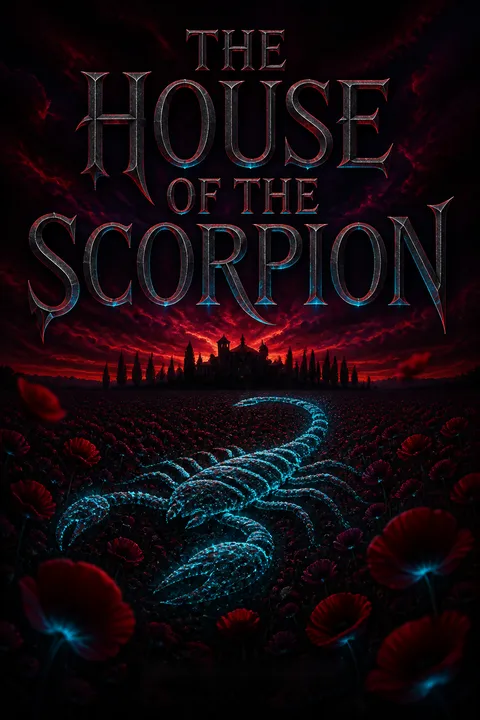
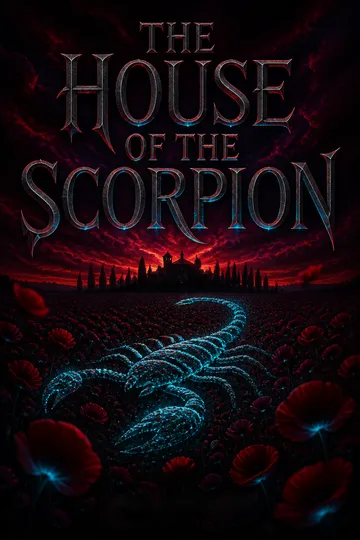
Nancy Farmer's The House of the Scorpion is a profound exploration of what it means to be human in a world obsessed with power, purity, and control. Through Matt's journey, the novel interrogates the boundaries between self and other, nature and nurture, and the ethics of scientific progress. The story's dystopian setting—a drug empire built on slavery and genetic manipulation—serves as a mirror for real-world systems of exploitation, challenging readers to consider the cost of dehumanization. Farmer's use of duality, foreshadowing, and allegory elevates the narrative beyond a simple adventure, inviting reflection on identity, agency, and the possibility of change. The emotional arc—from isolation and abuse to solidarity and hope—offers a powerful lesson: that dignity is not granted by birth or status, but claimed through courage, compassion, and the refusal to accept injustice. In the end, Matt's triumph is not just survival, but the choice to break the cycle of oppression and build a world where every life is valued.
Review Summary
The House of the Scorpion is a highly acclaimed young adult novel set in a dystopian future. Readers praise its complex themes, well-developed characters, and thought-provoking exploration of cloning, identity, and human rights. The story follows Matt, a clone navigating a world where he's seen as less than human. While some found the pacing slow at times, most were captivated by the unique setting and compelling narrative. The book's ability to engage readers of all ages and spark meaningful discussions has solidified its place as a modern classic.
People Also Read

Characters
Matteo "Matt" Alacrán
Matt is the clone of El Patrón, created to provide organs but raised with intelligence and love by Celia. His journey is one of self-discovery, moving from isolated innocence to painful awareness of his status as property. Matt's relationships—with Celia, Tam Lin, and María—shape his sense of self, teaching him compassion, resilience, and the will to resist dehumanization. Psychologically, Matt struggles with internalized inferiority, but ultimately claims agency, choosing to fight for freedom and justice. His development is a testament to the power of nurture over nature, and the possibility of redemption.
El Patrón (Matteo Alacrán)
El Patrón is the 140-year-old drug lord who rules Opium with absolute power. Driven by childhood poverty and the loss of his family, he seeks immortality through clones and organ transplants. He is both charismatic and monstrous, capable of affection and cruelty. His relationship with Matt is complex: he sees the boy as both a reflection of himself and a possession. Psychologically, El Patrón is a study in narcissism, unable to let go of anything or anyone. His legacy is one of exploitation, but his death opens the door to change.
Celia
Celia is Matt's caretaker, a cook from Aztlán who risks everything to protect him. Her love is unconditional, but also pragmatic—she poisons Matt to save him from being harvested. Celia's background as an Illegal immigrant and her experiences with oppression inform her actions. She is nurturing, wise, and willing to defy authority for those she loves. Psychologically, Celia embodies resilience and sacrifice, teaching Matt the value of self-worth and resistance. Her relationship with Tam Lin is one of mutual respect and shared purpose.
Tam Lin
Tam Lin is Matt's bodyguard, a former terrorist seeking redemption. Gruff but deeply caring, he becomes a father figure to Matt, teaching him survival skills and moral courage. Tam Lin's guilt over past crimes drives him to help Matt escape and ultimately to sacrifice himself to destroy El Patrón's regime. Psychologically, Tam Lin is haunted by remorse but finds meaning in protecting the innocent. His mentorship is crucial to Matt's development, and his final act is both tragic and heroic.
María Mendoza
María is the youngest daughter of a powerful politician, and the only child who consistently shows Matt kindness. Sensitive, emotional, and idealistic, she challenges the dehumanization of clones and eejits. Her relationship with Matt is both friendship and budding romance, offering him hope and acceptance. Psychologically, María is driven by empathy and a sense of justice, often at odds with her family's values. Her mother's absence and her own experiences with loss deepen her commitment to helping others.
Tom
Tom is the son of Felicia and MacGregor, raised as an Alacrán. Manipulative, sadistic, and charming on the surface, he embodies the worst traits of the family. Tom's actions—tormenting Matt, María, and animals—reflect deep insecurity and a need for control. Psychologically, he is a product of neglect and abuse, but also personal choice. His relationship with Matt is antagonistic, serving as a foil to Matt's struggle for humanity.
Mr. Alacrán
Mr. Alacrán is El Patrón's great-grandson, desperate for power but terrified of his patriarch. He despises Matt, seeing him as a threat and an abomination. Psychologically, Mr. Alacrán is weak, resentful, and ultimately complicit in the family's crimes. His inability to break free from El Patrón's shadow leads to his downfall.
Felicia
Felicia, mother to Tom, Steven, and Benito, is trapped in a loveless marriage and haunted by her affair with MacGregor. Addicted to laudanum, she oscillates between passivity and malice, ultimately poisoning Furball and contributing to the family's dysfunction. Psychologically, Felicia is a study in self-destruction, her actions shaped by trauma and powerlessness.
Chacho
Chacho is a rebellious, resourceful boy Matt meets in the orphanage. Loyal and brave, he becomes Matt's closest ally among the Lost Boys. Chacho's humor and resilience help Matt survive the boneyard and the cruelty of the Keepers. Psychologically, Chacho represents the possibility of solidarity and healing among the oppressed.
Esperanza Mendoza
Esperanza is María's mother, a Nobel Prize-winning activist who exposes the horrors of Opium. Fierce, intelligent, and uncompromising, she is driven by a vision of a better world, even at the cost of personal relationships. Psychologically, Esperanza is both inspiring and intimidating, her single-mindedness a source of both strength and alienation.
Plot Devices
Duality of Identity
The narrative hinges on Matt's dual status as both clone and individual, property and person. This duality is explored through his relationships, the tattoo on his foot, and the constant tension between nurture and nature. The device allows the story to interrogate what makes someone human, and whether identity is determined by origin or experience.
Foreshadowing and Symbolism
The novel is rich in foreshadowing: Celia's warnings, Tam Lin's survival lessons, and the recurring motif of the scorpion (the Alacrán family symbol) all point to future betrayals and acts of resistance. The dragon's hoard, the secret passages, and the oasis serve as symbols of both entrapment and hope, reinforcing the themes of power, greed, and the possibility of change.
Social Allegory
The estate of Opium, with its eejits, clones, and rigid hierarchy, serves as an allegory for systems of slavery, exploitation, and dehumanization. The orphanage in Aztlán mirrors these dynamics, showing that oppression is not limited to one place or system. The use of eejits as both literal and figurative zombies critiques the loss of agency under totalitarian rule.
Coming-of-Age Structure
The narrative follows Matt's growth from a sheltered child to a self-aware leader. Each stage—childhood, imprisonment, education, betrayal, escape—marks a step in his psychological and moral development. The structure allows readers to experience the emotional arc of fear, hope, despair, and ultimately, empowerment.
Sacrifice and Redemption
The story is driven by acts of sacrifice: Celia's poisoning of Matt, Tam Lin's ultimate self-sacrifice, and Matt's willingness to risk himself for others. These moments serve as turning points, offering redemption for characters haunted by guilt and trauma. The device underscores the novel's message that true humanity is found in compassion and selflessness.
Matteo Alacran Series
Download PDF
Download EPUB
.epub digital book format is ideal for reading ebooks on phones, tablets, and e-readers.








































