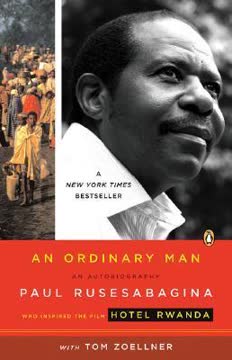
نکات کلیدی
1. سفر روسساباگینا از مدیر هتل به قهرمان ناخواسته
من به طور تصادفی مدیر هتل شدم. ایده داشتن شغلی در صنعت مهماننوازی لوکس برای پسر یک کشاورز موز از یک روستای فقیر آفریقایی قطعاً خندهدار است.
آغازهای فروتنانه تا رهبری غیرمنتظره. مسیر زندگی پل روسساباگینا از تربیت روستاییاش به تبدیل شدن به یک مدیر هتل محترم در کیگالی تغییر غیرمنتظرهای داشت. مسیر شغلی او که ابتدا به سمت کشیش شدن هدایت میشد، او را به صنعت مهماننوازی کشاند، جایی که مهارتهای خود را در مذاکره و خدمات مشتری تقویت کرد.
قهرمان ناخواسته در زمان نسلکشی. هنگامی که نسلکشی رواندا در سال 1994 آغاز شد، روسساباگینا خود را در نقش محافظ برای بیش از 1200 پناهنده در هتل میل کولینز یافت. پیشینه او در مدیریت هتل، همراه با مهارتهای بینفردی و قطبنمای اخلاقیاش، به او امکان داد تا در آبهای خطرناک نسلکشی حرکت کند و از هتل به عنوان پناهگاهی در میان هرج و مرج استفاده کند.
2. قدرت کلمات و مذاکره در مواجهه با نسلکشی
بگذارید به شما بگویم که به نظر من مهمترین چیز چه بود. کلمات.
کلمات به عنوان سلاح و سپر. ابزار اصلی روسساباگینا برای بقا و حفاظت، توانایی او در استفاده مؤثر از کلمات بود. او در مذاکرات بیشماری با مقامات نظامی، رهبران شبهنظامی و دیگرانی که جان پناهندگان در هتل را تهدید میکردند، شرکت کرد.
استراتژیهای مذاکره:
- جلب انسانیت قاتلان بالقوه
- استفاده از چاپلوسی و احترام برای خلع سلاح مهاجمان
- ارائه رشوههای کوچک (نوشیدنی، پول) برای خرید زمان و حسن نیت
- فراخوانی روابط شخصی و تاریخ مشترک
- جلب منافع شخصی و پیامدهای آینده
رویکرد روسساباگینا قدرت دیپلماسی و اقناع را حتی در شدیدترین شرایط نشان میدهد. توانایی او در یافتن زمینه مشترک و جلب طبیعت بهتر کسانی که قصد خشونت داشتند، جانهای بیشماری را نجات داد.
3. تاریخ پیچیده رواندا: ریشههای تقسیمات قومی
تاریخ در کشور من موضوعی جدی است. میتوانید بگویید که مسئلهای از زندگی و مرگ است.
میراث استعماری تقسیم. تاریخ تنشهای قومی بین هوتوها و توتسیها در رواندا توسط قدرتهای استعماری، به ویژه بلژیک، تشدید شد. استعمارگران تقسیمات قومی را برای منافع خودشان نهادینه و عمیقتر کردند و سیستمی از کارتهای هویتی ایجاد کردند که بعداً برای هدف قرار دادن قربانیان در طول نسلکشی استفاده شد.
استفاده از روایتهای تاریخی:
- ایجاد نظریههای نژادی شبهعلمی
- ترجیح دادن توتسیها در دوران استعمار
- مبارزات قدرت پس از استقلال و کینهتوزی
- تبلیغات و سخنان نفرتانگیز منجر به نسلکشی
دستکاری در روایتهای تاریخی و هویتهای قومی نقش مهمی در تشدید تنشهایی داشت که در نهایت به نسلکشی منجر شد. درک این تاریخ پیچیده برای فهمیدن وقایع سال 1994 و کار به سوی آشتی ضروری است.
4. ناکامی جامعه بینالمللی در مداخله
نمیتوانم بگویم که خاطرات بسیار خوبی از زمان تحصیل برای کشیش شدن دارم. بسیاری از همکلاسیهایم باهوش و مشتاق بودند و من از تحلیل آیات کتاب مقدس با آنها لذت میبردم، اما تعداد زیادی از آنها نیز علاقهای به حضور در آنجا نداشتند.
بیعملی و بیتفاوتی. جامعه بینالمللی، از جمله سازمان ملل و کشورهای قدرتمندی مانند ایالات متحده، نتوانستند به طور مؤثر برای متوقف کردن نسلکشی رواندا مداخله کنند. علیرغم هشدارهای اولیه و شواهد واضح از کشتارهای جمعی، پاسخ ناکافی و اغلب ضد تولید بود.
عوامل مؤثر در بیعملی:
- تمایل به استفاده نکردن از اصطلاح "نسلکشی" برای اجتناب از تعهدات قانونی
- شکستهای اخیر در مأموریتهای حفظ صلح (مثلاً سومالی)
- عدم علاقه استراتژیک به رواندا
- موانع بوروکراتیک و محاسبات سیاسی
ناکامی در مداخله به نسلکشی اجازه داد تا به مدت 100 روز بدون وقفه ادامه یابد و منجر به مرگ حدود 800,000 نفر شد. این بیعملی به جستجوی روح و تلاش برای اصلاح پاسخهای بینالمللی به فجایع جمعی منجر شده است.
5. وحشتهای نسلکشی رواندا: 100 روز کشتار
هشتصد هزار زندگی در صد روز خاموش شدند. این یعنی هشت هزار زندگی در روز. بیش از پنج زندگی در دقیقه. هر یک از این زندگیها مانند یک دنیای کوچک در خود بود.
مقیاس و وحشیگری نسلکشی. نسلکشی رواندا با سرعت، کارایی و وحشیگری غیرقابل تصور خود مشخص شد. همسایگان علیه همسایگان خود برخاستند و شهروندان عادی به قاتلان تبدیل شدند، اغلب با استفاده از قمهها و سلاحهای ابتدایی دیگر.
جنبههای کلیدی نسلکشی:
- استفاده از رادیو (RTLM) برای انتشار تبلیغات نفرت و هماهنگی کشتارها
- هدف قرار دادن هوتوهای معتدل در کنار توتسیها
- تخریب بافت اجتماعی و اعتماد در جوامع
- استفاده از تجاوز به عنوان سلاح جنگ
- مشارکت غیرنظامیان در کشتارهای جمعی
ماهیت شخصی کشتارها، که اغلب توسط افرادی انجام میشد که قربانیان خود را میشناختند، زخمهای عمیقی بر جامعه رواندا گذاشت. تروما این وقایع همچنان بر بازماندگان و ملت به عنوان یک کل تأثیر میگذارد.
6. استراتژیهای بقا: ابتکار و انسانیت در بحران
ما هوتو و توتسی را در کنار هم خواباندیم. غریبههایی روی زمین، بسیاری از آنها شاهد قتل خانوادههایشان بودند، گاهی به سبک قاشقی میخوابیدند تا فقط لمس دیگری را احساس کنند.
بداههسازی و ابتکار. در مواجهه با خطر شدید و کمبود، روسساباگینا و پناهندگان در هتل میل کولینز باید بسیار مبتکرانه عمل میکردند تا زنده بمانند. آنها با چالشهایی مانند کمبود آب، کمبود غذا و تهدیدات مداوم از سوی شبهنظامیان روبرو بودند.
تاکتیکهای بقا:
- استفاده از آب استخر برای نوشیدن و بهداشت
- جیرهبندی غذا و منابع
- ایجاد یک سیستم حکومتی موقت در هتل
- حفظ روالها برای حفظ حس عادی
- استفاده از ارتباطات بینالمللی برای حمایت
علیرغم شرایط وحشتناک، لحظاتی از انسانیت و همبستگی پدیدار شد. مردم از پیشینههای مختلف گرد هم آمدند، از یکدیگر حمایت کردند و در مبارزه مشترک خود برای بقا قدرت یافتند.
7. پیامدها: بازسازی زندگیها و جستجوی عدالت
شروع دوباره زندگی چیز بدی نیست. من چهل و دو ساله بودم. خاطرات بد زیادی داشتیم، اما همه ما از نظر جسمی در سلامت بودیم و همه ما امید به زندگی بهتر در کشور جدیدمان داشتیم.
چالشهای بهبود پس از نسلکشی. در پی نسلکشی، رواندا با چالشهای عظیمی در بازسازی جامعه، اقتصاد و سیستم سیاسی خود مواجه شد. بسیاری از بازماندگان، از جمله روسساباگینا، با تروما و فرآیند دشوار بازسازی زندگیهایشان دست و پنجه نرم کردند.
جنبههای کلیدی پیامدها:
- پیگیری عدالت از طریق دادگاههای بینالمللی و محلی
- تلاش برای آشتی و وحدت ملی
- بازسازی و توسعه اقتصادی
- تجربیات دیاسپورا و چالشهای تبعید
- مبارزات مداوم با تروما و حافظه
فرآیند بهبود و بازسازی همچنان ادامه دارد، هم برای افراد و هم برای جامعه رواندا به عنوان یک کل. در حالی که پیشرفتهایی حاصل شده است، میراث نسلکشی همچنان مسیر کشور و زندگی مردم آن را شکل میدهد.
خلاصه نقدها
کتاب یک مرد عادی به خاطر نمایش قدرتمند اقدامات قهرمانانهی پل روسساباگینا در جریان نسلکشی رواندا بسیار مورد تحسین قرار گرفته است. خوانندگان به ارزش تاریخی کتاب، دیدگاه شخصی و بینشهای آن دربارهی طبیعت انسان توجه ویژهای دارند. بسیاری از افراد آن را احساسی و برانگیزاننده میدانند. در حالی که برخی از منتقدان به اعتبار روسساباگینا شک دارند، اکثر افراد شجاعت و تدبیر او در نجات جانها را ستایش میکنند. این کتاب به عنوان یادآوری مهمی از وحشتهای نسلکشی و توانایی افراد عادی در ایجاد تغییر در شرایط فوقالعاده تلقی میشود.
دیگران نیز خواندهاند




سؤالات متداول
What's "An Ordinary Man" about?
- Overview: "An Ordinary Man" is a memoir by Paul Rusesabagina, detailing his experiences during the 1994 Rwandan Genocide. He recounts how he used his position as a hotel manager to save 1,268 people from being killed.
- Setting: The book is set in Rwanda, primarily focusing on the events at the Hotel Mille Collines in Kigali, where Rusesabagina worked.
- Themes: It explores themes of courage, humanity, and the power of words in the face of unimaginable violence and hatred.
- Purpose: Rusesabagina aims to provide a personal account of the genocide, highlighting the importance of individual action in times of crisis.
Why should I read "An Ordinary Man"?
- Personal Insight: The book offers a firsthand account of the Rwandan Genocide, providing a unique perspective on the events and the human capacity for both evil and good.
- Inspiration: Rusesabagina's story is one of courage and moral conviction, demonstrating how one person can make a significant difference.
- Historical Context: It provides a detailed look at the political and social dynamics that led to the genocide, offering lessons on the dangers of unchecked hatred and division.
- Moral Lessons: The book emphasizes the power of words and negotiation, showing how diplomacy and kindness can prevail even in the darkest times.
What are the key takeaways of "An Ordinary Man"?
- Power of Words: Rusesabagina highlights how words can be used as tools of life, emphasizing negotiation and diplomacy over violence.
- Individual Impact: The book illustrates how one person's actions can save lives, stressing the importance of standing up against injustice.
- Understanding Genocide: It provides insights into the causes and execution of the Rwandan Genocide, serving as a warning against racial and ethnic hatred.
- Human Resilience: The memoir showcases the resilience of the human spirit, even in the face of overwhelming adversity and danger.
What are the best quotes from "An Ordinary Man" and what do they mean?
- "Words are the most effective weapons of death in man’s arsenal. But they can also be powerful tools of life." This quote underscores the dual nature of language, highlighting its potential to both harm and heal.
- "I am a hotel manager, trained to negotiate contracts and provide shelter for those who need it." Rusesabagina emphasizes his ordinary role, showing that heroism can come from everyday actions and responsibilities.
- "The true state of human affairs is life as it ought to be lived." This reflects the author's belief in the fundamental decency of humanity, despite the horrors he witnessed.
- "If you want your goods to be safe, give them to a thief." This proverb illustrates the complex moral landscape Rusesabagina navigated, using unconventional means to achieve good.
How did Paul Rusesabagina save lives during the Rwandan Genocide?
- Hotel as Refuge: Rusesabagina used the Hotel Mille Collines as a sanctuary, sheltering 1,268 people from the violence outside.
- Negotiation Skills: He leveraged his skills in negotiation and diplomacy to persuade militia leaders to spare the lives of those in the hotel.
- Resourcefulness: Rusesabagina utilized the hotel's resources, such as food and drink, to bribe and appease potential threats.
- Moral Courage: His unwavering commitment to protecting others, regardless of their ethnicity, was central to his efforts.
What role did the Hotel Mille Collines play in the genocide?
- Safe Haven: The hotel became a refuge for Tutsis and moderate Hutus, offering temporary safety from the ongoing massacres.
- Symbol of Resistance: It stood as a symbol of resistance against the genocide, representing hope and humanity amidst chaos.
- Diplomatic Hub: Rusesabagina used the hotel as a base for negotiations, leveraging its status to engage with military and political leaders.
- Resource Center: The hotel's resources, including its swimming pool for water, were crucial for the survival of those sheltered there.
What challenges did Rusesabagina face in protecting the refugees?
- Constant Threat: The hotel was under constant threat from militias, requiring Rusesabagina to be vigilant and strategic in his actions.
- Limited Resources: He had to manage scarce resources, ensuring that the refugees had enough food and water to survive.
- Betrayal and Spies: There were spies within the hotel staff, making it difficult to maintain security and trust.
- Emotional Strain: The emotional toll of witnessing the genocide and the responsibility of protecting so many lives weighed heavily on him.
How does "An Ordinary Man" address the theme of racial hatred?
- Historical Context: The book delves into the historical roots of ethnic tensions between Hutus and Tutsis, exacerbated by colonial rule.
- Media Influence: It highlights the role of hate radio in inciting violence, showing how propaganda fueled racial hatred.
- Personal Reflection: Rusesabagina reflects on his own mixed heritage and the arbitrary nature of racial divisions.
- Call for Unity: The memoir advocates for reconciliation and understanding, emphasizing the need to move beyond ethnic labels.
What lessons does "An Ordinary Man" offer about leadership in crisis?
- Moral Leadership: Rusesabagina exemplifies moral leadership, prioritizing human life and dignity over personal safety.
- Decisive Action: The book underscores the importance of decisive action and quick thinking in crisis situations.
- Empathy and Compassion: Effective leadership is shown to be rooted in empathy and compassion, understanding the needs and fears of others.
- Adaptability: Rusesabagina's ability to adapt to rapidly changing circumstances was crucial to his success in protecting the refugees.
How does Paul Rusesabagina view the international response to the genocide?
- Criticism of Inaction: Rusesabagina criticizes the international community, particularly the United Nations, for their inaction during the genocide.
- Missed Opportunities: He highlights missed opportunities where intervention could have saved lives, such as jamming hate radio broadcasts.
- Moral Responsibility: The book calls for greater moral responsibility from global leaders to prevent future genocides.
- Lessons for the Future: Rusesabagina emphasizes the need for timely and decisive action in the face of mass atrocities.
What impact did the genocide have on Rusesabagina's life after the events?
- Relocation: Rusesabagina and his family relocated to Belgium, seeking safety and a fresh start away from Rwanda.
- Career Change: He transitioned from hotel management to running a taxi company, adapting to a new life in Europe.
- Ongoing Trauma: The emotional scars of the genocide remain, with Rusesabagina and his family experiencing ongoing trauma and nightmares.
- Advocacy Work: He became an advocate for genocide awareness and reconciliation, sharing his story to educate others.
What is the significance of the title "An Ordinary Man"?
- Ordinary Heroism: The title emphasizes that Rusesabagina was an ordinary person who performed extraordinary acts of courage and compassion.
- Relatability: It suggests that anyone, regardless of their background or position, can make a difference in the world.
- Humility: Rusesabagina's humility is reflected in the title, as he views his actions as simply doing his job and fulfilling his responsibilities.
- Universal Message: The title conveys a universal message that ordinary individuals have the power to stand up against injustice and protect others.








































