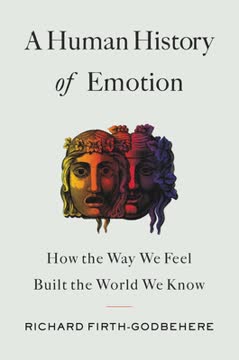
نکات کلیدی
1. احساسات ساختارهای فرهنگی هستند، نه تجربیات جهانی
احساسات تنها مجموعهای از احساسات هستند که انگلیسیزبانان غربی حدود دویست سال پیش در یک چارچوب قرار دادند.
تنوع فرهنگی احساسات. آنچه ما به عنوان "احساسات" در نظر میگیریم، در فرهنگها و دورههای زمانی مختلف به شدت متفاوت است. جوامع مختلف واژگان و مفاهیم منحصر به فردی برای توصیف تجربیات درونی دارند. به عنوان مثال:
- یونانیان باستان از "پاته" (اختلالات روح) صحبت میکردند.
- مسیحیان قرون وسطی به بحث دربارهی احساسات و عواطف میپرداختند.
- مردم ایفالوک دارای "فاگو" هستند، احساسی پیچیده از عشق، همدلی و غم.
تجربیات بدنی. نحوهی احساس و ابراز احساسات به صورت فیزیکی نیز متفاوت است:
- برخی فرهنگها احساسات را با اعضای خاصی از بدن مرتبط میدانند (مانند قلب و کبد).
- بیانهای چهرهای برای احساسات به طور جهانی شناخته شده نیستند.
- احساسات بدنی مرتبط با احساسات در جوامع مختلف متفاوت است.
2. تمدنهای باستانی درک ما از احساسات را شکل دادند
برای افلاطون، روحها بیشتر از بخشی از ما بودند که گوشت نیست.
پایههای فلسفی یونان. اندیشمندان یونانی باستان زمینهسازیهای مهمی برای ایدههای غربی دربارهی احساسات انجام دادند:
- افلاطون روح را به سه بخش (عقل، روح، اشتها) تقسیم کرد.
- ارسطو احساسات را دستهبندی کرده و آنها را به اخلاق مرتبط کرد.
- استوئیها کنترل احساسات را از طریق عقل توصیه کردند.
دیدگاههای شرقی. سایر تمدنهای باستانی چارچوبهای متفاوتی را توسعه دادند:
- سنتهای هندی مفاهیمی مانند "دارما" و "کارما" را بررسی کردند.
- فلسفهی چینی بر تعادل "چی" (نیروی حیات) تأکید داشت.
- آموزههای بودایی بر غلبه بر خواسته و وابستگی تمرکز داشتند.
این دیدگاههای متنوع باستانی همچنان بر نحوهی مفهومسازی احساسات در فرهنگهای مختلف تأثیر میگذارد.
3. باورهای مذهبی به شدت بر رژیمهای احساسی تأثیر گذاشتند
آگوستین معتقد بود که جستجوی خدا یک جستجوی احساسی است که توسط نوع صحیحی از عشق هدایت میشود.
تبدیل احساسات در مسیحیت. اندیشمندان مسیحی اولیه ایدههای کلاسیک دربارهی احساسات را تغییر دادند:
- سنت پل مفاهیم یهودی و یونانی را ترکیب کرد.
- سنت آگوستین بر عشق الهی (کاریتاس) در مقابل خواستههای دنیوی (کودیداس) تأکید کرد.
- دانشمندان قرون وسطی مانند آکویناس آموزههای احساسی مسیحی را بیشتر نظاممند کردند.
دیدگاههای اسلامی. قرآن و دانشمندان اسلامی دیدگاههای متمایزی را توسعه دادند:
- بر ترس از خدا به عنوان نیروی محرکه مثبت تأکید کردند.
- احساسات را به حالات روحانی و رفتار اخلاقی مرتبط کردند.
این چارچوبهای مذهبی رژیمهای احساسی قدرتمندی را ایجاد کردند که نحوهی احساس و ابراز خود را در زمینههای مختلف تعیین میکردند.
4. خواسته و تنفر محرک رویدادهای تاریخی بزرگ بودند
خواسته رقابت را به وجود آورد، فروشگاههای تقلبی اروپایی را ساخت و تحرک اجتماعی را آغاز کرد.
خواسته به عنوان نیروی تاریخی. احساس خواسته لحظات مهمی در تاریخ را شکل داد:
- به اکتشاف و استعمار (مانند جستجوی ادویه) دامن زد.
- پیشرفتهای علمی و فناوری را تسریع کرد.
- پایهگذار ظهور سرمایهداری مصرفی بود.
تنفر به عنوان ابزار اجتماعی. تنفر در طول تاریخ به سلاح تبدیل شده است:
- برای توجیه سرکوب و تبعیض استفاده شده است.
- کدهای اخلاقی و قانونی را شکل داده است.
- بر جنبشها و ایدئولوژیهای سیاسی تأثیر گذاشته است.
تداخل خواسته و تنفر همچنان بر ارزشهای اجتماعی، سیستمهای اقتصادی و ساختارهای قدرت تأثیر میگذارد.
5. مفهوم "احساس" اختراعی مدرن از غرب است
تعریف براون از احساس به نظر میرسد که مورد توجه قرار گرفته است. به نظر میرسد که همهی مردم تنها به این ایده نیاز داشتند که وقتی احساسی را احساس میکنند، آن احساس "احساس" نامیده میشود.
تولد یک دسته. ایدهی "احساسات" به عنوان یک پدیده روانشناختی متمایز در قرن نوزدهم ظهور کرد:
- توماس براون استفاده مدرن را در اوایل دهه 1800 ابداع کرد.
- ویلیام جیمز و کارل لانگه نظریههای تأثیرگذاری را توسعه دادند.
- این مفهوم از طریق روانشناسی و فرهنگ عامه به محبوبیت رسید.
محدودیتهای این ساختار. مفهوم غربی "احساس" دارای مشکلاتی است:
- به طور دقیق با مفاهیم دیگر فرهنگها همخوانی ندارد.
- به طور مصنوعی فکر، احساس و حس بدنی را جدا میکند.
- تجربیات پیچیده و وابسته به زمینه را سادهسازی میکند.
این اختراع نسبتاً جدید به طور غالب در گفتمان جهانی تسلط یافته است و اغلب دیگر راههای درک تجربیات درونی را پنهان میکند.
6. جنگ و درگیریها چشماندازهای احساسی را تغییر دادند
شوک ناشی از بمباران باید درمان میشد تا مردان بتوانند دوباره به درگیری برگردند. این موضوع جنگ و صلح را برای همیشه تغییر داد.
تروما و اختلالات احساسی. درگیریهای بزرگ باعث بازنگری در تجربیات احساسی شدند:
- "شوک ناشی از بمباران" در جنگ جهانی اول ایدههای موجود دربارهی مردانگی و سلامت روان را به چالش کشید.
- PTSD به عنوان یک تشخیص پس از جنگ ویتنام ظهور کرد.
- جنگهای مدرن همچنان محدودیتهای درک ما از تروماهای احساسی را نمایان میسازد.
ملیگرایی و احساسات گروهی. جنگها همچنین تجربیات احساسی جمعی را تغییر دادند:
- شور و شوق میهنپرستانه و نفرت از دشمنان را تقویت کردند.
- خاطرات تراژیک مشترکی را ایجاد کردند که بر هویتهای ملی تأثیر میگذارد.
- منجر به تلاشهایی برای دستکاری احساسات عمومی به نفع اهداف سیاسی شد.
این تغییرات ناشی از جنگ در چشماندازهای احساسی تأثیرات ماندگاری بر جوامع و افراد داشته است.
7. تلاشهای علمی برای دستهبندی احساسات ناقص هستند
اکرمن و فریسن فکر میکردند که آن را به درستی شناسایی کردهاند: همهی انسانها، در هر کجا و هر زمان، آن شش احساس پایهای را احساس میکنند: شادی، خشم، غم، تنفر، شگفتی و ترس.
نظریه احساسات پایهای. کار تأثیرگذار پل اکرمن ادعا کرد که دستههای احساسی جهانی وجود دارد:
- بر اساس مطالعات بینفرهنگی از بیانهای چهرهای.
- شش احساس پایهای را پیشنهاد کرد: شادی، غم، خشم، ترس، تنفر، شگفتی.
- به طور گستردهای در روانشناسی و فرهنگ عامه پذیرفته شد.
انتقادات و جایگزینها. رویکرد احساسات پایهای دارای محدودیتهای قابل توجهی است:
- تنوع فرهنگی و فردی را در نظر نمیگیرد.
- زمینه و پیچیدگی تجربیات احساسی را نادیده میگیرد.
- جنبههای بدنی و اجتماعی احساس را نادیده میگیرد.
نظریههای جدیدتر، مانند نظریه احساسات ساختهشدهی لیزا فلدمن بارت، دیدگاههای دقیقتری را ارائه میدهند که بهتر با شواهد بینفرهنگی همخوانی دارند.
8. فناوری در حال همگنسازی بیان احساسی جهانی است
تا سال 2084، احتمالاً کل جهان احساسات پایهای خود را به صورت 😀، 😢، 😠، 😨 و 🤢 ابراز خواهد کرد.
احساس دیجیتال. فناوری مدرن در حال تغییر نحوهی ابراز و درک احساسات است:
- ایموجیها زبان احساسی جدیدی را ایجاد میکنند.
- سیستمهای شناسایی احساسات هوش مصنوعی بر اساس مدلهای محدود غربی.
- پلتفرمهای رسانههای اجتماعی نمایشهای احساسی استاندارد را تشویق میکنند.
ریسکهای همگنسازی. این روند تهدیدی برای تنوع احساسی است:
- ممکن است مفاهیم و ابرازهای احساسی منحصر به فرد فرهنگی را تضعیف کند.
- میتواند منجر به سوءتفاهم و تشخیص نادرست در فرهنگهای مختلف شود.
- خطر تحمیل هنجارهای احساسی غربی به طور جهانی وجود دارد.
با پیشرفت فناوری، حفظ و ارزشگذاری واژگان و تجربیات احساسی متنوع به طور فزایندهای مهم میشود.
خلاصه نقدها
کتاب تاریخچهای انسانی از احساسات به بررسی احساسات در فرهنگها و تاریخهای مختلف میپردازد و ایدهی احساسات جهانی را به چالش میکشد. خوانندگان از رویکرد جامع آن که فلسفه، دین و علم را پوشش میدهد، تمجید میکنند. بسیاری آن را جذاب و چشمگشا یافتند و از سبک نوشتاری قابلفهم نویسنده قدردانی کردند. برخی از منتقدان برخی فصلها را بیش از حد فنی یا بیتمرکز دانستند. بررسی کتاب از چگونگی تأثیر احساسات بر رویدادهای تاریخی و تفاوتهای فرهنگی بهویژه مورد استقبال قرار گرفت. بهطور کلی، منتقدان آن را تفکر برانگیز یافتند و دیدگاهی تازه دربارهی ماهیت پیچیدهی احساسات انسانی ارائه میدهد.
دیگران نیز خواندهاند

سؤالات متداول
What's A Human History of Emotion about?
- Exploration of Emotions: The book examines how emotions have shaped human history and culture, arguing that emotions are not just personal experiences but social constructs that influence societies.
- Cultural Constructs: Richard Firth-Godbehere posits that emotions, as understood today, are modern constructs that have evolved over time, shaped by cultural and historical contexts.
- Historical Framework: The narrative spans various cultures and epochs, from ancient Greece and India to modern times, illustrating how emotions have driven significant historical events and societal changes.
Why should I read A Human History of Emotion?
- Unique Perspective: This book offers a fresh lens on history, emphasizing the role of emotions in shaping human behavior and societal structures, which is often overlooked in traditional historical narratives.
- Interdisciplinary Approach: It combines history, psychology, philosophy, and cultural studies, making it a rich resource for readers interested in understanding the complexities of human emotions.
- Engaging Narrative: Firth-Godbehere's writing is accessible and engaging, making complex ideas about emotions relatable and understandable for a broad audience.
What are the key takeaways of A Human History of Emotion?
- Emotions as Social Constructs: The book emphasizes that emotions are not universal but are shaped by cultural contexts, challenging the notion of fixed emotional experiences.
- Historical Impact: It illustrates how emotions like love, fear, and disgust have influenced major historical events, such as wars, revolutions, and social movements.
- Emotional Regimes: The concept of emotional regimes—societal expectations about how emotions should be expressed—plays a crucial role in understanding historical and contemporary emotional experiences.
What are the best quotes from A Human History of Emotion and what do they mean?
- "Emotions are just a bunch of feelings that English-speaking Westerners put in a box around two hundred years ago.": This quote highlights the author's argument that our modern understanding of emotions is a relatively recent cultural development.
- "History shows us that emotions are powerful—that they, as much as any technology, political movement, or thinker, built the world.": This emphasizes the central thesis of the book, asserting that emotions have been fundamental in shaping human history.
- "To be truly virtuous, you need to strive for a type of good that comes from the lógos—eros.": This reflects the philosophical exploration of emotions, particularly in the context of Plato's ideas about virtue and the higher purpose of love.
How does Richard Firth-Godbehere define emotions in A Human History of Emotion?
- Cultural Construction: Firth-Godbehere argues that emotions are not innate but are defined by cultural and historical contexts, suggesting that our understanding of emotions has evolved over time.
- Complex Definitions: He notes that there are almost as many definitions of emotions as there are people studying them, indicating the complexity and variability of emotional experiences.
- Modern Concept: The author asserts that the term "emotion" is a modern box that poorly encapsulates a wide range of human feelings and experiences, which were previously understood in different terms.
What are emotional regimes, and why are they important in A Human History of Emotion?
- Definition of Emotional Regimes: Emotional regimes are societal norms that dictate how emotions should be expressed in specific contexts, shaping individual behavior and social interactions.
- Influence on Behavior: These regimes can impose expectations that affect how people express their feelings, often leading to emotional labor where individuals suppress or modify their emotions to fit societal standards.
- Historical Context: The book explores how emotional regimes have changed over time, influencing everything from personal relationships to political movements, and how they continue to shape contemporary society.
How does A Human History of Emotion connect emotions to historical events?
- Emotions as Catalysts: Firth-Godbehere illustrates that emotions have often acted as catalysts for significant historical events, such as wars, revolutions, and social changes, demonstrating their power in shaping human actions.
- Case Studies: The author provides various historical examples, such as the emotional motivations behind the Crusades and the impact of shame in Japanese culture, to show how emotions have driven collective actions.
- Interplay of Emotion and History: The book argues that understanding the emotional landscape of a particular time can provide deeper insights into historical events and societal transformations.
What role do emotions play in shaping cultural identities according to A Human History of Emotion?
- Cultural Expression: Emotions are integral to cultural expression, influencing art, literature, and social practices, which in turn shape cultural identities and community bonds.
- Shared Emotional Experiences: The book discusses how shared emotional experiences can create a sense of belonging and identity within communities, reinforcing cultural norms and values.
- Evolution of Identity: Firth-Godbehere argues that as societies evolve, so do their emotional expressions, which can lead to shifts in cultural identity and collective memory.
How does Richard Firth-Godbehere address the concept of emotional labor in A Human History of Emotion?
- Definition of Emotional Labor: Emotional labor refers to the process of managing feelings and expressions to fulfill the emotional requirements of a job or social role, often leading to emotional exhaustion.
- Impact on Individuals: The book highlights how emotional labor can affect mental health and well-being, particularly in professions that require constant emotional regulation, such as teaching or customer service.
- Historical Examples: Firth-Godbehere provides historical context for emotional labor, showing how societal expectations around emotions have changed and how they continue to impact individuals today.
What is the significance of shame in the context of emotions in A Human History of Emotion?
- Shame as a Social Emotion: The book discusses how shame functions as a social emotion that regulates behavior and maintains social norms, often leading to conformity and compliance.
- Cultural Variability: Firth-Godbehere explores how different cultures understand and express shame, illustrating its role in shaping individual and collective identities.
- Historical Consequences: The author connects shame to various historical events, such as witch hunts and social movements, demonstrating its power to influence actions and societal changes.
How does A Human History of Emotion relate to modern psychology?
- Historical Foundations: The book traces the historical development of emotional concepts, showing how modern psychology has been influenced by philosophical and cultural understandings of emotions.
- Complexity of Emotions: Firth-Godbehere emphasizes that modern psychology's definitions of emotions are often simplistic compared to the rich historical and cultural contexts from which they arise.
- Interdisciplinary Insights: The author advocates for a more nuanced understanding of emotions that incorporates historical, cultural, and psychological perspectives, enriching the field of psychology and our understanding of human behavior.
How does A Human History of Emotion relate emotions to modern technology?
- Homogenization of Emotions: The author warns that technology, particularly affective computing, is leading to a homogenization of emotional expressions. This trend risks erasing cultural differences in how emotions are understood and expressed.
- Emotion Recognition Technology: Firth-Godbehere discusses the development of emotion recognition technology and its implications for privacy and personal expression. The potential for misuse raises ethical concerns about how emotions are monitored and interpreted.
- Future of Emotional Expression: The book suggests that as technology continues to evolve, our emotional expressions may become increasingly standardized. This shift could have profound effects on cultural identity and interpersonal relationships.








































