نکات کلیدی
1. ونیز: مرکز پررونق تجارت و فرهنگ
تجارت ونیزی با جهانیسازی مترادف بود—مفهوم نوپایی در آن دوران.
نگاه جهانی. در قرن سیزدهم، ونیز به عنوان یک مرکز بزرگ تجارت و فرهنگ شناخته میشد، یک شهر-دولت که به تجارت وابسته بود و نگاهی جهانی داشت. اقتصاد آن به لطف نیروی دریایی قویاش که از شهر در برابر رقبایش دفاع میکرد، رونق یافت. بر خلاف دیگر شهرهای قرون وسطایی، ونیز دیوار یا دروازهای نداشت، زیرا دریاچه و باتلاقها آن را از مهاجمان محافظت میکردند.
آریستوکراسی بازرگانی. ونیز آریستوکراسی بازرگانی پیچیدهای را به وجود آورد، از جمله خانواده پولو که به خاطر سفرهای مکرر به شرق در جستجوی جواهرات، ابریشم و ادویهها شناخته شده بودند. این شهر به شدت سازمانیافته، مستقل و تجاری بود و بر اساس ترکیبی منحصر به فرد از تعهدات فئودالی و نگاه جهانی بنا شده بود.
روشهای پیشرفته کسب و کار. ونیزیها به خاطر مدیریت کسب و کار کارآمد و جامع خود شهرت پیدا کردند، که پیشرفتهترین در اروپا بود. آنها قراردادهای رومی را به نیازهای بازرگانان تجارت با شرق تطبیق دادند و پیشرفتهترین سیستم بانکی را در غرب اروپا توسعه دادند. این امر به آنها اجازه میداد تا پروژههای پیچیدهای را که نیاز به سرمایهگذاری کلان، مدت زمان چند ساله و ریسک قابل توجهی داشتند، به سرعت ترتیب دهند.
2. سفر پولوها به شرق: از بازرگانان تا نمایندگان
مغولها و ونیزیها هر دو جهان را "مسطح" کرده بودند، ونیزیها با کشتیهای خود بر روی آب و مغولها بر روی زمین با احیای جاده ابریشم سفر میکردند.
فرصت غیرمنتظره. نیکولو و مافئو پولو به یک سفر تجاری به شرق رفتند و در نهایت با یک نماینده از قوبلای خان مواجه شدند که آنها را به ملاقات با خان بزرگ دعوت کرد. این ملاقات تصادفی آنها را از بازرگان به نماینده تبدیل کرد.
کنجکاوی قوبلای خان. قوبلای خان، که مشتاق یادگیری درباره غرب بود، از برادران پولو به طور گستردهای درباره حاکمان اروپایی، آداب و رسوم و باورهای مذهبی سوال کرد. او تحت تأثیر دانش و مهارتهای زبانی آنها قرار گرفت و به آنها مأموریتی به پاپ سپرد.
گذرنامه طلایی. قوبلای خان به پولوها یک پایزا، لوح طلایی که تضمینکننده عبور ایمن و احترام در سرتاسر امپراتوری مغول بود، اعطا کرد. این امر به آنها اجازه میداد به راحتی سفر کنند و از حاکمان محلی کمک بگیرند و راه را برای تجارت و روابط دیپلماتیک آینده هموار کنند.
3. تحول جوان مارکو در جاده ابریشم
جهان به طرز شگفتانگیزی مدرن بود: "مسطح"، به عبارت دیگر، به طور جهانی در مرزها و حدود، چه طبیعی و چه مصنوعی، متصل بود.
مشکلات اولیه. مارکو پولو، در جوانی، به همراه پدر و عمویش در سفر دوم به شرق با چالشها و خطرات زیادی در جاده ابریشم مواجه شد. این چالشها استقامت او را آزمایش کرده و شخصیتش را شکل داد.
غوطهوری فرهنگی. در حین سفر، مارکو زبانها، آداب و رسوم و ادیان مختلف را آموخت و به سبک زندگی مغولها عادت کرد و درک عمیقی از فرهنگهای آسیایی پیدا کرد. این غوطهوری دیدگاه او را گسترش داد و او را برای نقش آیندهاش در دربار قوبلای خان آماده کرد.
توسعه مهارتها. تجربیات مارکو در جاده مهارتهای او را در مشاهده، دیپلماسی و داستانگویی تقویت کرد. او یاد گرفت که زیبایی و تنوع جهان را قدردانی کند و با مردم از زمینههای مختلف ارتباط برقرار کند. این مهارتها در خدمت او به قوبلای خان بسیار ارزشمند بود.
4. قوبلای خان: امپراتور مغول جذاب و پیچیده
قوبلای "بربر" نبود،" تاریخنگار ونیزی الویس زوری میگوید. بلکه او "سلطانی بود که به دنبال استانداردهای بالای حکمرانی بود و به یادگیری و اجرای کارآمدترین روشها برای رسیدن به این هدف متعهد بود.
حاکم روشنفکر. قوبلای خان به عنوان یک حاکم روشنفکر توصیف میشد که به دنبال استانداردهای بالای حکمرانی و یافتن راههای بهتر برای حکومت بود. او به یادگیری ارزش میداد و به دنبال اجرای کارآمدترین روشها برای دستیابی به اهدافش بود.
تحمل مذهبی. قوبلای خان درجه قابل توجهی از تحمل مذهبی را نشان داد و به مردم ادیان مختلف اجازه میداد تا به طور آزادانه باورهای خود را در امپراتوریاش پیروی کنند. این سیاست ثبات را تقویت کرده و افراد بااستعداد از زمینههای مختلف را به دربارش جذب میکرد.
حامی هنرها و علوم. قوبلای خان حامی هنرها و علوم بود و از توسعه فناوریهای جدید حمایت میکرد، تبادل فرهنگی را ترویج میداد و پروژههای ساختمانی بلندپروازانه را سفارش میداد. دربار او به مرکزی برای نوآوری و یادگیری تبدیل شد و دانشمندان و هنرمندان را از سراسر آسیا و اروپا جذب کرد.
5. فرهنگ مغول: ترکیبی از وحشیگری و ظرافت
این مغولها اهمیتی به این نمیدهند که چه خدایی در سرزمینهایشان پرستش میشود،" او فریاد میزند. "اگر فقط همه به خان وفادار و کاملاً مطیع باشند و بنابراین مالیات مقرر را بپردازند و عدالت به خوبی حفظ شود، میتوانی با روح هر چه میخواهی بکنی.
روحیه جنگجویی. مغولها به خاطر مهارتهای نظامی، سوارکاری و انضباط خود مشهور بودند. ارتشهای آنها به شدت سازمانیافته و مؤثر بودند و سرزمینهای وسیعی را فتح کرده و امپراتوری قدرتمندی را تأسیس کردند.
سبک زندگی کوچنشینی. مغولها سبک زندگی کوچنشینی را حفظ کردند و در گِر (چادرهای پشمی) قابل حمل زندگی میکردند و به دامهای خود برای تأمین معیشت وابسته بودند. این سبک زندگی استقامت، سازگاری و ارتباط قوی با طبیعت را پرورش میداد.
همزیستی مذهبی. مغولها نوعی شمنگرایی را تمرین میکردند که عناصر مختلفی از ادیان را شامل میشد، از جمله بودیسم، مسیحیت و اسلام. این رویکرد همزیستی نشاندهنده باز بودن آنها به فرهنگهای مختلف و رویکرد عملی آنها به حکمرانی بود.
6. شگفتیهای چین: سرزمینی از نوآوری و افراط
تجارت و سود شهر / شامل تمام ملل است.
فناوریهای پیشرفته. چین دارای فناوریهای پیشرفتهای مانند پول کاغذی، چاپ و سیستمهای آبیاری پیچیده بود که مارکو را تحت تأثیر قرار داد و به ثروت و شکوفایی امپراتوری کمک کرد. این نوآوریها در آن زمان در اروپا به طور عمده ناشناخته بودند.
شهرهای مجلل. شهرهای چینی مانند کامبولاک (پکن) و کوئینسای (هانگژو) به خاطر عظمت، زیبایی و تجارت پررونق خود مشهور بودند. مارکو از کاخهای زیبا، بازارهای شلوغ و زیرساختهای پیشرفته آنها شگفتزده شد.
تصفیه فرهنگی. با وجود فتح مغول، فرهنگ چینی به شکوفایی خود ادامه داد و در هنر، ادبیات و فلسفه پیشرفتهایی داشت. مارکو عشق مردم چین به زیبایی، آداب و رفتارهای متعالی آنها و تعهدشان به یادگیری را مشاهده کرد.
7. رمز و راز هند: سرزمینی از تضادها و عمقهای روحانی
اورشلیم به عنوان "ناف جهان" در نظر گرفته میشد. ورودیهایی به بهشت و جهنم وجود داشت، جایی.
آداب و رسوم روحانی. هند به عنوان سرزمینی با آداب و رسوم روحانی متنوع، از جمله هندوئیسم، بودیسم و جینیسم توصیف میشد. مارکو به مشاهده شیوههای یوگیها، زاهدان و دیگر شخصیتهای مذهبی پرداخت و از تعهد و انضباط آنها شگفتزده شد.
حیات وحش عجیب. هند خانهای برای انواع حیوانات عجیب و غریب، از جمله فیلها، کرگدنها و طاووسها بود که مارکو را مجذوب خود کرد و به رمز و راز این منطقه افزود. او همچنین با موجودات عجیب و ترسناکی مانند مارهای غولپیکر و عنکبوتهای سمی مواجه شد.
مرکز تجاری. هند به عنوان یک مرکز بزرگ تجارت شناخته میشد و بازرگانان را از سراسر آسیا و اروپا جذب میکرد. مارکو بازارهای شلوغ، تبادل کالاهای با ارزش و سیستمهای مالی پیچیدهای که این تجارت را پشتیبانی میکرد، مشاهده کرد.
8. خطرات دریا: دزدان دریایی، طوفانها و غرق شدن کشتیها
کشتیهای آنها بسیار بد هستند و بسیاری از آنها غرق میشوند، زیرا با میخهای آهنی محکم نشدهاند بلکه با نخهایی از الیاف نارگیل دوخته شدهاند.
خطرات دریایی. سفرهای دریایی پر از خطر بود، از جمله دزدان دریایی، طوفانها و غرق شدن کشتیها. مارکو به طور مستقیم خطراتی را که بازرگانان و ملوانان در حین ناوبری در آبهای خطرناک اقیانوس هند با آن مواجه بودند، مشاهده کرد.
تاکتیکهای دزدان دریایی. دزدان دریایی از تاکتیکهای مختلفی برای تصرف کشتیهای تجاری استفاده میکردند، از جمله کمین، لباس مبدل و استفاده از داروها برای ناتوان کردن قربانیان خود. آنها اغلب بیرحم و ظالم بودند و کسانی را که مقاومت میکردند، شکنجه یا میکشتند.
تکنیکهای کشتیسازی. مارکو تکنیکهای کشتیسازی مورد استفاده در آسیا را توصیف کرد و به استفاده از الیاف نارگیل و روغن ماهی به جای میخهای آهنی و قیر اشاره کرد. او نسبت به seaworthiness این کشتیها تردید داشت، اما همچنین به نوآوری و سازگاری آنها اذعان کرد.
9. جاده طولانی به خانه: از دست دادن، رستگاری و میراث
من معتقدم بازگشت ما لطف خدا بود،" او نتیجهگیری میکند، "تا چیزهایی که در جهان وجود دارد شناخته شود.
بازگشت به ونیز. پس از هفده سال خدمت به قوبلای خان، مارکو و خانوادهاش سرانجام اجازه بازگشت به ونیز را دریافت کردند و یک پرنسس مغول را به شوهر جدیدش در ایران همراهی کردند. سفر به خانه طولانی و دشوار بود و با طوفانها، غرق شدن کشتیها و از دست دادن بسیاری از همراهان همراه بود.
زندانی شدن در جنوا. پس از بازگشت به ونیز، مارکو درگیر جنگی با جنوا شد و دستگیر و زندانی شد. در این زمان بود که او خاطراتش را به رستیشلو از پیزا، یک زندانی دیگر، دیکته کرد.
میراث پایدار. "سفرهای" مارکو پولو به یکی از تأثیرگذارترین کتابها در تاریخ تبدیل شد و برای قرنها الهامبخش کاوشگران، بازرگانان و ماجراجویان بود. روایت او به اروپاییها اولین نگاهی به شگفتیهای آسیا ارائه داد و به شکلگیری درک آنها از جهان کمک کرد.
خلاصه نقدها
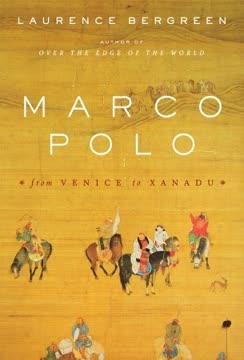
کتاب مارکوپولو: از ونیز تا زندهرود به خاطر روایت جذاب و زمینه تاریخیاش مورد تحسین قرار گرفته و بینشهایی دربارهی اوراسیا در قرن سیزدهم و ماجراجوییهای مارکوپولو ارائه میدهد. خوانندگان از تحلیل برگین دربارهی ادعاهای مارکوپولو و قابلیت خواندن این کتاب قدردانی میکنند. برخی بخشها را خشک یا بیش از حد جزئی مییابند. این اثر به خاطر تحقیقاتش و بررسی میراث مارکوپولو ستایش شده است. منتقدان به گاهبهگاه حدس و تلاشها برای توجیه روایتهای مارکوپولو اشاره میکنند. بهطور کلی، این کتاب منبعی ارزشمند برای علاقهمندان به تاریخ جهان و اکتشافات به شمار میآید، هرچند که برخی مشکلات در سرعت روایت وجود دارد.
دیگران نیز خواندهاند
سؤالات متداول
1. What is Marco Polo: From Venice to Xanadu by Laurence Bergreen about?
- Epic journey and biography: The book chronicles Marco Polo’s life and his legendary travels from Venice to the Mongol Empire, focusing on his experiences at Kublai Khan’s court and explorations across Asia, India, and Africa.
- Historical and cultural exploration: Laurence Bergreen blends historical research with vivid storytelling, providing insights into the cultures, customs, and political landscapes of the 13th-century world.
- Personal and global impact: The narrative highlights Polo’s role as a cultural bridge between East and West, his service to Kublai Khan, and the legacy of his Travels in shaping European perceptions of Asia.
- Three-part structure: The book is organized into sections covering Polo’s origins in Venice, his journey through Asia, and his experiences in the Mongol Empire and beyond.
2. Why should I read Marco Polo: From Venice to Xanadu by Laurence Bergreen?
- Rich historical context: The book offers a detailed and nuanced portrayal of the Silk Road, the Mongol Empire, and the interconnectedness of Eurasian societies in the 13th century.
- Engaging storytelling: Bergreen combines scholarly research with compelling narrative, making complex history accessible and vivid through anecdotes and character studies.
- Cultural and personal insights: Readers gain a deeper understanding of medieval trade, diplomacy, religion, and the personal transformation of Marco Polo.
- Exploration of legacy: The book examines the authenticity, impact, and controversies surrounding Polo’s accounts, making it relevant for those interested in history, travel, and cultural exchange.
3. What are the key takeaways and themes from Marco Polo: From Venice to Xanadu by Laurence Bergreen?
- Cultural exchange and adaptation: The book illustrates how the Silk Road facilitated the blending of customs, languages, and religions between East and West.
- Complexity of medieval travel: Polo’s journey was fraught with danger, delay, and uncertainty, revealing the resilience and adaptability required for exploration.
- Power of storytelling: Marco Polo’s Travels shaped Western perceptions of Asia, blending fact and legend, and highlighting the importance of narrative in cultural transmission.
- Human curiosity and resilience: The Polos’ perseverance and openness to new experiences exemplify the spirit of discovery and the challenges of cross-cultural encounters.
4. Who were the key historical figures in Marco Polo: From Venice to Xanadu by Laurence Bergreen?
- Marco Polo: Venetian merchant and traveler whose adventures form the core of the book, serving as a bridge between Europe and Asia.
- Niccolò and Maffeo Polo: Marco’s father and uncle, experienced merchants who first established contact with the Mongol Empire and paved the way for Marco’s journey.
- Kublai Khan: Grandson of Genghis Khan, ruler of the Mongol Empire, and Marco Polo’s patron, depicted as a complex and innovative leader.
- Other notable figures: Genghis Khan (founder of the Mongol Empire), Ahmad (powerful Muslim official at court), and Teobaldo of Piacenza (Pope Gregory X), who played roles in diplomacy and administration.
5. How does Laurence Bergreen describe Venice’s significance in Marco Polo’s story?
- Commercial powerhouse: Venice was a leading city-state and global trade hub, with a sophisticated merchant aristocracy including the Polo family.
- Unique governance and culture: The city was an oligarchy ruled by merchant families, with traditions like the doge’s “marriage to the sea” and reliance on its lagoon for defense.
- Advanced business practices: Venice pioneered banking, insurance, and complex trade contracts, enabling long-distance commerce and adventurous merchants.
- Political rivalry: Ongoing conflict with Genoa shaped the environment in which Marco Polo lived, influencing his later capture and imprisonment.
6. How did the Polo family first come into contact with the Mongol Empire, according to Laurence Bergreen?
- Initial trading expedition: Niccolò and Maffeo Polo left Venice in 1253, traveling through Constantinople and eventually reaching Mongol territories.
- Extended stay and adaptation: They spent years in places like Soldaia and Bukhara, learning Mongol languages and customs, and gaining the trust of local rulers.
- Introduction to Kublai Khan: Through diplomatic channels, they were brought to Kublai Khan’s court, where they were honored and tasked with missions.
- Role as intermediaries: Kublai Khan sent them as envoys to the pope, marking the start of their role as cultural and diplomatic intermediaries between East and West.
7. What was the “paiza” and why was it important in the Polo family’s travels, as explained by Laurence Bergreen?
- Definition and function: The paiza was a golden tablet or passport issued by Kublai Khan, granting safe passage and privileges throughout the Mongol Empire.
- Symbol of authority: It commanded local officials to provide lodging, horses, and escorts to the bearer, under penalty of disgrace.
- Facilitated travel: The paiza was crucial for the Polos’ safe and relatively unhindered movement across vast and often dangerous territories.
- Diplomatic significance: It represented Kublai Khan’s trust and official sanction, elevating the Polos to the status of imperial emissaries.
8. How does Laurence Bergreen portray Kublai Khan’s court and the Mongol Empire’s administration in Marco Polo: From Venice to Xanadu?
- Lavish and ritualized court: Kublai Khan’s court featured elaborate ceremonies, a formalized selection of concubines, and grand feasts with thousands of guests.
- Merit-based military and bureaucracy: The Mongol military promoted officers based on valor, and the administration combined Mongol traditions with Chinese bureaucratic sophistication.
- Efficient communication: The empire’s postal system allowed rapid transmission of information, with relay stations and fresh horses enabling messengers to travel up to 250 miles a day.
- Welfare and resource management: Kublai Khan managed grain reserves, provided alms, and granted tax exemptions during disasters, reflecting both pragmatism and superstition.
9. What role did Marco Polo play in the Mongol Empire, according to Laurence Bergreen?
- Emissary and administrator: Marco Polo served as an emissary and tax collector for Kublai Khan, traveling to administer taxes and gather information in distant provinces.
- Explorer and observer: He documented local customs, economies, and political situations, providing a unique European perspective on Asia.
- Court insider and outsider: While enjoying privileges, Polo remained aware of his dependence on the khan’s favor and witnessed court intrigues and political shifts.
- Cultural bridge: His role allowed him to observe and report on the empire’s diversity, contributing to his later accounts that introduced Asia to Europe.
10. How does Laurence Bergreen depict the cultural and social life in major cities like Cambulac (Beijing) and Quinsai (Hangzhou)?
- Cambulac’s grandeur and order: The Mongol capital was designed with massive walls, broad streets, and canals, symbolizing Mongol power and blending architectural styles.
- Scientific and cultural hub: Cambulac housed observatories, astrologers, and diverse religious communities, reflecting the empire’s cosmopolitan nature.
- Quinsai’s wealth and refinement: Hangzhou was described as the world’s greatest city, with thousands of bridges, bustling markets, and a vibrant cultural life including poetry, drama, and festivals.
- Social regulation: Both cities were heavily policed by Mongol guards, with curfews and strict regulations to maintain order and prevent rebellion.
11. What challenges and dangers did Marco Polo and his family face during their travels, as described by Laurence Bergreen?
- Harsh geography and climate: The Polos crossed deserts, high mountain passes, and endured monsoons, extreme heat, and cold, often facing delays and hardship.
- Hostile peoples and bandits: They encountered marauders, pirates, and hostile tribes, requiring negotiation and caution to survive.
- Health and logistical risks: Marco suffered illnesses, and the family faced limited resources, unreliable transportation, and the constant threat of political instability.
- Political intrigue: The decline of the Mongol Empire and shifting alliances complicated their journey, but their diplomatic skills and paizas provided crucial protection.
12. How does Laurence Bergreen address the authenticity and legacy of Marco Polo’s Travels in Marco Polo: From Venice to Xanadu?
- Controversies over veracity: Bergreen discusses skepticism about whether Polo reached China or embellished his accounts, presenting evidence from Chinese and Mongol sources supporting Polo’s presence.
- Literary collaboration: Polo’s narrative was shaped by his collaboration with Rustichello of Pisa, whose literary style and multiple manuscript versions influenced the text’s tone and consistency.
- Enduring influence: Despite doubts, Polo’s Travels became foundational for European knowledge of Asia, inspiring explorers and shaping cartography and literature.
- Cultural transmission: Bergreen emphasizes Polo’s role as a “culture carrier,” whose stories bridged continents and centuries, leaving a lasting legacy.