نکات کلیدی
1. تعاملات ضعیف و ویژگیهای منحصر به فرد آب در سلولها
تعامل میان اجزای شیمیایی یک موجود زنده پویا است؛ تغییر در یک جزء باعث تغییرات هماهنگ یا جبرانی در جزء دیگر میشود و کل مجموعه ویژگیهایی فراتر از اجزای فردی خود را نشان میدهد.
نقش حلال آب. آب که بیش از 70 درصد وزن یک سلول را تشکیل میدهد، به دلیل ویژگیهای منحصر به فردش ناشی از پیوند هیدروژنی، بسیار حیاتی است. این پیوندها باعث ایجاد چسبندگی، کشش سطحی بالا و قابلیت حلالیت میشوند و به مولکولهای زیستی قطبی اجازه میدهند تا درون سلولها حل شده و به طور پویا با یکدیگر تعامل کنند.
نیروهای ضعیف زندگی را تعریف میکنند. تعاملات غیرکووالان ضعیف، مانند پیوندهای هیدروژنی، تعاملات یونی، تعاملات هیدروفوبیک و نیروهای واندرواالس به طور جمعی ساختار و عملکرد مولکولهای زیستی را تعیین میکنند. این تعاملات برای تعامل پویا میان اجزای سلولی ضروری هستند.
تعادل پویا. موجودات زنده در یک حالت پایدار پویا وجود دارند و به طور مداوم ماده و انرژی را با محیط اطراف خود مبادله میکنند. این حالت، که دور از تعادل است، با سرمایهگذاری مداوم انرژی و تعامل اجزای شیمیایی حفظ میشود و ویژگیهای شگفتانگیز ماده زنده را به نمایش میگذارد.
2. چندوجهی کربن پایهگذار تنوع مولکولهای زیستی است
"شخصیت" شیمیایی یک ترکیب به شیمی گروههای عملکردی آن و چیدمان آنها در فضای سهبعدی بستگی دارد.
توانایی پیوند کربن. توانایی کربن در ایجاد پیوندهای پایدار با خود و دیگر عناصر، که معماریهای مولکولی متنوعی را ایجاد میکند، برای حیات بنیادی است. این اسکلتهای کربنی که با گروههای عملکردی مختلف تزئین شدهاند، منجر به ایجاد مجموعه وسیعی از مولکولهای زیستی با ویژگیهای شیمیایی خاص میشوند.
گروههای عملکردی ویژگیها را تعریف میکنند. گروههای عملکردی مانند هیدروکسیل، آمینو، کربونیل و کربوکسیل رفتار شیمیایی مولکولهای زیستی را تعیین میکنند. چیدمان این گروهها در فضای سهبعدی ویژگیهای آنها را بیشتر تصفیه کرده و بر تعاملات و نقشهای بیولوژیکی آنها تأثیر میگذارد.
از هیدروکربنها تا حیات. بیشتر مولکولهای زیستی را میتوان به عنوان مشتقات هیدروکربنها در نظر گرفت که در آنها اتمهای هیدروژن با گروههای عملکردی جایگزین شدهاند. این چندوجهی شیمیایی امکان ایجاد مولکولهایی با اندازهها، اشکال و ویژگیهای شیمیایی بسیار متفاوت را فراهم میکند که برای ماشینآلات مولکولی سلولها ضروری است.
3. بلوکهای سازنده حیات به سلسلهمراتبهای پیچیدهای متصل میشوند
یک سلول باکتریایی منفرد که در یک محیط مغذی استریل قرار میگیرد، میتواند در 24 ساعت به یک میلیارد سلول "دختر" یکسان تبدیل شود.
مونومرها به ماکرومولکولها. مولکولهای کوچک آلی، از جمله آمینواسیدها، نوکلئوتیدها و قندها، به ماکرومولکولهایی مانند پروتئینها، اسیدهای نوکلئیک و پلیساکاریدها پلیمریزه میشوند. این ماکرومولکولها به نوبه خود به مجموعههای سوپر مولکولی متصل میشوند و یک سلسلهمراتب ساختاری درون سلولها ایجاد میکنند.
مونتاژ غیرکووالان. در حالی که مونومرها با پیوندهای کووالان به هم متصل میشوند، مجموعههای سوپر مولکولی با تعاملات غیرکووالان به هم متصل میشوند. این تعاملات ضعیف، از جمله پیوندهای هیدروژنی، تعاملات یونی، تعاملات هیدروفوبیک و نیروهای واندرواالس، به طور جمعی این مجموعهها را تثبیت میکنند.
درون شیشهای در مقابل درون زنده. مطالعه مولکولهای خالص درون شیشهای بینشهای ارزشمندی را فراهم میکند، اما مهم است که به یاد داشته باشیم که محیط سلولی بسیار پیچیدهتر است. تعاملات با سایر مولکولها و سازماندهی سیتوپلاسم میتواند به طور قابل توجهی بر عملکرد یک مولکول درون زنده تأثیر بگذارد.
4. ترمودینامیک جریان انرژی را در سیستمهای زنده تعیین میکند
ما میتوانیم موجودات را بر اساس نحوه به دست آوردن انرژی و کربن مورد نیاز برای سنتز مواد سلولی طبقهبندی کنیم.
سیستمهای باز. موجودات زنده سیستمهای باز هستند که ماده و انرژی را با محیط اطراف خود مبادله میکنند. آنها انرژی را از نور خورشید (فتوتروفها) یا ترکیبات شیمیایی (شیموتروفها) به دست میآورند و از آن برای ساخت و نگهداری ساختارهای پیچیده خود استفاده میکنند.
قوانین ترمودینامیک. قانون اول بیان میکند که انرژی حفظ میشود، در حالی که قانون دوم بیان میکند که جهان به سمت افزایش بینظمی (آنتروپی) تمایل دارد. موجودات زنده با استخراج انرژی از محیط اطراف و آزاد کردن گرما و ترکیبات سادهتر، نظم را حفظ میکنند و آنتروپی را در جهان افزایش میدهند.
انرژی آزاد و خودبخودی. تغییر انرژی آزاد (ΔG) خودبخود بودن یک فرآیند را تعیین میکند. واکنشهای اگزورژیک (ΔG منفی) انرژی آزاد میکنند، در حالی که واکنشهای اندورژیک (ΔG مثبت) به ورودی انرژی نیاز دارند. سلولها واکنشهای اگزورژیک، مانند هیدرولیز ATP، را برای پیشبرد فرآیندهای اندورژیک جفت میکنند.
5. آنزیمها با کاهش انرژی فعالسازی واکنشها را کاتالیز میکنند
تقریباً هر واکنش شیمیایی در یک سلول تنها به دلیل وجود آنزیمها—کاتالیزورهای زیستی که مانند سایر کاتالیزورها، به طور قابل توجهی سرعت واکنشهای شیمیایی خاص را بدون مصرف شدن در این فرآیند افزایش میدهند—در نرخ قابل توجهی رخ میدهد.
آنزیمها به عنوان کاتالیزورها. آنزیمها کاتالیزورهای زیستی هستند که واکنشهای شیمیایی خاص را بدون مصرف شدن در این فرآیند تسریع میکنند. آنها این کار را با کاهش انرژی فعالسازی (ΔG‡)، که مانع انرژی بین واکنشدهندهها و محصولات است، انجام میدهند.
تثبیت حالت انتقال. آنزیمها با فراهم کردن تناسب راحتتر برای حالت انتقال، که بالاترین میانجی انرژی در واکنش است، واکنشها را کاتالیز میکنند. این تناسب مکمل، که بر اساس استریوشیمی، قطبیت و بار است، انرژی فعالسازی را کاهش داده و سرعت واکنش را افزایش میدهد.
مسیرهای متابولیک. آنزیمها در مسیرهایی سازماندهی میشوند، دنبالههایی از واکنشهای متوالی که در آنها محصول یک واکنش به واکنشدهنده در واکنش بعدی تبدیل میشود. این مسیرها یا کاتابولیک (تجزیهای، انرژیزا) یا آنابولیک (سنتزی، انرژیطلب) هستند و فعالیت آنها به دقت تنظیم میشود تا تعادل و صرفهجویی را حفظ کند.
6. ساختار DNA امکان تکثیر دقیق و ذخیرهسازی اطلاعات را فراهم میکند
ظرفیت سلولهای زنده برای حفظ ماده ژنتیکی خود و تکثیر آن برای نسل بعد ناشی از مکمل ساختاری بین دو نیمه مولکول DNA است.
DNA به عنوان طرح. DNA، یک پلیمر خطی از نوکلئوتیدها، اطلاعات ژنتیکی لازم برای ساخت و نگهداری یک موجود زنده را ذخیره و منتقل میکند. توالی نوکلئوتیدها دستورالعملهای لازم برای تشکیل سایر اجزای سلولی را کدگذاری میکند.
مکملی دو رشتهای. ساختار دو رشتهای DNA، با جفتسازی مکمل بازها (A با T، G با C)، امکان تکثیر و تعمیر دقیق را فراهم میکند. هر رشته به عنوان الگو برای سنتز یک رشته مکمل جدید عمل میکند.
از DNA تا پروتئین. اطلاعات موجود در DNA از طریق یک فرآیند دو مرحلهای بیان میشود: رونویسی، که در آن DNA به RNA کپی میشود، و ترجمه، که در آن RNA برای هدایت سنتز پروتئینها استفاده میشود. پروتئینها، با ساختارهای سهبعدی منحصر به فرد خود، بیشتر عملکردها را در یک سلول انجام میدهند.
7. تکامل وحدت و تنوع حیات را در سطح مولکولی توضیح میدهد
شباهت شگفتانگیز مسیرهای متابولیک و توالیهای ژنی در موجودات مختلف نشان میدهد که تمام موجودات مدرن از یک پیشساز تکاملی مشترک نشأت گرفتهاند و از آن به وسیله یک سری تغییرات کوچک (جهشها) که هر یک مزیت انتخابی را برای برخی موجودات در برخی نیشهای اکولوژیکی فراهم کردهاند، به وجود آمدهاند.
جهشها محرک تکامل. خطاهای نادر در رونویسی DNA منجر به جهشها، تغییرات در توالی نوکلئوتیدها میشود. در حالی که بیشتر جهشها مضر هستند، برخی میتوانند مزیت انتخابی فراهم کنند و به موجود زنده کمک کنند تا بهتر در محیط خود زنده بماند و تولید مثل کند.
تکامل شیمیایی. قبل از ظهور اولین سلولها، مولکولهای زیستی احتمالاً از طریق تکامل شیمیایی به وجود آمدهاند، با ترکیبات آلی ساده که به طور خودبخود تحت شرایط زمین اولیه شکل میگیرند. RNA، با توانایی خود برای ذخیره اطلاعات و کاتالیز واکنشها، ممکن است نقش حیاتی در این تکامل پیشزیستی ایفا کرده باشد.
نیاکان مشترک. جهانی بودن مسیرهای متابولیک و توالیهای ژنی در موجودات مختلف به یک منبع تکاملی مشترک اشاره دارد. انتخاب تطبیقی، همراه با تنوع ژنتیکی، منجر به تنوع وسیع اشکال حیات شده است که امروزه میبینیم، هر یک به نیش اکولوژیکی خاص خود سازگار شدهاند.
خلاصه نقدها
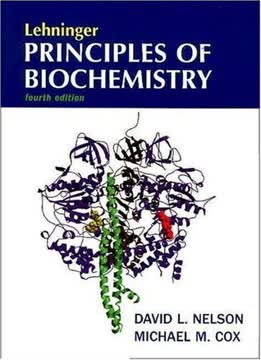
کتاب اصول بیوشیمی به عنوان یک منبع جامع و بهخوبی نوشته شده، مورد توجه و تحسین قرار گرفته است. خوانندگان از وضوح، عمق و توانایی آن در توضیح مفاهیم پیچیده قدردانی میکنند. بسیاری این کتاب را به عنوان متن بیوشیمی نهایی میدانند که برای دانشجویان و حرفهایها به یک اندازه مفید است. در حالی که برخی به دلیل موضوعات مطرح شده آن را چالشبرانگیز مییابند، اکثر افراد از دقت و سبک جذاب آن لذت میبرند. این کتاب بهویژه به خاطر توضیحاتش در مورد متابولیسم و فرآیندهای مولکولی ستایش میشود. برخی از خوانندگان رابطهای عاشقانه و تنفرآمیز با این متن دارند و در عین پذیرش دشواریهای آن، ارزش آن را در درک بیوشیمی به رسمیت میشناسند.
دیگران نیز خواندهاند




سؤالات متداول
1. What is "Principles of Biochemistry" by Albert L. Lehninger about?
- Comprehensive biochemistry overview: The book provides a foundational exploration of the molecular logic of life, detailing how biomolecules interact under physical and chemical laws to sustain living organisms.
- Unity and diversity of life: It emphasizes the shared chemical framework among all organisms, from bacteria to humans, and explores evolutionary relationships and biochemical adaptations.
- Molecular structure and function: The text covers the structure and function of key biomolecules—proteins, nucleic acids, lipids, and carbohydrates—and how their interactions drive life processes.
2. Why should I read "Principles of Biochemistry" by Albert L. Lehninger?
- Essential for life sciences: The book offers a rigorous introduction to biochemistry, crucial for understanding cellular structure, metabolism, and genetic information at the molecular level.
- Integration of evolution and biochemistry: It uniquely combines evolutionary biology with biochemical principles, showing how molecular processes are conserved and adapted.
- Real-world applications: The text links biochemistry to medicine, agriculture, nutrition, and industry, providing insights into practical problems and innovations.
3. What are the key takeaways from "Principles of Biochemistry" by Albert L. Lehninger?
- Cellular and chemical foundations: All cells share core features and maintain a dynamic steady state, with life’s unity reflected in conserved biochemical pathways.
- Physical and genetic principles: The book explains thermodynamics, molecular interactions, and the genetic code, highlighting how DNA encodes and transmits information.
- Evolutionary perspective: It discusses common ancestry, mutation, selection, and endosymbiotic theory, illustrating the evolutionary basis of biochemical diversity.
4. How does "Principles of Biochemistry" by Albert L. Lehninger explain the structure and classification of proteins and amino acids?
- Amino acid diversity: Proteins are built from 20 common amino acids, each classified by side chain properties such as polarity and charge.
- Levels of protein structure: The book details primary, secondary, tertiary, and quaternary structures, showing how sequence determines folding and function.
- Protein folding and stability: It covers the role of chaperones, disulfide bonds, and post-translational modifications in achieving and maintaining functional conformations.
5. What are the main methods for protein purification and analysis in "Principles of Biochemistry" by Albert L. Lehninger?
- Purification strategies: Proteins are separated based on solubility, charge, size, and binding affinity using techniques like chromatography and salting out.
- Electrophoresis techniques: SDS-PAGE and isoelectric focusing are used to analyze protein size and charge, with two-dimensional electrophoresis providing high resolution.
- Activity assays: Enzyme activity is measured throughout purification, with specific activity indicating the degree of purity.
6. How does "Principles of Biochemistry" by Albert L. Lehninger describe enzyme structure, function, and catalysis?
- Enzyme-substrate complex: Enzymes bind substrates at active sites, forming complexes that lower activation energy and accelerate reactions.
- Catalytic mechanisms: The book explains general acid-base, covalent, and metal ion catalysis, as well as transition state stabilization and induced fit.
- Enzyme specificity and regulation: Specificity arises from binding energy, with regulation achieved through allosteric effectors, covalent modification, and proteolytic activation.
7. What are the key principles of enzyme kinetics and inhibition in "Principles of Biochemistry" by Albert L. Lehninger?
- Michaelis-Menten kinetics: The relationship between substrate concentration and reaction rate is described, with parameters like Km and Vmax characterizing enzyme behavior.
- Types of inhibition: Competitive, uncompetitive, mixed, and irreversible inhibitors are distinguished by their effects on kinetic parameters and enzyme activity.
- Kinetic analysis tools: Lineweaver-Burk and other plots are used to determine kinetic constants and analyze inhibition mechanisms.
8. How does "Principles of Biochemistry" by Albert L. Lehninger explain the structure and function of carbohydrates and nucleic acids?
- Carbohydrate diversity: The book covers monosaccharides, polysaccharides, and glycoconjugates, highlighting their roles in energy storage, structure, and cell recognition.
- Nucleic acid structure: DNA and RNA are described as polymers of nucleotides, with double helix structure, base pairing, and backbone chemistry explained in detail.
- Biological roles: Carbohydrates mediate cell signaling and recognition, while nucleic acids store, transmit, and express genetic information.
9. What are the main concepts of membrane structure and transport in "Principles of Biochemistry" by Albert L. Lehninger?
- Membrane composition: Biological membranes are lipid bilayers with embedded proteins, exhibiting asymmetry, fluidity, and specialized domains like lipid rafts.
- Transport mechanisms: The book distinguishes passive (diffusion, facilitated diffusion) and active transport (primary and secondary), with examples like NaK ATPase, GLUT1, and aquaporins.
- Signal transduction: Membrane proteins function as receptors, channels, and enzymes, mediating communication and transport across the membrane.
10. How does "Principles of Biochemistry" by Albert L. Lehninger describe energy metabolism, ATP, and bioenergetics?
- ATP as energy currency: ATP links catabolism and anabolism, providing energy through group transfer rather than simple hydrolysis.
- High-energy compounds: The text discusses other phosphorylated and thioester compounds with high free energies of hydrolysis, such as phosphoenolpyruvate and acetyl-CoA.
- Thermodynamics and regulation: The book explains Gibbs free energy, coupling of reactions, and the role of NAD/NADP in redox reactions.
11. What are the key metabolic pathways and their regulation in "Principles of Biochemistry" by Albert L. Lehninger?
- Central metabolic pathways: Glycolysis, citric acid cycle, fatty acid oxidation, and amino acid degradation are described in detail, with their roles in energy production.
- Metabolic control analysis: The book introduces concepts like flux control coefficients and allosteric regulation, showing how pathway flux is distributed and regulated.
- Hormonal integration: Insulin, glucagon, and epinephrine coordinate metabolism across tissues, maintaining homeostasis and responding to physiological states.
12. How does "Principles of Biochemistry" by Albert L. Lehninger explain genetic information flow, gene expression, and regulation?
- DNA replication and repair: The book details semiconservative replication, leading/lagging strand synthesis, and multiple DNA repair mechanisms.
- Transcription and RNA processing: RNA synthesis, splicing, capping, and polyadenylation are covered, along with the roles of ribozymes and RNA interference.
- Gene regulation: Operons, transcription factors, chromatin remodeling, and developmental gene regulation are explained, highlighting differences between prokaryotes and eukaryotes.








































