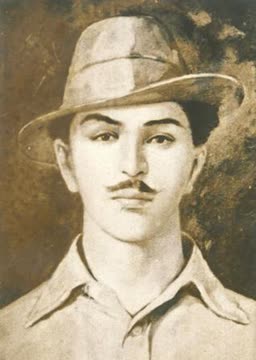
نکات کلیدی
1. بیخدایی ریشهدار در عقل، نه در خودپسندی
رد الهی. بیخدایی باگات سینگ ناشی از یک conviction عمیق عقلانی بود، نه از خودپسندی یا تمایل به جلب توجه. او با دقت به بررسی دکترینهای مذهبی و استدلالهای فلسفی پرداخت و آنها را در برابر عقل و رنجهای آشکار در جهان غیرقابل قبول یافت. عدم ایمان او یک انتخاب آگاهانه بود که از طریق پرسشهای دقیق و تعهد به واقعگرایی تقویت شد.
چالش باورهای رایج. سینگ وجود یک خداوند قادر مطلق، عالم و حاضر را زیر سؤال برد و به چالش کشیدن بنیادهای ایمان مذهبی پرداخت. او استدلال کرد که اگر چنین خدایی وجود داشت، جهان پر از این همه رنج و بیعدالتی نمیبود. این شکاکیت تنها یک رد سنت نبود، بلکه جستوجویی برای درک عقلانیتر از جهان بود.
آزمون اعتقاد. حتی در مواجهه با احتمال اعدام، سینگ از تظاهر به ایمان به خدا برای کاهش سختیهایش خودداری کرد. این تعهد بیچون و چرا به اصولش نشان داد که بیخدایی او یک ژست سطحی نیست، بلکه یک conviction عمیق است که راهنمای اعمال و باورهای او بود.
2. انقلاب نیازمند فداکاری و خوداتکایی است
پذیرش خوداتکایی. سینگ معتقد بود که انقلابیون واقعی باید به قدرت و اعتقادات خود تکیه کنند و نه به جستوجوی آرامش یا حمایت از یک قدرت الهی. این خوداتکایی برای تحمل سختیها و چالشهای مبارزه انقلابی ضروری بود. این به معنای ایستادگی در برابر باورها، حتی در مواجهه با فشار و سختیهای عظیم بود.
فداکاری برای یک هدف. سینگ با کمال میل جان خود را برای هدف استقلال فدای کرد، با انگیزهای برای رهایی بشریت از ستم. این فداکاری ویژگی بارز روح انقلابی او بود و نشاندهنده تمایل به تحمل هر رنجی برای خیر عمومی بود.
فداکاری بینفع. تعهد سینگ به هدف استقلال کاملاً بینفع بود و از هرگونه انگیزه یا تمایل شخصی خالی بود. این خلوص هدف دیگران را به پیوستن به مبارزه ترغیب کرد و حرکتی را ایجاد کرد که با تعهد واقعی و دیدگاه مشترک برای آیندهای بهتر تغذیه میشد.
3. ادبیات شکلدهنده جامعه و هویت ملی است
ادبیات به عنوان آینه. سینگ تأثیر عمیق ادبیات در شکلدهی به ارزشهای اجتماعی و هویت ملی را درک میکرد. او معتقد بود که ادبیات یک ملت روح آن را منعکس میکند و جهتگیری آن را هدایت میکند و مردم را الهام میبخشد. این درک اهمیت ایجاد و ترویج ادبیاتی را که آرمانهای پیشرو را تجسم میکند و حس وحدت را تقویت میکند، برجسته میسازد.
نمونههای تاریخی. سینگ به نمونههای تاریخی، مانند انقلابهای فرانسه و روسیه، اشاره کرد تا قدرت ادبیات در بسیج جمعیتها و ایجاد تغییرات اجتماعی را نشان دهد. او استدلال کرد که رنسانس ادبی و فرهنگی برای هر حرکت موفق ضروری است.
زبان و وحدت. سینگ بر نیاز به یک زبان و خط مشترک برای تقویت وحدت و تسهیل ارتباط میان گروههای مختلف تأکید کرد. او از قومیتگرایی زبان در پنجاب ابراز تأسف کرد و به پذیرش هندی به عنوان نیرویی وحدتبخش تأکید کرد.
4. شهادت به عنوان کاتالیزوری برای تغییر
الهامبخش نسلهای آینده. سینگ شهادت را به عنوان یک کاتالیزور قدرتمند برای تغییر میدید و نسلهای آینده را به ادامه مبارزه برای آزادی و عدالت ترغیب میکرد. فداکاریهای شهدا یادآور هزینه بالای آزادی است و دیگران را به پذیرش این هدف و ادامه آن ترغیب میکند.
جنبش بابار آکالی. سینگ به فداکاریهای شهیدان بابار آکالی اشاره کرد که به خاطر مقاومت در برابر سلطه بریتانیا اعدام شدند. او شجاعت و تعهد آنها را ستود و حتی اگر روشهایشان بحثبرانگیز بود، نقش آنها در بیداری ملت را به رسمیت شناخت.
بیتوجهی جامعه. سینگ بیتوجهی جامعه به فداکاریهای این شهدا را مورد انتقاد قرار داد و از کمبود شناخت و قدردانی از مشارکتهای آنها ابراز تأسف کرد. او مردم را به احترام به یاد آنها و یادگیری از مثالشان ترغیب کرد.
5. سرکوب بوروکراسی جرقهای برای مقاومت
اقدامات سرکوبگرانه. سینگ اقدامات سرکوبگرانهای را که توسط بوروکراسی بریتانیا تحمیل شده بود، از جمله لایحههای ایمنی عمومی و اختلافات تجاری، محکوم کرد. این اقدامات به عنوان تلاشهایی برای سرکوب نارضایتی و حفظ کنترل بر جمعیت هند تلقی میشد.
انتقام از توهینهای ملی. سینگ به بوروکراسی هشدار داد که از انجام اعمال شیطانی خودداری کند و تأکید کرد که چنین اقداماتی تنها به مقاومت دامن میزند و الهامبخش اعمال انتقامی خواهد بود. او تصریح کرد که جوانان هند توهین به افتخار ملتشان را تحمل نخواهند کرد.
روح انقلابی. سینگ اعلام کرد که همیشه یک حزب از جوانان وجود خواهد داشت که به چالش حاکمان متکبر بپردازد، حتی در مواجهه با سرکوب بیرحمانه. این روح مقاومت بیچون و چرا برای دستیابی به آزادی و عدالت ضروری بود.
6. عشق و ایدهگرایی در مبارزه انقلابی
عشق به عنوان منبع قدرت. سینگ استدلال کرد که عشق، در خالصترین شکلش، میتواند شخصیت انسان را ارتقا دهد و در برابر سختیها قدرت بخشد. او به مثال مَزینی اشاره کرد که پس از یک شکست سنگین، در عشق آرامش و الهام یافت.
شور انسانی. سینگ عشق را به عنوان یک شور انسانی میدید که از خواستههای حیوانی متمایز است و قادر به الهامبخشی به اعمال نیکو و فداکاری است. او معتقد بود که عشق میتواند به افراد کمک کند تا بر ضعفهای خود غلبه کنند و پاکی خود را حفظ کنند.
عشق جهانی. سینگ به عشق جهانی که فراتر از روابط فردی گسترش مییابد و شامل تمام بشریت میشود، تأکید کرد. این عشق وسیعتر برای الهامبخشی به انقلابیون برای مبارزه برای آزادی همه مردم ضروری بود.
7. اجتنابناپذیری انقلاب علیه بیعدالتی
چالش وضعیت موجود. سینگ تأکید کرد که انقلاب زمانی اجتنابناپذیر است که نظم اجتماعی موجود بر اساس بیعدالتی آشکار باشد. او استدلال کرد که استثمار کارگران و نابرابریهای تحمیلی به ناچار به هرج و مرج منجر خواهد شد.
تغییر رادیکال. سینگ خواستار تغییر رادیکال در جامعه شد و به سازماندهی مجدد جامعه بر اساس اصول سوسیالیستی تأکید کرد. او معتقد بود که این تنها راه پایان دادن به استثمار انسان به دست انسان و ملل به دست ملل است.
حاکمیت پرولتاریا. سینگ آیندهای را تصور میکرد که در آن حاکمیت پرولتاریا به رسمیت شناخته شود و یک فدراسیون جهانی بشریت را از بند سرمایهداری و رنج جنگهای امپریالیستی رهایی بخشد. این ایده او را به استقبال هر رنجی که ممکن است به آن محکوم شود، ترغیب میکرد.
8. سوسیالیسم به عنوان راهی به آزادی واقعی
برابری اقتصادی. سینگ سوسیالیسم را تنها راه به آزادی واقعی میدانست که برابری اقتصادی و عدالت اجتماعی را برای همه تضمین میکند. او معتقد بود که سیستم سرمایهداری با نابرابریهای ذاتیاش به طور ذاتی ستمگر و ناپایدار است.
غلبه بر مخالفت. سینگ درک میکرد که بسیاری از مردم تحت بهانه غیرعملی بودن سوسیالیسم با آن مخالفت میکنند. او به خداوند چالش میکرد که وارد عمل شود و همه چیز را به شکلی منظم ترتیب دهد و قابلیت اصول سوسیالیستی را نشان دهد.
رفاه عمومی. سینگ تأکید کرد که سوسیالیسم برای رفاه عمومی جامعه ضروری است و نیازهای همه مردم را تأمین میکند. او استدلال کرد که مزایای سوسیالیسم به طور گستردهای شناخته شده است، حتی توسط کسانی که با آن مخالفند.
9. اهمیت حفظ ایدههای انقلابی
چشمانداز روشن. سینگ بر اهمیت حفظ یک چشمانداز روشن از هدف نهایی تأکید کرد، حتی در میانهی سازش و شکستها. این چشمانداز به عنوان نوری راهنما عمل میکند و به انقلابیون کمک میکند تا در مسیر خود باقی بمانند و از سردرگمی جلوگیری کنند.
یادگیری از لنین. سینگ به کارگران سیاسی جوان توصیه کرد که زندگی و کار لنین را مطالعه کنند، به ویژه نظرات او درباره سازش. او معتقد بود که رویکرد استراتژیک لنین به انقلاب درسهای ارزشمندی برای انقلابیون در هند فراهم میکند.
اجتناب از دامها. سینگ نسبت به دامهای سازش هشدار داد، به ویژه تمایل محافظهکاران به انحلال نیروهای انقلابی پس از دستیابی به اصلاحات جزئی. او انقلابیون را به حفظ هوشیاری و جلوگیری از هرگونه سردرگمی در مسائل واقعی ترغیب کرد.
10. فراخوان به فداکاری و تعهد بیچون و چرا
جوانان به عنوان بخور. سینگ اعلام کرد که او و رفقایش جوانی خود را به عنوان بخور به قربانگاه انقلاب آوردهاند، زیرا هیچ فداکاری برای چنین هدفی بزرگ نیست. این تعهد بیچون و چرا به هدف، دیگران را به پیوستن به مبارزه ترغیب کرد.
خوشامدگویی به رنج. سینگ هر رنجی که ممکن است به آن محکوم شود را با کمال میل پذیرفت و آن را بخشی ضروری از فرآیند انقلابی میدانست. او معتقد بود که انقلابیون واقعی باید آماده تحمل هر سختی برای آرمانهای خود باشند.
انتظار انقلاب. سینگ ابراز خرسندی کرد که منتظر ظهور انقلاب است و مطمئن بود که در نهایت بر ستم و بیعدالتی پیروز خواهد شد. این ایمان بیچون و چرا به قدرت انقلاب او را در روزهای پایانیاش پایدار نگه داشت.
خلاصه نقدها
کتاب چرا من بیخدا هستم نوشتهی باگات سینگ به خاطر عمق فلسفی و وضوح تفکرش به شدت مورد تحسین قرار گرفته است، بهویژه با توجه به سن و شرایط جوان نویسنده. خوانندگان شجاعت، عقلانیت و پایبندی سینگ به آرمانهایش را حتی در برابر مرگ ستایش میکنند. بسیاری استدلالهای او علیه دین و به نفع بیخدایی را قانعکننده مییابند، هرچند برخی با او مخالفند. این کتاب بهعنوان گواهی بر نبوغ و روحیه انقلابی سینگ تلقی میشود و بینشهایی دربارهی فلسفهاش فراتر از نقش او بهعنوان یک مبارز آزادی ارائه میدهد. برخی از خوانندگان پیشنهاد میکنند که این کتاب باید بیشتر خوانده شود تا میراث کامل سینگ بهخوبی درک شود.
دیگران نیز خواندهاند


سؤالات متداول
1. What is "Why I Am An Atheist: An Autobiographical Discourse" by Bhagat Singh about?
- Personal and Political Philosophy: The book is a collection of Bhagat Singh’s writings, letters, and essays, most notably his essay "Why I Am An Atheist," where he explains his journey from religious belief to atheism.
- Revolutionary Ideals: It explores Singh’s revolutionary ideology, his critique of colonialism, capitalism, and social injustice, and his vision for a socialist India.
- Historical Context: The writings are set against the backdrop of the Indian independence movement, providing insight into the mindset and motivations of one of its most iconic martyrs.
- Range of Topics: Besides atheism, the book covers language politics, revolutionary strategy, prison conditions, and the role of youth in political change.
2. Why should I read "Why I Am An Atheist: An Autobiographical Discourse" by Bhagat Singh?
- Firsthand Revolutionary Perspective: The book offers a rare, direct window into the thoughts of Bhagat Singh, a key figure in India’s freedom struggle.
- Philosophical Depth: It provides a nuanced discussion on atheism, rationalism, and the rejection of blind faith, which remains relevant in contemporary debates.
- Political Insight: Readers gain an understanding of the ideological rifts within the independence movement, especially between revolutionary and Gandhian approaches.
- Inspiration and Clarity: Singh’s courage, clarity of thought, and commitment to social justice can inspire readers to think critically about their own beliefs and societal roles.
3. What are the key takeaways from "Why I Am An Atheist: An Autobiographical Discourse" by Bhagat Singh?
- Atheism as Reasoned Choice: Bhagat Singh’s atheism is rooted in rational inquiry and a rejection of superstition, not in vanity or rebellion for its own sake.
- Critique of Social Injustice: The book highlights the exploitation of workers and peasants, advocating for a socialist restructuring of society.
- Role of Youth and Revolution: Singh emphasizes the importance of critical thinking, self-sacrifice, and the active participation of youth in societal transformation.
- Importance of Literature and Language: He discusses the significance of language and literature in shaping national consciousness and unity.
4. How does Bhagat Singh define and justify atheism in "Why I Am An Atheist"?
- Not Born of Vanity: Singh clarifies that his atheism is not a result of ego or pride, but of careful study and reflection.
- Rational Inquiry: He argues that belief in God is a product of human weakness and lack of knowledge, and that reason should guide one’s beliefs.
- Critique of Religious Explanations: Singh questions the logic behind the existence of a benevolent, omnipotent God in a world full of suffering and injustice.
- Self-Reliance and Courage: He asserts that true strength comes from facing hardships without relying on divine intervention or hope for rewards in an afterlife.
5. What is Bhagat Singh’s vision of revolution as described in "Why I Am An Atheist: An Autobiographical Discourse"?
- Overthrow of Injustice: Revolution means changing the current order based on manifest injustice, not just replacing rulers.
- Socialist Reconstruction: Singh advocates for the seizure of political power by workers and the establishment of a socialist society.
- Beyond Violence: While force may be necessary, revolution is not just about violence; it’s about building a new, just social order.
- Role of Ideas: He stresses that ideas, not individuals, are the true drivers of revolutionary change.
6. How does Bhagat Singh critique religion and its role in society in "Why I Am An Atheist"?
- Religion as Social Control: Singh argues that religious beliefs and institutions have historically supported exploitative systems and discouraged rebellion.
- Diversity and Contradiction: He points out the contradictions among various religious philosophies, undermining claims of universal truth.
- Origin of God: Singh suggests that God was imagined to comfort humans in distress and to serve as a deterrent against antisocial behavior.
- Call for Realism: He urges society to move beyond mysticism and face reality with reason and self-reliance.
7. What advice does Bhagat Singh give to young political workers in "Why I Am An Atheist: An Autobiographical Discourse"?
- Embrace Critical Thinking: He encourages youth to question old beliefs and challenge authority, using reason as their guide.
- Commit to the Cause: Singh calls for “professional revolutionaries” who dedicate their lives to the movement, not part-time activists.
- Organize and Educate: He stresses the importance of study circles, mass propaganda, and building disciplined, ideologically clear parties.
- Prepare for Sacrifice: Singh warns that revolution is a long, difficult process requiring perseverance, sacrifice, and the ability to withstand setbacks.
8. How does Bhagat Singh address the issue of language and literature in Punjab in "Why I Am An Atheist: An Autobiographical Discourse"?
- Literature as National Soul: Singh believes that literature reflects and shapes the consciousness of a society, and is essential for national progress.
- Language Politics: He discusses the communalization of language in Punjab, with Hindus, Sikhs, and Muslims divided over Hindi, Punjabi, and Urdu.
- Advocacy for Unity: Singh argues for adopting a common script and language to foster unity and literary development in Punjab.
- Cultural Identity: He highlights the importance of making literature accessible in the people’s own language to inspire and educate the masses.
9. What are Bhagat Singh’s views on violence, non-violence, and revolutionary methods in "Why I Am An Atheist: An Autobiographical Discourse"?
- Violence as Last Resort: Singh sees violence as justifiable only when absolutely necessary, and not as an end in itself.
- Critique of Utopian Non-Violence: He criticizes the blind adherence to non-violence, arguing that it can be ineffective against entrenched injustice.
- Strategic Use of Force: Singh believes in using force strategically, as part of a broader revolutionary program, not for personal vendetta.
- Emphasis on Organization: He insists that revolution requires systematic organization, education, and mass mobilization, not just sporadic acts of violence.
10. How does Bhagat Singh describe his prison experiences and hunger strikes in "Why I Am An Atheist: An Autobiographical Discourse"?
- Demand for Rights: Singh and his comrades undertook hunger strikes to demand better treatment and rights for political prisoners.
- Test of Conviction: He describes how prison and the threat of death tested his atheism and revolutionary resolve, which he maintained steadfastly.
- Solidarity and Sacrifice: The hunger strikes were acts of solidarity with other political prisoners and a means to draw public attention to their cause.
- Critique of Authorities: Singh exposes the harsh and vindictive treatment meted out by colonial authorities, highlighting the need for reform.
11. What are some of the best quotes from "Why I Am An Atheist: An Autobiographical Discourse" by Bhagat Singh, and what do they mean?
- "By Revolution we mean that the present order of things, which is based on manifest injustice must change." – This defines revolution as a fundamental transformation of society, not just a change in rulers.
- "Belief softens the hardships, even can make them pleasant. In God, man can find very strong consolation and support. Without Him, the man has to depend upon himself." – Singh acknowledges the comfort religion provides, but values self-reliance and realism.
- "Criticism and independent thinking are the two indispensable qualities of a revolutionary." – He emphasizes the importance of questioning and critical analysis for genuine social change.
- "It is easy to kill individuals but you cannot kill the ideas." – Singh highlights the enduring power of ideas over individuals, a central theme in his revolutionary philosophy.
12. How does "Why I Am An Atheist: An Autobiographical Discourse" by Bhagat Singh remain relevant today?
- Rationalism and Secularism: The book’s advocacy for reason, secularism, and critical thinking continues to resonate in contemporary debates on religion and society.
- Social Justice: Singh’s critique of exploitation and his vision for a just, egalitarian society are still pertinent in the face of ongoing social and economic inequalities.
- Youth Empowerment: His call for youth activism, education, and sacrifice inspires new generations to engage in social and political change.
- Legacy of Dissent: The book stands as a testament to the power of dissent, courage, and the pursuit of truth, encouraging readers to challenge injustice in all forms.








































