Principais Lições
1. Defina Seu Mercado-Alvo e Crie uma Mensagem Atraente
"Se você os confunde, você os perde."
Marketing direcionado vence. Definir seu mercado-alvo de forma precisa permite que você crie uma mensagem que ressoe profundamente com seus clientes ideais. Essa abordagem focada leva a:
- Taxas de conversão mais altas
- Custos de aquisição de clientes mais baixos
- Aumento da lealdade do cliente
Desenvolva uma Proposta Única de Venda (USP). Sua USP deve responder claramente à pergunta: "Por que devo comprar de você em vez do seu concorrente mais próximo?" Uma USP forte:
- Diferencia você dos concorrentes
- Aborda os pontos de dor dos seus clientes
- Posiciona você como a solução ideal
Evite afirmações vagas como "melhor qualidade" ou "ótimo serviço". Em vez disso, concentre-se em benefícios específicos que resolvam os problemas do seu mercado-alvo.
2. Capture Leads e Nutra-os com Valor
"O dinheiro está no acompanhamento."
Construa um banco de dados de marketing. O objetivo da sua publicidade deve ser encontrar pessoas interessadas no que você faz, em vez de fazer uma venda imediata. Essa abordagem permite que você:
- Capture potenciais clientes que não estão prontos para comprar imediatamente
- Construa relacionamentos ao longo do tempo
- Aumente sua taxa de conversão geral
Forneça valor consistentemente. Depois de capturar leads, nutra-os com conteúdo regular e valioso:
- Materiais educacionais (relatórios, vídeos, webinars)
- Insights e dicas do setor
- Ofertas e promoções exclusivas
Isso o posiciona como um especialista e constrói confiança, facilitando a venda eventual.
3. Converta Prospectos Através de Vendas Baseadas em Confiança
"Torne-se um convidado bem-vindo em vez de um incômodo."
Posicione-se como um consultor. Em vez de usar táticas de vendas de alta pressão, concentre-se em educar e resolver problemas para seus prospectos. Essa abordagem:
- Constrói confiança e credibilidade
- Reduz a resistência às vendas
- Leva a clientes de maior qualidade e longo prazo
Ofereça reversão de risco. Implemente garantias fortes que transfiram o risco do comprador para você. Isso pode incluir:
- Garantias de devolução do dinheiro
- Programas de teste antes da compra
- Preços baseados em desempenho
Ao reduzir o risco percebido, você facilita para os prospectos dizerem "sim" à sua oferta.
4. Ofereça uma Experiência de Cliente de Classe Mundial
"Produtos fazem você ganhar dinheiro, sistemas fazem você ganhar uma fortuna."
Crie sistemas para consistência. Desenvolva procedimentos e processos documentados que permitam que seu negócio funcione sem você. Isso inclui:
- Sistemas de marketing
- Sistemas de vendas
- Sistemas de atendimento
- Sistemas administrativos
Foque na jornada do cliente. Mapeie cada ponto de contato que um cliente tem com seu negócio e otimize cada um. Considere:
- Experiência pré-compra
- Processo de compra
- Acompanhamento pós-compra
- Suporte ao cliente
Ao oferecer experiências consistentemente excelentes, você transforma clientes em fãs entusiastas que indicam outros para o seu negócio.
5. Aumente o Valor Vitalício do Cliente
"O verdadeiro lucro está em descobrir como vender mais para clientes existentes e passados e aumentar seu valor vitalício."
Implemente estratégias para aumentar o valor do cliente:
- Aumente os preços estrategicamente
- Faça upsell e cross-sell de produtos/serviços complementares
- Aumente a frequência de compra através de lembretes e assinaturas
- Reative clientes passados com campanhas direcionadas
Foque em clientes de alto valor. Nem todos os clientes são iguais. Identifique seus melhores clientes e invista mais recursos em reter e expandir seus negócios. Considere:
- Programas VIP
- Ofertas personalizadas
- Suporte prioritário
- Eventos ou conteúdos exclusivos
Ao aumentar o valor dos clientes existentes, você pode melhorar dramaticamente a lucratividade sem o custo de adquirir novos clientes.
6. Estimule Ativamente Indicações
"Orquestrar e estimular indicações é um processo ativo."
Crie um sistema de indicações. Não dependa de boca a boca passivo. Implemente estratégias para gerar indicações consistentemente:
- Programas de incentivo a indicações
- Campanhas "Indique um amigo"
- Parcerias estratégicas com negócios complementares
Facilite a indicação. Forneça aos clientes as ferramentas e informações de que precisam para indicar outros:
- Conteúdo compartilhável
- Cartões ou códigos de indicação
- Instruções claras sobre como indicar
Ao buscar ativamente indicações, você aproveita uma das formas de marketing mais eficazes e econômicas.
7. Construa Sistemas para Crescimento Escalável
"Sistemas permitem que meros mortais gerenciem um negócio extraordinário."
Documente seus processos. Crie procedimentos passo a passo para cada aspecto chave do seu negócio:
- Aquisição de clientes
- Entrega de produtos/serviços
- Gestão financeira
- Recursos humanos
Aproveite a tecnologia. Implemente ferramentas e softwares para automatizar e simplificar suas operações:
- Sistemas de Gestão de Relacionamento com o Cliente (CRM)
- Plataformas de automação de marketing
- Ferramentas de gerenciamento de projetos
- Software de contabilidade
Ao construir sistemas escaláveis, você cria um negócio que pode crescer além da sua capacidade pessoal e se tornar um ativo valioso.
8. Foque no Marketing de Resposta Direta
"O caminho mais rápido para o dinheiro."
Priorize o marketing mensurável. Em vez de publicidade focada na marca, use táticas de marketing de resposta direta que:
- Tenham um chamado à ação claro
- Sejam rastreáveis e mensuráveis
- Gerem resultados imediatos
Teste e otimize. Melhore continuamente seu marketing por meio de:
- Testes A/B de diferentes elementos (títulos, ofertas, etc.)
- Acompanhamento de métricas chave (taxas de conversão, ROI)
- Investimento no que funciona e eliminação do que não funciona
Essa abordagem orientada por dados garante que seus esforços de marketing estejam sempre melhorando e gerando um retorno positivo sobre o investimento.
9. Aproveite a Tecnologia e Automação
"O propósito de qualquer nova tecnologia em seu negócio é eliminar atritos."
Simplifique as interações com o cliente. Use a tecnologia para facilitar que os clientes façam negócios com você:
- Sistemas de agendamento online
- Portais de autoatendimento
- Acompanhamentos e lembretes automatizados
Automatize processos internos. Implemente sistemas que reduzam o trabalho manual e aumentem a eficiência:
- Pontuação e roteamento de leads
- Geração de faturas e processamento de pagamentos
- Gestão de inventário
Ao aproveitar a tecnologia de forma eficaz, você pode fornecer um melhor serviço a um custo menor enquanto libera tempo para se concentrar em atividades de alto valor.
10. Meça e Melhore Métricas de Marketing Chave
"O que é medido é gerenciado."
Acompanhe números críticos. Monitore e melhore métricas chave que impulsionam seu negócio:
- Custo de Aquisição de Clientes (CAC)
- Valor Vitalício (LTV)
- Taxas de conversão em cada estágio do funil
- Valor médio da transação
Use um painel de negócios. Crie uma representação visual de suas métricas chave para:
- Identificar rapidamente tendências e problemas
- Tomar decisões baseadas em dados
- Manter sua equipe alinhada e responsável
Ao focar na melhoria contínua dessas métricas, você pode aumentar dramaticamente a lucratividade e o crescimento do seu negócio.
Resumo das Resenhas
O Plano de Marketing de 1 Página recebe, na sua maioria, críticas positivas, com os leitores elogiando a sua abordagem prática ao marketing para pequenas empresas. Muitos consideram-no fácil de entender e implementar, apreciando o guia passo a passo e os conselhos práticos. Alguns críticos argumentam que é demasiado básico para profissionais de marketing experientes ou que carece de fundamentação científica. A simplicidade do livro é vista tanto como uma força quanto uma fraqueza. No geral, os leitores valorizam o seu foco em criar uma estratégia de marketing concisa e as suas percepções sobre aquisição e retenção de clientes.
Outros Também Leram




Perguntas Frequentes
What's "The 1-Page Marketing Plan" about?
- Purpose and Focus: "The 1-Page Marketing Plan" by Allan Dib is about creating a simple, actionable marketing plan that fits on a single page. It aims to help small businesses grow quickly by focusing on direct response marketing.
- Three Phases: The book is structured around three phases of marketing: Before, During, and After. Each phase guides the reader on how to attract, convert, and retain customers.
- Implementation Breakthrough: Dib emphasizes that the book is not about new marketing concepts but about implementing proven strategies effectively. The goal is to simplify marketing for small businesses.
- Direct Response Marketing: The book focuses on direct response marketing, which is designed to evoke an immediate response and is trackable and measurable.
Why should I read "The 1-Page Marketing Plan"?
- Practical Guidance: The book provides practical, step-by-step guidance on creating a marketing plan that is easy to implement and manage.
- Focus on Results: It emphasizes strategies that lead to quick business growth and increased profitability, making it ideal for small business owners.
- Simplifies Marketing: By reducing the marketing plan to a single page, it simplifies the process, making it accessible even to those with little marketing experience.
- Proven Strategies: The book is based on proven direct response marketing strategies, ensuring that readers are applying methods that have been successful in the past.
What are the key takeaways of "The 1-Page Marketing Plan"?
- Target Market: Identifying and focusing on a specific target market is crucial for effective marketing. The book provides tools like the PVP index to help with this.
- Crafting a Message: Creating a compelling message that resonates with the target market is essential. The book offers strategies for crafting offers that stand out.
- Lead Capture and Nurturing: Capturing leads and nurturing them through a structured process is vital for converting prospects into customers.
- Customer Lifetime Value: Increasing the lifetime value of customers through upselling, cross-selling, and providing a world-class experience is a major focus.
How does the "1-Page Marketing Plan" work?
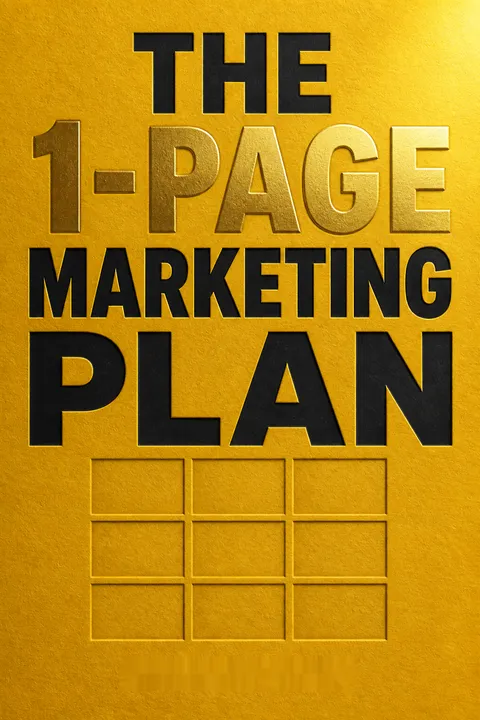
- Nine Squares: The plan is divided into nine squares, each representing a key component of the marketing process. These are split into the three phases: Before, During, and After.
- Step-by-Step Process: Each square guides the reader through a specific step, from selecting a target market to orchestrating referrals.
- Action-Oriented: The plan is designed to be filled out as the reader progresses through the book, ensuring that they have a complete, actionable marketing plan by the end.
- Living Document: The 1-Page Marketing Plan is meant to be a living document that can be refined and updated as the business grows.
What is the "Before" phase in "The 1-Page Marketing Plan"?
- Target Market Selection: This phase involves selecting a specific target market to focus marketing efforts on, ensuring that the message resonates with the right audience.
- Crafting the Message: It includes crafting a compelling message that addresses the needs and desires of the target market.
- Reaching Prospects: The phase also covers selecting the right advertising media to reach prospects effectively and efficiently.
What is the "During" phase in "The 1-Page Marketing Plan"?
- Lead Capture: This phase focuses on capturing leads through various methods and adding them to a database for future follow-up.
- Lead Nurturing: It involves nurturing leads by providing value and building trust, positioning the business as an authority in its field.
- Sales Conversion: The phase aims to convert leads into paying customers by creating enough trust and demonstrating enough value.
What is the "After" phase in "The 1-Page Marketing Plan"?
- Delivering a World-Class Experience: This phase emphasizes providing an exceptional customer experience to turn customers into raving fans.
- Increasing Customer Lifetime Value: It involves strategies to increase the lifetime value of customers through upselling, cross-selling, and repeat business.
- Orchestrating Referrals: The phase focuses on actively stimulating referrals to create a continuous flow of new business.
What are the best quotes from "The 1-Page Marketing Plan" and what do they mean?
- "The fastest path to the money." This quote emphasizes the book's focus on practical, results-oriented marketing strategies that lead to quick business growth.
- "Knowing and not doing is the same as not knowing." It highlights the importance of implementation, urging readers to take action on the strategies outlined in the book.
- "Marketing is the strategy you use for getting your ideal target market to know you, like and trust you enough to become a customer." This quote defines marketing in simple terms, focusing on building relationships with the target market.
How does Allan Dib suggest handling pricing in "The 1-Page Marketing Plan"?
- Positioning Indicator: Price is a critical positioning indicator and should reflect the value and quality of the product or service.
- Avoid Competing on Price: Dib advises against competing solely on price, as it can lead to a race to the bottom and erode profit margins.
- Value Over Discounts: Instead of discounting, businesses should focus on increasing the perceived value of their offerings through bundling and added services.
- Ultra High Ticket Items: Offering ultra high ticket items can attract affluent customers and make other products seem more reasonably priced by comparison.
What role does technology play in "The 1-Page Marketing Plan"?
- Reduce Friction: Technology should be used to reduce friction in the customer experience, making it easier for customers to do business with you.
- Automation: Automation tools can help manage lead capture, nurturing, and follow-up, freeing up time for more strategic activities.
- Professional Presentation: Technology can help small businesses present themselves as larger and more professional, leveling the playing field with bigger competitors.
- Efficiency and Scalability: Proper use of technology can improve efficiency and scalability, allowing businesses to grow without a proportional increase in resources.
How does "The 1-Page Marketing Plan" address customer retention?
- World-Class Experience: Delivering a world-class experience is key to retaining customers and turning them into raving fans.
- Regular Communication: Regular communication through newsletters, emails, and other channels helps maintain relationships and keep the business top of mind.
- Upselling and Cross-Selling: These strategies increase customer lifetime value by encouraging customers to purchase additional products or services.
- Feedback and Improvement: Actively seeking customer feedback and making improvements based on it helps ensure customer satisfaction and loyalty.
How can businesses stimulate referrals according to "The 1-Page Marketing Plan"?
- Active Process: Referrals should be actively orchestrated and stimulated rather than passively hoped for.
- Asking for Referrals: Businesses should not hesitate to ask satisfied customers for referrals, providing them with incentives or reasons to do so.
- Joint Ventures: Partnering with complementary businesses can create a steady stream of referrals and new customers.
- Building Brand Equity: Delivering exceptional experiences and building brand equity naturally leads to more referrals as customers become advocates for the business.
Baixar PDF
Baixar EPUB
.epub digital book format is ideal for reading ebooks on phones, tablets, and e-readers.








































