
أهم النقاط
1. الإتمام: الطريق إلى السعادة المطلقة والحرية الحقيقية
في اللحظة التي يتحرر فيها الإنسان من أسر عقله، يصبح إلهًا حيًا يتنفس!
تعريف الإتمام. الإتمام، أو "عقل الروح"، هو حالة وجود يعيش فيها الإنسان كل شيء مباشرة دون وسيط الفكر. وتتميز هذه الحالة بـ:
- الحكمة في القول والفعل
- حالة سلام وفرح مستمرة لا تنقطع
- التحرر من ردود الفعل العاطفية
- تجربة الحياة بشكل مباشر، بلا مرشحات ذهنية
طريق الوصول إلى الإتمام. لتحقيق هذه الحالة:
- أدرك أنك أسير لأهوائك وأفكارك ومعتقداتك الحالية
- افهم أنك لست عقلك
- ازرع حالة "لا عقل" تتجاوز الفكر تمامًا
- عش الحياة بكل لحظة، بلا حكم أو تفسير
2. الذات المصطنعة: أكبر عقبة في طريقك
أكبر عقبة أمام الإتمام هي وجود ذاتك المصطنعة.
فهم الذات المصطنعة. هي الشخصية التي نخلقها ونحافظ عليها، وتشمل:
- مظهرنا الخارجي وعادات العناية بالنفس
- آرائنا ومعتقداتنا وفلسفاتنا
- سمات شخصيتنا وسلوكياتنا
- أذواقنا وتفضيلاتنا
التحرر منها. لتجاوز هذه العقبة:
- اعترف بأن هذه الذات ليست طبيعتك الحقيقية، بل هي بناء
- لاحظ كيف أن الحفاظ على هذه الذات يتطلب جهدًا مستمرًا ويسبب المعاناة
- مارس التخلي عن التعلق بأفكارك وآرائك وصورتك الذاتية
- احتضن حرية أن تكون لا شيء، وهو ما paradoxically يسمح لك بأن تكون كل شيء
3. عبثية الحياة: احتضان اللا معنى
الحياة مجرد مزحة. عبثية. مسار غير خطي، عشوائي، وغير متوقع، يخصب خيال البشر الهلوسيين.
فهم طبيعة الحياة. يتطلب فهم الحقيقة:
- قبول أن الحياة لا تحمل معنى أو هدفًا جوهريًا
- إدراك أن محاولاتنا لإيجاد أو خلق معنى غالبًا ما تؤدي إلى المعاناة
- الاعتراف بأن الأحداث تحدث حولنا، لا تحدث لنا
العيش بحرية. احتضان عبثية الحياة يمكنك من:
- التخلي عن الحاجة للسيطرة أو الفهم
- تجربة كل لحظة بالكامل، بلا حكم أو توقع
- اللعب مع الحياة بدلًا من محاولة صنع شيء منها
- الإبداع والإنجاز بلا تعلق بالنتائج
4. عبء الفكر: التحرر من العقل
أعظم حرية نمتلكها هي حرية الابتعاد عن أنفسنا.
سجن الفكر. عقولنا تولد أفكارًا بلا توقف، مما يؤدي إلى:
- ضجيج ذهني لا ينقطع
- ردود فعل عاطفية وتقلبات مزاجية
- شعور بالانفصال عن التجربة المباشرة
- المعاناة من خلال التوقع والندم والقلق
تحقيق الحرية. للتحرر من استبداد العقل:
- مارس مراقبة أفكارك دون أن تتماهى معها
- ازرع وعيك باللحظة الحاضرة
- طور القدرة على استخدام الفكر كأداة، لا أن تكون أداة له
- عش الحياة مباشرة، بلا فلتر التعليق الذهني
5. التربية: السماح للطبيعة بتربية الأطفال
الطبيعة لا تخطئ في الأطفال. الآباء هم من يخطئون.
إعادة التفكير في التربية. التربية التقليدية غالبًا ما تتضمن:
- محاولة السيطرة وتشكيل الطفل
- إسقاط مخاوف ونقائص الوالدين على الطفل
- التعليم والتلقين بدلًا من الاستماع والملاحظة
نهج جديد. لدعم نمو الطفل حقًا:
- أوجد بيئة تسمح لحكمة الطفل الطبيعية أن تزدهر
- تعلم من فرح الطفل وفضوله ووعيه باللحظة
- امتنع عن فرض تصوراتك ومعتقداتك الذهنية
- أحب الطفل بلا شروط، واعتبره تعبيرًا كاملاً عن الحياة
6. الاستيقاظ من سبات الحياة
أنت ببساطة نائم.
التعرف على حالة النوم. يعيش معظم الناس في حالة شبيهة بالحلم، تتسم بـ:
- العيش في أفكار الماضي والمستقبل بدلًا من الواقع الحاضر
- ردود فعل انعكاسية بدلًا من استجابات واعية
- المرور بالروتين اليومي بلا وعي أو حضور
- السعي المستمر وراء آمال وأحلام مستقبلية
طريق الاستيقاظ. للتحرر من هذا السبات:
- ازرع وعيك بحالتك الحالية الشبيهة بالنوم
- مارس التواجد الكامل في كل لحظة
- راقب ردود أفعالك التلقائية وأنماطك المعتادة
- اختر الاستجابات الواعية بدلًا من ردود الفعل الانعكاسية
7. النشوة الفورية: احتضان موتك المحتوم
أنت ستموت!
قوة الوعي بالموت. الفهم الحقيقي لنهايتك يمكن أن:
- يجلب وضوحًا وتركيزًا فوريًا لحياتك
- يساعدك على ترتيب أولوياتك الحقيقية
- يحررك من الهموم التافهة والصراعات الصغيرة
- يلهمك أن تعيش كل لحظة بكاملها
العيش بوعي الموت. لاستثمار هذا الفهم التحويلي:
- تأمل موتك بانتظام
- اتخذ قراراتك بناءً على الوقت المحدود المتاح لك
- تخل عن الأحقاد والندم والقلق غير الضروري
- احتضن كل يوم كهدية ثمينة، وعيش بحيوية وهدف
ملخص المراجعات
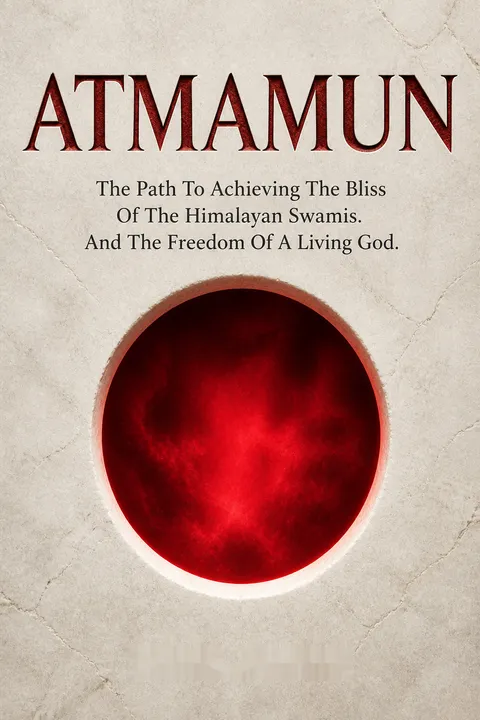
يُعتبر كتاب "أتامون" من الكتب التي تثير الفكر وتُحدث تحولًا عميقًا في نظرتنا للحياة والروحانية واكتشاف الذات. يقدّر القراء أسلوب المؤلف جوبتا المباشر والصريح في تناول الأسئلة الجوهرية المتعلقة بالوجود والعقل البشري. يجد الكثيرون في رؤى الكتاب حول اللاوعي، والانفصال عن الماديات، والسلام الداخلي قيمة كبيرة. بينما يرى البعض أن محتواه قد يغير حياتهم، يجد آخرون صعوبة في استيعابه أو يشعرون بأنه منفصل عن الواقع. يُنصح بهذا الكتاب غالبًا لمن يسعون إلى وعي ذاتي أعمق ونمو روحي، ويخطط العديد من القراء لقراءته مرات عدة للاستفادة منه بشكل أوسع.
قرأ الآخرون أيضًا





الأسئلة الشائعة
What's "Atmamun: The Path To Achieving The Bliss Of The Himalayan Swamis" about?
- Author's Exploration: The book is an exploration of achieving bliss and freedom akin to the Himalayan Swamis and living as a God. It delves into the nature of the mind and how it binds us.
- True Seeker's Guide: It is intended for those who are sincerely searching for transformation beyond organized religion and self-help.
- Path to Bliss: Atmamun is presented as a path to achieving unbridled freedom and the bliss experienced by the Himalayan Swamis.
- Mind and Freedom: The book emphasizes the need to break free from the mind's control to realize one's true self and experience life fully.
Why should I read "Atmamun: The Path To Achieving The Bliss Of The Himalayan Swamis"?
- Transformative Insights: The book offers insights into achieving personal transformation and freedom from the mind's constraints.
- Unique Perspective: It challenges conventional self-help and religious teachings, offering a unique perspective on achieving inner peace.
- Practical Guidance: Through dialogues and commentary, the author provides practical guidance for those seeking a deeper understanding of themselves.
- For True Seekers: It is particularly beneficial for those who are genuinely seeking a path to enlightenment and personal freedom.
What are the key takeaways of "Atmamun: The Path To Achieving The Bliss Of The Himalayan Swamis"?
- Mind as a Prison: The book emphasizes that the mind is a prison, and true freedom comes from transcending it.
- No-Mind State: Achieving a state of No-Mind is crucial for experiencing Atmamun, where one lives in clarity and freedom.
- Self-Realization: Understanding that one's manufactured self is the source of misery and that true self lies beyond the mind.
- Living in the Present: The book advocates for living in the present moment, free from the burdens of past and future.
What is the concept of "Atmamun" as described by Kapil Gupta?
- Mind of the Spirit: Atmamun translates to "Mind of the Spirit," a state where one experiences life without the interference of thought.
- Experiencing Without Thought: It involves experiencing the world directly, without thoughts registering, leading to a state of peace and wisdom.
- Beyond Flow States: Atmamun goes beyond flow states, offering a deeper understanding and transcendence of the mind.
- Freedom from Mind: It is about transcending the mind's control and using it as a tool rather than being enslaved by it.
How does Kapil Gupta define the mind in "Atmamun"?
- Intricate Web: The mind is described as a deeply intricate web that controls our thoughts, emotions, and behaviors.
- Not You: The author emphasizes that the mind is not you; it is a filter through which you experience life.
- Source of Turmoil: The mind is the source of all turmoil, and understanding its nature is key to transcending it.
- Illusion of Control: People believe they control their lives, but in reality, they are controlled by their minds.
What is the "No-Mind" state in "Atmamun"?
- Gateway to Atmamun: No-Mind is described as the gateway to Atmamun, where one transcends the mind's control.
- State of Clarity: It is a state of clarity and freedom, where one experiences life directly without the mind's interference.
- Transcending Thought: Achieving No-Mind involves transcending thought and experiencing life as it is.
- Ultimate Freedom: It represents ultimate freedom and the ability to use the mind as a tool rather than being enslaved by it.
What does Kapil Gupta say about meditation in "Atmamun"?
- Beyond Traditional Meditation: The book argues that traditional meditation practices are insufficient for achieving true peace.
- Meditative Living: It advocates for a meditative approach to life, where every action becomes a meditation.
- Allowing, Not Doing: Meditation is about allowing and stillness, not about doing or achieving something.
- Killing the Meditator: True meditation involves losing oneself in the activity, allowing the doer to disappear.
How does "Atmamun" address the concept of happiness and misery?
- Happiness as a Reaction: The book suggests that the search for happiness is a reaction to unhappiness and both are sides of the same coin.
- Beyond Moods: Happiness and sadness are moods, and true bliss lies beyond these transient states.
- Wisdom and Bliss: Bliss is a byproduct of wisdom and understanding the true nature of life.
- Abandoning the Search: The path to bliss involves abandoning the search for happiness and pleasure.
What role does the concept of death play in "Atmamun"?
- Instant Bliss: The realization of one's mortality is presented as a path to instant bliss.
- Finite Time: Understanding that time is finite encourages living fully in the present moment.
- Motivator for Living: Death is seen as a motivator to live life fully and not waste time on trivial pursuits.
- Perspective on Life: The awareness of death brings perspective, helping one focus on what truly matters.
How does Kapil Gupta view the concept of parenting in "Atmamun"?
- Nature Raises Children: The book argues that nature, not parents, raises children, and parents often interfere with this process.
- Power and Control: Parents often abuse their power, imposing their minds and prejudices on their children.
- Learning from Children: Instead of teaching, parents should learn from their children's natural joy and spontaneity.
- Creating an Environment: The role of a parent is to create an environment of peace and freedom for the child to thrive.
What does "Atmamun" say about the pursuit of success and wealth?
- Attachment is Poison: The book emphasizes that attachment to success and wealth is the source of misery.
- True Freedom: True freedom comes from being unattached to possessions and achievements.
- Rich Man's Luxury: The greatest luxury of wealth is the ability to turn inward and seek true freedom.
- Beyond Material Success: Atmamun encourages looking beyond material success to find inner peace and fulfillment.
What are the best quotes from "Atmamun" and what do they mean?
- "The moment that man gains freedom from his mind, he becomes a living, breathing God!" This quote encapsulates the book's central theme of transcending the mind to achieve ultimate freedom and divinity.
- "Man’s greatest dilemma is that he lives in a prison and he believes that he is free." It highlights the illusion of freedom while being controlled by the mind.
- "If you knew that you were going to die tomorrow, today would be the most blissful day of your life." This quote emphasizes the importance of living fully in the present moment, aware of life's impermanence.
- "The greatest freedom that we have is the freedom to walk away from ourselves." It suggests that true liberation comes from shedding the manufactured self and embracing one's true nature.
تحميل PDF
تحميل EPUB
.epub digital book format is ideal for reading ebooks on phones, tablets, and e-readers.








































