
أهم النقاط
1. المبادئ الاقتصادية تحكم تخصيص الموارد في عالم يعاني من الندرة
الاقتصاد هو دراسة استخدام الموارد النادرة التي لها استخدامات بديلة.
الندرة تحفز الاختيارات. في عالم محدود الموارد، يدرس الاقتصاد كيف تقوم المجتمعات بتخصيص هذه الموارد لتلبية الاحتياجات غير المحدودة. هذا المفهوم الأساسي ينطبق على جميع الأنظمة الاقتصادية، سواء كانت رأسمالية أو اشتراكية أو مختلطة.
المفاضلات أمر لا مفر منه. نظرًا لندرة الموارد، فإن اختيار إنتاج سلعة أو خدمة معينة يعني التخلي عن إنتاج سلعة أو خدمة أخرى. مفهوم تكلفة الفرصة البديلة هذا هو جوهر اتخاذ القرارات الاقتصادية على جميع المستويات، من الأفراد إلى الحكومات.
الكفاءة هي الأساس. تهدف الأنظمة الاقتصادية إلى تخصيص الموارد بأكثر الطرق كفاءة ممكنة، لتعظيم الإنتاج وتقليل الهدر. ويتضمن ذلك:
- إنتاج السلع والخدمات التي يقدرها الناس أكثر
- استخدام أقل كمية من الموارد لإنتاج هذه السلع والخدمات
- توزيع السلع والخدمات على من يقدرها أكثر
2. الأسعار تنسق بين العرض والطلب بكفاءة في الأسواق الحرة
الأسعار تشبه الرسل الذين ينقلون الأخبار—أحيانًا أخبارًا سيئة، كما في حالة العقارات المطلة على الشاطئ التي يرغب فيها عدد أكبر بكثير من الناس مما يمكن أن يعيشوا على الشاطئ، لكنها غالبًا ما تكون أخبارًا جيدة أيضًا.
إشارات الأسعار توجه القرارات. في السوق الحرة، تعمل الأسعار كنظام اتصال ينقل معلومات عن الندرة والوفرة النسبية. عندما تصبح سلعة نادرة، يرتفع سعرها، مما يشجع:
- المستهلكين على تقليل الاستخدام أو البحث عن بدائل
- المنتجين على زيادة العرض أو تطوير بدائل
توازن العرض والطلب. الأسعار تتكيف تلقائيًا لتحقيق توازن بين العرض والطلب. عندما يتجاوز الطلب العرض، ترتفع الأسعار، مما يشجع:
- زيادة الإنتاج
- تقليل الاستهلاك
تستمر هذه العملية حتى يتم الوصول إلى نقطة التوازن.
التحكم في الأسعار يشوه الأسواق. عندما تفرض الحكومات سقوفًا أو أرضيات سعرية، يؤدي ذلك إلى:
- نقص في المعروض (عندما تكون الأسعار منخفضة جدًا)
- فائض في المعروض (عندما تكون الأسعار مرتفعة جدًا)
- تخصيص غير فعال للموارد
- انخفاض جودة أو كمية السلع والخدمات
3. الأرباح والخسائر تحفز الابتكار والكفاءة في الأعمال
الأرباح مرغوبة بوضوح والخسائر مرفوضة. لكن الاقتصاد ليس إدارة أعمال فقط.
دافع الربح يحفز الكفاءة. في سوق تنافسية، يجب على الشركات أن تبتكر باستمرار وتحسن الكفاءة للبقاء. وهذا يؤدي إلى:
- خفض التكاليف للمستهلكين
- تحسين جودة المنتجات والخدمات
- استخدام أكثر كفاءة للموارد
الخسائر لها دور. رغم أنها مؤلمة للشركات الفردية، تلعب الخسائر دورًا حيويًا في الاقتصاد من خلال:
- الإشارة إلى المنتجات أو الخدمات التي لا يقدرها المستهلكون
- دفع الشركات غير الكفؤة إلى التحسين أو الخروج من السوق
- إعادة تخصيص الموارد لاستخدامات أكثر إنتاجية
التدمير الإبداعي ضروري. عملية استبدال الشركات والتقنيات الجديدة بالقديمة ضرورية للنمو الاقتصادي. ومن الأمثلة على ذلك:
- السيارات التي حلت محل العربات التي تجرها الخيول
- الكاميرات الرقمية التي حلت محل كاميرات الأفلام
- خدمات البث التي أحدثت ثورة في التلفزيون التقليدي ودور السينما
4. أسواق العمل تتأثر بالإنتاجية والمهارات والتنظيمات
تواجه كل دولة صناعية حديثة تقريبًا قضايا تتعلق بأمن الوظائف، سواء تعاملت معها بواقعية أو فشلت في ذلك.
الإنتاجية تحدد الأجور. في سوق تنافسية، تميل أجور العمال إلى أن تعكس إنتاجيتهم. وتشمل العوامل المؤثرة في الإنتاجية:
- التعليم والمهارات
- التكنولوجيا والمعدات الرأسمالية
- ممارسات الإدارة
التنظيمات العمالية لها عواقب. رغم حسن النوايا، قد تؤدي قوانين العمل إلى آثار غير مقصودة:
- قد تقلل قوانين الحد الأدنى للأجور فرص العمل للعمال ذوي المهارات المنخفضة
- قد تجعل قوانين أمن الوظيفة أصحاب العمل مترددين في توظيف عمال جدد
- قد تزيد المنافع الإلزامية من تكاليف العمالة وتقلل من فرص التوظيف بشكل عام
رأس المال البشري ضروري. الاستثمار في التعليم والمهارات أساسي للنمو الاقتصادي وازدهار الأفراد. ومع ذلك، ليست كل أنواع التعليم ذات قيمة متساوية:
- بعض التخصصات توفر مهارات أكثر طلبًا في السوق من غيرها
- التدريب والخبرة العملية قد تكون ذات قيمة تعادل التعليم الرسمي
- التعلم مدى الحياة أصبح أكثر أهمية في اقتصاد سريع التغير
5. الاستثمار والمضاربة ضروريان للنمو الاقتصادي وإدارة المخاطر
الاستثمار والمضاربة ضروريان للنمو الاقتصادي وإدارة المخاطر.
الاستثمار يحفز النمو. تراكم رأس المال من خلال الاستثمار ضروري لزيادة الإنتاجية والنمو الاقتصادي. ويشمل ذلك:
- رأس المال المادي (الآلات، المباني، البنية التحتية)
- رأس المال البشري (التعليم، المهارات، الصحة)
- الابتكار التكنولوجي
المخاطرة والمكافأة مرتبطتان. الاستثمارات ذات المخاطر الأعلى عادة ما تقدم إمكانيات لعوائد أعلى. وهذه العلاقة أساسية لـ:
- إدارة المحافظ الاستثمارية
- تخصيص رأس المال في الاقتصاد
- ريادة الأعمال والابتكار
المضاربة لها دور. رغم الانتقادات، يمكن للمضاربة أن تؤدي وظائف اقتصادية مهمة:
- توفير السيولة في الأسواق
- المساعدة في اكتشاف الأسعار
- نقل المخاطر من من هم أقل قدرة على تحملها إلى من هم أكثر قدرة
6. التأمين ونقل المخاطر يلعبان أدوارًا حيوية في الاستقرار الاقتصادي
التأمين ينقل ويقلل من تلك المخاطر.
تجميع المخاطر يفيد المجتمع. يسمح التأمين للأفراد والشركات بحماية أنفسهم من الخسائر الكارثية عن طريق توزيع المخاطر على مجموعة كبيرة. وهذا يؤدي إلى:
- استقرار اقتصادي أكبر
- زيادة الاستعداد لتحمل المخاطر المحسوبة
- تخصيص أكثر كفاءة للموارد
المخاطر الأخلاقية تمثل تحديًا. قد يؤدي التأمين أحيانًا إلى سلوكيات أكثر خطورة، وهو ما يعرف بالمخاطر الأخلاقية. يتعامل المؤمنون مع ذلك من خلال:
- الخصومات والمساهمات المشتركة
- استثناءات لبعض الأنشطة عالية المخاطر
- التسعير بناءً على عوامل المخاطر الفردية
برامج التأمين الحكومية لها إيجابيات وسلبيات. رغم توفيرها حماية مهمة، قد تخلق برامج التأمين الحكومية حوافز معاكسة:
- دعم تأمين الفيضانات يشجع البناء في المناطق المعرضة للفيضانات
- تأمين الودائع قد يشجع البنوك على تحمل مخاطر مفرطة
- برامج التأمين الاجتماعي قد تقلل من الادخار الفردي والاعتماد على الذات
7. الوقت والمال مرتبطان، ويؤثران على القرارات والنتائج الاقتصادية
المثل القديم "الوقت هو المال" ليس صحيحًا فحسب، بل له تداعيات جدية عديدة.
القيمة الحالية هي الأساس. مفهوم القيمة الحالية يعترف بأن الدولار اليوم يساوي أكثر من دولار في المستقبل. وهذا يؤثر على:
- قرارات الاستثمار
- تسعير الأصول المالية
- تقييم المشاريع طويلة الأجل
آفاق الزمن مهمة. تختلف آفاق الزمن بين الفاعلين الاقتصاديين، مما يؤدي إلى صراعات محتملة:
- قد تركز الشركات على الأرباح الفصلية مقابل النمو طويل الأجل
- قد يفضل السياسيون الشعبية قصيرة الأجل على الصحة الاقتصادية طويلة الأجل
- يجب على الأفراد موازنة الاستهلاك الحالي مع الادخار للمستقبل
التأجيل في المكافأة قد يؤتي ثماره. القدرة على تأجيل المكافآت الفورية من أجل فوائد أكبر في المستقبل أمر حاسم لـ:
- النجاح المالي الشخصي (الادخار والاستثمار)
- نمو الأعمال (إعادة استثمار الأرباح)
- التنمية الاقتصادية (الاستثمار في البنية التحتية والتعليم)
وجد تقرير التنمية البشرية لعام 2019 أن الدول التي تتمتع بمستويات أعلى من الصبر (كما يقاس بالاستعداد لتأجيل المكافأة) تميل إلى تحقيق مستويات أعلى من التنمية الاقتصادية.
ملخص المراجعات
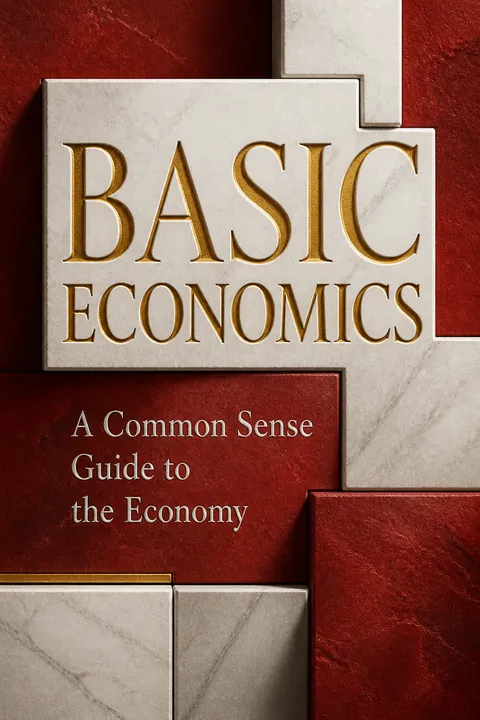
يحظى كتاب "الاقتصاد الأساسي" بإشادة واسعة لما يقدمه من شرح واضح للمبادئ الاقتصادية بعيدًا عن المصطلحات المعقدة والرسوم البيانية. يثمن القراء استخدام توماس سويل للأمثلة الواقعية التي توضح المفاهيم بشكل ملموس. يعتبره الكثيرون قراءة ضرورية لفهم اقتصاد السوق الحر وتداعيات السياسات الاقتصادية. في المقابل، ينتقد البعض الكتاب لعرضه وجهة نظر متحيزة بشكل مفرط لصالح الرأسمالية. يُشاد بالكتاب لقدرته على تبسيط الأفكار المعقدة وجعلها في متناول القارئ العادي، رغم أن بعض القراء يرونه متكررًا في بعض المواضع. بشكل عام، يوصي النقاد به كمدخل غني بالمعلومات لفهم الاقتصاد، لا سيما من منظور محافظ.
قرأ الآخرون أيضًا









الأسئلة الشائعة
What's Basic Economics: A Common Sense Guide to the Economy about?
- Accessible Economics Overview: Basic Economics by Thomas Sowell is designed to introduce economic principles to the general public and beginners, covering key concepts like supply and demand, prices, and government policy impacts.
- Real-World Applications: Sowell illustrates how economic principles apply across different economies and historical contexts, showing that the same economic laws govern diverse systems.
- Focus on Consequences: The book emphasizes the importance of understanding economics for informed decision-making, particularly in politics, where ignoring economic principles can lead to negative outcomes.
Why should I read Basic Economics?
- Clear and Informative: Sowell presents complex economic ideas in a straightforward manner, making them accessible to readers without an economics background.
- Practical Examples: The book is filled with real-life examples that illustrate economic principles, helping readers understand how these concepts affect everyday life and public policy.
- Empowerment Through Knowledge: Understanding economics enables readers to better navigate political discussions and make informed choices as voters.
What are the key takeaways of Basic Economics?
- Scarcity and Choice: Resources are scarce, necessitating choices and trade-offs. Economics is defined as "the study of the use of scarce resources which have alternative uses."
- Role of Prices: Prices act as signals in the market, guiding consumers and producers in their decisions and helping allocate resources efficiently.
- Consequences Over Intentions: The consequences of economic policies matter more than the intentions behind them, as misguided policies can lead to shortages or surpluses.
What are the best quotes from Basic Economics and what do they mean?
- "Nothing is easier than to have good intentions but, without an understanding of how an economy works, good intentions can lead to disastrous consequences.": Highlights the importance of economic literacy in policymaking.
- "Economics is not just about dealing with the existing output of goods and services as consumers. It is also, and more fundamentally, about producing that output from scarce resources in the first place.": Emphasizes the dual focus of economics on production and consumption.
- "The role of prices is to provide incentives to affect behavior in the use of resources and their resulting products.": Encapsulates the function of prices in a market economy.
How does Basic Economics define scarcity?
- Fundamental Economic Concept: Scarcity is the condition where individual wants exceed available resources, underpinning all economic activity and decision-making.
- Implications for Choices: Limited resources necessitate choices about allocation, leading to trade-offs where gaining more of one good means giving up another.
- Universal Reality: Scarcity affects all economies, making it essential to understand for grasping the necessity of economic systems and competition.
What is the role of prices in economics according to Basic Economics?
- Incentives for Behavior: Prices influence consumer and producer behavior, encouraging balance in the market by signaling when to buy less or supply more.
- Coordination of Knowledge: Prices help coordinate actions in an economy without central planning, conveying information about supply and demand.
- Reflection of Scarcity: Prices reflect resource scarcity, rising when demand exceeds supply, signaling consumers to reduce consumption or seek alternatives.
What are the consequences of price controls as discussed in Basic Economics?
- Shortages and Surpluses: Price controls can lead to shortages when set too low, causing demand to exceed supply, or surpluses when set too high.
- Quality Deterioration: Often result in a decline in quality, as producers cut corners to maintain profitability under suppressed prices.
- Black Markets: Legal prices that don't reflect market realities can lead to black markets, where goods are traded at market prices.
How does Basic Economics explain the role of profits and losses?
- Incentives for Efficiency: Profits reward efficient resource allocation and meeting consumer demands, while losses signal inefficiencies.
- Market Signals: Profits and losses provide critical information about business success or failure, guiding decisions on production and innovation.
- Economic Health Indicator: Overall profit levels indicate economic health, with high profits suggesting effective resource use and widespread losses signaling distress.
What is the significance of competition in Basic Economics?
- Driving Innovation: Competition encourages businesses to innovate, leading to better quality and lower prices for consumers.
- Resource Allocation: Helps allocate resources to their most valued uses, with inefficient firms adapting or failing.
- Consumer Benefits: Provides consumers with more choices and better prices, ensuring businesses remain responsive to needs and preferences.
How does Basic Economics address the relationship between government and the economy?
- Government Intervention Risks: Warns that interventions often lead to unintended consequences, disrupting market signals and causing inefficiencies.
- Role of Regulation: While necessary for order and consumer protection, excessive regulation can stifle competition and innovation.
- Understanding Market Dynamics: Emphasizes understanding market functions independently of government control for efficient resource allocation.
What is the concept of "comparative advantage" in Basic Economics?
- Definition of Comparative Advantage: The ability to produce a good at a lower opportunity cost than others, explaining the benefits of trade.
- Example of Specialization: Countries specialize in products they produce most efficiently, trading to benefit from each other's strengths.
- Implications for Trade: Even if one country is more efficient in all goods, trade can still be mutually beneficial, supporting free trade arguments.
How does Basic Economics explain the relationship between supply and demand?
- Fundamental Economic Principle: Supply and demand determine prices and resource allocation, essential for analyzing market behavior.
- Shifts in Supply and Demand: Various factors can shift curves, affecting prices and quantities, such as changes in preferences or production costs.
- Market Equilibrium: Markets tend to reach equilibrium where supply equals demand, dynamically changing with economic factors.
عن المؤلف
كتب أخرى لـ توماس سويل


تحميل PDF
تحميل EPUB
.epub digital book format is ideal for reading ebooks on phones, tablets, and e-readers.








































