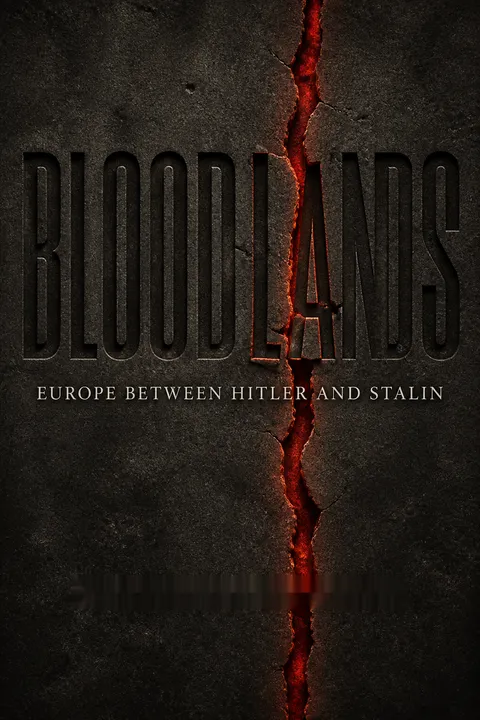

أهم النقاط
1. الأراضي الدامية: تقاطع مأساوي بين سياسات القتل النازية والسوفيتية
في قلب أوروبا منتصف القرن العشرين، أودت الأنظمة النازية والسوفيتية بحياة نحو أربعة عشر مليون إنسان.
تعريف الأراضي الدامية. يشير مصطلح "الأراضي الدامية" إلى المنطقة الممتدة من وسط بولندا إلى غرب روسيا، بما في ذلك أوكرانيا وبيلاروس ودول البلطيق. أصبحت هذه المنطقة مركزًا لعمليات القتل الجماعي المتعمدة بين عامي 1933 و1945، حيث شهدت عنفًا غير مسبوق من كلا النظامين النازي والسوفيتي.
خصائص منطقة القتل:
- استُهدِف المدنيون بدلاً من الجنود
- القتل استند إلى معايير عرقية وطبقية ووطنية
- تم قتل النساء والأطفال وكبار السن بشكل منهجي
- استخدمت أساليب الجوع والإطلاق النار والغاز
الأهمية التاريخية. تمثل الأراضي الدامية فضاءً جغرافيًا وتاريخيًا فريدًا التقت فيه الأيديولوجيات الشمولية، مما أدى إلى أكثر مناطق القتل الجماعي تركيزًا في التاريخ الحديث. أصبحت المنطقة ميدانًا لتجارب سياسية جذرية أفضت إلى تفضيل الأهداف الأيديولوجية على حياة الإنسان.
2. التحول الزراعي الستاليني والمجاعة الأوكرانية
كان ستالين يعلم ما سيحدث عندما صادر الطعام من الفلاحين الجائعين في أوكرانيا عام 1933، تمامًا كما كان هتلر يدرك ما يمكن توقعه عندما حرم أسرى الحرب السوفيت من الغذاء بعد ثماني سنوات.
التجميع كأداة سياسية. كان التجميع القسري للزراعة في عهد ستالين استراتيجية مقصودة لتحويل المجتمع الريفي واستخلاص الموارد من أجل التصنيع. لم تكن المجاعة الأوكرانية نتيجة غير مقصودة، بل وسيلة محسوبة للسيطرة السياسية والهندسة الاجتماعية.
الجوانب الرئيسية للتحول الزراعي:
- القضاء على الفلاحين المستقلين (الكولاك)
- فرض إنشاء مزارع جماعية
- جباية الحبوب بشكل إلزامي
- الجوع المتعمد كأداة سياسية
الثمن البشري. توفي نحو 3.3 مليون أوكراني خلال مجاعة 1932-1933، وكان الغالبية من الأوكرانيين العرقيين. شكلت المجاعة عنفًا موجهًا ضد مجموعة وطنية محددة، بهدف كسر مقاومتهم واستقلالهم الزراعي.
3. الإرهاب العظيم: القتل الجماعي على أساس الطبقة والهوية الوطنية
في عامي 1937 و1938، أُعدم ربع مليون مواطن سوفيتي لأسباب عرقية في الأساس.
الاضطهاد المنهجي. مثل الإرهاب العظيم نهجًا متطورًا للقتل الجماعي، حيث استُهدفت مجموعات اجتماعية وعرقية محددة عبر آليات بيروقراطية. استخدم ستالين مؤامرات ملفقة وعمليات وطنية لتبرير عمليات القتل الواسعة.
المجموعات المستهدفة:
- الكولاك (الفلاحون الأثرياء)
- الأقليات البولندية
- الأقليات الوطنية
- أعضاء الحزب الشيوعي
- الضباط العسكريون
التحول الأيديولوجي. مثل الإرهاب العظيم تحولًا من الاضطهاد الطبقي إلى الاستهداف العرقي والوطني، مما كشف عن تطور طبيعة القمع الستاليني. وأظهر كيف يمكن للأنظمة الشمولية القضاء منهجيًا على التهديدات المفترضة عبر عمليات بيروقراطية.
4. ميثاق مولوتوف-ريبنتروب: تحالف براغماتي للدمار
تعاونت الدولتان اللتان مثلتا أقصى البدائل الأيديولوجية في ثلاثينيات القرن الماضي لتقسيم الأراضي بينهما.
تعاون انتهازي. مثل ميثاق عدم الاعتداء النازي-السوفيتي ترتيبًا جيوسياسيًا براغماتيًا سمح للنظامين الشموليين بالسعي وراء التوسع الإقليمي والقضاء على الخصوم السياسيين.
عواقب الميثاق:
- تقسيم بولندا
- ضم دول البلطيق إلى الاتحاد السوفيتي
- دعم متبادل في الفتوحات الإقليمية
- تعليق مؤقت للخلافات الأيديولوجية
التلاعب الدبلوماسي. نظر كل من هتلر وستالين إلى الميثاق كخطوة تكتيكية، معتقدين أنه بإمكانهما التفوق على الآخر في النهاية. كشف الاتفاق عن الانتهازية الجوهرية للأنظمة الشمولية عند مواجهة فرص استراتيجية.
5. عملية بارباروسا: نقطة التحول في الحرب العالمية الثانية
كانت عملية بارباروسا أكبر غزو عسكري في التاريخ، حيث عبر ثلاثة ملايين جندي ألماني إلى الأراضي السوفيتية.
حرب أيديولوجية للإبادة. لم تكن الغزوة الألمانية للاتحاد السوفيتي مجرد حملة عسكرية، بل كانت حربًا عنصرية تهدف إلى تدمير شعوب بأكملها وخلق نظام عرقي جديد في شرق أوروبا.
الأهداف الاستراتيجية الرئيسية:
- احتلال الأراضي السوفيتية
- القضاء على السكان اليهود
- تدمير البنية التحتية الشيوعية
- الاستحواذ على الموارد الزراعية والصناعية
تحول طبيعة الحرب. مثلت عملية بارباروسا تحولًا جوهريًا في الصراع العسكري، حيث تجاوزت الأهداف الأيديولوجية الاعتبارات الاستراتيجية التقليدية، مما أدى إلى مستويات غير مسبوقة من الوحشية وخسائر المدنيين.
6. الهولوكوست: من الترحيل إلى الإبادة المنهجية
بحلول ديسمبر 1941، تحول الألمان من الترحيل إلى القتل الجماعي كحل أساسي لـ "المسألة اليهودية".
تصعيد العنف. مثل الهولوكوست نهجًا منهجيًا للإبادة العرقية، تطور من خطط الترحيل إلى القتل الجماعي المباشر في الأراضي المحتلة.
مراحل الاضطهاد:
- الترحيل الأولي وتكوين الأحياء المحصنة
- عمليات الإعدام الجماعي في الأراضي المحتلة
- إنشاء معسكرات الموت
- أساليب القتل الصناعية
الآلة البيروقراطية للموت. أظهر الهولوكوست كيف يمكن للأنظمة الإدارية الحديثة أن تُعبأ لتنفيذ عمليات قتل واسعة النطاق، بمشاركة مؤسسات الدولة المختلفة وتنسيق معقد.
7. حرب العصابات والمقاومة في بيلاروس
شكلت حرب العصابات كابوسًا في التخطيط العسكري الألماني، حيث قوضت المفاهيم التقليدية للقتال العسكري.
مشهد مقاومة معقد. مثلت حرب العصابات في بيلاروس شكلًا دقيقًا من المقاومة تحدى الاستراتيجيات العسكرية التقليدية وكشف عن محدودية الاحتلال الألماني.
خصائص مقاومة العصابات:
- هيكل تنظيمي لامركزي
- استراتيجيات تركز على البقاء
- علاقات معقدة مع السكان المحليين
- مرونة أيديولوجية
استراتيجيات البقاء. طور المقاومون أساليب مبتكرة للمقاومة، غالبًا ما كانوا يفضلون البقاء والإنقاذ على المواجهة العسكرية المباشرة.
8. اقتصاديات الإبادة الجماعية: العمل، الجوع، والسياسة العرقية
استورد الألمان ملايين العمال السلافيين، مكونين نظامًا معقدًا حيث كانوا يقتلون من ثم يستخدمونهم كعمال.
المنطق الاقتصادي للقتل الجماعي. طور النظام النازي استراتيجيات اقتصادية معقدة جمعت بين الأيديولوجيا العرقية واستغلال العمالة والقتل المنهجي.
الاعتبارات الاقتصادية الرئيسية:
- استخدام العمالة القسرية
- الجوع كأداة لإدارة الاقتصاد
- تصنيف العمالة وفقًا للعرق
- استغلال الأراضي المحتلة
تناقضات منهجية. كشفت السياسة الاقتصادية النازية عن تناقضات جوهرية في الأيديولوجيا العرقية، حيث تعارضت الضرورات الاقتصادية مع المبادئ العرقية المعلنة.
9. تعقيدات التعاون والبقاء
واجه السكان المحليون خيارات مستحيلة بين التعاون والمقاومة والبقاء تحت الاحتلال المزدوج.
غموض أخلاقي في ظل الاحتلال. تميزت تجربة السكان في الأراضي الدامية باستراتيجيات بقاء معقدة تجاوزت التصنيفات الأخلاقية البسيطة.
استراتيجيات البقاء:
- التفاوض بين القوى المحتلة
- التلاعب الاستراتيجي بالهوية
- المقاومة السرية
- التكيف والتسوية
الصدمة النفسية. خلق الاحتلال ديناميات اجتماعية معقدة اختبرت الحدود الأخلاقية الفردية والجماعية.
10. المشهد الأخلاقي للأنظمة الشمولية
تكشف الأراضي الدامية كيف يمكن للأيديولوجيا أن تحول الناس العاديين إلى أدوات للقتل الجماعي.
التحول الأيديولوجي. أظهرت الأنظمة الشمولية قدرتها على إعادة تشكيل السلوك البشري من خلال الدعاية المنهجية، والخوف، والآليات البيروقراطية.
آليات تدمير الأخلاق:
- تجريد المجموعات المستهدفة من إنسانيتها
- تطبيع العنف عبر البيروقراطية
- الدعاية المنهجية
- تآكل الوكالة الأخلاقية الفردية
تأمل تاريخي. تمثل الأراضي الدامية دراسة حاسمة لفهم كيف يمكن للأيديولوجيات السياسية أن تغير المشهد الأخلاقي للإنسان بشكل جذري.
ملخص المراجعات
يُعد كتاب "أراضي الدم" سردًا قويًا ومدروسًا بدقة لعمليات القتل الجماعي التي وقعت في أوروبا الشرقية بين عامي 1933 و1945. يقدم المؤلف تيموثي سنايدر رؤية شاملة للفظائع التي ارتكبها كل من هتلر وستالين، مع تركيز خاص على الضحايا بدلاً من الجلادين. ورغم ما حظي به الكتاب من إشادة لتحليله المفصل ونهجه الإنساني، إلا أن بعض النقاد يرون أنه يبسط أحداثًا تاريخية معقدة. وتُعد الصور الصادمة للعنف والمعاناة التي يعرضها الكتاب تحديًا للقارئ، لكنه في الوقت ذاته قراءة ضرورية تسلط الضوء على جانب غالبًا ما يُغفل في تاريخ الحرب العالمية الثانية.
الأسئلة الشائعة
What's Bloodlands: Europe Between Hitler and Stalin about?
- Historical Context: The book examines the mass killings in Eastern Europe from 1933 to 1945, focusing on the "bloodlands" where Nazi and Soviet regimes overlapped. This region includes parts of Poland, Ukraine, Belarus, and the Baltic States.
- Mass Murder: Timothy Snyder details the systematic extermination of approximately 14 million people, including the Holocaust, the Great Terror, and the Ukrainian famine, emphasizing their interconnectedness.
- Comparative Analysis: Snyder compares the ideologies and methods of the Nazi and Soviet systems, arguing that both were responsible for immense suffering and death.
Why should I read Bloodlands: Europe Between Hitler and Stalin?
- Comprehensive Analysis: The book provides a thorough examination of the historical events that shaped modern Eastern Europe, making it essential for understanding the region's complex past.
- Moral Reflection: Snyder encourages readers to reflect on the moral implications of these historical events, urging a deeper understanding of the human capacity for violence.
- Unique Perspective: Unlike many histories that focus solely on one regime, Bloodlands offers a comparative analysis of both Nazi and Soviet atrocities, providing a more nuanced understanding of the era.
What are the key takeaways of Bloodlands: Europe Between Hitler and Stalin?
- Interconnected Atrocities: The mass murders by both regimes were not isolated incidents but part of a broader pattern of violence in Eastern Europe.
- Human Cost: Snyder highlights the personal stories of victims, reminding readers that behind the statistics are real lives lost.
- Political Implications: The ideologies of both regimes led to justifications for mass murder, showing the dangers of totalitarianism.
What are the best quotes from Bloodlands: Europe Between Hitler and Stalin and what do they mean?
- "In the middle of Europe in the middle of the twentieth century, the Nazi and Soviet regimes murdered some fourteen million people." This encapsulates the central thesis, highlighting the scale and centrality of these atrocities in European history.
- "The place where all of the victims died, the bloodlands, extends from central Poland to western Russia." This defines the geographical focus, emphasizing the specific region where these mass murders occurred.
- "The sheer numbers of the victims can blunt our sense of the individuality of each one." This reflects Snyder's concern that overwhelming statistics can overshadow personal stories, which he aims to restore through survivor accounts.
How does Timothy Snyder define the "bloodlands" in Bloodlands: Europe Between Hitler and Stalin?
- Geographical Definition: The "bloodlands" are the territories in Eastern Europe that experienced both Nazi and Soviet mass killings, primarily between 1933 and 1945.
- Historical Significance: This area includes modern-day Poland, Ukraine, Belarus, and the Baltic states, where the majority of the deliberate killings by both regimes took place.
- Interconnected Suffering: The term encapsulates the shared suffering of various ethnic groups, including Jews, Poles, and Ukrainians, under the oppressive policies of both totalitarian regimes.
What role did economic policies play in the mass killings described in Bloodlands: Europe Between Hitler and Stalin?
- Collectivization and Famine: Stalin's collectivization policies led to widespread famine, particularly in Ukraine, where millions starved as resources were redirected to support industrialization.
- Nazi Economic Exploitation: The Nazis aimed to exploit the resources of occupied territories, leading to the starvation and murder of local populations, particularly Jews.
- Ideological Justifications: Both regimes used economic rationales to justify their brutal policies, demonstrating how ideology and economic interests were intertwined.
How does Bloodlands: Europe Between Hitler and Stalin address the Holocaust?
- Central Focus: The Holocaust is a major theme, with Snyder detailing the systematic extermination of Jews in the bloodlands.
- Interconnected Events: Snyder connects the Holocaust to other mass killings, illustrating how these events were influenced by the political goals of both regimes.
- Victim Stories: The author shares personal accounts of Jewish victims, which serve to humanize the statistics and remind readers of the individual lives lost.
What was the significance of the Molotov-Ribbentrop Pact in the context of Bloodlands: Europe Between Hitler and Stalin?
- Division of Eastern Europe: The pact was a non-aggression treaty between Nazi Germany and the Soviet Union that included secret protocols for dividing Eastern Europe.
- Facilitated Atrocities: Snyder argues that the pact allowed both regimes to coordinate their actions against the populations of Eastern Europe, leading to a more systematic approach to repression and extermination.
- Historical Consequences: The pact's implications extended beyond the immediate military actions, as it reshaped national borders and identities in the region.
How does Timothy Snyder depict Stalin's policies in Bloodlands: Europe Between Hitler and Stalin?
- Brutal Repression: Snyder portrays Stalin's policies as marked by extreme brutality, including the Great Terror and the man-made famine in Ukraine.
- Ideological Justifications: Stalin used ideology to justify mass murder, framing it as necessary for the defense of socialism.
- Impact on Society: Snyder examines the societal impact of Stalin's policies, including the destruction of communities and the psychological toll on survivors.
What role did local populations play in the atrocities described in Bloodlands: Europe Between Hitler and Stalin?
- Collaboration with Occupiers: Local populations often collaborated with Nazi forces in the execution of Jews and other targeted groups.
- Pogroms and Violence: The book details instances of pogroms where local populations participated in the violence against Jews.
- Complex Motivations: Motivations for collaboration varied widely, from ideological alignment with Nazi goals to personal grievances against Jews or communists.
How does Bloodlands: Europe Between Hitler and Stalin contribute to our understanding of totalitarianism?
- Comparative Analysis: Snyder provides a comparative framework for understanding the totalitarian regimes of Hitler and Stalin, highlighting their similarities and differences.
- Human Cost: The author emphasizes the human cost of totalitarianism, illustrating how millions suffered under both regimes.
- Lessons for Today: Snyder's exploration of totalitarianism serves as a warning about the dangers of unchecked power and ideological extremism.
What are the implications of Timothy Snyder's findings in Bloodlands: Europe Between Hitler and Stalin for contemporary politics?
- Understanding Authoritarianism: Snyder's analysis provides valuable insights into the nature of contemporary authoritarian regimes.
- Ethnic Cleansing and Nationalism: The book's exploration of ethnic cleansing and nationalism serves as a cautionary tale for current political movements.
- Collective Memory: Snyder emphasizes the importance of remembering and acknowledging the past to prevent the repetition of history.
عن المؤلف


تحميل PDF
تحميل EPUB
.epub digital book format is ideal for reading ebooks on phones, tablets, and e-readers.








































