
أهم النقاط
1. الطائفة: البنية التحتية الخفية للتدرج الاجتماعي البشري
الطائفة هي البنية التحتية لانقساماتنا. إنها هندسة التدرج الاجتماعي البشري، الشيفرة اللاواعية التي تحافظ، في حالتنا، على نظام اجتماعي عمره أربعمائة عام.
تعريف الطائفة. الطائفة نظام اصطناعي هرمي يحدد قيمة الإنسان بناءً على خصائص عشوائية مثل العرق أو الجنس أو الوضع الاجتماعي. وعلى عكس الطبقة الاجتماعية التي يمكن تغييرها بالجهد، فإن الطائفة ثابتة منذ الولادة وتشكل كل جانب من جوانب حياة الفرد.
السياق التاريخي. أنظمة الطوائف وجدت بأشكال مختلفة عبر التاريخ، وأبرزها في الهند، ألمانيا النازية، والولايات المتحدة. وتتشارك هذه الأنظمة في سمات مشتركة:
- تقسيم اجتماعي صارم
- محدودية التنقل الاجتماعي
- استغلال الطوائف الدنيا
- تبرير عبر الدين أو العلوم الزائفة أو التقاليد
تأثيرها على المجتمع. أنظمة الطوائف تخلق:
- عدم مساواة منهجية
- صدمات نفسية للطوائف الدنيا
- هدر في الطاقات البشرية
- عدم استقرار اجتماعي وصراعات
2. الأعمدة الثمانية للطائفة: أسس الانقسام الاجتماعي
هذه هي أعمدة الطائفة، المبادئ القديمة التي بحثتها وجمعتها أثناء دراستي للتشابهات والتداخلات بين ثلاث هرمات طائفية كبرى.
الأعمدة الثمانية. ويلكرسون يحدد ثمانية مبادئ أساسية تدعم أنظمة الطوائف:
- الإرادة الإلهية وقوانين الطبيعة
- الوراثة
- الزواج الداخلي والسيطرة على الزواج
- الطهارة مقابل التلوث
- التسلسل الوظيفي
- تجريد الإنسان من إنسانيته والوصمة
- الإرهاب كوسيلة للإنفاذ والقسوة كأداة للسيطرة
- التفوق الفطري مقابل الدونية
آليات التعزيز. تعمل هذه الأعمدة معًا من أجل:
- تبرير نظام الطائفة كشيء طبيعي أو مقدر إلهيًا
- الحفاظ على حدود واضحة بين الطوائف
- فرض أدوار الطائفة عبر الضغط الاجتماعي والعنف
- استبطان هويات الطائفة في كل من الجماعات المهيمنة والمهيمنة عليها
3. نظام الطائفة في أمريكا: إرث العبودية والفصل العنصري
نظام الطائفة في أمريكا عمره أربعمائة عام ولن يُزال بقانون واحد أو شخص واحد مهما كانت قوته.
الجذور التاريخية. نشأ نظام الطائفة الأمريكي من:
- تجارة الرقيق عبر الأطلسي
- قوانين جيم كرو والفصل العنصري
- العنصرية النظامية المستمرة
التجليات الحديثة. اليوم، يستمر نظام الطائفة الأمريكي من خلال:
- فجوة الثروة العرقية
- التفاوتات التعليمية
- السجن الجماعي
- التمييز في السكن
- عدم المساواة في الرعاية الصحية
التأثير الثقافي. يشكل نظام الطائفة المجتمع الأمريكي عبر:
- التأثير على التفاعلات الشخصية والتحيزات
- تشكيل الأيديولوجيات السياسية وأنماط التصويت
- استدامة الصور النمطية في الإعلام والثقافة الشعبية
4. الآثار السامة للطائفة على الصحة والمجتمع
الطائفة مرض، ولا أحد منا بمنأى عنه. كأن الإدمان على الكحول مشفر في حمض البلاد النووي، ولا يمكن إعلان شفائه الكامل.
تأثيرات صحية جسدية. تؤثر الطائفة على الصحة من خلال:
- التوتر المزمن الناتج عن التمييز
- محدودية الوصول إلى الرعاية الصحية الجيدة
- العنصرية البيئية (مثل التعرض للتلوث)
- ارتفاع معدلات الأمراض المزمنة في الطوائف الدنيا
العواقب النفسية. تؤدي أنظمة الطوائف إلى:
- القمع الداخلي وانخفاض تقدير الذات
- القلق والاكتئاب
- الصدمات النفسية عبر الأجيال
- تعاطي المخدرات كآلية للتكيف
التكاليف الاجتماعية. يضر نظام الطائفة الجميع من خلال:
- تقليل التماسك الاجتماعي والثقة
- الحد من النمو الاقتصادي والابتكار
- استمرار دوائر الفقر والعنف
- تقويض المؤسسات الديمقراطية
5. الطائفة في ألمانيا النازية: أوجه التشابه مع العنصرية الأمريكية
النازيون أدركوا أوجه التشابه حتى وإن لم يفعل الكثير من الأمريكيين ذلك.
الأيديولوجيات المشتركة. كان لدى ألمانيا النازية وأمريكا في عهد جيم كرو معتقدات متشابهة حول:
- النقاء والتفوق العرقي
- ضرورة الفصل العنصري
- تبريرات زائفة علميًا للتمييز
التشريعات المتشابهة. طبق كلا النظامين:
- قوانين مناهضة للزواج المختلط
- تقييد حقوق المواطنة
- الفصل في الأماكن العامة
التأثير المتبادل. درس النازيون:
- القوانين العرقية الأمريكية كنموذج
- أعجبوا بكفاءة فصل جيم كرو
- انتقدوا بعض الممارسات الأمريكية لشدتها
التباينات بعد الحرب. بعد الحرب العالمية الثانية:
- ألمانيا فككت نظام الطائفة النازي بنشاط
- الولايات المتحدة واجهت صعوبة في معالجة هرمها العرقي
6. ثمن الحفاظ على نظام الطائفة
يدفع الأمريكيون ثمنًا باهظًا لنظام طائفي يتعارض مع القيم المعلنة للبلاد.
التكاليف الاقتصادية. يؤدي نظام الطائفة إلى:
- انخفاض الإنتاجية والابتكار
- ارتفاع تكاليف الرعاية الصحية والرفاه الاجتماعي
- زيادة نفقات الجريمة والسجن
- ضياع إمكانات الفئات المهمشة
التكاليف الاجتماعية. يكرس الطائفة:
- عدم الاستقرار الاجتماعي والصراعات
- تآكل القيم الديمقراطية
- تراجع المكانة العالمية والسلطة الأخلاقية
- العبء النفسي على الطوائف المهيمنة والمهيمنة عليها
تكاليف الفرص. يمكن توجيه الطاقة المصروفة في الحفاظ على الطائفة نحو:
- حل التحديات العالمية (مثل تغير المناخ والفقر)
- دفع التقدم العلمي والتكنولوجي
- تعزيز الإنجازات الثقافية والفنية
- بناء مجتمع أكثر عدلاً ومساواة
7. التحرر: تفكيك الطائفة من أجل مستقبل أكثر عدالة
لتخيل نهاية للطائفة في أمريكا، يكفي أن ننظر إلى تاريخ ألمانيا. إنها دليل حي على أنه إذا كان يمكن إنشاء نظام طائفي – حكم النازيين الذي دام اثني عشر عامًا – فيمكن تفكيكه.
الإجراءات الفردية. لمكافحة الطائفة، يمكن للأفراد:
- التعرف على تحيزاتهم ومواجهتها
- تثقيف أنفسهم حول الطائفة وتأثيراتها
- بناء علاقات عبر خطوط الطائفة
- التحدث ضد التمييز والظلم
التغييرات النظامية. يتطلب تفكيك الطائفة:
- إصلاحات قانونية لمعالجة التمييز النظامي
- توفير فرص متساوية في التعليم والرعاية الصحية والاقتصاد
- تمثيل الفئات المهمشة في مواقع السلطة
- مواجهة صادقة للظلم التاريخي (مثل التعويضات)
رؤية المستقبل. عالم بلا طوائف سيكون:
- يقدر الإمكانات البشرية بغض النظر عن الصفات العشوائية
- يعزز الابتكار والتقدم عبر الجدارة الحقيقية
- يشجع التماسك الاجتماعي وحل المشكلات الجماعي
- يسمح للأفراد بالازدهار بناءً على قدراتهم وجهودهم، لا على ولادتهم
يتوقف تقدم البشرية على قدرتنا في التعرف على الهياكل الهرمية الاصطناعية التي تفرقنا وتفكيكها. من خلال فهم الطبيعة الخبيثة للطائفة، يمكننا العمل نحو مجتمع أكثر عدلاً ومساواة للجميع.
ملخص المراجعات
يستعرض كتاب "الطبقة الاجتماعية" لإيزابيل ويلكرسون النظام الطبقي الخفي في أمريكا، مقارناً إياه بالأنظمة الطبقية في الهند وألمانيا النازية. تؤكد ويلكرسون أن العرق ليس سوى علامة ظاهرة على هرمية طبقية أعمق. حظي الكتاب بإشادة واسعة لما يتميز به من أسلوب سرد جذاب، وبحث معمق، وأفكار تثير التفكير. وجد بعض القراء فيه ما يفتح أعينهم ويعتبرونه ذا أهمية بالغة، في حين شعر آخرون بأنه يتكرر أو يفتقر إلى العمق في بعض الجوانب. وقد قدر كثير من النقاد القصص الشخصية والأمثلة التاريخية التي قدمتها المؤلفة، رغم أن بعضهم انتقد تركيزها على السياسة المعاصرة.
قرأ الآخرون أيضًا










الأسئلة الشائعة
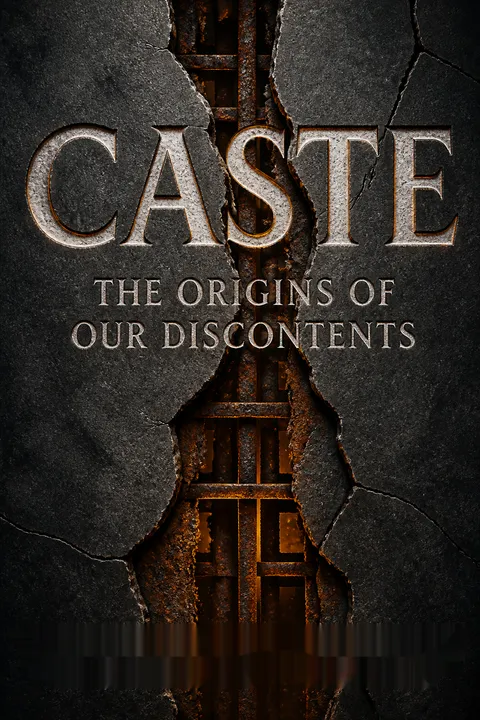
What's Caste: The Origins of Our Discontents about?
- Exploration of Caste Systems: The book examines caste as a social hierarchy that categorizes people based on perceived superiority and inferiority. It draws parallels between caste systems in India, Nazi Germany, and the United States.
- Historical Context: Isabel Wilkerson traces the origins of caste in America back to slavery and the systemic oppression of African Americans, highlighting its impact on contemporary social dynamics.
- Personal Narratives: The author incorporates personal stories and testimonies to illustrate the lived experiences of individuals affected by caste, making the complex topic more relatable.
Why should I read Caste: The Origins of Our Discontents?
- Timely and Relevant: The book addresses contemporary issues of race, inequality, and social justice, making it particularly relevant in today's sociopolitical climate.
- Deep Understanding: Wilkerson's exploration of caste offers a nuanced perspective that goes beyond traditional discussions of race, fostering empathy and awareness of systemic issues.
- Engaging Writing Style: The author’s narrative style combines rigorous research with compelling storytelling, making complex ideas accessible and engaging.
What are the key takeaways of Caste: The Origins of Our Discontents?
- Caste vs. Race: Wilkerson distinguishes between caste as a fixed social hierarchy and race as a more fluid concept, emphasizing the importance of understanding caste to address systemic inequalities.
- Eight Pillars of Caste: The book outlines eight pillars that uphold caste systems, such as divine will and heritability, providing a framework for understanding how caste operates.
- Call to Action: The author urges readers to recognize their own positions within the caste system and work towards dismantling these structures through radical empathy and collective responsibility.
What are the best quotes from Caste: The Origins of Our Discontents and what do they mean?
- “Caste is the bones, race the skin.”: This quote emphasizes that while race is the visible aspect of social hierarchy, caste is the underlying structure that dictates power dynamics.
- “Silence in the face of evil is itself evil.”: Attributed to Dietrich Bonhoeffer, this quote underscores the moral responsibility to speak out against injustice and the dangers of complicity.
- “Caste is a disease, and none of us is immune.”: This highlights the pervasive nature of caste systems, suggesting that everyone is affected by societal hierarchies.
How does Isabel Wilkerson define caste in Caste: The Origins of Our Discontents?
- Caste as a Social Hierarchy: Wilkerson defines caste as an artificial construction ranking people based on perceived superiority and inferiority, deeply embedded in societal structures.
- Caste vs. Class: She distinguishes caste from class, noting that caste is fixed and inherited, while class can change based on economic status and personal achievement.
- Caste as a Living Entity: Wilkerson describes caste as a living, breathing entity that shapes human interactions and societal norms, often going unnoticed yet profoundly affecting lives.
What are the eight pillars of caste outlined in Caste: The Origins of Our Discontents?
- Divine Will and the Laws of Nature: This pillar suggests that caste systems are often justified by religious or naturalistic beliefs that assign inherent value to different groups.
- Heritability: Caste is passed down through generations, reinforcing the idea that one's position in the hierarchy is predetermined and unchangeable.
- Endogamy: The practice of marrying within one's caste helps maintain the boundaries and purity of each group, reinforcing the social hierarchy.
How does Caste: The Origins of Our Discontents relate to current social issues?
- Reflection on Systemic Inequality: The book provides a framework for understanding contemporary issues of racial and social inequality, encouraging readers to examine the roots of these problems.
- Call to Action: Wilkerson’s exploration of caste serves as a call to action for individuals to recognize their roles within these systems and work towards dismantling oppressive structures.
- Intersectionality: The book addresses the intersections of caste with other social categories, such as gender and class, illustrating how these factors compound the effects of oppression.
What historical examples does Wilkerson use to illustrate caste systems?
- Nazi Germany: Wilkerson examines the caste system established by the Nazis, highlighting how they drew inspiration from American racial laws.
- India’s Caste System: The book delves into the ancient caste system of India, exploring its origins and enduring impact on society.
- American Slavery and Jim Crow: Wilkerson provides a detailed account of the American caste system, tracing its roots from slavery through the Jim Crow era to present-day inequalities.
How does Wilkerson suggest we can address the issues of caste in society?
- Awareness and Education: Wilkerson emphasizes the importance of recognizing and understanding the existence of caste systems in society.
- Collective Action: The author calls for collective action to challenge and dismantle caste-based inequalities, encouraging advocacy and support for movements addressing systemic injustices.
- Personal Responsibility: Wilkerson stresses the need for individuals to reflect on their own positions within the caste system and take responsibility for their actions.
What role does silence play in the context of caste, according to Wilkerson?
- Complicity in Oppression: Wilkerson argues that silence in the face of injustice is a form of complicity that allows caste systems to persist.
- Fear of Repercussions: The book discusses how fear of social or personal repercussions often silences individuals, preventing them from taking a stand against caste-based discrimination.
- The Power of Voice: Wilkerson emphasizes the transformative power of speaking out and advocating for change, believing that collective voices can challenge caste structures.
How does Caste: The Origins of Our Discontents address health disparities?
- Health Impacts of Caste: The book discusses how individuals in lower castes experience higher levels of stress and related health issues, such as hypertension and diabetes.
- Discrimination and Health: Wilkerson highlights research showing that discrimination can lead to adverse health outcomes for marginalized groups.
- Cumulative Stress: The author explains that the cumulative stress of living within a caste system can lead to chronic health problems, affecting life expectancy and quality of life.
What is the significance of radical empathy in Caste: The Origins of Our Discontents?
- Definition of Radical Empathy: Wilkerson defines radical empathy as the deep understanding and connection to the experiences of others, particularly those from marginalized groups.
- Empathy as a Tool for Change: The book argues that radical empathy can help bridge divides and foster understanding among different groups.
- Moral Duty: Wilkerson posits that those in the dominant caste have a moral obligation to develop radical empathy and advocate for the rights of marginalized individuals.
عن المؤلف
كتب أخرى لـ إيزابيل ويلكرسون

تحميل PDF
تحميل EPUB
.epub digital book format is ideal for reading ebooks on phones, tablets, and e-readers.








































