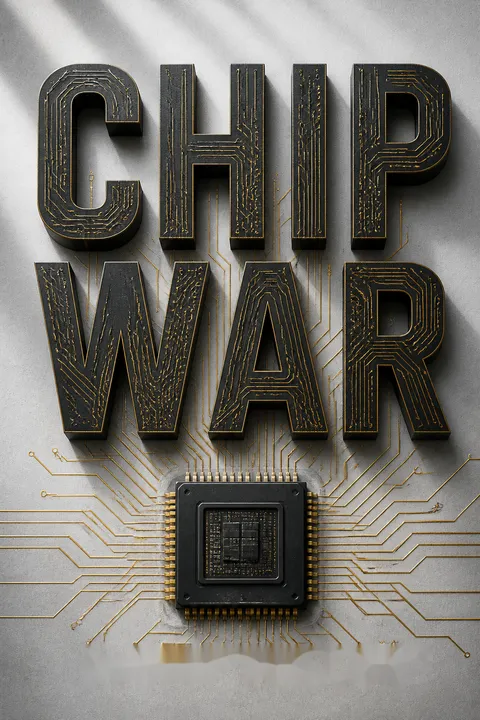

أهم النقاط
1. صناعة أشباه الموصلات تشكل ديناميكيات القوة العالمية
"لقد شكّلت الرقائق الجغرافيا الخاصة بالعولمة، وربطت بين آسيا والولايات المتحدة بطرق بات من المستحيل الآن فكها."
التأثير الجيوسياسي. أصبحت صناعة أشباه الموصلات عاملاً حاسماً في تشكيل ديناميكيات القوة العالمية. يتجاوز تأثيرها الاعتبارات الاقتصادية البحتة، ليشمل الأمن القومي، والتقدم التكنولوجي، والعلاقات الدولية.
الأثر الاقتصادي. تشمل سلسلة القيمة العالمية لهذه الصناعة تريليونات الدولارات في التجارة، حيث تُعد الرقائق مكونات أساسية في كل شيء من الهواتف الذكية إلى أنظمة الأسلحة المتقدمة. الدول التي تهيمن على مختلف قطاعات صناعة أشباه الموصلات تمتلك قوة اقتصادية وتكنولوجية كبيرة.
الأهمية الاستراتيجية. أصبح التحكم في تكنولوجيا وتصنيع أشباه الموصلات أحد الأصول الاستراتيجية الرئيسية للدول، إذ يؤثر على القدرات العسكرية، والتنافسية الاقتصادية، والاستقلال التكنولوجي. وتركيز الصناعة في مناطق محددة، لا سيما شرق آسيا، خلق توترات واعتمادات جيوسياسية جديدة.
2. من الصمامات الفراغية إلى الدوائر المتكاملة: ولادة وادي السيليكون
"لم يغير اختراع الدائرة المتكاملة الإلكترونيات فحسب، بل غيّر جغرافيا الابتكار."
الثورة التكنولوجية. مثل الانتقال من الصمامات الفراغية إلى الدوائر المتكاملة لحظة محورية في تاريخ التكنولوجيا، حيث مكّن هذا التحول من تصغير حجم الإلكترونيات، ممهداً الطريق للثورة الرقمية.
صعود وادي السيليكون. أدى تطوير الدوائر المتكاملة إلى نشأة وادي السيليكون كمركز عالمي للابتكار التكنولوجي. لعب شخصيات بارزة مثل ويليام شوكلي، وروبرت نويس، وجوردون مور أدواراً حاسمة في هذا التحول.
- مختبر شوكلي لأشباه الموصلات: تأسس عام 1956 وجذب أفضل المواهب
- فيرتشايلد لأشباه الموصلات: أنشأه "الثمانية الخونة" عام 1957
- إنتل: تأسست عام 1968 على يد نويس ومور، وأصبحت عملاقاً في الصناعة
نظام الابتكار. جمع وادي السيليكون بين المؤسسات الأكاديمية، ورأس المال الاستثماري، وروح ريادة الأعمال، مما خلق نظاماً بيئياً فريداً للابتكار التكنولوجي، ومهد لعقود من التقدم في صناعة أشباه الموصلات.
3. الحرب الباردة تدفع الابتكار في أشباه الموصلات وسلاسل التوريد العالمية
"كانت استراتيجية الولايات المتحدة جعل اليابان 'بائعة إلكترونيات' وليس منافساً."
التطبيقات العسكرية. حفزت الحرب الباردة استثمارات ضخمة في تكنولوجيا أشباه الموصلات، حيث أدركت كل من الولايات المتحدة والاتحاد السوفيتي إمكاناتها العسكرية. هذا التنافس سرّع من تقدم تصميم وتصنيع الرقائق.
سلاسل التوريد العالمية. للحفاظ على تفوقها التكنولوجي، شجعت الولايات المتحدة تطوير صناعات أشباه الموصلات في الدول الحليفة، خصوصاً في شرق آسيا. أدت هذه الاستراتيجية إلى إنشاء سلاسل توريد عالمية معقدة لا تزال قائمة حتى اليوم.
- اليابان: شجعت على تطوير الإلكترونيات الاستهلاكية
- كوريا الجنوبية: دعمت في تطوير إنتاج رقائق الذاكرة
- تايوان: رعتها كمركز تصنيع رئيسي
العواقب غير المقصودة. رغم نجاح هذه الاستراتيجية في احتواء التقدم التكنولوجي السوفيتي، فقد مهدت أيضاً الطريق لتحديات مستقبلية لتفوق الولايات المتحدة في أشباه الموصلات مع تطور صناعات قوية في الدول الحليفة.
4. صعود وهبوط اليابان في صناعة أشباه الموصلات
"لم تكن شركات الرقائق اليابانية تنافس وادي السيليكون فقط، بل كانت تسحقه."
الصعود السريع. شهدت صناعة أشباه الموصلات اليابانية صعوداً مذهلاً في ثمانينيات القرن الماضي، حيث هيمنت على إنتاج رقائق الذاكرة عالمياً. استند هذا النجاح إلى دعم حكومي، وعمليات تصنيع فعالة، وتركيز على الجودة.
هيمنة السوق. بحلول أواخر الثمانينيات، سيطرت شركات يابانية مثل NEC وتوشيبا وهيتاشي على جزء كبير من سوق أشباه الموصلات العالمي، خصوصاً في رقائق الذاكرة الديناميكية (DRAM).
الانحدار النهائي. مع ذلك، كان هيمنة اليابان قصيرة نسبياً، حيث ساهمت عدة عوامل في تراجعها:
- الإفراط في الاستثمار في إنتاج رقائق DRAM
- الفشل في التكيف مع التحول نحو المعالجات الدقيقة
- صعود المنافسين في كوريا الجنوبية وتايوان
- ضغوط تجارية أمريكية واتفاقيات تجارة أشباه الموصلات
5. تايوان تظهر كلاعب حاسم في تصنيع الرقائق
"شركة تصنيع أشباه الموصلات التايوانية (TSMC) أصبحت أهم شركة في العالم لا يعرفها معظم الناس."
ابتكار نموذج المصانع. أسس موريس تشانغ شركة TSMC عام 1987، وابتكر نموذج "المصنع النقي" الذي يركز فقط على تصنيع الرقائق التي تصممها شركات أخرى، مما أحدث ثورة في صناعة أشباه الموصلات.
الهيمنة العالمية. أصبحت TSMC الرائدة عالمياً في تصنيع أشباه الموصلات، خصوصاً للرقائق المتقدمة. لقد جعلتها قدراتها التكنولوجية وحجمها جزءاً لا غنى عنه في النظام التكنولوجي العالمي.
التداعيات الجيوسياسية. يلعب الدور المركزي لتايوان في تصنيع الرقائق دوراً جيوسياسياً مهماً:
- يشكل "درع السيليكون" ضد أي عدوان صيني محتمل
- يثير مخاوف بشأن هشاشة سلاسل التوريد
- يصبح نقطة محورية في المنافسة التكنولوجية بين الولايات المتحدة والصين
6. دفع الصين نحو الاستقلال في أشباه الموصلات يهدد هيمنة الولايات المتحدة
"دعا شي جين بينغ الصين إلى 'تحقيق اختراقات في التقنيات الأساسية في أقرب وقت ممكن.'"
الأولوية الاستراتيجية. حددت الصين الاستقلال في صناعة أشباه الموصلات كأولوية وطنية رئيسية، معتبرة اعتمادها على الرقائق الأجنبية نقطة ضعف استراتيجية. ويأتي هذا ضمن جهود أوسع لتصبح رائدة تكنولوجية عالمية.
استثمارات ضخمة. التزمت الحكومة الصينية بمئات المليارات من الدولارات لتطوير صناعتها المحلية في أشباه الموصلات، بما في ذلك:
- إنشاء صناديق استثمار وطنية
- تقديم دعم مالي لشركات الرقائق
- تشجيع نقل التكنولوجيا الأجنبية
التداعيات العالمية. لطموحات الصين في أشباه الموصلات آثار بعيدة المدى:
- تصعيد المنافسة التكنولوجية مع الولايات المتحدة
- تعطيل سلاسل التوريد العالمية القائمة
- إثارة مخاوف بشأن الاستخدامات العسكرية المحتملة للرقائق المتقدمة
7. مستقبل الحروب: الذكاء الاصطناعي والرقائق المتقدمة كساحة المعركة الجديدة
"الدولة التي تتصدر في الذكاء الاصطناعي ستحكم العالم."
الحروب المدفوعة بالذكاء الاصطناعي. تعد أشباه الموصلات المتقدمة ضرورية لتطوير ونشر أنظمة الذكاء الاصطناعي في التطبيقات العسكرية، بما في ذلك الأسلحة الذاتية، وأنظمة الاستهداف المتقدمة، وتحليل ساحة المعركة في الوقت الحقيقي.
سباق القوة الحاسوبية. أصبحت القدرة على معالجة كميات هائلة من البيانات بسرعة عاملاً حاسماً في التفوق العسكري، مما أدى إلى سباق لتطوير رقائق أكثر قوة وكفاءة مصممة خصيصاً لتطبيقات الذكاء الاصطناعي.
التقنيات ذات الاستخدام المزدوج. العديد من أشباه الموصلات المتقدمة لها تطبيقات مدنية وعسكرية على حد سواء، مما يطمس الحدود بين التكنولوجيا التجارية والدفاعية، ويعقد جهود السيطرة على انتشار التقنيات الحساسة ويطرح تحديات جديدة للرقابة على التصدير.
8. تحولات السياسة الأمريكية: من "الركض بسرعة" إلى احتواء التكنولوجيا
"النهج القديم 'اركض أسرع' لم يعد كافياً. نحتاج أيضاً إلى إبطائهم."
تطور السياسة. تحولت سياسة الولايات المتحدة في مجال أشباه الموصلات من التركيز على الحفاظ على التفوق التكنولوجي عبر الابتكار إلى العمل بنشاط على احتواء تقدم الصين التكنولوجي.
ضوابط التصدير. فرضت الولايات المتحدة قيود تصدير متزايدة الصرامة على تقنيات أشباه الموصلات المتقدمة، بهدف الحد من وصول الصين إلى الرقائق والمعدات التصنيعية المتطورة.
الاستثمارات المحلية. إدراكاً للأهمية الاستراتيجية لأشباه الموصلات، بدأت الحكومة الأمريكية في زيادة استثماراتها في تصنيع الرقائق والبحث المحلي:
- قانون CHIPS: يوفر مليارات الدولارات لدعم إنتاج الرقائق في الولايات المتحدة
- المركز الوطني لتكنولوجيا أشباه الموصلات: يهدف إلى تسريع الابتكار في صناعة الرقائق
9. نقص الرقائق العالمي يكشف هشاشة سلاسل التوريد
"كشف نقص الرقائق مدى هشاشة وتركيز سلاسل توريد أشباه الموصلات جغرافياً."
تعطيل سلاسل التوريد. أبرز نقص الرقائق العالمي في 2020-2021 نقاط الضعف في سلاسل توريد أشباه الموصلات، مما أثر على صناعات متعددة من السيارات إلى الإلكترونيات الاستهلاكية.
مخاطر التركيز. كشف النقص مخاطر تركيز إنتاج الرقائق في مناطق جغرافية محدودة، خصوصاً تايوان وكوريا الجنوبية، مما أدى إلى دعوات لتنوع مواقع التصنيع.
ردود السياسات. استجابت الحكومات والشركات حول العالم للنقص عبر:
- زيادة الاستثمارات في الإنتاج المحلي للرقائق
- السعي لتنويع سلاسل التوريد
- إعادة تقييم استراتيجيات المخزون والشراء
ملخص المراجعات
يحظى كتاب "حرب الرقائق" بإشادة واسعة لما يقدمه من تاريخ شامل لصناعة أشباه الموصلات، إلى جانب رؤى جيوسياسية عميقة وأسلوب كتابة سلس يسهل فهمه. يثمن القراء الشروحات المفصلة لتقنية الرقائق وتأثيرها العالمي، بينما ينتقد بعضهم التحيز المؤيد للولايات المتحدة وتكرار بعض المحتوى. يجد الكثيرون في الكتاب كشفًا هامًا عن هشاشة سلسلة التوريد التقنية العالمية والأهمية الاستراتيجية لتايوان. يُشاد بالكتاب أيضًا لارتباطه الوثيق بالتوترات الجيوسياسية الراهنة، واستكشافه للعلاقات المعقدة بين التكنولوجيا والاقتصاد والسياسة.
قرأ الآخرون أيضًا






الأسئلة الشائعة
1. What is "Chip War: The Fight for the World's Most Critical Technology" by Chris Miller about?
- History of Semiconductors: The book traces the invention, development, and global spread of semiconductor technology, focusing on how chips became the foundation of modern life, economies, and military power.
- Geopolitical Competition: It explores the intense international competition—especially between the US, China, Japan, Taiwan, and the Soviet Union—to control chip design, manufacturing, and supply chains.
- Key Players and Companies: The narrative highlights the roles of major companies (like Intel, TSMC, Samsung, and ASML) and influential individuals (such as Morris Chang, Andy Grove, and Akio Morita).
- Modern Implications: The book connects historical developments to current events, showing how chip shortages, trade wars, and national security concerns shape today’s world.
2. Why should I read "Chip War" by Chris Miller?
- Understand Global Power Shifts: The book explains how control over semiconductors underpins economic and military power, making it essential for understanding 21st-century geopolitics.
- Insight into Technology’s Role: It reveals how chips are embedded in everything from smartphones to missiles, and why their production is so complex and concentrated.
- Lessons from History: By examining past successes and failures in the chip industry, readers gain perspective on current supply chain vulnerabilities and future risks.
- Engaging Storytelling: Chris Miller combines technical clarity with compelling stories of innovation, espionage, and corporate rivalry, making the book accessible and gripping.
3. What are the key takeaways from "Chip War" by Chris Miller?
- Semiconductors as Strategic Assets: Chips are not just commercial products—they are strategic resources that shape national security, economic growth, and technological leadership.
- Global Supply Chain Fragility: The highly specialized and geographically concentrated chip supply chain is both a marvel of efficiency and a source of vulnerability.
- Innovation and Industrial Policy: Government support, talent migration, and corporate strategy have all played crucial roles in determining which countries and companies lead in semiconductors.
- The New Cold War: The US-China rivalry over chips is a defining feature of modern geopolitics, with export controls, subsidies, and technological decoupling reshaping the industry.
4. How did the semiconductor industry originate and evolve, according to "Chip War"?
- Post-WWII Innovation: The industry began with the invention of the transistor at Bell Labs, followed by the integrated circuit, driven by military and space race needs.
- Rise of Silicon Valley: Key figures like William Shockley, Robert Noyce, and Gordon Moore established the culture and business models that made Silicon Valley the global center for chip innovation.
- Globalization of Manufacturing: As costs rose, companies moved assembly and manufacturing to Asia, especially Taiwan, South Korea, and Japan, creating today’s global supply chain.
- Government and Military Influence: US government funding and procurement, especially for defense, were critical in the early decades, while later, Asian governments used industrial policy to catch up.
5. What is the significance of Taiwan and TSMC in the global chip industry, as described in "Chip War"?
- TSMC’s Founding and Model: Morris Chang founded TSMC in Taiwan, pioneering the “foundry” model—manufacturing chips designed by other companies—which revolutionized the industry.
- Concentration of Advanced Manufacturing: TSMC now produces the vast majority of the world’s most advanced chips, making Taiwan a critical node in the global supply chain.
- Geopolitical Vulnerability: The book highlights how Taiwan’s centrality creates both economic power and strategic risk, especially given tensions with China.
- “Silicon Shield” Concept: Taiwan’s chip industry is seen as a deterrent against conflict, as its destruction would disrupt the global economy.
6. How does "Chip War" explain the US-China rivalry over semiconductors?
- China’s Ambitions: China has invested heavily in building its own chip industry, aiming for self-sufficiency and global leadership, as outlined in policies like “Made in China 2025.”
- US Export Controls: The US has responded with export restrictions on advanced chips and manufacturing equipment, targeting companies like Huawei and SMIC to slow China’s progress.
- Technology Transfer and Espionage: The book details cases of technology transfer, joint ventures, and alleged intellectual property theft as China seeks to close the gap.
- Strategic Stakes: The rivalry is about more than commerce—it’s about military power, economic independence, and the future of global technology standards.
7. What are the main technological and supply chain bottlenecks ("chokepoints") in the chip industry, according to "Chip War"?
- Extreme Concentration: Key stages—like advanced chip manufacturing (TSMC, Samsung), lithography equipment (ASML), and design software (US firms)—are dominated by a handful of companies.
- Export Controls as Leverage: The US and its allies can restrict access to critical tools and software, effectively “choking” rivals’ ability to produce leading-edge chips.
- Vulnerability to Disruption: Natural disasters, pandemics, or conflict in Taiwan could halt global chip production, affecting everything from cars to defense systems.
- Difficulty of Replication: Building new fabs or duplicating advanced equipment takes years and massive investment, making these chokepoints persistent.
8. How did Japan, South Korea, and Europe fit into the semiconductor story in "Chip War"?
- Japan’s Rise and Fall: Japan became a chip powerhouse in the 1980s through government support and manufacturing excellence, but later lost ground to the US and South Korea due to market shifts and strategic missteps.
- South Korea’s Success: Companies like Samsung and SK Hynix, with strong government backing, became global leaders in memory chips, leveraging scale and aggressive investment.
- Europe’s Niche Strengths: While Europe lost out in chip manufacturing, it remains vital in equipment (ASML) and some specialized chip markets.
- Lessons in Industrial Policy: The book contrasts different approaches to government intervention, showing both successes and failures.
9. What are the key concepts and terms explained in "Chip War" by Chris Miller?
- Moore’s Law: The observation that the number of transistors on a chip doubles roughly every two years, driving exponential growth in computing power.
- Foundry Model: A business model where companies like TSMC manufacture chips designed by others, enabling the rise of “fabless” design firms.
- Chokepoints: Critical nodes in the supply chain (e.g., advanced lithography, EDA software) where a single company or country dominates.
- Export Controls and Decoupling: Government policies to restrict technology transfer, aiming to protect national security and maintain technological advantage.
10. How does "Chip War" address the future of the semiconductor industry and potential risks?
- End of Moore’s Law?: The book discusses the slowing of Moore’s Law and the challenges of further miniaturization, requiring new materials and architectures.
- AI and Custom Chips: The rise of artificial intelligence and specialized chips (like GPUs and TPUs) is reshaping the industry and competition.
- Supply Chain Resilience: Governments and companies are investing in domestic manufacturing to reduce dependence on foreign suppliers, but this is costly and slow.
- Geopolitical Flashpoints: The risk of conflict over Taiwan, trade wars, and technological decoupling could disrupt the industry and the global economy.
11. What are some of the most important quotes from "Chip War" and what do they mean?
- “We are competing for everything.” – This quote encapsulates the book’s central thesis: the chip war is about economic, military, and technological supremacy.
- “No one wants to destroy Taiwan’s semiconductor supply chain.” – Highlights the paradox that Taiwan’s importance is both a shield and a source of risk.
- “Chips are the new oil.” – Emphasizes that semiconductors are now as strategically vital as energy resources once were.
- “Weaponized interdependence.” – Refers to how global supply chains can be used as tools of coercion or leverage in international politics.
12. What practical lessons and policy recommendations does Chris Miller offer in "Chip War"?
- Invest in R&D and Talent: Sustained innovation requires investment in research, education, and attracting global talent.
- Diversify Supply Chains: Reducing over-reliance on any single country or company is crucial for resilience.
- Balance Openness and Security: Policymakers must weigh the benefits of global collaboration against the risks of technology transfer to rivals.
- Prepare for Disruption: Governments and businesses should plan for potential shocks—whether from conflict, natural disasters, or technological shifts—to the chip supply chain.
تحميل PDF
تحميل EPUB
.epub digital book format is ideal for reading ebooks on phones, tablets, and e-readers.








































