أهم النقاط
1. تحديد الخط الأساس هو أساس كشف الكذب
قبل أن نتمكن من كشف الأكاذيب، يجب أن نتمكن أولاً من التعرف على الحقيقة.
تأسيس معيار. يتطلب تحديد الخط الأساس مراقبة سلوك الشخص في ظروف طبيعية وغير مهددة لفهم تصرفاته المعتادة. هذه الخطوة الأولى الجوهرية تتيح لك التعرف على الانحرافات التي قد تشير إلى الخداع أو الانزعاج. بدون وجود خط أساس، يصبح التمييز بين الكذب والتوتر أمراً شبه مستحيل.
كيفية تحديد الخط الأساس:
- ابدأ بمواضيع محايدة مثل الطقس أو خطط عطلة نهاية الأسبوع.
- راقب السلوكيات الجسدية: وضعية الجلوس، الإيماءات، التململ، تعابير الوجه.
- استمع إلى الإشارات اللفظية: نبرة الصوت، أنماط الكلام، استخدام كلمات الحشو.
- لاحظ كيف يعبر عن الحماس أو الشغف.
الخط الأساس العصبي. من المهم أيضاً تحديد "خط أساس عصبي" للتمييز بين الكذب والقلق العام، خاصة في المواقف ذات الضغط العالي. بفهم كيفية تصرف الشخص عندما يكون متوتراً لكنه صادق، يمكنك كشف الخداع بدقة أكبر.
2. الوجه يكشف المشاعر الخفية
المشاعر الإنسانية تظهر بشكل رئيسي على الوجه، بينما يعكس الجسم فقط كيفية التعامل مع هذه المشاعر.
كشف التعابير الدقيقة. الوجه هو مصدر غني للمعلومات، خصوصاً من خلال التعابير الدقيقة – وهي تعابير وجه قصيرة وغير إرادية تكشف عن المشاعر الحقيقية. هذه الومضات العابرة، التي تدوم لجزء من الثانية فقط، يصعب التحكم بها وقد تكشف عن مشاعر مخفية.
المشاعر السبع العالمية:
- السعادة
- الحزن
- الغضب
- الخوف
- الاشمئزاز
- المفاجأة
- الاحتقار
دلالات العين. إلى جانب التعابير الدقيقة، تقدم العينان مؤشرات إضافية. تغطية العينين أو حجبها تدل على الانزعاج، بينما توسع الحدقة قد يشير إلى الإثارة أو الاهتمام. أنماط النظرات، النظرات الجانبية، وحركات العين السريعة توفر معلومات قيمة.
3. لغة الجسد تعبر عن الكثير
الناس لا يفكرون في التحكم بأقدامهم، بل يركزون طاقتهم على المحتوى اللفظي وجعل الجزء العلوي من الجسم يبدو لائقاً.
ما وراء الوجه. رغم أهمية الوجه، فإن لغة الجسد تقدم ثروة من المعلومات عن الحالة الحقيقية للشخص. الكاذبون غالباً ما يركزون على التحكم في كلماتهم وتعابير وجوههم، متجاهلين لغة جسدهم التي قد تكشف التناقضات.
الفئات الرئيسية للغة الجسد:
- سلوكيات الحجب: تدل على الانزعاج أو الرفض أو عدم التصديق.
- سلوكيات التهدئة: محاولات لتهدئة النفس أو التخفيف من التوتر.
الأقدام، الساقان، والجذع. راقب حركات القدم (النقر، الاتجاه)، وضعية الساقين (متقاطعتان، متباعدتان)، وإشارات الجذع (الانحناء، الوضعية) للحصول على رؤى إضافية حول مشاعر ونوايا الشخص.
4. الإشارات الصوتية تكشف الخداع
ما نقوله قد لا يكون مهماً بقدر كيفية قوله.
ما وراء الكلمات. الإشارات الصوتية، نبرة الصوت، وأنماط اللغة تقدم دلائل قيمة على الخداع. الكاذبون غالباً ما يظهرون سلوكيات لفظية محددة قد تكشف عن عدم صدقهم.
دلائل لفظية على الكذب:
- تأخر في الردود
- الإجابة بتعميمات
- عبارات تأكيدية ("أقسم بالله")
- لغة التباعد (تجنب الضمائر)
- استخدام عبارات غير مختصرة ("لم أفعل" بدلاً من "ما فعلت")
- تغيرات في نبرة الصوت (ارتفاع أو انخفاض)
الأسئلة المفتوحة. أفضل تقنية لكشف الكذب هي الصمت والاستماع، وطرح أسئلة مفتوحة تشجع الشخص على ملء الصمت وكشف التناقضات.
5. تجمع علامات التحذير يشير إلى الخداع
لا توجد "دليل قاطع" يدل على أن شخصاً ما يكذب.
لا مؤشر واحد. لا يوجد سلوك واحد يثبت بشكل قاطع أن الشخص يكذب. بدلاً من ذلك، ركز على التعرف على تجمعات من "علامات التحذير" – الانحرافات عن الخط الأساس التي، عند تجميعها، تشير إلى الخداع.
الإيماءات الشائعة للكذب:
- تجمد الجسم
- ابتسامات غريبة
- قرص الشفاه
- سلوك غير متناسق (الكلمات لا تتوافق مع الإيماءات)
- حجب العين
- حركات عصبية (فرك اليدين، التململ)
ردود فعل لاواعية. غالباً ما يظهر الكاذبون ردود فعل لاواعية تجاه أكاذيبهم، مثل تغطية الفم، التراجع، أو لمس الأنف.
6. سلوكك غير اللفظي له أهمية
معظم الناس يحكمون عليك خلال الثانية الأولى من لقائك، ورأيهم غالباً لا يتغير بعدها.
ما وراء المراقبة. فهم التواصل غير اللفظي لا يقتصر على قراءة الآخرين فقط، بل يشمل أيضاً الوعي بلغة جسدك وكيف تؤثر على انطباعات الآخرين عنك.
اعتبارات رئيسية:
- التزامن والمحاكاة (تقليد سلوك الآخرين بشكل خفي)
- توجيه الجسم (تجنب المواجهة المباشرة)
- اختيار أماكن الجلوس (تجنب الجلوس منخفضاً أو متكئاً)
الانطباعات الأولى. ترك انطباع أول جيد أمر حاسم، إذ غالباً ما يشكل الناس أحكاماً دائمة خلال ثوانٍ. انتبه لمصافحتك، وضعيتك، وسلوكك العام لتعكس الثقة والأصالة.
7. إتقان مجالات خاصة: المواعدة، الأعمال، وأكثر
يمكن تطبيق كل نصيحة من الفصول السابقة في بيئة العمل.
التطبيق السياقي. يمكن تطبيق مبادئ كشف الكذب والتواصل غير اللفظي في سياقات متعددة، منها المواعدة، الأعمال، والتحدث أمام الجمهور. كل مجال يتطلب اعتبارات واستراتيجيات خاصة.
المواعدة والرومانسية:
- سلوكيات المغازلة (رفع الحاجبين، النظرات الحميمة)
- فهم الفروق بين الجنسين في أساليب التواصل
- إظهار لغة جسد جذابة (الابتسام، وضعية مفتوحة)
الأعمال والمقابلات:
- إجراء المقابلات بدون طاولة لمراقبة أفضل
- استخدام إيماءات واثقة (تداخل الأصابع، كفوف مفتوحة)
- كشف الكفين واليدين قدر الإمكان عند التعامل مع العملاء المحتملين
التحدث أمام الجمهور:
- تجنب الإيماءات العدوانية (الإشارة بالأصبع)
- إقامة اتصال بصري واسع مع الجمهور
- التحرك خارج المنصة للتفاعل مع الحضور
ملخص المراجعات
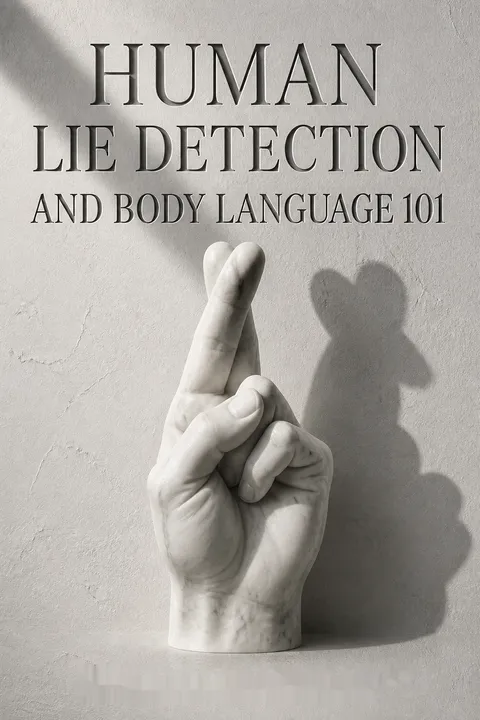
يحظى كتاب "كشف الكذب البشري ولغة الجسد 101" بتقييمات إيجابية إلى حد كبير، حيث يجد القراء فيه معلومات مفيدة ومناسبة للمبتدئين. يثمن البعض الشروحات المتعلقة بالتعبيرات والإشارات غير اللفظية، التي تساعد على فهم أعمق للسلوكيات البشرية. ومن جهة أخرى، يشير بعض النقاد إلى أن كثيرًا من المعلومات تعتمد على الحدس أو ليست جديدة بالضرورة. يُمدح الكتاب لبساطته وسهولة الوصول إليه، مما يجعله نقطة انطلاق جيدة للراغبين في التعرف على لغة الجسد وفن كشف الكذب. كما يقدر القراء النصائح العملية والرؤى التي يقدمها، رغم أن بعضهم يرى أنه مختصر ويفتقر إلى العمق مقارنة بالأعمال الأكثر شمولاً في هذا المجال.
قرأ الآخرون أيضًا




الأسئلة الشائعة
What's "Human Lie Detection and Body Language 101" about?
- Overview: "Human Lie Detection and Body Language 101" by Vanessa Van Edwards is a guide to understanding and interpreting nonverbal behavior to detect lies and improve communication.
- Focus Areas: The book covers topics such as microexpressions, body language, vocal tone, and language patterns to help readers decode hidden emotions and detect deception.
- Practical Application: It provides scientifically-backed techniques and practical advice for various contexts, including personal relationships, business interactions, and interviews.
- Target Audience: The book is intended for anyone interested in improving their communication skills, from professionals to everyday individuals.
Why should I read "Human Lie Detection and Body Language 101"?
- Improve Communication: The book offers tools to enhance your ability to read nonverbal cues, leading to more effective and honest interactions.
- Detect Deception: Learn to spot lies and hidden emotions, which can be crucial in personal and professional settings.
- Scientific Basis: The techniques are grounded in academic research, providing reliable methods for lie detection and understanding body language.
- Versatile Use: Whether you're a teacher, manager, or parent, the skills taught in the book can be applied to various aspects of life.
What are the key takeaways of "Human Lie Detection and Body Language 101"?
- Nonverbal Dominance: Up to 93% of communication is nonverbal, emphasizing the importance of understanding body language.
- Baselining: Establishing a person's baseline behavior is crucial for detecting deviations that may indicate lying.
- Microexpressions: Recognizing universal facial expressions can reveal true emotions, even when someone is trying to hide them.
- Clusters of Clues: No single gesture indicates lying; look for clusters of red flags to make more accurate assessments.
How does baselining work in lie detection?
- Definition: Baselining involves observing how someone behaves under normal, non-threatening conditions to identify their truthful behavior.
- Steps: Start with neutral topics to establish a baseline, noting physical and verbal behaviors such as posture, gestures, and voice tone.
- Comparison: Use the baseline to detect deviations when discussing more sensitive or important topics, which may indicate deception.
- Nervous Baseline: Consider how someone behaves when nervous but truthful to differentiate between anxiety and lying.
What are microexpressions, and why are they important?
- Definition: Microexpressions are brief, involuntary facial expressions that reveal true emotions, often occurring in 1/15 to 1/25 of a second.
- Universal Expressions: There are seven universal microexpressions: disgust, anger, fear, sadness, happiness, surprise, and contempt.
- Detection: Learning to recognize these expressions can help you understand hidden emotions and detect lies.
- Practice: The book suggests practicing these expressions in the mirror to better identify them in others.
How can body language indicate deception?
- Feet and Legs: Liars often forget to control their feet, which may point towards exits or jiggle when nervous.
- Torso and Arms: Leaning away, crossing arms, or touching the neck can indicate discomfort or deceit.
- Facial Clues: Incongruous facial expressions, such as a smile with angry eyes, can be red flags.
- Clusters: Look for multiple signs of nervousness or blocking behavior to identify potential lies.
What role does vocal tone play in lie detection?
- Voice Changes: Liars may exhibit changes in pitch, such as a higher pitch for women and a lower pitch for men.
- Speech Patterns: Liars often use more words, avoid contractions, and provide excessive details to convince others.
- Delayed Responses: Hesitation or repeating questions can indicate stalling for time to fabricate a lie.
- Distancing Language: Avoiding pronouns or using vague terms can be a sign of deception.
What are some common lying gestures?
- Frozen Bodies: Liars may freeze their upper bodies due to fear and the limbic response.
- Lip Pursing: This gesture often indicates holding back information or disagreement.
- Eye Blocking: Squinting or rubbing eyes can show discomfort with what is being said or heard.
- One-Sided Expressions: Asymmetrical facial expressions, like a one-sided smile, can indicate contempt or deceit.
How can I use the techniques in "Human Lie Detection and Body Language 101" in everyday life?
- Personal Relationships: Improve trust and communication by understanding nonverbal cues and detecting lies.
- Professional Settings: Use body language skills in interviews, negotiations, and meetings to gain insights and build rapport.
- Parenting: Recognize when children might be hiding something or feeling uncomfortable.
- Social Interactions: Enhance your ability to connect with others by reading their true emotions.
What are the best quotes from "Human Lie Detection and Body Language 101" and what do they mean?
- "Lie spotting is about getting back to truth." This emphasizes the book's goal of fostering honest interactions rather than simply identifying liars.
- "Our brain is much more adept at spotting lies than we realize." Highlights the innate ability to detect deception, which can be honed with practice.
- "There is no behavioral smoking gun that means a subject is lying." Stresses the importance of looking for clusters of clues rather than relying on a single indicator.
- "Learning to decode human behavior will completely change the way you interact and listen to others." Encourages readers to embrace the transformative power of understanding nonverbal communication.
How can I make a great first impression using body language?
- Handshakes: A firm, straight handshake conveys confidence and equality.
- Posture: Stand straight with your head up and shoulders back to project confidence.
- Smile Appropriately: Smile at key moments, such as greetings and farewells, to appear friendly but not submissive.
- Minimize Distractions: Carry only one bag and remove outerwear to appear organized and focused.
What are some special considerations for using body language in business?
- Interviewing: Use glass tables to observe candidates' feet and sit at an angle to reduce tension.
- Sales: Show your palms to convey openness and avoid barriers like desks during pitches.
- Public Speaking: Use broad gestures and eye contact to engage the audience and avoid pointing, which can seem aggressive.
- Confidence Gestures: Use steepling and take up space to project confidence in meetings and negotiations.
عن المؤلف
كتب أخرى لـ فانيسا فان إدواردز

تحميل PDF
تحميل EPUB
.epub digital book format is ideal for reading ebooks on phones, tablets, and e-readers.








































