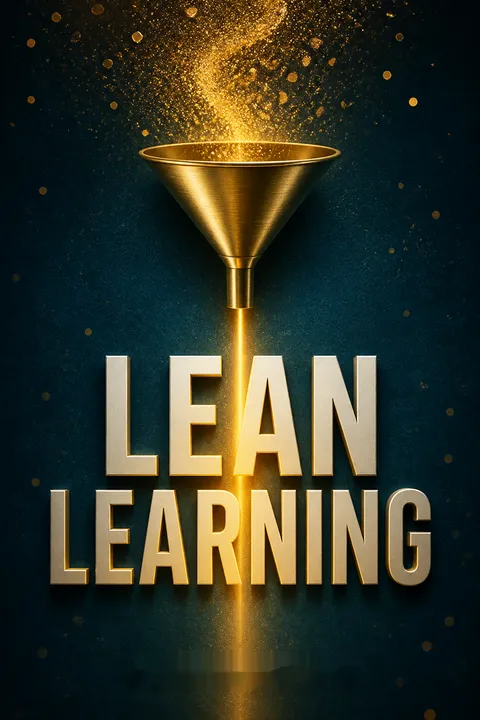

أهم النقاط
1. أعطِ الأولوية للفعل بدلاً من الاستهلاك المستمر للمعلومات
"المعرفة، إذا لم تُترجم إلى فعل، فهي ميتة بالنسبة لنا."
توقف عن التعلم المفرط. يعترف المؤلف بات فلين بأنه كان "متعطشًا للتعلم" بشكل مفرط، يستهلك المحتوى باستمرار دون تطبيقه. هذا التراكم للمعلومات أدى إلى شلل وإحباط، خاصة بعد فقدانه لوظيفته خلال الأزمة الاقتصادية الكبرى. أدرك أن المعرفة وحدها غير كافية؛ فالفعل هو المحرك الحقيقي للتقدم.
الإفراط في المعلومات. في عالمنا اليوم، نغرق في محتوى لا ينقطع، مما يسبب "إرهاق الإلهام" والتفكير المفرط. هذا الاستهلاك المستمر يؤخر اتخاذ القرارات البسيطة ويعيق التقدم. المفتاح هو الانتقال من الاستهلاك السلبي إلى التطبيق الفعّال.
الفعل هو التقدم. قال له مدربه التجاري جيريمي عندما كان عالقًا في تخطيط كتابه الإلكتروني الأول: "فقط ابدأ فورًا" (JFGS). هذه النصيحة الصريحة أبرزت أن كل تخطيطه كان يعيق التقدم الحقيقي. يبدأ التعلم الحقيقي عندما تبدأ في الفعل، لا بمجرد الاستهلاك.
2. بسط خطواتك القادمة بسؤال المفتاح الأساسي
"لو كان هذا الأمر سهلاً، كيف سيكون شكله؟"
افتح باب الوضوح. يساعدنا هذا "السؤال المفتاح" (ITWEWWILL)، المستوحى من تيم فيريس، على تجاوز الإرباك وتحديد الحد الأدنى من الفعل الضروري (MVA) للمضي قدمًا. يشجعك على إزالة التعقيدات المتصورة والتركيز على أبسط طريق.
تطبيق عملي. عندما اخترع بات وكاليب حامل SwitchPod، طرحا هذا السؤال في كل مرحلة. أدى ذلك إلى:
- صنع نموذج أولي من صناديق الكرتون.
- تحديد الأبعاد بسؤال مستخدمي يوتيوب في مؤتمر.
- التوسع عبر وضع علامة بيضاء على الملحقات بدلاً من بناء منتجات جديدة من الصفر.
ابدأ من حيث أنت. قصة كيلفن دو، المبتكر الشاب من سيراليون، توضح ذلك أكثر. تعلم الإلكترونيات بتفكيك قطع مهملة، سائلاً: "لو كان تعلم الإلكترونيات سهلاً، كيف سيكون؟" كانت إجابته التعلم بالممارسة باستخدام الموارد المتاحة.
3. تقبل النقص وتعلم من كل خطأ
"عليك أن تكون كارثة قبل أن تصبح سيدًا."
الأخطاء معلمون. غالبًا ما ينظر مجتمعنا إلى الفشل نظرة سلبية، لكن بالنسبة للمتعلم الرشيق، الأخطاء فرص لا تقدر بثمن للتعلم. فهي تقدم تغذية راجعة فورية، تحفز الفضول، وتعمق الفهم بطرق لا تستطيع المعرفة النظرية تحقيقها.
أنواع الفشل. تحدد الباحثة في هارفارد إيمي إدموندسون ثلاثة أنواع:
- الفشل الأساسي: عدم اتباع الطرق المعروفة الصحيحة.
- الفشل المعقد: نتيجة عوامل مجتمعة في مواقف مألوفة.
- الفشل الذكي: نتائج غير متوقعة من محاولات جديدة في سياقات جديدة.
الفشل الذكي، الذي ينطوي على مخاطر صغيرة وآمنة نفسيًا، ضروري للابتكار والنمو.
بناء الصلابة. واجه عمل بات الأول رسالة وقف ونهي بسبب انتهاك علامة تجارية. بدلاً من الاستسلام، تكيف، وغير علامته التجارية، وتعلم دروسًا قانونية لا تقدر بثمن. هذه التجربة بنت لديه صلابة، وحولت هزيمة محتملة إلى دافع للنمو.
4. استعن بالأبطال: المرشدون، الأقران، والمجتمع
"وحدنا، لا نستطيع أن نفعل الكثير؛ معًا، نستطيع أن نفعل الكثير."
نظام الدعم. لا يحقق أحد العظمة بمفرده. الأبطال—الأصدقاء، العائلة، الأقران، والمرشدون—يوفرون الدعم الحاسم، التوجيه، والمساءلة. رحلة الدكتورة باربرا كوهين في البودكاست، رغم خوفها من التكنولوجيا، ازدهرت بفضل دعم المجتمع.
أنواع الأبطال:
- الأصدقاء والعائلة: يقدمون الدعم العاطفي ويحتفلون بالنجاحات.
- الأقران: يشاركون رؤى فريدة ويتعاونون من خلال تجارب مشتركة (مثل مجموعات العقول المدبرة).
- المرشدون الافتراضيون: خبراء يشاركون المعرفة عبر المحتوى (كتب، بودكاست).
- المرشدون الشخصيون: يقدمون توجيهًا فرديًا ومساءلة مخصصة.
المقابل هو الأساس. أن تكون بطلًا للآخرين من خلال التشجيع أو مشاركة الموارد يعزز المجتمع. هذا التبادل المتبادل يثري تجربة التعلم للجميع.
5. احمِ تركيزك بمعلومات في الوقت المناسب
"الإرشاد المنظم أفضل من الانتقاء العشوائي."
اشترك في تقليل الضوضاء. مثل صديق بات في الغولف جورج، الذي تفوق بتجنبه نظريات الغولف التي لا تنتهي، يدعو التعلم الرشيق إلى "إلغاء الاشتراك" من المعلومات غير الضرورية. ركز فقط على ما هو ضروري لخطوتك القادمة.
معلومات في الوقت المناسب (JITI). هذا المبدأ الأساسي في التعلم الرشيق يعني الحصول على المعلومات اللازمة فقط للمهمة الحالية. طبق بات هذا عند كتابة دليل دراسته، مركزًا فقط على التنسيق والمحتوى قبل الانتقال إلى تصميم الغلاف أو صفحات المبيعات.
مكافحة الخوف من الفقدان (FOMO). يمكن أن يعرقل الخوف من فقدان الفرص التقدم. تشمل الاستراتيجيات:
- تطبيق نظام "لاحقًا" للمعلومات غير العاجلة.
- الثقة في المسار المختار.
- وضع حدود واضحة للمعلومات.
- استخدام FOMO كنقطة مراجعة لإعادة تقييم الاحتياجات.
- تبني "حجز الوقت كفعل" لخلق فترات عمل مركزة وخالية من التشتيت.
6. اخلق وظائف قوة طوعية للنمو المتسارع
"إذا كان الطريق سهلاً، فمن المحتمل أنك تسير في الاتجاه الخطأ."
ضغط مقصود. وظائف القوة الطوعية هي تحديات متعمدة يفرضها المرء على نفسه تدفعه للفعل وتسارع التعلم. كان أول ظهور علني لبات في التحدث أمام الجمهور، رغم خوفه، مثالًا بارزًا، أجبره على التحضير المكثف.
وصفة لوظائف القوة الفعالة:
- لحظة قفزة إيمانية: الالتزام بـ"البدء الآن".
- التزام زمني مقفل: موعد نهائي لا يمكن التفاوض عليه.
- رهانات عالية: ضغط كافٍ للتحفيز دون شلل.
- تحدٍ ذو معنى: متوافق مع النمو الشخصي والقيم.
- مكافآت في النهاية: فتح فرص جديدة.
المشاركة الاستراتيجية. رغم أن الإعلان العلني عن الأهداف قد يؤدي إلى نتائج عكسية (تحقيق مبكر)، فإن مشاركتها مع أشخاص ذوي مكانة عالية تحترم آرائهم يمكن أن يوفر دافعًا قويًا ومساءلة.
7. قيّم مسارك بانتظام: استمر أو غيّر بوعي
"الحياة ليست رحلة تريد أن تخوضها على وضع الطيار الآلي."
أعد الاتصال بـ"لماذا". من الضروري إعادة التواصل دوريًا مع غايتك الأساسية أو قضيتك أو إيمانك لتوجيه قراراتك. كانت رحلة شان وجوسلين سامس الريادية مدفوعة بـ"لماذا" لديهم—الحرية لتكون موجودًا مع عائلتهم.
الثلاثة Ps للسعي الشخصي:
- التقدم: احتفل بالإنجازات وقيّم ما إذا كنت تتقدم.
- الشغف: تحقق مما إذا كانت حماسك وطاقةك مستمرة.
- الغاية: تأكد من التوافق مع قيمك الأساسية ورؤيتك طويلة الأمد.
بيان المهمة الشخصية. أنشئ تعبيرًا واضحًا وموجزًا عن قيمك ورؤيتك. هذا "النجم القطبي" يساعدك على تقييم الفرص وإعادة توجيهك عندما تشعر بعدم التوافق.
8. اجمع بين الإتقان الجزئي والقفزات الجريئة الكمية
"الحظ يفضل الجريئين."
الإتقان الجزئي. يعني التركيز على تحسينات صغيرة، محددة، ومتدرجة تتراكم مع الوقت. أوري بنغال، المعروف بـ"أوري المتنقل على الأريكة"، حسّن فنه بشكل كبير من خلال التركيز المفرط على تفاصيل صغيرة (مثل ضربات الفرشاة، ألوان محددة) عبر آلاف القطع اليومية.
تأثيرات التراكم. يمكن للتحسينات الصغيرة في عملية، مثل مسار المبيعات، أن تؤدي إلى نتائج متسارعة. مضاعفة معدل التحويل يمكن أن تضاعف المبيعات دون زيادة الزيارات.
القفزات الكمية. هي تحولات مفاجئة وكبيرة تدفع التقدم، تتطلب مخاطر محسوبة ودفعًا خارج مناطق الراحة. قرار ناثان باري بـ"المضاعفة" على ConvertKit، وإغلاق عمله الناجح في النشر، حوّل شركته إلى رائد في الصناعة.
9. ثبت تعلمك بالتدريس وقيادة الآخرين
"بينما نُعلّم، نتعلم."
التدريس يعزز التعلم. مشاركة معرفتك تجبرك على تفكيك المفاهيم المعقدة، تحديد الثغرات في فهمك، والتعبير عن الأفكار بفعالية. دليل بات "الكتب الإلكترونية بالطريقة الذكية" لم يساعد الآخرين فقط، بل سهّل أيضًا عملية كتابته.
فوائد التدريس:
- يعمق فهمك الشخصي.
- يؤسس للمصداقية والسلطة.
- يبني علاقات ذات معنى.
- يخلق تأثيرًا إيجابيًا متسلسلًا.
العمل علنًا. "التعلم بصوت عالٍ" من خلال مشاركة عمليتك، تحدياتك، ورؤاك علنًا (مثل التدوين، وسائل التواصل الاجتماعي، المشاريع مفتوحة المصدر) يدعو إلى التغذية الراجعة، التعاون، ويبني الثقة. تطوير أرفيد كاهل الشفاف لـ Podscan.fm مثال بارز.
بناء المجتمع. خلق ورعاية مساحات للأفراد ذوي التفكير المماثل، سواء عبر الإنترنت أو شخصيًا، يعزز النمو المشترك والدعم المتبادل. مجتمع SPI وفعاليات Card Party التي ينظمها بات تجسيد لهذا، حيث تتحول النجاحات الفردية إلى تأثير جماعي.
ملخص المراجعات
يحظى كتاب "التعلم الرشيق" بتقييمات إيجابية إلى حد كبير، حيث يشيد القراء بنصائحه العملية حول التعلم الفعّال وتحقيق الأهداف. يثمن الكثيرون تركيز الكتاب على تحديد الأولويات للمعلومات المهمة واتخاذ الإجراءات بدلاً من الانغماس في البحث المفرط. وجد بعض القراء أن الكتاب مفيد بشكل خاص لرواد الأعمال والمتعلمين مدى الحياة. أشار عدد قليل من المراجعين إلى أن الكتاب تحول تركيزه نحو ريادة الأعمال في منتصفه. بشكل عام، اعتبر القراء أن الكتاب ذو قيمة كبيرة في تحسين استراتيجيات التعلم وزيادة الإنتاجية، واعتبره البعض من الكتب التي لا غنى عنها في مجال التنمية الشخصية.
قرأ الآخرون أيضًا







الأسئلة الشائعة
1. What is "Lean Learning: How to Achieve More by Learning Less" by Pat Flynn about?
- Core Premise: The book introduces "Lean Learning," a method for acquiring new skills and knowledge efficiently by focusing on just what you need, taking action quickly, and avoiding information overload.
- Personal and Professional Growth: Pat Flynn shares his journey from over-learner to successful entrepreneur, illustrating how Lean Learning can help anyone adapt, grow, and thrive in a rapidly changing world.
- Action-Oriented Framework: The book emphasizes moving from passive consumption to active implementation, using real-life stories, practical exercises, and a step-by-step process.
- Audience: It's designed for entrepreneurs, professionals, lifelong learners, and anyone overwhelmed by too much information or struggling to turn inspiration into results.
2. Why should I read "Lean Learning" by Pat Flynn?
- Overcome Information Overload: The book addresses the modern problem of being paralyzed by too much information and offers a clear path to cut through the noise.
- Practical, Actionable Advice: Pat Flynn provides a simple, repeatable framework that helps readers move from inspiration to action, making learning more effective and less overwhelming.
- Real-World Examples: The book is filled with relatable stories—from preschoolers solving real problems to entrepreneurs making bold pivots—that demonstrate Lean Learning in action.
- Applicable to All Areas: Whether you want to learn a new skill, start a business, or simply be more productive, the Lean Learning method can be tailored to any goal or challenge.
3. What are the key takeaways from "Lean Learning" by Pat Flynn?
- Learn Just Enough: Focus on acquiring only the information you need to take the next step, rather than trying to know everything before starting.
- Action Over Accumulation: Progress comes from doing, not just learning; mistakes and imperfection are essential parts of the process.
- Champions Matter: Surround yourself with mentors, peers, and supportive communities to accelerate learning and overcome obstacles.
- Regular Reflection: Periodically assess your progress, passion, and purpose to decide whether to persist or pivot.
- Teach to Master: Sharing your knowledge with others reinforces your own learning and creates a positive feedback loop.
4. What is the Lean Learning method as defined by Pat Flynn?
- Four-Step Process: 1) Identify what you want to accomplish next, 2) Learn only what you need to move forward, 3) Implement what you’ve learned, 4) Review and repeat to refine and deepen your skills.
- Simplicity Over Complexity: The method intentionally avoids overcomplicating learning, focusing on efficiency and effectiveness.
- Just-in-Time Information: Only seek out information relevant to your immediate next step, avoiding the trap of "just-in-case" learning.
- Iterative Improvement: Each cycle of the process builds on the last, allowing for continuous growth and adaptation.
5. How does Pat Flynn address information overload and inspiration overload in "Lean Learning"?
- Inspiration Matrix: Flynn introduces a tool to categorize ideas and inspirations into Passion Pursuits, Critical Commitments, Recreational Inspirations, and Junk Sparks, helping you prioritize what matters.
- Selective Curiosity: Encourages being intentional about which inspirations to pursue, rather than chasing every new idea.
- Time Travel Exercise: Recommends visualizing your future self after pursuing an inspiration to determine if it’s truly worth your time.
- Saying No: Emphasizes the importance of eliminating distractions and "Junk Sparks" to focus energy on meaningful pursuits.
6. What is "Just-in-Time Information" and how does it work in Lean Learning?
- Definition: Just-in-Time Information (JITI) is the practice of seeking out only the information you need for your immediate next step, rather than stockpiling knowledge for potential future use.
- Prevents Overwhelm: This approach helps avoid information overload and keeps you focused on actionable tasks.
- Practical Application: Flynn shares examples from his own business, showing how JITI allowed him to make progress quickly by learning only what was necessary at each stage.
- Tools and Boundaries: Suggests using "For Later" folders and setting information boundaries to manage FOMO and stay on track.
7. What role do mistakes and imperfection play in the Lean Learning approach?
- Mistakes as Learning Opportunities: Flynn argues that mistakes are not failures but essential feedback that deepen understanding and accelerate growth.
- Embracing Imperfection: The book encourages starting before you feel ready and accepting that your first attempts will be imperfect.
- Types of Failure: Cites research on basic, complex, and intelligent failures, advocating for "intelligent failure"—small, recoverable risks that lead to innovation.
- Resilience and Innovation: Learning from mistakes builds resilience and often leads to unexpected breakthroughs.
8. How does Pat Flynn recommend you protect your progress and stay focused in "Lean Learning"?
- Unsubscribe and Unfollow: Actively remove sources of unnecessary information and distractions from your environment.
- Time Blocking: Use intentional scheduling to create distraction-free periods for focused work, treating these blocks as non-negotiable.
- Dealing with Anti-Champions: Recognize and distance yourself from negative influences or "crabs in a bucket" who may try to pull you down.
- Joy of Opting Out: Learn to say no to opportunities that don’t align with your core values or current priorities, preserving energy for what matters most.
9. What are "Voluntary Force Functions" and "Power 10s" in the context of Lean Learning?
- Voluntary Force Functions: These are self-imposed challenges or constraints (like deadlines, public commitments, or high-stakes situations) that force you to take action and grow.
- Recipe for Success: Effective force functions include a leap of faith, a time-locked commitment, high stakes, a meaningful challenge, and clear rewards.
- Power 10s: Inspired by rowing, a Power 10 is a short, intense burst of focused effort to break through plateaus or accelerate progress.
- Strategic Use: Both concepts are about intentionally creating pressure or urgency to catalyze learning and achievement, rather than waiting for external circumstances to force your hand.
10. How does "Lean Learning" by Pat Flynn help you decide when to persist or pivot?
- Self-Assessment Sessions: Regularly schedule time to reflect on your progress, passion, and purpose (the "three Ps") to evaluate if your current path is still right for you.
- Reconnect with Your Why: Use personal mission statements and "Why-FI" (Why Focused Introspection) to ensure your actions align with your core values and long-term vision.
- Seek Feedback: Gather input from mentors, peers, and trusted friends to gain perspective and identify blind spots.
- Embrace Change: Recognize that pivoting is not failure but a strategic adjustment to stay aligned with your goals and values.
11. What is Micro Mastery versus Quantum Leaps in Lean Learning, and how do they accelerate growth?
- Micro Mastery: Focuses on breaking down skills into the smallest possible components and improving one at a time, leading to compounding progress.
- Quantum Leaps: Involve bold, high-impact moves or decisions that can rapidly accelerate your trajectory, such as doubling down on a business or making a major career shift.
- When to Use Each: Micro Mastery is best for steady, sustainable growth, while Quantum Leaps are for moments when a significant breakthrough is needed.
- Combined Approach: Flynn advocates using both—incremental improvements for long-term mastery and bold moves when the situation calls for it.
12. How does teaching and working in public reinforce learning in the Lean Learning framework?
- Teaching to Learn: Sharing your knowledge with others forces you to clarify your understanding and exposes gaps in your knowledge.
- Learning Out Loud: Documenting your process and progress publicly (via blogs, social media, or community forums) creates accountability and invites feedback.
- Building Community: Engaging with others—whether by teaching, collaborating, or participating in mastermind groups—amplifies learning and creates opportunities for growth.
- Ripple Effect: Teaching not only solidifies your own mastery but also helps others, creating a virtuous cycle of learning and leading.
عن المؤلف

تحميل PDF
تحميل EPUB
.epub digital book format is ideal for reading ebooks on phones, tablets, and e-readers.








































