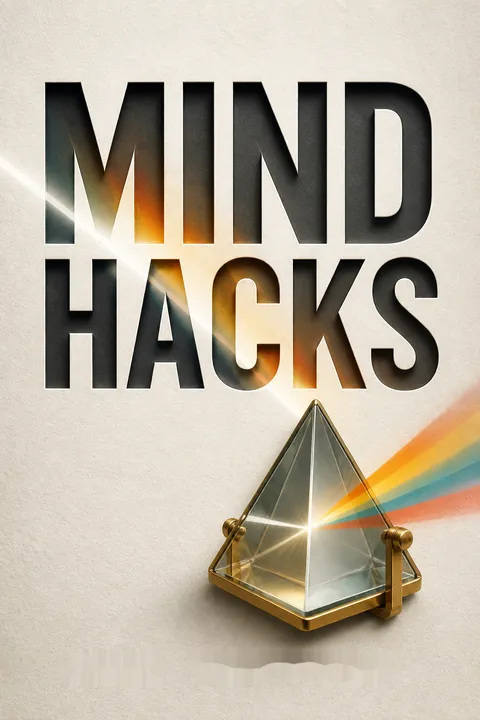

أهم النقاط
1. الدماغ يبني تصورنا للواقع من خلال عمليات معقدة
"جزء مما يجعل هذا التأثير غريبًا هو الشعور بالحركة دون أي تجربة فعلية لتغير المواقع. هذا لا يبدو غريبًا فحسب، بل يشير إلى أن الحركة والموقع يتم حسابهما بشكل مختلف داخل بنية الدماغ."
الإدراك هو بناء. أدمغتنا لا تسجل المدخلات الحسية بشكل سلبي، بل تفسر وتبني تجربتنا للواقع بنشاط. تشمل هذه العملية:
- ملء الفجوات في المعلومات الحسية (مثل النقطة العمياء)
- وضع افتراضات بناءً على الخبرة السابقة والسياق
- دمج المعلومات من حواس متعددة
- تطبيق المعالجة من الأعلى إلى الأسفل لتفسير المحفزات الغامضة
يستخدم الدماغ اختصارات وقواعد تقديرية لفهم العالم بسرعة، مما قد يؤدي أحيانًا إلى أوهام أو سوء إدراك. فهم هذه العمليات يكشف عن الطبيعة النشطة والتفسيرية للإدراك ويتحدى فكرة وجود واقع موضوعي غير مفلتر.
2. المعالجة البصرية نظام متعدد الطبقات من التفسير والاستنتاج
"النظام البصري لديه وقت كافٍ فقط لنقل الصورة إلى الدماغ، لكنه لا يملك الوقت الكافي لمعالجتها بالكامل إلى وعي واعٍ."
الرؤية أكثر من مجرد رؤية. تحدث المعالجة البصرية على مراحل، تشمل مناطق ومسارات دماغية متعددة:
- معالجة الشبكية: الكشف الأولي عن الضوء والميزات الأساسية
- القشرة البصرية الأولية: اكتشاف الحواف، الاتجاه، ومعالجة الأشكال الأساسية
- المسار البطني ("مسار ماذا"): التعرف على الأشياء وتحديدها
- المسار الظهري ("مسار أين/كيف"): معالجة العلاقات المكانية والحركة
تسمح هذه الطبقات بمعالجة بصرية سريعة وغير واعية، بالإضافة إلى إدراك أكثر تفصيلاً ووعيًا. يفسر هذا ظواهر مثل الرؤية العمياء، حيث يمكن للأشخاص الذين يعانون من تلف في القشرة البصرية الأولية الاستجابة للمحفزات البصرية دون وعي.
3. الانتباه يعمل كمرشح يشكل تجربتنا الواعية
"الانتباه ليس منفصلًا عن الحواس المختلفة. مكان تركيز انتباهك في الفضاء البصري يؤثر على ما تسمعه في الفضاء السمعي. الانتباه موجود كمورد مركزي مخصص مكانيًا."
الانتباه يشكل الإدراك. أدمغتنا لديها قدرة معالجة محدودة، لذا يعمل الانتباه كمرشح لإعطاء الأولوية لبعض المدخلات على حساب أخرى:
- الانتباه الانتقائي: التركيز على محفزات محددة مع تجاهل أخرى
- الانتباه المقسم: توزيع الموارد المعرفية على مهام متعددة
- الانتباه من الأسفل إلى الأعلى: الانجذاب التلقائي للمحفزات البارزة
- الانتباه من الأعلى إلى الأسفل: التوجيه الإرادي بناءً على الأهداف أو التوقعات
يؤثر الانتباه ليس فقط على ما ندركه بوعي، بل أيضًا على كيفية معالجتنا وتذكرنا للمعلومات. فهم دور الانتباه يمكن أن يساعد في تحسين التركيز والتعلم وأداء المهام.
4. حواسنا تندمج لتخلق تجربة إدراكية موحدة
"الأحداث التي تؤثر على أكثر من حاسة واحدة تبدو أكثر حدة في كل منهما."
الاندماج متعدد الحواس يعزز الإدراك. يدمج الدماغ معلومات من حواس متعددة ليخلق تجربة متماسكة:
- التفاعلات بين الحواس: تأثير معلومات من حاسة على أخرى
- هيمنة حسية: سيطرة بعض الحواس (مثل البصر) على الأخرى في حالات التعارض
- الربط الزمني والمكاني: دمج المدخلات الحسية عبر الزمن والمكان
يسمح هذا الاندماج بإدراك أكثر قوة ودقة للبيئة. يفسر ظواهر مثل تأثير المنفخ الصوتي وتأثير ماكجورك، حيث تغير المعلومات البصرية الإدراك السمعي.
5. الذاكرة مرنة وبنائية وليست سجلًا مثاليًا
"الذكريات ممثلة في الدماغ كشبكات من الميزات المرتبطة. الميزات التي تنشط معًا تتماسك لتشكل ذاكرة واعية واحدة متماسكة."
الذاكرة بنائية. بدلاً من استرجاع نسخ دقيقة من التجارب الماضية، نعيد بناء الذكريات في كل مرة نستدعيها:
- الترميز: التكوين الأولي للذكريات، متأثر بالانتباه والعاطفة
- التوطيد: تقوية وتنظيم الذكريات مع مرور الوقت
- الاسترجاع: إعادة بناء الذكريات بناءً على السياق الحالي والمؤشرات
تجعل هذه العملية الذاكرة عرضة للتحريفات، والذكريات الزائفة، وتأثيرات الاقتراح. فهم الطبيعة البنائية للذاكرة له آثار مهمة على شهادة الشهود، والعلاج النفسي، والهوية الشخصية.
6. التعلم والاستدعاء عمليات تعتمد على السياق
"يمكن أن يكون السياق جزءًا من الذاكرة بقدر ما يكون الشيء المراد تعلمه جزءًا منها."
السياق مهم في التعلم والاستدعاء. البيئة والظروف التي نتعلم أو نستدعي فيها المعلومات تؤثر بشكل كبير على الأداء:
- التعلم المعتمد على الحالة: يكون الاستدعاء أفضل عندما تكون في نفس الحالة الفسيولوجية أو العاطفية أثناء التعلم
- الذاكرة المعتمدة على السياق: يكون الاستدعاء أسهل في نفس البيئة المادية التي تم فيها التعلم
- المعالجة المناسبة للنقل: يكون الاستدعاء أفضل عندما تتطابق العمليات المعرفية أثناء الترميز مع تلك أثناء الاسترجاع
الاعتراف بدور السياق يمكن أن يحسن استراتيجيات الدراسة، وأداء الاختبارات، وتطبيق المعرفة في المواقف الحياتية.
7. الاتصال بين العقل والجسد يؤثر على الإدراك والسلوك
"يمكنك تدريب قوتك ومهارتك بالتخيل فقط، مما يبين أن التحكم في الأطراف يتجاوز حجم العضلات فقط."
العقل والجسد مرتبطان. تؤثر العمليات الذهنية والحالات الجسدية تأثيرًا عميقًا على بعضهما البعض:
- الإدراك المتجسد: التجارب الجسدية تشكل الفكر المجرد واللغة
- التأثيرات النفسجسدية: الحالات الذهنية تؤثر على الصحة والأداء الجسدي
- التدريب الذهني: تخيل الأفعال يحسن المهارات والقوة البدنية
فهم هذا الاتصال له آثار على التدريب البدني، وإدارة الألم، والرفاهية العامة. يبرز أهمية النهج الشامل للصحة وتحسين الأداء.
8. الإدراك الاجتماعي يعتمد على آليات عصبية متخصصة
"نولد جميعًا بمنطق ذهني يمكننا من فهم التكاليف والفوائد والعقود الاجتماعية في التعامل مع الآخرين."
فرضية الدماغ الاجتماعي. تطور الإنسان آليات معرفية متخصصة للتفاعل الاجتماعي:
- نظرية العقل: فهم الحالات الذهنية والنوايا لدى الآخرين
- التعرف على الوجوه: معالجة سريعة ومتخصصة لمعلومات الوجه
- التفكير في العقود الاجتماعية: فهم حدسي للتبادلات الاجتماعية والقواعد
تسهل هذه الآليات السلوكيات الاجتماعية المعقدة وقد تفسر لماذا نجد المهام الاجتماعية أسهل من المشكلات المجردة المماثلة. فهم الإدراك الاجتماعي يمكن أن يحسن التواصل، والتعاون، والتدخلات الاجتماعية.
9. النوم والأحلام يلعبان دورًا حيويًا في توطيد الذاكرة والإبداع
"الحاجة إلى دمج الذكريات الجديدة في نفس شبكات الارتباط المستخدمة من قبل الذكريات القديمة، وإلا فلن يكون هناك وسيلة للتنقل بينها."
النوم يعزز التعلم والإبداع. للنوم وظائف معرفية متعددة تتجاوز الراحة:
- توطيد الذاكرة: تقوية وتنظيم الذكريات الجديدة
- التوازن المشبكي: تقليل قوة المشابك للحفاظ على كفاءة الشبكات العصبية
- حل المشكلات الإبداعي: تسهيل الاتصالات والرؤى الجديدة
فهم فوائد النوم المعرفية يؤكد أهميته للتعلم، وحل المشكلات، والصحة العقلية العامة. ويقترح استراتيجيات لتحسين النوم من أجل تعزيز القدرات المعرفية والتفكير الإبداعي.
قرأ الآخرون أيضًا
الأسئلة الشائعة
What's Mind Hacks: Tips & Tools for Using Your Brain about?
- Exploration of the Brain: Mind Hacks by Tom Stafford and Matt Webb explores cognitive neuroscience, offering insights into how our brains function through practical "hacks" or experiments.
- User-Centric Approach: The book encourages self-exploration and experimentation, allowing readers to discover the intricacies of their own minds through hands-on activities.
- Practical Applications: It presents complex neuroscience concepts in an accessible way, making them applicable to everyday life through a collection of tips and tools.
Why should I read Mind Hacks: Tips & Tools for Using Your Brain?
- Enhance Self-Understanding: The book helps improve understanding of cognitive functions and behaviors through firsthand experiments.
- Engaging and Fun: Designed to be enjoyable, it combines scientific knowledge with practical exercises, making learning about the brain an engaging experience.
- Broad Appeal: It caters to psychology enthusiasts, students, and anyone curious about their mind, demystifying complex concepts.
What are the key takeaways of Mind Hacks: Tips & Tools for Using Your Brain?
- Understanding Cognitive Processes: Emphasizes the importance of understanding perception, attention, and memory to navigate daily challenges effectively.
- Experiments as Learning Tools: Each hack serves as a practical experiment illustrating cognitive principles, reinforcing concepts through experience.
- Neuroscience Meets Everyday Life: Bridges the gap between neuroscience and daily experiences, making scientific principles relatable and applicable.
What are the best quotes from Mind Hacks: Tips & Tools for Using Your Brain and what do they mean?
- Information Overload: “What to do with too much information is the great riddle of our time.” This highlights the challenge of managing information in modern society.
- Revealing Consciousness: “A brain hack is a way of pulling back the curtain of consciousness to glimpse—however fleetingly—the machinery on the other side.” It emphasizes exploring the hidden workings of our minds.
- Independent Cognitive Processes: “Our brains have a kind of life of their own, quite apart from what we think we know about ourselves.” This suggests cognitive processes often operate independently of conscious awareness.
What is a "hack" in the context of Mind Hacks: Tips & Tools for Using Your Brain?
- Definition of a Hack: A "hack" is a clever trick or technique to gain insight into cognitive processes, designed to be simple and engaging.
- User-Centric Experiments: Hacks are experiments readers can perform to explore brain functions, encouraging active participation and discovery.
- Revealing Cognitive Mechanisms: They aim to reveal hidden brain mechanisms, providing tools for self-exploration and understanding.
How does attention work according to Mind Hacks: Tips & Tools for Using Your Brain?
- Limited Resource: Attention is a limited cognitive resource allocated to different stimuli, crucial for effective information processing.
- Voluntary and Automatic: It can be voluntary, focusing consciously, or automatic, captured by sudden changes, highlighting engagement complexity.
- Role in Perception: Attention shapes perception by filtering irrelevant information, focusing on what's important at any moment.
What is the "attentional blink" mentioned in Mind Hacks: Tips & Tools for Using Your Brain?
- Definition: The attentional blink is a temporary failure to notice a second target in a rapid sequence, occurring within half a second after the first.
- Implications for Attention: It illustrates attentional resource limitations, showing effective focus on one thing at a time.
- Practical Experiment: Speed-reading software can demonstrate this effect, showing quick attention shifts and perception gaps.
How does Mind Hacks: Tips & Tools for Using Your Brain explain the concept of "inhibition of return"?
- Definition: Inhibition of return is a cognitive phenomenon where attention is less likely to return to a previously attended location.
- Evolutionary Advantage: It enhances foraging efficiency, focusing on novel stimuli rather than revisiting checked locations.
- Practical Application: Understanding this helps design better user interfaces, suggesting attention to a location may be less effective if previously highlighted.
What are the "gestalt grouping principles" discussed in Mind Hacks: Tips & Tools for Using Your Brain?
- Definition: Gestalt principles describe how brains organize visual elements into groups based on proximity, similarity, closure, and continuation.
- Visual Perception: They explain perceiving objects as complete forms, aiding in understanding complex scenes.
- Design Implications: Applying these principles in design creates effective layouts aligning with natural perception.
How does Mind Hacks: Tips & Tools for Using Your Brain address the concept of perception?
- Perception as Constructive: Perception is a constructive process influenced by context and prior knowledge, challenging the notion of objectivity.
- Role of Context: Context significantly influences perception, using cues to interpret sensory information, leading to illusions.
- Experiments Demonstrating Perception: Experiments illustrate perception manipulation, highlighting interpretation complexities.
What is the significance of the "flash-lag effect" discussed in Mind Hacks: Tips & Tools for Using Your Brain?
- Understanding Motion Perception: The flash-lag effect shows perceiving moving objects ahead of stationary flashes, revealing motion processing complexities.
- Implications for Reaction Time: It highlights anticipating motion and adjusting responses, crucial for reacting to moving objects.
- Neural Mechanisms: Discusses separate pathways for motion and location processing, shedding light on dynamic visual information handling.
How can I apply the concepts from Mind Hacks: Tips & Tools for Using Your Brain in my daily life?
- Enhancing Self-Awareness: Engaging with hacks and experiments deepens understanding of cognitive processes, improving decision-making and problem-solving.
- Improving Attention and Focus: Insights on attention help develop strategies to enhance focus and manage distractions, using techniques like mindfulness.
- Utilizing Cognitive Strategies: Provides strategies for managing information overload and improving memory, enhancing cognitive performance in complex tasks.
تحميل PDF
تحميل EPUB
.epub digital book format is ideal for reading ebooks on phones, tablets, and e-readers.








































