أهم النقاط
1. القوة تحتاج إلى تنظيم بالعقل والقانون
القوة العمياء للشعب هي قوة يجب ترشيدها وإدارتها، كما تُدار القوة العمياء للبخار التي ترفع الأذرع الحديدية الثقيلة وتدير العجلات الكبيرة، لتثقب المدافع وتنسج أرق أنواع الدانتيل.
القوة غير المنظمة مدمرة. يؤكد الكتاب أن القوة الخام غير المروّضة، مثل البارود المحترق في الهواء الطلق، تُهدر وقد تكون مدمرة لنفسها. ويستخدم مثال بوليفيموس الأعمى الذي يضرب عشوائياً ويسقط بسبب ضرباته الخاصة، ليبيّن مخاطر القوة غير المنظمة.
العقل كقوة موجهة. لاستثمار قوة الشعب، لا بد من العقل. كما يوجه البوصلة السفينة، يوفر العقل الاتجاه والهدف لقوة الشعب. وهذا التوجيه ضروري لمهاجمة "الحصون المبنية من كل جانب ضد الجنس البشري بواسطة الخرافات والاستبداد والأحكام المسبقة."
القانون والنظام كمنظمين. يشدد الكتاب على أهمية "الحق والنظام"، القانون والقواعد التي يجب أن تعمل ضمنها القوة العامة. بدون هذه القيود، قد تسحق قوة الشعب، الممثلة بالمطرقة البخارية، كل الآلات إلى ذرات. الهدف النهائي هو تحقيق الحرية والمساواة والأخوة، كلها منظمة بالقانون.
2. الماسونية كخليفة للأسرار القديمة
الماسونية، خليفة الأسرار، لا تزال تتبع الطريقة القديمة في التعليم.
الرموز كلغة تعليمية. تعتمد الماسونية، مثل الأسرار القديمة، على الرموز لنقل المعرفة. هذه الرموز ليست مجرد زخارف، بل هي الوسيلة الأساسية للتعليم، تتطلب الدراسة والتفسير والتطوير الشخصي.
صورة غير كاملة للبريق القديم. رغم أن الماسونية تشترك في الجذور مع الأسرار، إلا أنها تُعرض كـ"صورة غير كاملة لبريقها"، نظام خضع لتغييرات وتكيفات عبر الزمن. ليست نسخة مثالية بل قصر روماني مبني على أسس إترورية، يضم حجارة من عصور تاريخية مختلفة.
دور المبتدئ. يؤكد الكتاب أن فهم المحاضرات لا يكفي. يجب على المبتدئ أن يتفاعل مع الرموز، يبحث عن معانيها، ويطور تفسيرات خاصة ليصبح ماسوناً بارعاً.
3. تفوق الإنسان على المؤسسات: حقيقة جديدة
الإنسان هو الأعلى على المؤسسات، وليس العكس.
مفهوم ثوري. يبرز الكتاب ظهور فكرة أن الأفراد أسمى من المؤسسات، وهي حقيقة حديثة نسبياً. رغم بساطتها الظاهرة، كانت تطوراً هاماً في الفكر الإنساني، متحدية الاعتقاد القديم بأن الناس موجودون لخدمة الأنظمة القائمة.
المؤسسات من أجل الإنسان، لا العكس. فرض هذا الفهم الجديد واجبات جديدة على الأفراد، منها مسؤولية السعي للحفاظ على الحرية. أصبح الاستبداد والاغتصاب أعداء الجنس البشري، وأصبحت حرية الفكر والضمير والكلام حقوقاً لا تُنتزع.
مخاطر الانحراف. يعترف الكتاب بأن هذه الحقيقة، مثل غيرها، قد تُحرف إلى زيف. يحذر من إنجيل الفوضى ويؤكد الحاجة إلى التوازن والتنظيم لمنع إساءة استخدام الحرية.
4. العقل، الحب، والإيمان: المبادئ الموجهة
في دراستك كزميل يجب أن تهتدي بالعقل، الحب، والإيمان.
العقل كدليل. يُقدم العقل كأداة حاسمة لفهم تعقيدات الحياة، خصوصاً في العلوم السياسية. يساعد على تحديد المؤسسات التي تضمن الحرية وفهم أهمية العدالة النزيهة ومحاسبة المسؤولين.
الحب رفيق العقل. يؤكد الكتاب أن العقل وحده غير كافٍ. يجب أن يصاحبه الحب، أو المحبة، لمنع التعصب والتطرف والاضطهاد.
الإيمان بالنفس والآخرين. الإيمان بالنفس، وبالزملاء، وبالشعب ضروري لتجاوز الإحباط والحفاظ على الحماس. هو عنصر أساسي لصعود قمم الأخلاق ولتصبح قوة للخير في العالم.
5. العبقرية، القوة، والحكمة: محركات التقدم
العبقرية هي التي تحصل على القوة، وضباطها الأوائل هم القوة والحكمة.
العبقرية كمصدر القوة الحقيقي. يؤكد الكتاب أن العبقرية، لا المال أو القوة العسكرية، هي المصدر الحقيقي للقوة. العبقرية مع القوة والحكمة تكشف الأسرار الخفية، تحل المشكلات المعقدة، وتعيد بناء الأطلال المنهارة.
دور العقل في القيادة. في بلد حر، تنمية عقل الناخبين ضرورية لضمان حكام حكماء وكفوئين. يقترح الكتاب أن الرجال العاديين يمكن أن يكونوا مشرعين، لكن الأوقات الاستثنائية تتطلب عباقرة في القيادة.
قوة الروح. يقارن الكتاب بين قوة الروح وقوة المال أو السيف، مؤكداً أن الأولى أكثر قوة وديمومة. السيطرة العقلية على العقل هي الفتح الوحيد الجدير بالتحقيق، لأنها تشبه سيادة الخالق.
6. الحرية، المساواة، والأخوة: الإرث الماسوني
كانت الماسونية أول رسول للمساواة.
الإرث الثلاثي. تُقدم الماسونية كمدافع عن الحرية والمساواة والأخوة، مبنية على العقيدة المسيحية للأخوة مع إضافة عنصر المساواة السياسية الحيوي.
المساواة كأساس. يوضح الكتاب أن المساواة لا تعني التجانس، بل تعني تكافؤ الفرص لكل القدرات، وتكافؤ الأوزان لكل الأصوات، وتكافؤ الحقوق لكل الضمائر.
أداة المساواة. يحدد الكتاب التعليم المجاني والإلزامي كوسيلة لتحقيق المساواة. يؤكد أهمية توفير التعليم الأساسي للجميع والتعليم العالي لمن يرغب.
7. رمزية الأعداد والأجرام السماوية
الشمس هي الرمز القديم للقوة الحياتية والخلاقة للإله.
الشمس كرمز للإله. الشمس، كمصدر للضوء والحياة، تُقدم كرمز قديم للقوة الحياتية والخلاقة للإله. يُنظر إلى الضوء كجوهر الله، متجسد في اللهب والضياء والبريق.
القمر كرمز للطبيعة. يُقدم القمر كرمز للقدرة السلبية للطبيعة على الإنتاج، ممثلاً المبدأ الأنثوي. يرتبط بإلهات مثل إيزيس وأستارت وأرتميس.
سيد الحياة. "سيد الحياة" هو الإله الأعلى، متجسد عبر الشمس والقمر. يتجسد هذا المفهوم في شخصيات مثل زيوس، حورس، وديونيسوس.
رمزية الأعداد. يتعمق الكتاب في رمزية أعداد مختلفة، منها 2، 3، 4، 5، 7، 8، 9، 10، و12، ويربطها بالمعتقدات القديمة، والآلهة، وجوانب الكون.
8. مخاطر الرمزية وأهمية التفسير
رغم أن الماسونية لا تنتزع مكان الدين ولا تقلده، إلا أن الصلاة جزء أساسي من طقوسنا.
الرمزية كسيف ذو حدين. يعترف الكتاب بالمخاطر المحتملة للرموز، منها الخلط بين الرمز والشيء المرموز إليه، والسقوط في الخرافة أو الالحاد.
الحاجة إلى التفسير. يؤكد الكتاب على أهمية تفسير الرموز بشكل صحيح، محذراً من التفسيرات السطحية أو الخيالية. يشدد على ضرورة الصرامة الفكرية والفهم العميق للتقاليد القديمة.
دور العقل والضمير. يؤكد الكتاب أن العقل والضمير هما البوصلة والدفة التي يجب أن نبحر بها في محيط المجهول. يحذر من قبول العقائد أعمى أو الاستسلام للمعتقدات اللاعقلانية.
9. رحلة الروح: من النور إلى الظلام والعودة
دراسة وتفسير رموز الكون بشكل صحيح هو عمل الحكيم والفيلسوف. هو فك شفرة كتابة الله، والتغلغل في أفكاره.
أصل الروح في النور. يعرض الكتاب الاعتقاد القديم بأن الروح تنشأ في مجال أقرب إلى الإله، عالم من النور والطهارة. ويشير إلى أن شوق الروح للخلود ينبع من هذا الأصل الإلهي.
نزول الروح إلى المادة. يصف الكتاب رحلة الروح إلى العالم المادي كعملية تدهور، حيث تتشابك مع الرغبات والشهوات الأرضية. يرمز هذا النزول بمرور الروح عبر مجالات وعناصر مختلفة.
طريق التطهير والعودة. يؤكد الكتاب على ضرورة تطهير الروح من شوائب الأرض للعودة إلى مصدرها الإلهي. يتحقق هذا التطهير من خلال الفضيلة والمعرفة وممارسة المبادئ الماسونية.
10. الوصايا العشر للماسونية: بوصلة أخلاقية
الوصية العظمى للماسونية هي: "وصية جديدة أعطيكم: أن تحبوا بعضكم بعضاً! من قال إنه في النور وبغض أخاه، لا يزال في الظلام."
الوصايا العشر للماسونية. يحدد الكتاب مجموعة من المبادئ الماسونية، مؤكدًا على الفضائل مثل توقير الله، السعي للمعرفة، ممارسة الإحسان، وأهمية ضبط النفس.
الحب كأعلى وصية. يبرز الكتاب الوصية بمحبة الآخرين كأعظم مبادئ الماسونية. يؤكد أن الكراهية والعداوة لا تتوافق مع النور الحقيقي.
واجب رفع المجتمع. يؤكد الكتاب أن الماسونية مسؤولة عن رفع المستوى الأخلاقي والفكري للمجتمع، بما في ذلك تعزيز المعرفة، وتشجيع نمو العقل، والعمل من أجل عالم أكثر عدلاً وتناغماً.
11. السيف كرمز: الكلام، الحرب، والجندي
السيف في الكتاب المقدس هو أيضاً رمز للكلام، أو التعبير عن الفكر.
السيف كرمز للكلام. يربط الكتاب السيف بقوة الكلام والتعبير عن الفكر، مستشهداً بآيات من الكتاب المقدس تشبه الكلمات بالسيوف الحادة. يؤكد هذا المسؤولية المصاحبة للقدرة على التواصل والتأثير.
السيف كرمز للحرب. يعترف الكتاب بضرورة الحرب في ظروف معينة، معتبرًا إياها وسيلة لتنقية الأجواء الراكدة واستعادة التوازن. يؤكد أهمية الواجب والشرف والتضحية في الحرب.
الجندي كرمز للفعل. يقدم الكتاب الجندي كرمز للفعل والشجاعة، داعياً الماسونيين إلى الاقتداء بشجاعته في محاربة الشر والدفاع عن العدالة. ويحذر من مخاطر القوة العسكرية عندما لا تخضع للسلطة المدنية.
12. ضرورة العدالة وعواقب الظلم
العدالة المنفصلة عن التعاطف هي لا مبالاة أنانية، ليست أفضل بأي حال من العزلة الكارهة للبشر.
العدالة كمبدأ أساسي. يؤكد الكتاب أهمية العدالة في السلوك الفردي والشؤون الوطنية. يصر على أن الدول الظالمة محكوم عليها بالكارثة والدمار، وأن الظلم يؤدي حتماً إلى عواقب سلبية.
حدود العدالة القانونية. يحذر الكتاب من الاعتماد فقط على التعريفات القانونية للعدالة، مشيراً إلى أن العدالة الحقيقية يجب أن تُوازن بالتعاطف والرحمة. يقترح أن الالتزام الصارم بالقوانين قد يؤدي إلى نتائج قاسية وجحيمية.
العواقب الأبدية للظلم. يشدد الكتاب على أن الظلم لا يمكن التراجع عنه وأن عواقبه دائمة. يؤكد أهمية تحمل المسؤولية عن الأفعال والسعي لتعويض الأضرار التي تسبب بها.
ملخص المراجعات
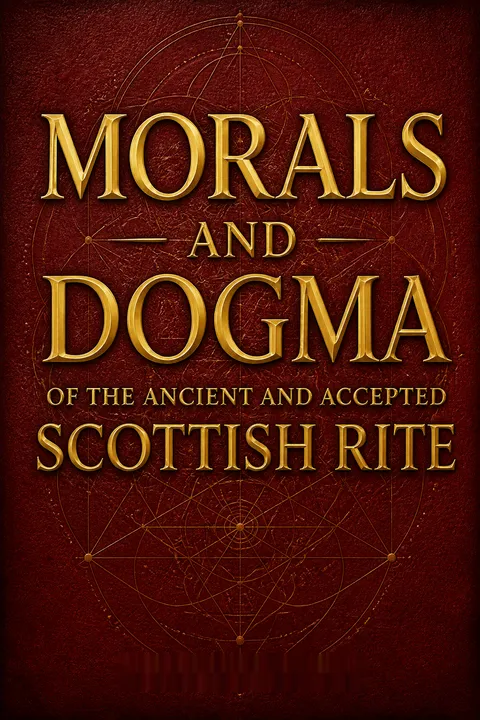
يحظى كتاب "الأخلاق والسرّيات في الطقس الإسكتلندي القديم والمعتمد للماسونية" بتقييمات متباينة. فالبعض يثني عليه باعتباره عملاً عميقاً في المعرفة الباطنية، والدين المقارن، وفلسفة الماسونية. يقدّر القراء عمقه ورؤاه الثاقبة في الرموز والغموض. ومع ذلك، يرى آخرون أنه جاف ومتكرر التنظيم، ويعاني من ضعف في الترتيب. كثير من المسيحيين ينتقدون تناقضاته الظاهرة مع معتقداتهم الدينية. يُنظر إلى الكتاب على أنه معقد، ويتطلب دراسة متأنية وتأملاً عميقاً. وبينما يعتبره البعض من الأدبيات الأساسية للماسونية، يشكك آخرون في مدى صلاحيته أو يجدون محتواه مثيراً للجدل.
قرأ الآخرون أيضًا
الأسئلة الشائعة
1. What is "Morals and Dogma of the Ancient and Accepted Scottish Rite of Freemasonry" by Albert Pike about?
- Comprehensive Masonic Philosophy: The book is a detailed exposition of the philosophy, symbolism, and teachings of the Scottish Rite of Freemasonry, exploring moral, spiritual, and intellectual lessons through Masonic degrees and rituals.
- Integration of Ancient Wisdom: Pike connects Freemasonry with ancient religious, philosophical, and esoteric traditions, including the Kabalah, Hermeticism, and Mystery religions, showing how Masonry preserves and transmits universal truths.
- Moral and Metaphysical Themes: Central topics include the nature of God, the soul, justice, liberty, and the eternal struggle between good and evil, all presented through allegory and symbolism.
- Guide for Masons: The work serves as both a philosophical treatise and a practical guide for Masons, aiming to elevate the individual and society through moral and intellectual development.
2. Why should I read "Morals and Dogma of the Ancient and Accepted Scottish Rite of Freemasonry" by Albert Pike?
- Deep Understanding of Masonry: The book offers profound insights into the symbolic and philosophical foundations of Freemasonry, especially the Scottish Rite, making it essential for serious Masonic study.
- Exploration of Universal Truths: Pike addresses universal questions about God, morality, the soul, and the cosmos, bridging ancient wisdom with modern thought for personal growth.
- Historical and Cultural Context: The text situates Masonry within the broader history of religious and philosophical traditions, enriching appreciation for its role in human culture.
- Practical Moral Guidance: It provides guidance for living a virtuous life, emphasizing justice, charity, and the continual struggle toward enlightenment.
3. What are the key takeaways and main teachings of "Morals and Dogma" by Albert Pike?
- Universal Morality and Tolerance: Pike presents Masonry as a universal system of ethics, emphasizing religious toleration, charity, and justice as core duties.
- Symbolism and Allegory: The book explains the deep meanings behind Masonic symbols, rituals, and degrees, using allegory to teach lessons on human nature, society, and the divine.
- Moral and Spiritual Progress: Each degree is a step in the moral and intellectual development of the Mason, aiming to harmonize human nature with its divine destinies.
- Balance and Equilibrium: The concept of universal equilibrium—balancing opposites like good and evil, justice and mercy—is central to Pike’s philosophy.
4. How does Albert Pike define the nature and purpose of Freemasonry in "Morals and Dogma"?
- Universal Morality: Pike defines Freemasonry as a universal morality suitable for all mankind, transcending religious sects and national boundaries.
- Not a Religion, but Spiritual: While not a religion, Masonry preserves the cardinal tenets of the old primitive faith underlying all religions, focusing on virtue and moral living.
- Social Mission: Masonry is portrayed as a force for enlightenment, charity, and social reform, urging Masons to labor for education, justice, and the improvement of public morals.
- Practical Life and Duty: The true purpose of Masonry is the practical application of its teachings in daily life, promoting goodness, justice, and self-improvement.
5. What is the significance of symbolism and allegory in "Morals and Dogma" by Albert Pike?
- Teaching Through Symbols: Pike uses symbols such as the square, compass, pillars, and the triangle to convey universal principles like justice, wisdom, and balance.
- Ancient Roots: The book traces Masonic symbols and rituals to ancient civilizations, showing their role in teaching moral and spiritual truths.
- Allegorical Lessons: Myths like those of Osiris, Isis, and Hiram Abiff are interpreted as allegories for the soul’s journey, the struggle between light and darkness, and the triumph of virtue.
- Personal Interpretation: Pike encourages readers to study and interpret symbols for themselves, fostering intellectual and moral growth.
6. How does "Morals and Dogma" by Albert Pike explain the nature of God and the universe?
- God as Infinite and Absolute: Pike describes God as the Infinite Being, embodying truth, beauty, and goodness, beyond human comprehension but revealed through divine attributes.
- Creation as Emanation: The universe is seen as an emanation from God, governed by the law of balance and harmony, with both active and passive principles.
- Balance of Opposites: The universe and God’s nature involve the equilibrium of opposing forces such as necessity and liberty, good and evil, light and darkness.
- Kabalistic and Hermetic Influences: Pike draws on the Kabalah and Hermetic philosophy to explain the structure of the cosmos and the process of creation.
7. What role do the Kabalah and Hermetic philosophy play in "Morals and Dogma" by Albert Pike?
- Foundation of Esoteric Knowledge: The Kabalah is presented as the key to understanding divine wisdom and the universe, providing a logical and absolute theology for Masonry.
- Doctrine of Emanations: Both Kabalah and Hermeticism teach that the universe emanates from the Infinite Light through a series of Sephiroth or divine attributes.
- Symbolic Framework: These traditions supply the secret meanings of Masonic symbols, words, and rituals, enriching the philosophical depth of the Scottish Rite.
- Integration with Masonry: Pike shows how these ancient sciences influenced Masonic teachings, especially in the higher degrees.
8. How does "Morals and Dogma" by Albert Pike address the problem of good and evil?
- Coexistence and Balance: Good and evil are seen as necessary contraries, producing harmony through their equilibrium in the universe.
- Moral Development: The existence of evil allows for free will, moral growth, and the exercise of virtue, as suffering and trials are conditions for developing character.
- Divine Justice and Mercy: Pike teaches that divine justice is tempered by mercy, and that apparent evils serve a higher purpose in the divine plan.
- Ultimate Triumph of Good: The book emphasizes hope in the final triumph of truth, liberty, and good over falsehood, slavery, and evil.
9. What is the significance of the Scottish Rite degrees and their symbolism in "Morals and Dogma" by Albert Pike?
- Progressive Moral Lessons: Each degree teaches specific moral, philosophical, and spiritual lessons, guiding the initiate toward enlightenment and mastery over self.
- Allegorical Structure: The degrees use allegories, symbols, and rituals from various traditions to convey deeper truths about the soul’s journey and the struggle for virtue.
- Integration of Ancient Wisdom: Higher degrees incorporate lessons from chivalry, Hermetic science, and Kabalistic doctrine, linking Freemasonry to historical traditions of secret knowledge.
- Personal and Social Development: The degrees emphasize virtues such as truth, honor, charity, and justice, as well as intellectual pursuits and the subjugation of passions.
10. How does "Morals and Dogma" by Albert Pike explain the immortality and journey of the soul?
- Soul as Divine Emanation: The soul is described as a spark or emanation from the Universal Soul, immortal and intelligent, temporarily imprisoned in the material body.
- Spiritual Ascent: The soul’s progress involves ascending through spheres or degrees of knowledge and virtue, aided by initiation and moral living.
- Transmigration and Redemption: Pike discusses the doctrine of transmigration, the soul’s fall into matter, and its journey of redemption and return to the divine source.
- Moral Responsibility: The soul’s immortality is linked to the law of merit and demerit, making man responsible for his actions and ultimate destiny.
11. What is the meaning and importance of numbers and geometry in "Morals and Dogma" by Albert Pike?
- Sacred Numbers: Numbers like 3, 4, 7, 9, 10, and 12 are sacred and symbolic, representing cosmic principles, spiritual truths, and moral virtues.
- Geometry as Divine Order: Geometric figures such as the triangle, square, and Tetractys illustrate the harmony and structure of the universe and are central to Masonic symbolism.
- Mathematical Mysteries: Pike explores the mystical properties of numbers, especially in relation to the Kabalah and ancient philosophies, showing their role in understanding creation.
- Masonic Rituals: These numbers and shapes are embedded in Masonic rituals and symbols, teaching lessons about the divine, the soul, and the moral order.
12. What are the best quotes from "Morals and Dogma" by Albert Pike and what do they mean?
- "Masonry is a continual struggle toward the light." This encapsulates the book’s theme of spiritual and moral progress, highlighting Masonry as a path of enlightenment and virtue.
- "Justice is the Angel of God flying from East to West." This metaphor emphasizes the universality and divine nature of justice, calling Masons to uphold this ideal.
- "The soul is immortal as God's Thoughts are." This statement affirms the Masonic belief in the soul’s immortality and divine origin, connecting human existence to the eternal nature of God.
- "No man hath or ever had a right to persecute another for his belief." This quote underscores Pike’s emphasis on religious toleration and universal brotherhood as core Masonic values.
تحميل PDF
تحميل EPUB
.epub digital book format is ideal for reading ebooks on phones, tablets, and e-readers.








































