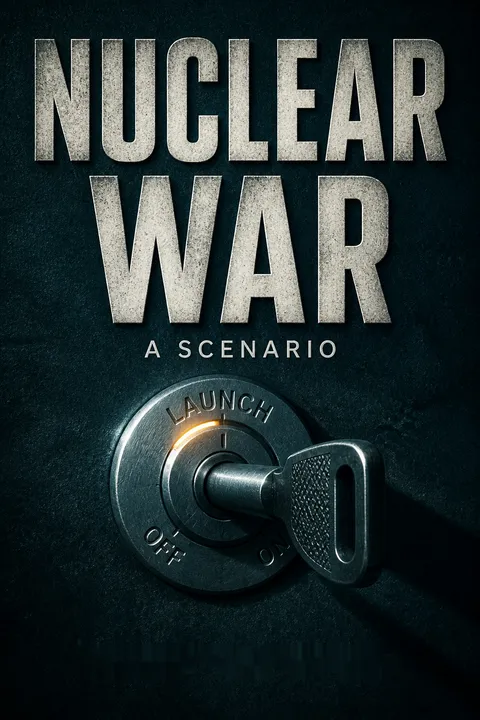

أهم النقاط
1. الحرب النووية: كارثة إنسانية يمكن تجنبها
السيناريو النووي الذي يطرحه هذا الكتاب قد يحدث غدًا، أو حتى في وقت لاحق من اليوم.
تهديد وشيك. يؤكد الكتاب على الخطر الدائم للحرب النووية، مشددًا على أنها ليست احتمالًا بعيدًا بل واقعًا محتملًا قد يتكشف بسرعة مروعة. السيناريو المعروض ليس خيالًا، بل تسلسل معقول للأحداث استنادًا إلى مقابلات مع خبراء ووثائق سرية تم رفع السرية عنها.
الثمن البشري. العواقب المحتملة للحرب النووية كارثية، تؤدي إلى وفاة مليارات البشر وانهيار الحضارة. يرسم الكتاب صورة قاتمة لما يحدث فورًا بعد الانفجار، بما في ذلك:
- الاحتراق الفوري من الانفجار الأولي
- حرائق واسعة النطاق وعواصف نارية
- التسمم الإشعاعي
- أضرار بيئية طويلة الأمد
مأساة يمكن تفاديها. رغم التشاؤم، يشير الكتاب ضمنيًا إلى أن الحرب النووية ليست حتمية. من خلال فهم المخاطر والدعوة إلى نزع السلاح وتهدئة التوترات، يمكن للبشرية تفادي هذه الكارثة التي يمكن تجنبها.
2. حالة التأهب القصوى: إرث خطير
قواتنا الاستراتيجية جاهزة دائمًا للرد، ويجب أن يعلم الجميع ذلك.
حالة الاستعداد للإطلاق. جزء كبير من الترسانات النووية الأمريكية والروسية موضوع في حالة "تأهب قصوى"، ما يعني إمكانية إطلاقها خلال دقائق من تلقي الأمر. هذا الوضع يزيد من خطر الاستخدام العرضي أو غير المصرح به.
الإطلاق عند التحذير. تنص هذه السياسة على أن الولايات المتحدة ستطلق أسلحتها النووية بمجرد تلقي تحذير بهجوم وشيك، دون انتظار التأكيد. هذا يقلص وقت اتخاذ القرار بشكل كبير ويزيد من خطر الخطأ.
الثالوث النووي الأمريكي:
- الصواريخ الباليستية العابرة للقارات (ICBMs) البرية
- الصواريخ الباليستية التي تطلق من الغواصات (SLBMs)
- القاذفات النووية
يجمع هذا الوضع بين حالة التأهب القصوى وسياسة الإطلاق عند التحذير، مما يخلق وضعًا خطيرًا قد يؤدي إلى حرب نووية شاملة بسبب إنذار كاذب أو سوء تفسير.
3. الإطلاق عند التحذير: سياسة المجازفة على الحافة
بمجرد أن نحصل على تحذير بهجوم نووي، نستعد للإطلاق. هذه هي السياسة. لا ننتظر.
قرارات حساسة للزمن. تجبر سياسة الإطلاق عند التحذير القادة على اتخاذ قرارات حاسمة بشأن الرد النووي خلال دقائق معدودة، مما يترك مجالًا ضيقًا للتحقق أو الدبلوماسية. هذا يزيد بشكل كبير من خطر الحرب العرضية.
إنذارات كاذبة. التاريخ مليء بحوادث إنذارات كاذبة في أنظمة الإنذار المبكر، مما يبرز إمكانية وقوع أخطاء كارثية تحت هذه السياسة. هذه الحوادث تؤكد على مخاطر الاعتماد على أنظمة آلية لاتخاذ قرارات ذات عواقب عالمية.
الحاجة إلى الحذر. يقترح الكتاب اتباع نهج أكثر حذرًا يركز على التحقق وتهدئة التوترات لتقليل خطر الحرب النووية العرضية. وهذا يشمل إزالة الأسلحة النووية من حالة التأهب القصوى والتخلي عن سياسة الإطلاق عند التحذير.
4. الضربة القاضية: استراتيجية اليأس
الهجوم المفاجئ على واشنطن هو ما يخشاه الجميع في العاصمة.
استهداف القيادة. تهدف الضربة القاضية إلى القضاء على قيادة العدو وهيكله القيادي بضربة واحدة سريعة. هذه الاستراتيجية خطيرة بشكل خاص في السياق النووي، إذ قد تحفز على شن هجمات استباقية وتصعيد النزاعات.
ضعف مراكز القيادة. يسلط الكتاب الضوء على ضعف مراكز القيادة الرئيسية مثل البنتاغون وجبل شايان أمام الضربات النووية. تدمير هذه المنشآت قد يشل قدرة الدولة على الرد بفعالية على الهجوم.
دورة التصعيد. الخوف من الضربة القاضية يخلق دورة خطيرة من التصعيد، حيث يسعى كل طرف لضرب الآخر أولًا للقضاء على قيادته. هذا الديناميكية تزيد من خطر الحرب النووية العرضية أو المتعمدة.
5. الثالوث النووي: لوحة رعب ثلاثية
لا خيار أمام الولايات المتحدة سوى الاستمرار في تصنيع وتخزين الأسلحة.
البر والبحر والجو. يتألف الثالوث النووي الأمريكي من صواريخ باليستية عابرة للقارات برية، وصواريخ باليستية تطلق من الغواصات، وقاذفات نووية. هذا الهيكل المتنوع يهدف لضمان رد انتقامي حتى لو تعطلت إحدى الركائز.
البقاء مقابل الاستقرار. رغم أن الثالوث يعزز الردع، إلا أنه يخلق أيضًا نقاط ضعف وضغوط تصعيدية. فمثلاً، تعتبر الصواريخ البرية أكثر عرضة لهجوم أول، مما يشجع على سياسة الإطلاق عند التحذير.
تكلفة الصيانة. صيانة الثالوث النووي مكلفة للغاية، مما يصرف موارد عن حاجات أخرى ملحة. يشير الكتاب ضمنيًا إلى التساؤل حول ما إذا كانت فوائد الثالوث تفوق مخاطره وتكاليفه.
6. طائرة يوم القيامة: القيادة والسيطرة في نهاية العالم
قواتنا الاستراتيجية جاهزة دائمًا للرد، ويجب أن يعلم الجميع ذلك.
مراكز القيادة المحمولة جواً. "طائرة يوم القيامة"، أو E-4B نايتواتش، هي طائرة بوينغ 747 معدلة عسكريًا لتعمل كمركز قيادة جوي في حال نشوب حرب نووية. تهدف هذه الطائرة لضمان استمرارية الحكومة والسيطرة على القوات النووية الأمريكية.
مقاومة النبض الكهرومغناطيسي. تم تعزيز الطائرة لتحمل النبض الكهرومغناطيسي (EMP)، وهو انفجار طاقة قوي يمكن أن يعطل الأجهزة الإلكترونية. هذا التعزيز يتيح للطائرة العمل حتى بعد هجوم نووي.
القيود والضعف. رغم قدراتها، ليست طائرة يوم القيامة منيعة تمامًا. تعتمد على أنظمة اتصالات معقدة قد تتعرض للتشويش، وفعاليتها مرتبطة ببقاء أفراد الطاقم والبنية التحتية الحيوية.
7. الشتاء النووي: نهاية الحضارة
قصة الجنس البشري هي الحرب. باستثناء فترات قصيرة وهشة، لم يكن هناك سلام في العالم؛ وقبل التاريخ، كان الصراع القاتل عالميًا ودائمًا.
كارثة مناخية عالمية. الشتاء النووي هو سيناريو افتراضي حيث تؤدي حرب نووية واسعة النطاق إلى ضخ كميات هائلة من السخام والدخان في الغلاف الجوي، مما يحجب أشعة الشمس ويتسبب في انخفاض حاد في درجات الحرارة العالمية.
انهيار بيئي. البرودة والظلام الناتجان سيدمران الزراعة، ويعطلان النظم البيئية، ويؤديان إلى مجاعات واسعة النطاق. يرسم الكتاب صورة قاتمة لعالم ما بعد النووي حيث يصبح البقاء على قيد الحياة معركة مستمرة.
عواقب طويلة الأمد. قد يكون للشتاء النووي تأثيرات طويلة الأمد على مناخ الأرض وبيئتها، مما قد يجعل أجزاء واسعة من الكوكب غير صالحة للسكن لعقود أو حتى قرون.
8. وهم السيطرة: نظام من الأنظمة على حافة الهاوية
قد ينتهي العالم خلال الساعات القليلة القادمة.
أنظمة معقدة. القيادة والسيطرة النووية هي نظام معقد من الأنظمة، يعتمد على شبكة واسعة من التقنيات المترابطة والعاملين البشر. هذه التعقيدات تخلق فرصًا للأخطاء والأعطال والعواقب غير المقصودة.
نقاط الضعف والترابط. يبرز الكتاب نقاط الضعف في مكونات مختلفة من نظام القيادة والسيطرة النووي، بما في ذلك الأقمار الصناعية للإنذار المبكر، وشبكات الاتصالات، وعمليات اتخاذ القرار. فشل أي مكون قد يؤدي إلى تأثيرات متسلسلة.
ضباب الحرب. في فوضى وأرباك الأزمة النووية، يصعب الحصول على معلومات دقيقة واتخاذ قرارات عقلانية. يؤكد الكتاب على أهمية التكرار والمرونة والحكم البشري في التخفيف من مخاطر الحرب النووية.
9. العنصر البشري: جنون الشك، وسوء التقدير، وجنون الجماهير
قصة الجنس البشري هي الحرب.
قابلية الخطأ البشري. يبرز الكتاب دور العوامل البشرية مثل الشك المفرط، وسوء التقدير، وجنون الجماهير في تصعيد الأزمات النووية. هذه الديناميات النفسية والاجتماعية قد تتغلب على العقلانية وتؤدي إلى نتائج كارثية.
أهمية القيادة. في أزمة نووية، يمكن لقرارات القادة الأفراد أن تحمل عواقب عالمية. يشدد الكتاب على ضرورة وجود قادة يتمتعون بحكمة، ومهارات تواصل واضحة، والتزام بتهدئة التوتر.
قوة التعاطف. من خلال تسليط الضوء على التكلفة البشرية للحرب النووية، يسعى الكتاب إلى تعزيز التعاطف والتفاهم عبر الانقسامات الوطنية والأيديولوجية. هذا التعاطف ضروري لبناء عالم أكثر سلامًا وأمانًا.
10. المستحيل التفكير فيه: التدرب على يوم القيامة
لمعرفة هذا الجواب بشكل أدق، نعود بالزمن أكثر من ستين عامًا، إلى ديسمبر 1960، إلى القيادة الجوية الاستراتيجية الأمريكية، واجتماع سري عُقد هناك.
الاستعداد للأسوأ. يكشف الكتاب مدى استعداد الحكومات للحرب النووية، من خلال تطوير خطط وبروتوكولات مفصلة للرد على الهجوم. هذه الاستعدادات، رغم هدفها تعزيز الردع، قد تطبع فكرة الحرب النووية وتزيد من خطر وقوعها.
تفاهة الشر. يرسم الكتاب تشابهات بين التخطيط للحرب النووية والإبادة النازية، مبرزًا إمكانية مشاركة أفراد عقلانيين في أفعال مروعة عند عملهم ضمن نظام بيروقراطي.
الحاجة إلى تأمل أخلاقي. يتحدى الكتاب القراء لمواجهة التداعيات الأخلاقية للأسلحة النووية، والنظر في المسؤوليات الأخلاقية لأولئك الذين يطورونها ويحافظون عليها ويسيطرون عليها.
ملخص المراجعات
كتاب "الحرب النووية: سيناريو محتمل" هو عمل مرعب ومبني على بحث دقيق يقدم تصورًا افتراضيًا لصراع نووي محتمل. بينما وجد بعض القراء فيه معلومات قيمة وأحداثًا مروعة، انتقده آخرون لطبيعته التخيلية ولأسلوبه المتكرر في السرد. يستعرض الكتاب سيناريو هجوم من كوريا الشمالية على الولايات المتحدة، مما يؤدي إلى حرب نووية عالمية. وقد أشاد الكثيرون ببحث المؤلف جاكوبسن المتعمق وقدرته على تصوير العواقب المروعة للحرب النووية. ومع ذلك، رأى البعض أن الكتاب يبالغ في تصوير الأحداث وأن الفكرة الأساسية بعيدة عن الواقع. في المجمل، يقدم الكتاب تحذيرًا صارمًا من مخاطر الأسلحة النووية.
قرأ الآخرون أيضًا

الأسئلة الشائعة
1. What is Nuclear War: A Scenario by Annie Jacobsen about?
- Minute-by-minute nuclear scenario: The book presents a meticulously researched, realistic scenario of a nuclear war, beginning with a surprise missile launch and escalating to global catastrophe.
- Focus on command and control: It explores the inner workings of U.S. and Russian nuclear command systems, decision-making processes, and the roles of leaders during a crisis.
- Consequences and aftermath: The narrative details the immediate and long-term effects of nuclear war, including environmental devastation, societal collapse, and the existential threat to humanity.
- Grounded in expert interviews: Jacobsen bases her scenario on exclusive interviews with military officials, scientists, and emergency experts, as well as declassified documents.
2. Why should I read Nuclear War: A Scenario by Annie Jacobsen?
- Unprecedented realism and detail: The book offers a rare, near-real-time depiction of nuclear war, moving beyond theory to show the human, environmental, and geopolitical realities.
- Critical understanding of nuclear risks: Readers gain insight into the dangers of current nuclear policies, such as "Launch on Warning" and "Hair-Trigger Alert."
- Urgent call for awareness: Jacobsen emphasizes the fragility of deterrence and the catastrophic consequences of nuclear conflict, urging readers and policymakers to reconsider nuclear strategies.
- Authoritative and accessible: The book draws on expert interviews and declassified sources, making complex topics understandable for general readers.
3. What are the key takeaways from Nuclear War: A Scenario by Annie Jacobsen?
- Nuclear war is fast and devastating: The scenario shows that nuclear war could unfold within an hour, with millions killed almost instantly and little time for decision-making.
- Paranoia and mistrust drive escalation: Historical and psychological factors, such as fear of decapitation strikes, fuel rapid and catastrophic decisions.
- Nuclear winter and societal collapse: The aftermath includes environmental devastation, famine, and the potential collapse of civilization, with humanity possibly reduced to a hunter-gatherer existence.
- Nuclear weapons are the true enemy: The book stresses that the existence of these weapons poses an existential threat to all humanity.
4. What are the best quotes from Nuclear War: A Scenario by Annie Jacobsen and what do they mean?
- “The world could end in the next couple of hours.” – General Robert Kehler. This quote highlights the immediacy and unpredictability of nuclear war risk.
- “Humanity is just one misunderstanding, one miscalculation away from nuclear annihilation.” – UN Secretary-General António Guterres. It underscores the fragility of peace and the dangers of human error.
- “Paranoia is a psychological phenomenon, same as deterrence.” – Annie Jacobsen. This reflects how psychological factors can be as influential as military hardware in nuclear decision-making.
- “If North Korea detonates a high-altitude EMP over America, it’s Electric Armageddon.” – Dr. Peter Pry. This quote illustrates the catastrophic potential of EMP attacks, beyond direct nuclear strikes.
5. How does Annie Jacobsen describe the timeline and phases of a nuclear missile attack in Nuclear War: A Scenario?
- Detection within seconds: U.S. satellites detect a missile launch almost instantly, triggering alerts across multiple command centers.
- Flight phases: The missile’s journey includes a Boost Phase (5 minutes), Midcourse Phase (20 minutes), and Terminal Phase (1.6 minutes), totaling about 26 minutes and 40 seconds.
- Critical decision window: The U.S. president has approximately six minutes after detection to decide on a counterattack, a timeframe described as dangerously short.
- Escalation to global conflict: The scenario shows how quickly a single launch can escalate into a full-scale nuclear exchange.
6. What is the "Launch on Warning" policy in Nuclear War: A Scenario and why is it risky?
- Definition: "Launch on Warning" means launching nuclear weapons upon detection of incoming missiles, before they strike, to preserve retaliatory capability.
- Extreme time pressure: Leaders have only minutes—sometimes as few as six—to make irreversible decisions, increasing the risk of mistakes.
- Expert criticism: The policy is described as “inexcusably dangerous” by experts and former officials, due to the potential for accidental or mistaken launches.
- Ongoing practice: Despite widespread criticism, both the U.S. and Russia maintain this policy, keeping many weapons on hair-trigger alert.
7. How does Nuclear War: A Scenario by Annie Jacobsen portray nuclear command and control systems?
- Complex, multi-layered systems: Command and control involve multiple facilities, satellites, communication networks, and personnel working around the clock.
- Sole authority of leaders: The U.S. and Russian presidents have sole authority to order nuclear launches, without requiring approval from others.
- Vulnerabilities and redundancies: While there are backup systems and airborne command posts, many facilities are vulnerable to direct strikes and EMPs.
- Human and technical factors: The book highlights how stress, miscommunication, and technical failures can interact with catastrophic results.
8. What is the "Dead Hand" system and its significance in Nuclear War: A Scenario by Annie Jacobsen?
- Automatic retaliation mechanism: The "Dead Hand" (Perimeter) is a Soviet/Russian system designed to automatically launch nuclear weapons if command is lost and a nuclear strike is detected.
- Cold War origins: It was developed to ensure mutual destruction in case of a decapitation strike, reflecting deep-seated paranoia.
- Modern uncertainty: The system reportedly still exists, though its current capabilities are unclear; it symbolizes the dangers of automated escalation.
- Escalation risk: The existence of such systems increases the likelihood of uncontrollable nuclear war.
9. How does Annie Jacobsen describe the effects of a nuclear bomb detonation on a major city in Nuclear War: A Scenario?
- Immediate destruction: A 1-megaton bomb obliterates the Pentagon and surrounding areas, with a fireball over a mile wide.
- Mass casualties: Over 1 to 2 million people are killed or fatally injured within seconds, with severe burns and trauma miles from ground zero.
- Firestorm and fallout: The blast ignites massive fires and spreads radioactive fallout, making rescue and survival nearly impossible.
- Long-term uninhabitability: The affected area remains lethal for days, complicating any recovery efforts.
10. What is the U.S. nuclear triad and why is it significant in Nuclear War: A Scenario by Annie Jacobsen?
- Three delivery systems: The triad consists of land-based ICBMs, nuclear-capable bombers, and nuclear-armed submarines.
- Survivability and deterrence: Submarines are the most survivable, bombers can be recalled, and ICBMs are kept on hair-trigger alert for rapid response.
- Strategic complexity: The triad ensures a retaliatory capability but complicates decision-making under extreme time pressure.
- Central to nuclear policy: The triad is a cornerstone of U.S. deterrence strategy, but also increases the risk of rapid escalation.
11. How does Nuclear War: A Scenario by Annie Jacobsen explain the risks and limitations of U.S. missile defense systems?
- Limited interceptor capacity: The U.S. has only 44 ground-based interceptors, with a success rate of about 55%, insufficient for a large-scale attack.
- Technological challenges: Systems like the Sea-Based X-Band Radar have been criticized as costly and unreliable, and distinguishing real warheads from decoys is difficult.
- No defense against SLBMs: Submarine-launched missiles can strike with little warning and are nearly impossible to intercept.
- False sense of security: The book warns that missile defense cannot reliably protect against a determined nuclear attack.
12. What are the psychological and societal impacts of nuclear war described in Nuclear War: A Scenario by Annie Jacobsen?
- Mass panic and chaos: Cities descend into panic, with infrastructure collapse, communication failures, and overwhelmed emergency services.
- Survivor suffering: Radiation sickness, firestorms, and lack of medical care lead to horrific suffering and high mortality among survivors.
- Government continuity at risk: Decapitation strikes threaten the survival of government, risking military rule and loss of democracy.
- Long-term societal collapse: The book warns of a breakdown in social order, with survivors facing starvation, disease, and a return to primitive living conditions.
عن المؤلف
كتب أخرى لـ آني جاكوبسن
تحميل PDF
تحميل EPUB
.epub digital book format is ideal for reading ebooks on phones, tablets, and e-readers.








































