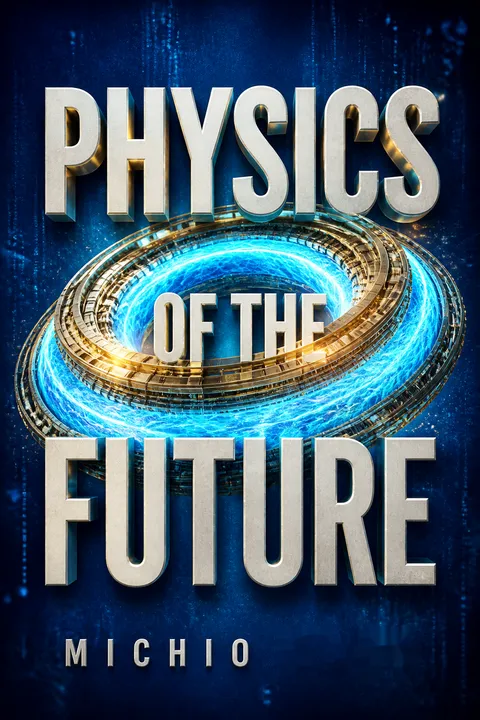

أهم النقاط
1. مستقبل الحوسبة: الحوسبة الشاملة والخفية
مصير الحواسيب، مثل غيرها من التقنيات الجماهيرية كالكهرباء والورق والمياه الجارية، هو أن تصبح غير مرئية، أي أن تندمج في نسيج حياتنا، فتكون في كل مكان ولا مكان، تعمل بهدوء وسلاسة لتنفيذ رغباتنا.
الحوسبة الشاملة. بحلول عام 2100، ستصبح الحواسيب مدمجة بسلاسة في بيئتنا المحيطة. ستُدمج الأجهزة المتصلة بالإنترنت في الأشياء اليومية، من الملابس إلى الأثاث والجدران وحتى أجسادنا. هذا سيخلق "بيئة ذكية" تراقب باستمرار وتستجيب لاحتياجاتنا ورغباتنا.
الواقع المعزز. سنتفاعل مع شبكة الحوسبة الشاملة هذه من خلال واجهات الواقع المعزز، مثل العدسات اللاصقة أو النظارات التي تعرض المعلومات الرقمية فوق العالم المادي. هذا سيحدث ثورة في طريقة عملنا وتعلمنا وتفاعلنا مع محيطنا.
التطبيقات:
- الترجمة الفورية للغات
- الوصول الفوري إلى معلومات عن الأشخاص والأشياء
- مساحات عمل افتراضية وأدوات تعاون
- تحسين التنقل والوعي المكاني
- تجارب ترفيهية وتعليمية مخصصة
2. الذكاء الاصطناعي: تقدم بطيء نحو الإدراك بمستوى الإنسان
اليوم، يمكنك شراء برامج شطرنج بـ49 دولارًا تهزم الجميع إلا أبطال العالم، ومع ذلك لا يعتبرها أحد ذكية.
الذكاء الاصطناعي الضيق مقابل الذكاء الاصطناعي العام. رغم التقدم الكبير في مجالات محددة مثل الشطرنج أو التعرف على الصور، يبقى إنشاء آلات ذات ذكاء عام بمستوى الإنسان تحديًا هائلًا. من المرجح أن يتقدم الذكاء الاصطناعي بوتيرة أبطأ مما يتوقع البعض، وقد لا نصل إلى الذكاء الاصطناعي العام الحقيقي إلا في أواخر هذا القرن، إن حدث ذلك أصلاً.
التحديات في تطوير الذكاء الاصطناعي:
- التعرف على الأنماط والمنطق السليم
- الذكاء العاطفي والتفاعل الاجتماعي
- الإبداع والتفكير التجريدي
- الوعي الذاتي والوعي
التأثيرات المحتملة: مع تطور الذكاء الاصطناعي، ستتحول الصناعات وتختفي العديد من الوظائف. ومع ذلك، سيظل الإنسان ضروريًا للمهام التي تتطلب التعاطف والإبداع واتخاذ القرارات المعقدة. كما ستثير هذه التطورات أسئلة أخلاقية مهمة حول طبيعة الذكاء والوعي.
3. ثورة التكنولوجيا الحيوية: إطالة العمر وتعزيز القدرات البشرية
علم الأحياء اليوم هو علم المعلومات.
الطب الجيني. ستتيح التقدمات في تقنيات تسلسل الجينات وتعديلها طبًا شخصيًا يتناسب مع التركيبة الجينية لكل فرد. هذا سيؤدي إلى علاجات أكثر فعالية للأمراض الوراثية والسرطان وغيرها.
إطالة العمر. بحلول منتصف القرن، قد يصبح من الممكن تمديد أعمار البشر بشكل ملحوظ من خلال مزيج من:
- العلاج الجيني لإصلاح الأضرار الخلوية المرتبطة بالشيخوخة
- علاجات الخلايا الجذعية لتجديد الأعضاء والأنسجة
- تدخلات طبية تعتمد على تقنيات النانو
- تغييرات في نمط الحياة بناءً على المعلومات الجينية الشخصية
تعزيز الإنسان. ستفتح التكنولوجيا الحيوية أيضًا آفاقًا لتعزيز القدرات الجسدية والمعرفية للبشر إلى ما يتجاوز حدودهم الطبيعية، مثل تحسين الذاكرة، وزيادة الذكاء، وتعزيز القوة البدنية، ومقاومة الأمراض.
الاعتبارات الأخلاقية: ستثير هذه التطورات أسئلة أخلاقية معقدة حول المساواة، والهوية البشرية، وحدود التدخل الطبي.
4. تكنولوجيا النانو: التحكم في المادة على المستوى الذري
تكنولوجيا النانو لديها القدرة على تعزيز أداء الإنسان، وتحقيق التنمية المستدامة للمواد والمياه والطاقة والأغذية، وحمايتنا من البكتيريا والفيروسات المجهولة...
التصنيع الجزيئي. بحلول نهاية القرن، قد نتمكن من التحكم في الذرات والجزيئات الفردية لصنع أي مادة أو منتج تقريبًا. هذا سيحدث ثورة في التصنيع والطب وتنظيف البيئة.
التطبيقات المحتملة:
- مواد ذاتية التجميع بخصائص استثنائية
- روبوتات طبية مجهرية لتوصيل الأدوية وإصلاح الخلايا
- أجهزة تخزين وتحويل طاقة فائقة الكفاءة
- تقنيات متقدمة لتنقية المياه وتنظيف البيئة
- حواسيب كمومية مبنية من مكونات على المستوى الذري
التحديات والمخاطر: يتطلب تطوير تكنولوجيا النانو الجزيئية تجاوز عقبات تقنية كبيرة. كما توجد مخاطر محتملة، مثل إطلاق روبوتات نانوية ذاتية التكاثر عن غير قصد، مما يستدعي إدارة حذرة.
5. الانتقال إلى الطاقة النظيفة: من الوقود الأحفوري إلى الاندماج والطاقة المتجددة
بحلول عام 2100، عندما نتمكن من التحكم في مصيرنا الجيني، علينا أن نقارن مصيرنا بالديستوبيا التي رسمها ألدوس هكسلي في روايته النبوئية "عالم جديد شجاع"، التي تدور أحداثها في عام 2540.
نمو الطاقة المتجددة. ستصبح مصادر الطاقة الشمسية والرياح وغيرها من الطاقات المتجددة أكثر تنافسية وانتشارًا، مدفوعة بالتقدم التكنولوجي والقلق من تغير المناخ.
اختراق طاقة الاندماج. بحلول منتصف القرن، قد تصبح الاندماج النووي مصدرًا عمليًا للطاقة، موفرًا طاقة نظيفة لا حدود لها تقريبًا. هذا قد يغير مشهد الطاقة العالمي ويساعد في مواجهة تغير المناخ.
تخزين وتوزيع الطاقة: ستلعب التطورات في تكنولوجيا البطاريات وأنظمة الشبكات الذكية دورًا حاسمًا في إدارة الطبيعة المتقطعة لمصادر الطاقة المتجددة وضمان توزيع موثوق للطاقة.
التأثيرات الاجتماعية: سيؤدي الانتقال إلى الطاقة النظيفة إلى تغييرات عميقة في الجغرافيا السياسية والاقتصاد والبيئة. قد يقلل من النزاعات على موارد الوقود الأحفوري، لكنه سيعطل الصناعات وأسواق العمل القائمة.
6. استكشاف الفضاء: المهمات الروبوتية والبحث عن الكواكب الخارجية
تخيل أن تركب سيارة مغناطيسية تحوم فوق الأرض وتسير بسرعة مئات الأميال في الساعة، مستخدمًا وقودًا ضئيلًا جدًا.
الاستكشاف الروبوتي. ستستمر المركبات الفضائية والمستكشفات غير المأهولة في استكشاف النظام الشمسي، مع التركيز على البحث عن علامات حياة على المريخ وأقمار المشتري وزحل.
اكتشاف الكواكب الخارجية. ستحدد التلسكوبات الفضائية المتقدمة الكواكب المحتملة للسكن حول نجوم أخرى، مما سيغير فهمنا لانتشار الحياة في الكون.
تحديات السفر البشري إلى الفضاء: رغم ازدهار المهمات الروبوتية، سيتقدم استكشاف الفضاء البشري بوتيرة أبطأ بسبب التكاليف والتحديات التقنية الهائلة. قد تكون مهمة بشرية إلى المريخ ممكنة بحلول منتصف القرن، لكن إقامة مستوطنات دائمة خارج الأرض ستظل هدفًا بعيد المنال.
7. التأثيرات المجتمعية: التحديات الأخلاقية والاضطرابات الاقتصادية
هل من الممكن، خلال مئة عام، أن يؤدي اختراق تصميمي إلى تقليص آلات بحجم ملاعب كرة القدم إلى حجم ماكينة قهوة، كما في الأفلام؟
التحول الاقتصادي. سيعيد التقاء الذكاء الاصطناعي والروبوتات وتقنيات التصنيع المتقدمة تشكيل الاقتصاد العالمي بشكل جذري، مما قد يؤدي إلى فقدان واسع للوظائف وضرورة نماذج اقتصادية جديدة.
المعضلات الأخلاقية. ستثير التطورات في التكنولوجيا الحيوية والذكاء الاصطناعي وتكنولوجيا النانو أسئلة عميقة حول طبيعة الإنسان وهويته وحدود التدخل التكنولوجي في الحياة البشرية.
عدم المساواة الاجتماعية. قد لا توزع فوائد هذه التقنيات بشكل عادل، مما يزيد من حدة الفوارق الاجتماعية والاقتصادية القائمة.
تحديات الحوكمة. سيتعين على الحكومات والمؤسسات الدولية التكيف لتنظيم وإدارة التأثيرات المجتمعية لهذه التقنيات المتقدمة بسرعة، مع تحقيق توازن بين الابتكار والسلامة والاعتبارات الأخلاقية.
في الختام، يفتح هذا المستقبل المليء بالتقنيات المتطورة آفاقًا واسعة لتحسين حياتنا، لكنه في الوقت نفسه يفرض علينا مسؤوليات كبيرة في كيفية توجيه هذه التطورات لخدمة الإنسانية بشكل عادل وأخلاقي.
ملخص المراجعات
يحظى كتاب "فيزياء المستقبل" بتقييمات متباينة. إذ يشيد الكثيرون بأسلوبه الشيق في استكشاف التطورات التكنولوجية المحتملة، متناولًا موضوعات مثل الذكاء الاصطناعي، والطب، والسفر إلى الفضاء. ويُثمن القراء أسلوب كاكو السلس والمتاح، بالإضافة إلى نظرته المتفائلة للمستقبل. ومع ذلك، ينتقد البعض الكتاب لافتقاره إلى العمق في بعض الجوانب، وتبسيطه المفرط لمواضيع معقدة، وتوقعاته المتفائلة بشكل مبالغ فيه. كما يشير النقاد إلى تكرار بعض العبارات ووجود بعض الأخطاء الواقعية. ورغم هذه الملاحظات، يجد كثير من القراء أن الكتاب يثير التفكير ويقدم تجربة ممتعة، خاصة لأولئك المهتمين بمستقبل التكنولوجيا وعلم المستقبل.
قرأ الآخرون أيضًا










الأسئلة الشائعة
What's Physics of the Future about?
- Exploration of future technologies: Michio Kaku's book delves into how scientific advancements will shape human life by 2100, covering fields like AI, medicine, and space travel.
- Insights from experts: Kaku interviews over 300 leading scientists to provide an insider's perspective on technologies that will redefine civilization.
- Visionary predictions: The book combines current scientific knowledge with predictions about future innovations, emphasizing the interplay between science and society.
Why should I read Physics of the Future?
- Authoritative insights: Michio Kaku, a renowned physicist and futurist, offers credible predictions based on extensive interviews with top scientists.
- Broad scope of topics: The book covers a wide range of subjects, from nanotechnology to space travel, appealing to readers interested in various scientific fields.
- Inspiring vision of the future: Kaku encourages readers to think about the possibilities of future technologies and their potential impact on humanity.
What are the key takeaways of Physics of the Future?
- Accelerating technological advancements: The pace of scientific discovery is increasing, leading to rapid changes in society and daily life.
- Human evolution with technology: Kaku discusses how humans will adapt to and integrate with emerging technologies, potentially leading to a new form of civilization.
- Crucial ethical considerations: As technology advances, addressing ethical dilemmas, particularly concerning AI and biotechnology, becomes increasingly important.
What are the best quotes from Physics of the Future and what do they mean?
- "Empires of the future...": This quote underscores the idea that intellectual and technological advancements will define future civilizations.
- "The future is already here...": Suggests that many envisioned future technologies exist but are not yet widely accessible.
- "We will make the transition...": Kaku believes humanity will gain unprecedented control over natural processes through scientific advancements.
How does Michio Kaku predict the future of computers in Physics of the Future?
- Mind-controlled technology: Kaku envisions computers controlled by thought, allowing seamless interaction between humans and machines.
- Ubiquitous computing: Predicts computers will integrate into everyday objects, making technology invisible and enhancing daily life.
- Exponential growth: Discusses Moore's Law, where computer power doubles every eighteen months, leading to rapid technological advancements.
How will artificial intelligence evolve according to Physics of the Future?
- Rise of intelligent machines: AI will become increasingly sophisticated, potentially surpassing human intelligence by the century's end.
- Ethical implications: Emphasizes the need for ethical guidelines to ensure AI remains beneficial and non-threatening to humanity.
- Integration with humans: Suggests humans may merge with AI, enhancing cognitive abilities and creating a new form of intelligence.
What advancements in medicine does Kaku foresee in Physics of the Future?
- Personalized medicine: Medical treatments will be tailored to individual genetic profiles, improving efficacy and reducing side effects.
- Regenerative medicine: Potential for growing new organs and tissues from a patient's cells, revolutionizing transplant medicine.
- Nanotechnology in healthcare: Use of nanoparticles for targeted drug delivery, allowing precise treatments with fewer side effects.
What role will nanotechnology play in the future according to Physics of the Future?
- Transformative potential: Nanotechnology will enable the creation of materials and devices at the molecular level, leading to breakthroughs.
- Applications in medicine: Envisions nanobots diagnosing and treating diseases at the cellular level, improving healthcare outcomes.
- Energy solutions: Discusses how nanotechnology could lead to new methods of energy production and storage, addressing global challenges.
How does Kaku envision the future of space travel in Physics of the Future?
- Interplanetary exploration: Predicts humans will establish colonies on Mars and possibly beyond by 2100, driven by space technology advancements.
- Space tourism: Foresees space travel becoming accessible to the public, opening new frontiers for exploration and adventure.
- Harnessing energy from space: Potential for capturing solar energy in space and transmitting it back to Earth, providing a sustainable energy source.
What is the significance of Kaku's interviews with scientists in Physics of the Future?
- Diverse perspectives: Interviews provide insights from leading experts across various fields, enriching the narrative with real-world applications.
- Grounded predictions: Expert opinions lend credibility to Kaku's forecasts, making them more plausible and relatable.
- Inspiring collaboration: Highlights the importance of collaboration in scientific research, suggesting future technology depends on interdisciplinary efforts.
How does Physics of the Future address the ethical challenges of future technologies?
- Importance of foresight: Emphasizes the need for proactive discussions about ethical implications, particularly in AI and biotechnology.
- Balancing innovation and safety: Advocates for guidelines and regulations to ensure technological advancements benefit humanity without compromising safety.
- Public engagement: Encourages public discourse on these issues, believing society must shape technology's future to align with human values.
What is the "Cave Man Principle" in Physics of the Future?
- Human nature and technology: Suggests that while technology advances, human nature remains largely unchanged, influencing interactions with technology.
- Adaptation to change: Society must adapt to technological changes while recognizing human nature's limitations.
- Ethical considerations: Highlights the need for ethical considerations in technological advancements, emphasizing understanding human nature for responsible implementation.
عن المؤلف
كتب أخرى لـ ميتشيو كاكو


تحميل PDF
تحميل EPUB
.epub digital book format is ideal for reading ebooks on phones, tablets, and e-readers.








































