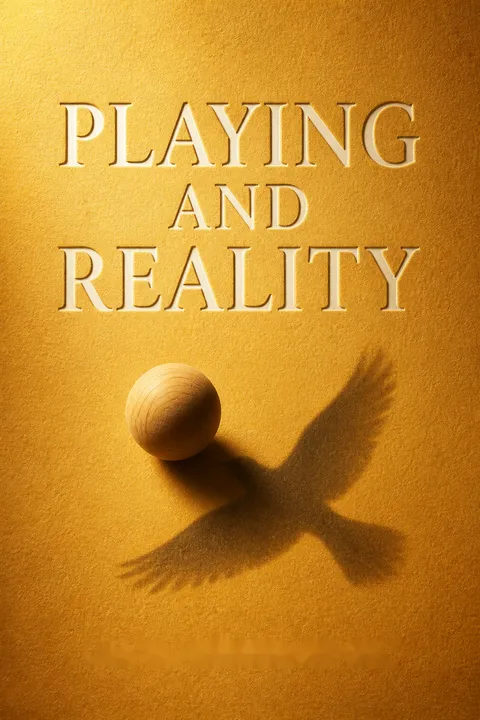

أهم النقاط
1. الأشياء الانتقالية: جسر بين العوالم الداخلية والخارجية
مساهمتي هي طلب قبول وتسامح واحترام التناقض، وعدم محاولة حله.
المجال الوسيط. توجد الأشياء الانتقالية (كالبطانية أو دمية الدب) والظواهر المصاحبة لها (كالثرثرة أو الألحان المتكررة) في فضاء وسيط حاسم بين الواقع النفسي الداخلي للرضيع والعالم الخارجي. فهي أول ممتلكات "ليست أنا" يمتلكها الطفل، وتدل على بداية إدراك وجود شيء منفصل عن الذات. هذا المجال مهم للغاية لأنه لا يُشكك فيه – فلا نسأل الطفل إن كان هو من خلق الشيء أم وجده.
تناقض الخلق. الفكرة الأساسية هي تناقض: فالطفل يخلق الشيء الانتقالي بدافع الحاجة والحب، ومع ذلك كان هذا الشيء موجودًا بالفعل في انتظار أن يُكتشف. قبول هذا التناقض ضروري للنمو الصحي. محاولة حله عقلانيًا تؤدي إلى فقدان قيمته وقد تعيق تطور القدرة على الوهم، وهي أساسية للفن والدين والحياة الإبداعية.
مصير الشيء. في الحالة الصحية، لا يُنسى الشيء الانتقالي أو يُكبَت، بل يفقد تدريجيًا معناه الخاص. تتوزع وظيفته في المجال الثقافي الأوسع، ليصبح أساسًا للتجارب المشتركة في الفن والدين والحياة الخيالية. هذه المرحلة المبكرة، التي تسهلها الأم "الجيدة بما فيه الكفاية"، تمنح الرضيع الوهم الضروري بأن دافعه الإبداعي يجد واقعًا متناغمًا معه.
2. الفضاء المحتمل: حيث يعيش اللعب والثقافة
أطرح للنقاش قيمة فكرة أن الفضاء المحتمل بين الطفل والأم هو موقع اللعب الإبداعي والتجربة الثقافية، بما في ذلك أرقى تطوراتها.
ما وراء الداخل والخارج. التجربة الإنسانية لا تقتصر على الواقع النفسي الداخلي أو العالم الخارجي المشترك فقط. هناك مجال ثالث وحيوي: الفضاء المحتمل. هذا الفضاء يوجد بين الفرد والبيئة، وينشأ من العلاقة بين الطفل والأم. هنا يبدأ اللعب ويتوسع ليشمل كامل مجال التجربة الثقافية.
مبني على الثقة. مدى وثراء هذا الفضاء المحتمل يعتمد كليًا على تجارب الحياة المبكرة، وبشكل خاص على ثقة الطفل المتزايدة في موثوقية واعتمادية شخصية الأم. هذه الثقة تسمح للطفل بتحمل فكرة الانفصال، لأن الفضاء بينهما مملوء بالنشاط الإبداعي. بدون هذا الأساس من الثقة، قد يكون الفضاء ضئيلاً أو مملوءًا بعناصر اضطهادية.
استمرارية التجربة. هذا الفضاء المحتمل هو حيث يلتقي الشيء الذاتي بالشيء المدرك موضوعيًا. هو مجال التفاعل بين الشعور بالاندماج والشعور بالانفصال. يختلف بشدة بين الأفراد، على عكس الطبيعة الثابتة نسبيًا للواقع الداخلي والخارجي، وتطوره ضروري لربط الفرد بالإرث الثقافي وتمكينه من الإسهام فيه.
3. اللعب: طريق الحياة الإبداعية واكتشاف الذات
في اللعب فقط، سواء للطفل أو البالغ، يمكن للفرد أن يكون مبدعًا ويستخدم شخصيته كاملة، وفقط من خلال الإبداع يكتشف الفرد ذاته.
جوهر الحياة. اللعب ليس مجرد تسلية؛ بل هو تجربة إبداعية أساسية ضرورية للنمو والصحة. هو الوسيلة الأساسية التي يتفاعل بها الأفراد، من الطفولة حتى البلوغ، مع العالم ويكتشفون هويتهم. اللعب يسمح باستخدام الشخصية كاملة بطريقة قد لا توفرها أنشطة أخرى.
مختلف عن الغريزة. رغم أن اللعب قد يتضمن إثارة جسدية، إلا أن جوهره لا ينبع من الدافع الغريزي أو الذروة. الإثارة تأتي من التفاعل الدقيق بين الواقع النفسي الداخلي والتلاعب بالأشياء الخارجية. إذا أصبح التحفيز الغريزي مهيمنًا، يتوقف اللعب أو يفسد. للعب متعته الخاصة، مختلفة عن الإشباع الغريزي.
جوهر علاجي. في العلاج النفسي والتحليل النفسي، اللعب مركزي. إذا لم يستطع المريض اللعب، فإن مهمة المعالج الأولى هي مساعدته على الوصول إلى حالة يصبح فيها اللعب ممكنًا. يحدث العلاج في تداخل مناطق اللعب بين المريض والمعالج. دور المعالج غالبًا هو توفير حضور موثوق يسمح للمريض باللعب، والإبداع، وفي النهاية اكتشاف الذات.
4. مرآة الأم: رؤية الذات لتأكيد الوجود
أقترح أن ما يراه الطفل عادة هو نفسه.
الانعكاس الأول. بالنسبة للرضيع المبصر، وجه الأم هو أول مرآة. عندما ينظر الطفل إلى الأم، ما يراه منعكسًا هو ذاته، بناءً على استجابة الأم الحساسة لما تراه في الطفل. هذه التجربة في أن يُرى ويُعكس هي مهمة جدًا لتطور إحساس الطفل بوجوده.
أساس الإدراك. هذه التجربة الأولى لرؤية الذات في وجه الأم تمهد الطريق للإدراك اللاحق. التسلسل هو: "عندما أنظر، أُرى، إذن أنا موجود. يمكنني الآن أن أنظر وأرى." إذا فشلت الأم باستمرار في عكس الطفل، وبدلًا من ذلك أظهرت مزاجها أو دفاعاتها فقط، يرى الطفل وجه الأم لكنه لا يرى نفسه. هذا قد يؤدي إلى التركيز على الإدراك فقط دون الفهم العميق ويعيق تطوير تبادل حيوي مع العالم.
علم الأمراض النفسي للذات غير المعكوسة. الطفل الذي لا يُعكس بشكل كافٍ قد يكبر وهو يشعر بعدم الواقعية أو الحيرة تجاه المرايا. قد يعاني من صعوبة في الشعور بأنه يُرى أو في التواصل مع صورته الذاتية. هذا الفشل في دور مرآة الأم يمكن أن يساهم في حالات انفصامية وصعوبات في تأسيس إحساس مستقر بالذات، مما يبرز الدور الحاسم للبيئة في المراحل الأولى لتطور الشخصية.
5. القدرة على "الوجود": أساس الذات
دراسة العنصر الأنثوي النقي الخالص تقودنا إلى الوجود، وهذا يشكل الأساس الوحيد لاكتشاف الذات والشعور بالكينونة...
ما وراء الفعل. الشخصية الإنسانية تضم عناصر ذكورية وأنثوية في كل فرد. بينما يرتبط العنصر الذكوري بـ"الفعل" – الدوافع الغريزية، النشاط، والتعامل مع الأشياء المنفصلة – فإن العنصر الأنثوي النقي يتعلق أساسًا بـ"الوجود". هذه القدرة على الوجود ببساطة، والشعور بالواقعية، هي الشرط الأساسي لاكتشاف الذات وتطوير الإحساس بالهوية.
التماهي الأولي. يرتبط العنصر الأنثوي بالشيء (كالثدي) ليس بفعل شيء عليه، بل بـالوجود معه، أو التماهي معه بطريقة أولية وغير غريزية. هذه التجربة من الهوية مع الشيء تؤسس لإحساس الذات. هي حالة وحدة تسبق فكرة التوحد مع كيان منفصل.
ضرورة بيئية. القدرة على "الوجود" ليست فطرية، بل تعتمد على توفير بيئي جيد بما فيه الكفاية، خصوصًا قدرة الأم على "الوجود" ببساطة وبشكل موثوق. إذا لم تستطع الأم توفير ذلك، قد ينمو الطفل بدون قدرة على الوجود أو مع إحساس معاق بالكينونة. هذا يبرز كيف أن سلوك البيئة جزء لا يتجزأ من التطور الشخصي المبكر للفرد.
6. استخدام الشيء: البقاء، الواقع، والتدمير
تدمير الشيء هو ما يضعه خارج نطاق السيطرة المطلقة للذات.
أكثر من مجرد علاقة. استخدام الشيء هو إنجاز تطوري أكثر تعقيدًا من مجرد العلاقة به. العلاقة قد تكون مع شيء ذاتي (مشروع)، لكن استخدام الشيء يتطلب إدراكه كشيء حقيقي، خارجي، وجزء من الواقع المشترك. هذا الانتقال ضروري للتفاعل مع العالم كما هو حقًا.
دور التدمير. الخطوة الصعبة بين العلاقة والاستخدام هي وضع الذات للشيء خارج سيطرتها المطلقة. يحدث ذلك من خلال دافع الذات لتدمير الشيء (في الخيال اللاواعي). لكي يكون الشيء قابلًا للاستخدام، يجب أن يبقى بعد هذا التدمير. بقاء الشيء (أي أنه لا ينتقم أو يتغير) يؤكد وجوده المستقل وواقعيته.
أساس للواقع والحب. بقاء الشيء بعد دافع التدمير هو ما يرسخه في الواقع الخارجي. هذا التدمير اللاواعي المستمر يصبح الخلفية الضرورية لحب شيء خارجي حقيقي. بدون هذه التجربة، يبقى الشيء ظاهرة ذاتية، ولا يستطيع الفرد استخدامه أو التفاعل مع عالم الواقع المشترك حقًا.
7. الحلم مقابل الخيال: التجربة الحقيقية مقابل الدفاع المنفصل
بالمقابل، يبقى الخيال ظاهرة معزولة، يمتص الطاقة لكنه لا يساهم – لا في الحلم ولا في الحياة.
تجربة متكاملة. الحلم مرتبط بعمق بالواقع النفسي الداخلي والعالم الخارجي. يعالج تجارب الحياة ويساهم في إحساس الفرد بالذات والعلاقة بالأشياء. يُنظر إلى الحلم والحياة على أنهما من نفس النوع، يغنيان بعضهما البعض بطرق معقدة معروفة في التحليل النفسي.
ثابت ومعزول. الخيال (التخيل اليقظ)، بالمقابل، غالبًا ما يكون حالة منفصلة. يمتص الطاقة الذهنية لكنه يبقى ثابتًا ومعزولًا، ويفشل في الإسهام بشكل ذي معنى في الحلم أو الحياة الحقيقية. قد يكون دفاعًا ضد الانخراط في الواقع أو الشعور بشدة التجربة الداخلية، أحيانًا ناشئًا عن صدمة مبكرة أو حاجة للحفاظ على القدرة المطلقة في عالم مخفي.
التمييز السريري. رغم دقته، فإن الفرق مهم سريريًا. يمكن تفسير مادة الحلم والعمل عليها، كاشفة طبقات من المعنى مرتبطة بحياة المريض. أما الخيال، كونه منفصلًا، غالبًا ما يكون غير متاح أو بلا معنى في التحليل، ممثلًا حالة "عدم الفعل" مع انشغال داخلي ظاهري، مما يعيق الانخراط الحقيقي والنمو.
8. العناصر الذكورية والأنثوية: طرق مختلفة للعلاقة والوجود
العنصر الذكوري يفعل، بينما العنصر الأنثوي (في الذكور والإناث) يكون.
عناصر عالمية. توجد العناصر الذكورية والأنثوية في كل شخص، بغض النظر عن الجنس البيولوجي. تمثل هذه العناصر أنماطًا أساسية للعلاقة مع العالم والأشياء. فهم طبيعتها المميزة هو مفتاح لفهم تعقيدات تطور الشخصية والاضطرابات النفسية.
الفعل مقابل الوجود. يتميز العنصر الذكوري بـ"الفعل". علاقته بالأشياء مدعومة بالدوافع الغريزية (كالإيروتيكية الفموية، السادية، وغيرها) وتتضمن التفاعل مع أشياء تُدرك كمنفصلة. أما العنصر الأنثوي، فيتميز بـ"الوجود". نمطه الأساسي للعلاقة هو التماهي مع الشيء (كونه الثدي)، مؤسسًا لإحساس الوجود والذات.
الانفصال والصحة. رغم أنه من المثالي دمج هذه العناصر، إلا أنها قد تكون منفصلة بشدة. الانفصال الحاد، غالبًا ما يكون متجذرًا في إخفاقات بيئية مبكرة (كعدم قدرة الأم على رؤية طفلها الذكر كذكر)، قد يؤدي إلى صعوبات كبيرة في العلاقة، ارتباك الهوية، وأشكال محددة من الاضطرابات النفسية. التطور الصحي يتطلب دمج هذه العناصر، مما يسمح بالمشاركة الغريزية ("الفعل") وإحساس مستقر بالذات ("الوجود").
9. التفاعل المتبادل: ما بعد الغريزة إلى التماهي
تطورت الآن قدرة جديدة على العلاقة مع الأشياء، تعتمد على تبادل بين الواقع الخارجي وعينات من الواقع النفسي الشخصي.
العلاقة بعد "أنا موجود". بعد أن يحقق الفرد إحساسًا بالوحدة ("أنا موجود") ويؤسس واقعًا نفسيًا داخليًا (حول الوضع الاكتئابي)، تظهر قدرة جديدة ومتطورة على العلاقة مع الأشياء. تتجاوز هذه القدرة العلاقة المدعومة بالغريزة أو التماهي الأولي. إنها تتضمن تبادلًا ديناميكيًا بين العالم الداخلي والواقع الخارجي.
آليات الاتصال. تعتمد هذه القدرة الجديدة على تأسيس واستخدام آليات التماهي الانعكاسي والإسقاطي. تسمح للفرد بأن "يقف في مكان الآخر"، أن يشعر بالاهتمام بالآخرين، وأن يشعر بأن الآخرين قادرون على فهمه. هذا النوع من العلاقة أقرب إلى العاطفة والتعاطف منه إلى الدافع الغريزي الخام.
الأهمية السريرية. صعوبات استخدام هذه الآليات قد تؤدي إلى مشاكل كبيرة في العلاقات بين الأشخاص، مثل عدم القدرة على الشعور بالاهتمام، نقص التعاطف، أو الشعور بعدم الفهم أو الاغتراب الأساسي. غالبًا ما يتضمن العمل العلاجي مساعدة المرضى على تطوير أو تقوية هذه القدرة على التماهي المتبادل، مما يمكنهم من إقامة علاقات أغنى وأكثر اتصالًا مع الآخرين الذين يُدركون كأفراد منفصلين ومعقدين.
ملخص المراجعات
يُعتبر كتاب "اللعب والواقع" للدكتور د. و. وينيكوت من الكتب المهمة التي تقدم رؤى عميقة في مجال نمو الطفل، والإبداع، والتحليل النفسي. يشيد النقاد بمفاهيم وينيكوت حول الأشياء الانتقالية، واللعب، ودور الوالد "الكافي الجيد". يجد الكثيرون في هذا الكتاب عمقًا وتأثيرًا كبيرًا على حياتهم، لا سيما المعالجون النفسيون والمهتمون بعلم النفس. ومع ذلك، ينتقد البعض اللغة القديمة المستخدمة، والمصطلحات التحليلية المعقدة، وقلة الأدلة التجريبية الداعمة. ورغم هذه الملاحظات، يثمن معظم القراء وجهة نظر وينيكوت الفريدة حول نمو الإنسان وأهمية الإبداع في حياة ذات معنى.
قرأ الآخرون أيضًا




الأسئلة الشائعة
1. What is "Playing and Reality" by D.W. Winnicott about?
- Exploration of Transitional Phenomena: The book investigates the concept of "transitional objects" and "transitional phenomena," focusing on the intermediate area between a child's inner reality and the external world.
- Developmental Psychology and Psychoanalysis: Winnicott draws from his experience as a pediatrician and psychoanalyst to discuss how play, creativity, and cultural experience emerge in early childhood and continue to shape adult life.
- The Role of Play: Central to the book is the idea that play is fundamental to emotional development, creativity, and the sense of self.
- Cultural and Clinical Implications: The book extends its analysis to the significance of cultural experience, the therapeutic process, and the development of individuality.
2. Why should I read "Playing and Reality" by D.W. Winnicott?
- Foundational Psychoanalytic Concepts: The book introduces and elaborates on key ideas like transitional objects, the potential space, and the importance of play, which are now foundational in psychoanalytic and developmental theory.
- Insight into Creativity and Self: Winnicott’s work offers a profound understanding of how creativity, play, and cultural engagement are essential for a fulfilling and authentic life.
- Clinical Relevance: Therapists, educators, and parents can gain practical insights into child development, the therapeutic process, and the roots of psychological health and pathology.
- Accessible and Rich Case Studies: The book is filled with clinical examples and real-life observations, making complex theories relatable and applicable.
3. What are the key takeaways from "Playing and Reality" by D.W. Winnicott?
- Transitional Objects Bridge Worlds: Objects like blankets or teddy bears help children transition from subjective omnipotence to recognizing external reality.
- Play as a Developmental Space: Play occurs in a "potential space" between inner and outer reality, fostering creativity, self-discovery, and cultural experience.
- Creativity is Essential to Living: Living creatively, not just complying with external demands, is central to feeling life is worth living.
- Therapeutic Implications: Psychotherapy is most effective when it enables patients to play, be creative, and use the therapist as a real object, not just a projection.
4. What are transitional objects and transitional phenomena according to "Playing and Reality"?
- Definition of Transitional Objects: Transitional objects are items (like a blanket or teddy bear) that a child uses to navigate the space between self and other, or inner and outer reality.
- Transitional Phenomena: These are behaviors and experiences (such as thumb-sucking, babbling, or playing with objects) that occur in the intermediate area between subjective experience and objective reality.
- Function in Development: Transitional objects and phenomena help the child gradually accept the separateness of the external world while maintaining a sense of continuity and security.
- Not Just Symbolic: The value of the transitional object lies not only in its symbolic meaning but in its actual use and the paradox it embodies—being both created by the child and existing independently.
5. How does D.W. Winnicott define "play" in "Playing and Reality"?
- Play as a Potential Space: Play takes place in a "potential space" between the child and the caregiver, neither wholly internal nor external.
- Foundation for Creativity: Play is the basis for creativity, cultural experience, and the development of the self.
- Distinct from Instinctual Activity: Winnicott distinguishes play from activities driven by instinct or mere compliance; play is inherently creative and satisfying.
- Therapeutic and Developmental Role: The ability to play is a sign of psychological health, and therapy aims to restore or enable play when it is absent.
6. What is the "potential space" in "Playing and Reality" by D.W. Winnicott?
- Intermediate Area of Experience: The potential space is the area between the individual and the environment, where play, creativity, and cultural experience occur.
- Origin in Early Relationships: It develops from the relationship between the baby and the "good-enough" mother, who provides a reliable environment for the child to explore.
- Location of Cultural Experience: Winnicott locates cultural experience, play, and transitional phenomena in this space, which is neither purely internal nor external.
- Variable Among Individuals: The size and richness of the potential space depend on early experiences of trust and reliability in caregivers.
7. How does "Playing and Reality" by D.W. Winnicott explain the development of the self?
- Creativity and Being: The self is discovered and affirmed through creative activity, especially in play, rather than through compliance or external achievement.
- Search for the Self: Many people seek their self in creative products, but true selfhood is found in the experience of being, not just doing.
- Role of the Environment: A "good-enough" environment is necessary for the child to relax, play, and eventually discover the self.
- Therapeutic Implications: Therapy provides a setting where formless, non-purposive experience can lead to creative impulses and self-discovery.
8. What is the significance of creativity in "Playing and Reality" by D.W. Winnicott?
- Creativity as a Way of Living: Creativity is not limited to artistic production but is a way of engaging with the world that makes life feel real and meaningful.
- Contrast with Compliance: Living creatively is contrasted with living in compliance, which leads to a sense of futility and lack of meaning.
- Universal Human Capacity: Creativity is seen as a universal human potential, present in all healthy individuals, not just artists.
- Threats to Creativity: Environmental failures, trauma, or excessive compliance can stifle creativity, leading to psychological distress or illness.
9. How does "Playing and Reality" by D.W. Winnicott describe the use of objects and object-relating?
- From Relating to Using: Winnicott distinguishes between relating to objects (which can be subjective) and using objects (which requires recognizing their independent existence).
- Destruction and Survival: The transition to using an object involves the child "destroying" the object in fantasy and experiencing its survival, which confirms its reality.
- Therapeutic Application: In therapy, the patient must be able to use the analyst as a real object, surviving the patient’s destructive impulses, for deep change to occur.
- Developmental Milestone: The capacity to use objects is a sophisticated achievement, dependent on both maturation and a facilitating environment.
10. What is the role of the mother and family in child development according to "Playing and Reality"?
- Mirror Role of the Mother: The mother’s face acts as a mirror, reflecting the baby’s self back to them and supporting the development of self-awareness.
- Holding, Handling, Object-Presenting: The mother provides holding (physical and emotional support), handling (care), and object-presenting (introducing the world), all crucial for healthy development.
- Family as Ongoing Mirror: As the child grows, the family continues to reflect the child’s self, supporting identity and self-esteem.
- Pathology of Non-Reflection: If the mother or family fails to reflect the child’s self, the child may develop a sense of unreality or seek self-reflection elsewhere.
11. How does "Playing and Reality" by D.W. Winnicott address adolescence and the transition to maturity?
- Adolescence as a Crisis of Growth: Adolescence involves a re-enactment of earlier developmental struggles, including issues of dependence, independence, and aggression.
- Role of the Family and Society: The family and society must provide containment and not abdicate responsibility, allowing adolescents to mature at their own pace.
- Immaturity as Potential: Winnicott values the immaturity of adolescence as a source of creativity, idealism, and new ideas, which should not be prematurely foreclosed.
- Dangers of False Maturity: Forcing adolescents into adult roles too soon can stifle their development and lead to psychological problems.
12. What are the best quotes from "Playing and Reality" by D.W. Winnicott and what do they mean?
- "It is in playing and only in playing that the individual child or adult is able to be creative and to use the whole personality, and it is only in being creative that the individual discovers the self."
- This quote encapsulates Winnicott’s central thesis: play is the foundation of creativity and self-discovery.
- "The potential space between baby and mother, between child and family, between individual and society or the world, depends on experience which leads to trust."
- Here, Winnicott highlights the importance of early relationships in creating the space for play, culture, and personal growth.
- "The object is a symbol of the union of the baby and the mother (or part of the mother). This symbol can be located."
- This quote explains the transitional object as a symbol of the child's evolving relationship with the mother and the world.
- "Creativity is the universal, and it belongs to health."
- Winnicott asserts that creativity is not a rare gift but a fundamental aspect of healthy living.
- "Psychotherapy takes place in the overlap of two areas of playing, that of the patient and that of the therapist."
- This statement redefines therapy as a shared creative process, not just interpretation or analysis.
تحميل PDF
تحميل EPUB
.epub digital book format is ideal for reading ebooks on phones, tablets, and e-readers.








































