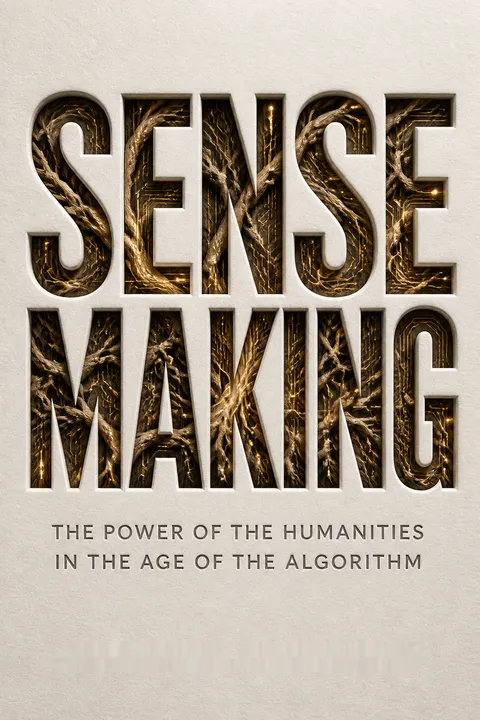

أهم النقاط
1. صناعة المعنى: فن البحث الثقافي في عالم تحكمه البيانات
صناعة المعنى هي منهجية حكمة عملية متجذرة في العلوم الإنسانية.
فهم شامل. تُعد صناعة المعنى نهجًا يجمع بين البحث الثقافي، والبحث النوعي، والتفكير القائم على العلوم الإنسانية، بهدف الوصول إلى رؤى أعمق حول السلوك البشري والسياقات الاجتماعية. وهو نهج يتناقض مع الأساليب التحليلية المختزلة المعتمدة على البيانات التي تهيمن على عالم الأعمال والتكنولوجيا اليوم.
خمسة مبادئ لصناعة المعنى:
- الثقافة — لا الأفراد فقط
- البيانات الغنية — لا البيانات السطحية فقط
- السافانا — لا حديقة الحيوان
- الإبداع — لا التصنيع
- النجم القطبي — لا نظام تحديد المواقع
يؤكد هذا النهج على أهمية فهم المعاني الثقافية المشتركة، والمعلومات السياقية الغنية، والملاحظات الواقعية، والرؤى الإبداعية، والمنظورات الشاملة في تفسير الظواهر الإنسانية المعقدة.
2. حدود التفكير الخوارزمي في وادي السيليكون
عندما نركز فقط على البيانات الصلبة وأساليب العلوم الطبيعية — وعندما نحاول قياس السلوك البشري كأنه مجرد جسيمات أو أدوات — فإننا نفقد حساسيتنا تجاه جميع أشكال المعرفة التي لا تعتمد على التبسيط.
نقد الرؤية التقنية المحورية. يرى المؤلف أن عقلية وادي السيليكون، التي تركز على الخوارزميات والبيانات الضخمة والابتكار المزعزع، غالبًا ما تفشل في استيعاب تعقيدات التجربة الإنسانية والسياق الثقافي.
قيود التفكير الخوارزمي:
- الاعتماد المفرط على البيانات الكمية
- إهمال المعرفة الثقافية والتاريخية
- الافتراض بأن كل المشكلات يمكن حلها بالتكنولوجيا
- تجاهل قيمة التعليم القائم على العلوم الإنسانية
هذا التركيز الضيق على المعرفة العلمية والتكنولوجية قد يؤدي إلى فهم سطحي للسلوك البشري والتحديات المجتمعية، مما قد ينتج عنه استراتيجيات ومنتجات غير ملائمة.
3. فهم الثقافات، لا الأفراد فقط
نحن جميعًا موجودون ضمن سياق معين. وإذا أردنا فهم السلوك البشري، فعلينا فهم السياق، وهو حجة لصالح النظرة الشاملة مقابل النظرة المجزأة.
عوالم مشتركة وممارسات خلفية. يؤكد المؤلف على أهمية دراسة الثقافات والسياقات الاجتماعية بدلاً من التركيز فقط على سلوكيات الأفراد أو تفضيلاتهم. هذا النهج، المستند إلى الفينومينولوجيا والنظرية الاجتماعية، يكشف عن المعاني والممارسات المشتركة التي تشكل التجربة الإنسانية.
مفاهيم رئيسية:
- الممارسات الخلفية: القواعد والافتراضات غير المعلنة التي تحكم السلوك في ثقافة معينة
- سلاسل المعنى: الشبكة المترابطة من المعاني التي تحملها الأشياء والأفعال ضمن السياق الثقافي
- العوالم: الواقع الاجتماعي المشترك الذي يعيش فيه الناس ويصنعون من خلاله معاني تجاربهم
من خلال فهم هذه الأبعاد الثقافية، يمكن للمنظمات أن تكتسب رؤى أعمق عن عملائها وموظفيها وأصحاب المصلحة، مما يؤدي إلى استراتيجيات وحلول أكثر فاعلية.
4. قوة البيانات الغنية في كشف الحقائق الإنسانية
البيانات الغنية لا تلتقط الحقائق فقط، بل تلتقط سياق تلك الحقائق.
معلومات سياقية غنية. تشير البيانات الغنية إلى المعلومات النوعية والسياقية التي تضفي عمقًا ومعنى على نقاط البيانات الكمية. تساعد هذه البيانات في الكشف عن "لماذا" وراء السلوك البشري والظواهر الثقافية.
أربعة أنواع من المعرفة:
- المعرفة الموضوعية: الحقائق القابلة للقياس والتحقق
- المعرفة الذاتية: الآراء والمشاعر الشخصية
- المعرفة المشتركة: الفهم الثقافي والمعايير الاجتماعية
- المعرفة الحسية: الطرق الجسدية والحدسية للمعرفة
من خلال دمج هذه الأنواع المختلفة من المعرفة، يستطيع صانعو المعنى تطوير فهم أكثر دقة وشمولية للسلوك البشري والسياقات الاجتماعية. هذا النهج يتيح رؤى تتجاوز الملاحظات السطحية والارتباطات الإحصائية، كاشفًا عن حقائق أعمق حول التجربة والدوافع الإنسانية.
5. الانغماس في السياقات الواقعية: السافانا، لا حديقة الحيوان
عد إلى "الشيء ذاته". بدلاً من مشاهدة الأسود تأكل من وعاء في قفص، اخرج وراقبها وهي تصطاد في السافانا. اهرب من حديقة الحيوان.
الملاحظة في العالم الحقيقي. يدعو المؤلف إلى الانغماس في السياقات الحقيقية التي يحدث فيها السلوك البشري، بدلاً من الاعتماد على البيئات المضبوطة أو البيانات المجردة.
فوائد الانغماس في الواقع:
- كشف أنماط وروابط غير متوقعة
- توفير معلومات سياقية غنية
- تمكين فهم شامل للظواهر
- تحدي الافتراضات المسبقة
يستلهم هذا النهج من الفينومينولوجيا، ويؤكد على أهمية التجربة والملاحظة المباشرة لفهم السلوك البشري والظواهر الثقافية. ويشجع الباحثين وصناع القرار على الخروج من مناطق الراحة والتفاعل مع تعقيدات الواقع.
6. الإبداع كحالة استقبال، لا إرادة مصنعة
الأفكار تشبه الهدايا التي يمنحها لنا العالم، لا إبداعات نستدعيها بقوة الإرادة عند الحاجة.
حالة استقبال الإبداع. يرى المؤلف أن الإبداع الحقيقي ينبثق من حالة من الانفتاح والاستقبال، وليس من عمليات قسرية أو تقنيات عصف ذهني خطية.
سمات النعمة الإبداعية:
- الانفتاح على الرؤى غير المتوقعة
- الانغماس في موضوع البحث
- القدرة على دمج معلومات متنوعة
- الاستعداد للمعرفة الحدسية
يتناقض هذا النهج مع نموذج "التفكير التصميمي" الشائع في العديد من الصناعات، الذي ينتقده المؤلف لكونه مفرط التقييد ومنفصل عن السياقات الواقعية. بدلاً من ذلك، تشجع صناعة المعنى على تنمية فهم عميق للموضوع والبقاء منفتحين على الروابط والرؤى غير المتوقعة.
7. القيادة من خلال المنظور، لا نقاط البيانات فقط
تعلمنا صناعة المعنى أين نوجه انتباهنا. لا نحاول معرفة كل شيء، بل نعمل على فهم شيء معين.
تنمية المنظور. تتطلب القيادة الفعالة في بيئات معقدة تطوير منظور دقيق يتجاوز تحليل البيانات فقط. يشمل ذلك دمج أشكال المعرفة المتنوعة وتطوير فهم شامل للوضع.
مهارات القيادة الأساسية:
- التفسير الثقافي
- الحدس الاجتماعي
- التعاطف التحليلي
- الحكم الجمالي
من خلال تنمية هذه المهارات، يمكن للقادة التنقل بفعالية في المواقف المعقدة، واتخاذ قرارات تأخذ في الاعتبار الديناميات الثقافية والاجتماعية الدقيقة. يتيح هذا النهج حلولًا أكثر ابتكارًا وملاءمة للسياق.
8. إتقان صناعة المعنى: أن تصبح خبيرًا ثقافيًا
الإتقان — المعرفة — هو طريقة للتنقل عبر جسد من المعرفة.
تطوير الخبرة الثقافية. يصف المؤلف عملية أن تصبح "خبيرًا" في المعرفة الثقافية، قادرًا على التنقل في المشاهد الاجتماعية والثقافية المعقدة بمهارة وبصيرة.
مراحل إتقان صناعة المعنى:
- تطوير فئات تحليلية للظواهر الاجتماعية والثقافية
- التعرف على الأنماط والعلاقات الدقيقة
- تنمية الحكم الجمالي ومهارات التفسير
- تطبيق الرؤى للتنقل في المواقف المعقدة
تتطلب هذه العملية تعلمًا مستمرًا، وتأملًا، وتفاعلًا مع سياقات ثقافية متنوعة. من خلال تطوير هذه المهارات، يمكن للأفراد والمنظمات أن يصبحوا أكثر قدرة على فهم والتعامل مع الديناميات الإنسانية المعقدة التي تشكل عالمنا.
ملخص المراجعات
يؤكد كتاب "صنع المعنى" على أهمية العلوم الإنسانية والسياق في عملية اتخاذ القرار، مبرزًا الفرق بين هذا النهج والطرق المعتمدة على البيانات فقط. وقد وجد المراجعون أن نقد الكتاب للبيانات الضخمة والخوارزميات كان عميقًا وذو قيمة، مع تقدير خاص لتركيزه على الفهم الثقافي. كما أشاد البعض بالأمثلة الواقعية والتأثيرات العملية على عالم الأعمال، في حين رأى آخرون أن بعض الحجج كانت متكررة أو تفتقر إلى الدعم الكافي. وقد أثار موقف الكتاب من التفكير التصميمي وثقافة وادي السيليكون جدلاً واسعًا. وبشكل عام، اعتبر القراء أن الكتاب يثير التفكير، رغم اختلاف الآراء حول مدى نجاحه في تقديم أفكاره الأساسية.
قرأ الآخرون أيضًا








الأسئلة الشائعة
1. What is "Sensemaking: The Power of the Humanities in the Age of the Algorithm" by Christian Madsbjerg about?
- Humanities vs. Algorithms: The book argues for the enduring value of the humanities—literature, philosophy, history, art—in understanding people and culture, especially as society becomes increasingly obsessed with data, algorithms, and STEM fields.
- Sensemaking Defined: Madsbjerg introduces "sensemaking" as a rigorous, humanities-based practice of cultural inquiry that helps individuals and organizations interpret complex human behavior and make better decisions.
- Critique of Data-Driven Culture: The author critiques the overreliance on big data and algorithmic thinking, showing how it often fails to capture the richness and unpredictability of human life.
- Practical Application: Through case studies and stories from business, politics, and daily life, the book demonstrates how sensemaking leads to deeper insights and more effective leadership.
2. Why should I read "Sensemaking" by Christian Madsbjerg?
- Relevance in a Data-Driven World: The book addresses the growing dominance of data and algorithms in business, education, and society, making it essential reading for anyone navigating these changes.
- Career and Leadership Insights: Madsbjerg shows that the most successful leaders often have backgrounds in the humanities, offering a counter-narrative to the STEM-only approach to career success.
- Practical Tools: Readers gain actionable frameworks for understanding culture, interpreting complex situations, and making better decisions in business and beyond.
- Restoring Human Perspective: The book is a call to reclaim the human factor in organizations, innovation, and leadership, making it valuable for anyone interested in critical thinking and empathy.
3. What are the key takeaways from "Sensemaking" by Christian Madsbjerg?
- Humanities Are Essential: Training in the humanities is not just relevant but crucial for leadership, innovation, and understanding people.
- Limitations of Big Data: Data and algorithms can’t fully explain or predict human behavior; context, culture, and qualitative insights are indispensable.
- Sensemaking as a Method: The practice of sensemaking—deep cultural engagement, empathy, and pattern recognition—yields better insights than reductionist, quantitative approaches.
- Leadership Requires Perspective: The best leaders synthesize multiple types of knowledge and care deeply about the worlds they operate in.
4. How does Christian Madsbjerg define "sensemaking" in the book?
- Ancient Practice, Modern Need: Sensemaking is described as an ancient, humanities-based practice of cultural inquiry, updated for the challenges of the algorithmic age.
- Practical Wisdom (Phronesis): It involves practical wisdom—phronesis—combining knowledge and experience to interpret complex, ambiguous situations.
- Five Principles: The method is built on five principles: Culture—not individuals; Thick data—not just thin data; The savannah—not the zoo; Creativity—not manufacturing; The North Star—not the GPS.
- Deep Engagement: Sensemaking requires rigorous, sustained engagement with culture, empathy, and the ability to see patterns and meaning in context.
5. What are the "Five Principles of Sensemaking" in "Sensemaking" by Christian Madsbjerg?
- Culture—not Individuals: Focus on understanding shared worlds and social contexts, not just individual opinions or behaviors.
- Thick Data—not Just Thin Data: Value rich, contextual, qualitative data (stories, moods, rituals) over abstract, quantitative data points.
- The Savannah—not the Zoo: Study people in their natural, lived environments, not in artificial or abstracted settings.
- Creativity—not Manufacturing: Embrace abductive, creative reasoning and openness to new insights, rather than rigid, linear problem-solving.
- The North Star—not the GPS: Use sensemaking to develop perspective and direction, rather than relying solely on step-by-step, algorithmic guidance.
6. How does "Sensemaking" by Christian Madsbjerg critique the dominance of big data and algorithmic thinking?
- Reductionism Warning: The book warns that reducing human behavior to data points strips away context, meaning, and unpredictability.
- False Objectivity: Madsbjerg argues that big data often gives the illusion of objectivity and certainty, but lacks explanatory power and insight into "why" things happen.
- Case Studies of Failure: Examples like Google Flu Trends and failed market research show how data-driven approaches can miss the real drivers of human behavior.
- Need for Interpretation: The author insists that data must be interpreted through human judgment, cultural understanding, and critical thinking.
7. What is the difference between "thick data" and "thin data" in "Sensemaking" by Christian Madsbjerg?
- Thick Data: Refers to rich, qualitative, contextual information—stories, moods, rituals, sensory experiences—that reveal the meaning behind behaviors.
- Thin Data: Consists of quantitative, abstract, decontextualized data points—clicks, purchases, survey responses—that lack depth and context.
- Importance of Thick Data: Madsbjerg argues that thick data is essential for understanding culture, making sense of complex situations, and making better decisions.
- Integration Needed: While thin data has its place, it must be complemented by thick data to achieve true insight.
8. How does "Sensemaking" by Christian Madsbjerg apply to business and leadership?
- Case Studies: The book features examples from Ford, luxury car brands, supermarkets, and hedge funds, showing how sensemaking leads to better products, strategies, and market insights.
- Leadership Skills: Successful leaders use sensemaking to interpret complex environments, understand customers, and anticipate change.
- Organizational Culture: Sensemaking helps organizations move beyond siloed, reductionist thinking to holistic, empathetic understanding of their markets and employees.
- Competitive Advantage: Companies that practice sensemaking are better equipped to innovate, adapt, and thrive in uncertain environments.
9. What role do the humanities play in "Sensemaking" by Christian Madsbjerg, and why are they important?
- Training for Perspective: The humanities train people to synthesize information, empathize with others, and see patterns in culture and history.
- Critical Thinking: Disciplines like literature, philosophy, and history foster critical thinking, creativity, and the ability to question assumptions.
- Leadership and Innovation: Many top leaders and innovators have humanities backgrounds, which help them navigate ambiguity and complexity.
- Cultural Engagement: The humanities provide the tools for deep cultural engagement, which is essential for sensemaking and effective decision-making.
10. What are some real-world examples or case studies from "Sensemaking" by Christian Madsbjerg?
- Ford and Lincoln: Ford used sensemaking to reimagine the Lincoln luxury brand by understanding the cultural worlds of new customers in China, India, and Russia.
- George Soros and Hedge Funds: Soros and his team used thick data and sensemaking to make successful, high-stakes bets in currency markets.
- Supermarkets and Cooking: A European supermarket chain increased revenue by understanding the moods and rituals of cooking, not just shopping habits.
- Healthcare and Aging: A Scandinavian insurance company improved customer retention by studying the lived experience of aging, not just financial data.
11. How does "Sensemaking" by Christian Madsbjerg suggest we cultivate creativity and insight?
- Abductive Reasoning: Emphasizes the importance of abductive (creative, non-linear) reasoning over deductive or inductive logic for generating new ideas.
- Immersion and Openness: Encourages deep immersion in context, openness to new experiences, and the willingness to sit with uncertainty and doubt.
- Letting Go of Control: Creativity is described as a state of grace—insights come through us, not from us, and cannot be forced by will alone.
- Pattern Recognition: The more we engage with culture, art, and theory, the more "furnished" our minds are for recognizing meaningful patterns and making creative leaps.
12. What are the best quotes from "Sensemaking" by Christian Madsbjerg, and what do they mean?
- "We are in grave danger of completely eroding our sense of the human world in favor of these false abstractions." — Warns against losing touch with real human experience by overvaluing data and models.
- "Sensemaking is a method of practical wisdom grounded in the humanities." — Highlights the book’s central thesis that practical, context-sensitive wisdom comes from humanities-based inquiry.
- "We learn to navigate through the rich reality of our world, developing a finely honed perspective on where we are and where we are headed." — Emphasizes the importance of perspective and navigation over rigid, step-by-step solutions.
- "Without care, everything is 'correct' and nothing is 'true.'" — Stresses that meaning and value come from caring about context, not just following procedures or optimizing for efficiency.
- "People are for making and interpreting meaning." — Summarizes the book’s ultimate answer to the question of human purpose in an age of algorithms.

تحميل PDF
تحميل EPUB
.epub digital book format is ideal for reading ebooks on phones, tablets, and e-readers.








































