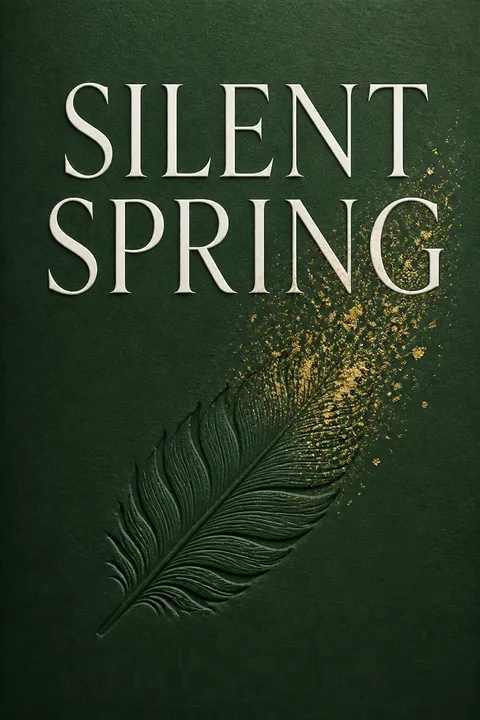

أهم النقاط
1. الربيع الصامت: نداء استيقاظ على دمار البيئة
"كان هناك سكون غريب. الطيور، على سبيل المثال – أين اختفت؟ تحدث الكثيرون عنها بحيرة واضطراب. محطات التغذية في الحدائق الخلفية كانت مهجورة. الطيور القليلة التي شوهدت كانت على وشك الموت؛ ترتجف بعنف ولا تستطيع الطيران. كان ربيعًا بلا أصوات."
سيناريو مروع. تبدأ كارسون كتابها بسرد خيالي لكنه واقعي جدًا لمدينة اختفت فيها كل أشكال الحياة. هذه الصورة القوية تمهد الطريق لاستكشافها الآثار المدمرة للمبيدات الحشرية على البيئة.
استعارة الربيع الصامت. من خلال التركيز على غياب تغريد الطيور، تبرز كارسون الترابط العميق بين النظم البيئية والعواقب البعيدة المدى لأفعال الإنسان. هذا الغياب يمثل رمزًا مخيفًا للمستقبل المحتمل الذي نواجهه إذا استمررنا في استخدام المواد الكيميائية بشكل عشوائي.
نداء للعمل. من خلال هذا الافتتاح، تحث كارسون القراء على إدراك خطورة الوضع والحاجة الملحة لتغيير فوري في نهجنا تجاه مكافحة الآفات وحماية البيئة.
2. التهديد الشامل للمبيدات الصناعية
"لأول مرة في تاريخ العالم، يتعرض كل إنسان الآن للاتصال بمواد كيميائية خطيرة، من لحظة التكوين وحتى الموت."
تلوث شامل. تكشف كارسون عن مدى انتشار المبيدات الصناعية في كل جانب من جوانب بيئتنا. هذه المواد الكيميائية موجودة في:
- الهواء الذي نتنفسه
- الماء الذي نشربه
- الطعام الذي نأكله
- التربة تحت أقدامنا
التراكم الحيوي والتكبير الحيوي. تشرح الكاتبة كيف تتراكم هذه المواد الكيميائية المستمرة في الكائنات الحية وتتركز مع انتقالها في السلسلة الغذائية، مما يؤدي إلى عواقب مدمرة محتملة للحيوانات المفترسة العليا، بما في ذلك الإنسان.
الاستمرارية طويلة الأمد. العديد من هذه المبيدات الصناعية، خاصة الهيدروكربونات المكلورة مثل الـ DDT، تبقى في البيئة لسنوات أو حتى عقود، مما يخلق إرثًا سامًا يدوم ويؤثر على الأجيال القادمة.
3. تلوث المياه: من السطح إلى الأعماق
"أن نخاطر بكل هذا في محاولاتنا لتشكيل الطبيعة حسب رغبتنا، ثم نفشل في تحقيق هدفنا، سيكون حقًا السخرية النهائية. ومع ذلك، يبدو أن هذا هو وضعنا."
تلوث واسع للمياه. توضح كارسون كيف تلوث المبيدات المياه السطحية والجوفية، مما يشكل تهديدًا شاملاً للنظم البيئية المائية وصحة الإنسان. يحدث هذا التلوث من خلال:
- التطبيق المباشر على المسطحات المائية
- الجريان السطحي من الأراضي الزراعية المعالجة
- الترسيب الجوي
آثار مدمرة على الحياة المائية. تقدم الكاتبة العديد من الأمثلة على نفوق الأسماك وتراجع أنواع مختلفة من الكائنات المائية بسبب تلوث المبيدات، مما يبرز هشاشة هذه النظم البيئية.
مخاطر صحية للإنسان. تؤكد كارسون على الأخطار المحتملة لصحة الإنسان من مصادر مياه الشرب الملوثة، مشددة على قصور عمليات معالجة المياه في إزالة هذه المواد الكيميائية المستمرة.
4. بيئة التربة: العالم الخفي تحت أقدامنا
"الطبقة الرقيقة من التربة التي تغطي بقعًا متفرقة من القارات تتحكم في وجودنا ووجود كل حيوان بري آخر."
شبكة الغذاء في التربة. تعرف كارسون القراء على النظام البيئي المعقد والحيوي الموجود في التربة، مؤكدة على دوره الحاسم في دعم كل أشكال الحياة البرية. يشمل ذلك:
- الكائنات الدقيقة (بكتيريا، فطريات، طحالب)
- اللافقاريات (دود الأرض، الحشرات، الخيطيات)
- جذور النباتات
تأثيرات المبيدات على صحة التربة. تشرح الكاتبة كيف تعطل المبيدات هذا التوازن الدقيق، فتقتل الكائنات المفيدة وتغير كيمياء التربة، مما يؤدي في النهاية إلى انخفاض خصوبتها وزيادة الاعتماد على المدخلات الكيميائية.
العواقب طويلة الأمد. تحذر كارسون من أن تدمير نظم التربة قد يكون له تأثيرات بعيدة المدى على الزراعة، التنوع البيولوجي، والأمن الغذائي العالمي.
5. العواقب غير المقصودة للسيطرة الكيميائية
"أدخلت الطبيعة تنوعًا كبيرًا في المشهد، لكن الإنسان أظهر شغفًا بتبسيطه."
الاضطراب البيئي. توضح كارسون كيف أن المبيدات واسعة الطيف غالبًا ما تقتل الحشرات المفيدة إلى جانب الآفات، مما يؤدي إلى عواقب غير متوقعة مثل:
- عودة الآفات
- تفشي الآفات الثانوية
- انخفاض السيطرة الطبيعية على الآفات
تطور المقاومة. تشرح الكاتبة كيف يؤدي الاستخدام العشوائي للمبيدات إلى تطور مجموعات مقاومة من الآفات، مما يخلق "دوامة المبيدات" التي تتطلب كميات متزايدة باستمرار من المواد الكيميائية للحفاظ على السيطرة.
تأثيرات على الأنواع غير المستهدفة. تقدم كارسون العديد من الأمثلة على كيف تسببت المبيدات في تراجع أعداد الطيور، الحشرات المفيدة، والحياة البرية الأخرى، مؤكدة على الترابط بين النظم البيئية والتأثيرات المتسلسلة للتدخلات الكيميائية.
6. التكلفة البشرية: الآثار الصحية لاستخدام المبيدات
"لأول مرة في تاريخ العالم، يتعرض كل إنسان الآن للاتصال بمواد كيميائية خطيرة، من لحظة التكوين وحتى الموت."
التعرض الواسع. تفصل كارسون الطرق المختلفة التي يتعرض بها الإنسان للمبيدات:
- بقايا على الطعام
- مياه ملوثة
- التعرض المهني
- الاستخدام المنزلي
الآثار الحادة والمزمنة. تصف الكاتبة التأثيرات الصحية الفورية وطويلة الأمد للتعرض للمبيدات، بما في ذلك:
- اضطرابات عصبية
- مشاكل في الإنجاب
- مشاكل في النمو
- السرطان
التراكم الحيوي في الإنسان. تشرح كارسون كيف تتراكم المبيدات في أنسجة الإنسان مع مرور الوقت، مما قد يؤدي إلى آثار صحية لا تظهر إلا بعد سنوات أو حتى عقود من التعرض.
7. التوازن الدقيق للطبيعة: الاضطراب والبدائل
"عبارة 'السيطرة على الطبيعة' وُلدت من الغطرسة، في عصر النياندرتال من علم الأحياء والفلسفة، حين كان يُعتقد أن الطبيعة موجودة لخدمة الإنسان."
الاعتماد البيئي المتبادل. تؤكد كارسون على العلاقات المعقدة بين الأنواع وبيئتها، مبرزة كيف أن تعطيل جزء واحد من النظام يمكن أن يؤدي إلى عواقب بعيدة المدى.
قيود السيطرة الكيميائية. تجادل الكاتبة بأن المبيدات الكيميائية أداة بدائية وغير فعالة في إدارة الآفات، وغالبًا ما تخلق مشاكل أكثر مما تحل.
البدائل البيولوجية. تدعو كارسون إلى اعتماد أساليب أكثر استدامة في مكافحة الآفات، تشمل:
- السيطرة البيولوجية باستخدام المفترسات والطفيليات الطبيعية
- الممارسات الزراعية التي تعزز صحة النظام البيئي
- التربية الانتقائية لمقاومة الآفات
8. الحرب الكيميائية ضد الحشرات: معركة خاسرة
"يبدو أن الحملة لإنشاء عالم خالٍ من الحشرات باستخدام المواد الكيميائية قد أثارت حماسة متعصبة لدى العديد من المتخصصين ومعظم وكالات السيطرة."
تصاعد استخدام المواد الكيميائية. تصف كارسون الزيادة المستمرة في كميات وسمية المبيدات المستخدمة في الزراعة وحملات الصحة العامة، مشبهة ذلك بسباق تسلح ضد الطبيعة.
عبثية محاولات الإبادة. تقدم الكاتبة العديد من الأمثلة على محاولات فاشلة للقضاء على الآفات الحشرية بالوسائل الكيميائية، مبرزة مرونة وتكيف هذه الأنواع.
رد الفعل البيئي. تشرح كارسون كيف يؤدي تدمير آليات السيطرة الطبيعية على الآفات إلى تفشي أسوأ، مما يخلق دورة من الاعتماد على الحلول الكيميائية.
9. الضرر الجيني والخلوي: الآثار طويلة الأمد للمبيدات
"الإنسان، مهما حاول أن يتظاهر بالعكس، هو جزء من الطبيعة. هل يمكنه الهروب من تلوث منتشر في عالمنا بهذا الشكل؟"
القدرة الطفرية. تناقش كارسون قدرة العديد من المبيدات على إحداث طفرات جينية، مشيرة إلى أوجه التشابه مع تأثيرات الإشعاع ومثيرة القلق بشأن الآثار طويلة الأمد على الحياة البرية والبشر.
الاضطراب الخلوي. تشرح الكاتبة كيف يمكن للمبيدات أن تعطل العمليات الخلوية الأساسية، مما قد يؤدي إلى:
- السرطان
- اضطرابات الإنجاب
- تشوهات النمو
الآثار عبر الأجيال. ترفع كارسون من مستوى التحذير بشأن إمكانية انتقال الضرر الجيني الناتج عن المبيدات إلى الأجيال القادمة، مع عواقب غير متوقعة للبشر والحياة البرية.
10. السرطان: التهديد الداهم للتعرض الكيميائي
"بالنسبة للسكان ككل، يجب أن نقلق أكثر بشأن الآثار المتأخرة لامتصاص كميات صغيرة من المبيدات التي تلوث عالمنا بشكل غير مرئي."
ارتفاع معدلات السرطان. تربط كارسون بين زيادة حالات السرطان وانتشار المواد الكيميائية الصناعية في البيئة، بما في ذلك المبيدات.
القدرة المسرطنة. تفصل الكاتبة الأدلة التي تربط بين عدة مبيدات وتطور السرطان في الحيوانات المختبرية والبشر، مؤكدة على ضرورة الحذر عند إدخال مواد كيميائية جديدة إلى البيئة.
التأثيرات التآزرية. تشرح كارسون كيف يمكن لمجموعات المواد الكيميائية أن تمتلك قدرة مسرطنة أكبر من المواد الفردية، مما يبرز تعقيد تقييم المخاطر في الواقع.
11. نداء للتغيير: حلول مستدامة لإدارة الآفات
"الخيار، في النهاية، يعود لنا. إذا، بعد أن تحملنا الكثير، أكدنا أخيرًا 'حقنا في المعرفة'، وإذا، بعد المعرفة، استنتجنا أننا مطالبون بتحمل مخاطر غير منطقية ومخيفة، فلا ينبغي لنا بعد الآن قبول نصيحة من يقولون إنه يجب أن نملأ عالمنا بالمواد الكيميائية السامة؛ بل يجب أن ننظر حولنا ونرى ما هي الخيارات الأخرى المتاحة لنا."
إعادة التفكير في مكافحة الآفات. تدعو كارسون إلى تحول جذري في نهجنا لإدارة الآفات، بعيدًا عن الاعتماد على المواد الكيميائية نحو استراتيجيات شاملة قائمة على النظام البيئي.
البدائل البيئية. تسلط الكاتبة الضوء على عدة أساليب واعدة لإدارة الآفات بشكل مستدام:
- السيطرة البيولوجية باستخدام المفترسات والطفيليات الطبيعية
- الممارسات الزراعية التي تعزز مرونة المحاصيل والنظم البيئية
- الاستخدام المستهدف للمبيدات الأقل سمية كملاذ أخير
الوعي العام والعمل. تؤكد كارسون على أهمية وجود جمهور مطلع وفاعل في دفع التغيير، داعية القراء إلى التشكيك في الوضع الراهن والمطالبة بممارسات أكثر أمانًا واستدامة من الصناعة والحكومة على حد سواء.
ملخص المراجعات
يُعتبر كتاب "الربيع الصامت" من أبرز الأعمال البيئية التي أحدثت ثورة في الوعي العام، حيث كشف عن مخاطر المبيدات الحشرية وأشعل شرارة الحركة البيئية الحديثة. يشيد القراء بأسلوب كارسن السلس والبلاغي، ودقتها العلمية، وقدرتها على تبسيط المواضيع المعقدة لتصبح في متناول الجميع. ورغم مرور عقود على صدوره، لا يزال الكتاب يحتفظ بأهميته، مع أن بعض القراء يرون أن بعض أجزائه قديمة أو متكررة. وقد انتقد البعض كارسن بتضخيم المخاطر، إلا أن الغالبية تعتبر هذا الكتاب بمثابة نداء استيقاظ حاسم حول تأثير الإنسان على الطبيعة، والذي أسهم في إحداث تغييرات سياسية هامة.
قرأ الآخرون أيضًا


الأسئلة الشائعة
What's Silent Spring about?
- Environmental Impact of Pesticides: Silent Spring by Rachel Carson examines the harmful effects of chemical pesticides on the environment, particularly their impact on birds and wildlife. Carson argues that these chemicals disrupt natural ecosystems and pose a threat to human health.
- Call for Awareness: The book serves as a wake-up call, urging readers to recognize the interconnectedness of all living things and the consequences of human actions on the environment. Carson emphasizes the need for responsible stewardship of the earth.
- Historical Context: Written in the early 1960s, it reflects growing concerns about environmental degradation during a time of rapid industrialization and chemical use, sparking a national debate on pesticide use and leading to significant policy changes.
Why should I read Silent Spring?
- Pioneering Environmental Literature: Silent Spring is considered a foundational text of the modern environmental movement, essential for anyone interested in ecology and conservation. It highlights the importance of understanding our impact on the planet.
- Influential Legacy: The book played a crucial role in raising public awareness about environmental issues and contributed to the eventual ban on DDT in the United States. Carson's work continues to inspire environmental activism today.
- Timely Relevance: The themes remain relevant as society grapples with pollution, climate change, and biodiversity loss. Reading it encourages critical thinking about our relationship with nature.
What are the key takeaways of Silent Spring?
- Interconnectedness of Life: Carson emphasizes that all living organisms are part of a complex web of life, and the health of one species is linked to the health of others. Pesticide use can have far-reaching consequences.
- Critique of Chemical Use: The book critiques the indiscriminate use of chemical pesticides, arguing for more research and caution in their use. Carson calls for understanding their long-term effects on the environment and human health.
- Moral Responsibility: Carson advocates for a moral obligation to protect the environment for future generations, urging humans to act as stewards of the earth rather than conquerors.
What are the best quotes from Silent Spring and what do they mean?
- "The obligation to endure gives us the right to know.": This quote underscores the importance of transparency and public awareness regarding environmental issues. Carson argues that citizens have a right to understand the risks posed by pesticides.
- "They should not be called 'insecticides' but 'biocides.'": Carson highlights the indiscriminate nature of pesticides, which kill not only target insects but also beneficial organisms, emphasizing the need for precise language and understanding.
- "Can anyone believe it is possible to lay down such a barrage of poisons on the surface of the earth without making it unfit for all life?": This rhetorical question challenges readers to consider the consequences of widespread pesticide use, urging a reevaluation of our practices.
How did Silent Spring influence environmental policy?
- Catalyst for Change: The book is credited with catalyzing the modern environmental movement, leading to increased public awareness and concern about pesticide use and environmental degradation.
- Legislation and Regulation: It prompted discussions that resulted in stricter regulations on pesticide use, including the eventual ban on DDT in the United States, and laid the groundwork for the establishment of the Environmental Protection Agency (EPA).
- Grassroots Movements: Carson's writing inspired grassroots movements advocating for environmental protection and conservation, encouraging citizens to demand accountability from government and industry.
What specific examples of environmental harm does Carson provide in Silent Spring?
- Bird Population Decline: Carson documents the decline of bird populations, particularly songbirds, due to pesticide exposure, describing how chemicals like DDT led to their disappearance from treated areas.
- Aquatic Life Impact: The book details the effects of pesticides on aquatic ecosystems, including fish kills and the destruction of aquatic insects that serve as food for fish, highlighting the interconnectedness of environments.
- Human Health Risks: Carson discusses potential health risks associated with pesticide exposure, including links to cancer and other diseases, emphasizing the need for caution and thorough research.
What methods does Rachel Carson suggest for pest control in Silent Spring?
- Natural Predators: Carson advocates for using natural predators and biological control methods instead of chemical pesticides, allowing for ecological balance and reducing harm to non-target species.
- Integrated Pest Management: She suggests an integrated approach combining cultural practices, biological control, and limited chemical use when necessary, promoting sustainable agriculture and minimizing environmental impact.
- Public Awareness and Education: Carson emphasizes the need for public education about the dangers of pesticides and the importance of protecting the environment, believing informed citizens can advocate for safer practices.
How does Silent Spring address the issue of human health?
- Chemical Exposure Risks: Carson details how pesticides can accumulate in human bodies, leading to potential health risks such as cancer, emphasizing that long-term effects are often overlooked in regulatory assessments.
- Case Studies and Evidence: The book includes case studies linking pesticide exposure to health issues in humans and wildlife, using scientific research to support her claims and argue for caution.
- Call for Regulation: Carson advocates for stricter regulations on pesticide use to protect public health, arguing that the government has a responsibility to ensure the safety of chemicals used in agriculture.
How does Silent Spring illustrate the concept of ecological interdependence?
- Examples of Food Chains: Carson provides examples of how pesticides disrupt food chains, leading to declines in various species, illustrating the interconnectedness of life.
- Cascading Effects: The book discusses how the loss of one species can have a ripple effect throughout an ecosystem, warning that pesticide use can lead to unforeseen consequences harming multiple species.
- Human Connection to Nature: Carson argues that humans are part of the natural world and cannot escape its laws, emphasizing that ecosystem health directly impacts human health.
What are the limitations of government regulation discussed in Silent Spring?
- Inadequate Oversight: Carson points out that the FDA has limited authority over pesticides used within states, leading to unregulated use and harmful practices that endanger public health.
- Insufficient Resources: She highlights the shortage of inspectors and resources available to monitor pesticide use effectively, with fewer than 600 inspectors for all food products.
- Tolerances and Safety Levels: Carson critiques the system of "tolerances" established by the FDA, arguing they provide a false sense of security, as no level of poison is truly safe for consumption.
How does Silent Spring connect environmental issues to social justice?
- Disproportionate Impact: Carson discusses how marginalized communities often bear the brunt of pesticide exposure and environmental degradation, lacking resources to protect themselves or advocate for safer practices.
- Public Health and Equity: The book argues that environmental health is a matter of social justice, as all individuals have the right to a safe and healthy environment, calling for policies prioritizing vulnerable populations.
- Empowerment through Knowledge: Carson emphasizes educating the public about environmental issues to empower individuals to advocate for change, leading to collective action and demand for safer practices.
What role does Silent Spring play in the modern environmental movement?
- Catalyst for Change: The book is credited with sparking the modern environmental movement, leading to increased awareness and activism, inspiring a generation of environmentalists to advocate for policy changes.
- Foundation for Environmental Legislation: Silent Spring laid the groundwork for significant environmental legislation, including the establishment of the EPA and the passage of the Clean Air and Clean Water Acts.
- Ongoing Relevance: The themes and warnings continue to resonate today as new environmental challenges arise, serving as a reminder of the importance of protecting ecosystems and public health from chemical pollution.
تحميل PDF
تحميل EPUB
.epub digital book format is ideal for reading ebooks on phones, tablets, and e-readers.








































