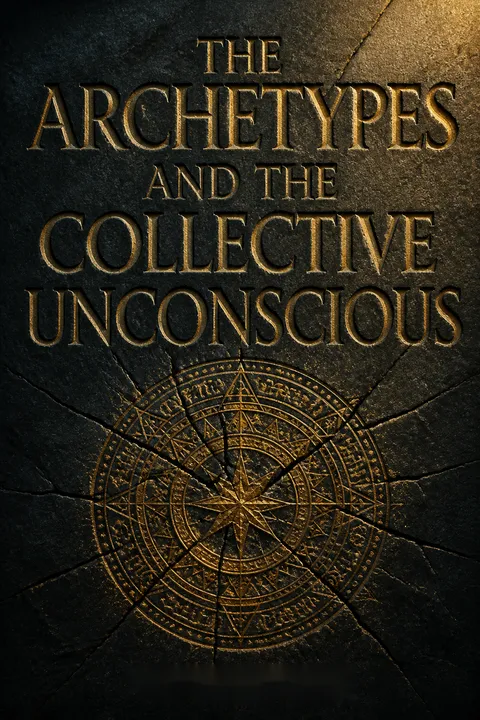

أهم النقاط
1. اللاوعي مصدر الأسطورة والمعنى
مما سبق يتضح أن جميع أقوال الأساطير في هذا الموضوع، وكذلك التأثيرات الملحوظة لمركب الأم، عندما تُجرد من تفاصيلها المربكة، تشير في النهاية إلى اللاوعي كمصدر أصلي لها.
العالم الداخلي. الأساطير والأنماط الأصلية ليست مجرد قصص من الماضي، بل هي انعكاسات لأنماط عميقة وعالمية تكمن في النفس البشرية. فاللاوعي، بعمقه الخفي ولغته الرمزية، هو ينبوع هذه السرديات. الأمر لا يقتصر على الأحداث الخارجية، بل يشمل المشهد الداخلي الذي يشكل تصوراتنا وتجاربنا.
الواقع النفسي. اللاوعي ليس فراغًا بل هو عالم ديناميكي مليء بالصور والمشاعر والغرائز التي تؤثر في أفكارنا وسلوكياتنا. وغالبًا ما تُسقط هذه القوى الداخلية على العالم الخارجي، فتشكل فهمنا للواقع. على سبيل المثال:
- تصور الإنسان البدائي للعالم يتأثر بشكل كبير بالحقائق النفسية الداخلية، وليس فقط بالواقع الموضوعي.
- تقسيم الكون إلى نور وظلام يعكس التناقض بين الوعي واللاوعي.
- النفس لها هيكلها وشكلها الخاص، مثل أي كائن حي، ولا تستمد وجودها فقط من التجربة الخارجية.
الأنماط الأصلية كخرائط. الأنماط الأصلية هي اللبنات الأساسية للاوعي، أنماط موجودة مسبقًا تشكل تجاربنا وتولد موضوعات متكررة في الأساطير والأحلام. هذه الأنماط ليست شخصية بل جماعية، يشترك فيها كل البشر.
2. نمط الأم: قوة مزدوجة للخلق والهدم
الأم، من ناحية أخرى، تمثل ديناميكية النمط الأصلي، إذ يتكون النمط من الشكل والطاقة معًا.
الطبيعة المزدوجة. نمط الأم يجسد الجوانب الحاضنة والمانحة للحياة في الخلق، وكذلك القوى المدمرة والملتهبة لللاوعي. هذا التناقض يظهر في الأشكال المختلفة التي يتخذها النمط، من الإلهة الرحيمة إلى الساحرة المرعبة.
شخصي ورمزي. بالنسبة للمرأة، غالبًا ما يعكس نمط الأم تجربتها الشخصية، أما بالنسبة للرجل، فهو يمثل شيئًا غريبًا وغامضًا، مليئًا بصور اللاوعي. هذا الاختلاف يفسر ميل الرجال إلى تمجيد صورة الأم.
- الأم هي الشرط النفسي والجسدي للطفل.
- مع تطور وعي الأنا، تصبح صورة الأم أكثر رمزية وأقل شخصية.
- يمكن أن ينقسم النمط إلى شخصيات متضادة، مثل الجنية الطيبة والجنية الشريرة.
التعبيرات الثقافية. يتجلى نمط الأم بشكل مختلف عبر الثقافات. في الغرب، تمثل العذراء مريم الأم المثالية والرحيمة، بينما في الشرق تجسد شخصيات مثل كالي الاتحاد المتناقض بين الخلق والهدم.
3. الولادة الجديدة: ضرورة نفسية وروحية
الولادة الجديدة تأكيد يجب أن يُعد من التأكيدات الأولية للبشرية.
موضوع عالمي. مفهوم الولادة الجديدة هو موضوع متكرر في التجربة الإنسانية، موجود عبر الثقافات والتاريخ. ليس مجرد فكرة دينية أو روحية، بل هو عملية نفسية أساسية تعكس دافعنا الفطري نحو التحول والتجديد.
أشكال الولادة الجديدة:
- انتقال الأرواح عبر وجودات جسدية مختلفة (ميتيمبسخوزيس).
- التناسخ مع استمرار الشخصية والذاكرة.
- القيامة: إعادة الوجود بعد الموت، غالبًا مع تحول في الكينونة.
- التجديد داخل حياة الفرد، يشمل التجديد أو التحول الجوهري.
- المشاركة في التحول: ولادة جديدة غير مباشرة من خلال الشهادة أو المشاركة في طقس تحولي.
الواقع النفسي. الولادة الجديدة ليست عملية ملموسة بل واقع نفسي، تجربة ذاتية تنتقل عبر التعبيرات الشخصية والرمزية. إنها قوة قوية تشكل فهمنا للحياة والموت وإمكانية التجديد.
4. التحول: الانكماش، التوسع، والتغيير البنيوي
عندما يُبلغ قمة الحياة، وعندما تتفتح البراعم ويظهر الأكبر من الأصغر، كما يقول نيتشه: "يصبح الواحد اثنين"، وتظهر الشخصية الأكبر، التي كانت موجودة دومًا لكنها خفية، للشخصية الأصغر بقوة الوحي.
عملية ديناميكية. التحول هو عملية معقدة ومتعددة الأوجه تشمل تغييرات في بنية ووظيفة الشخصية. يمكن أن يظهر بأشكال مختلفة، منها الانكماش، التوسع، والتغيير البنيوي.
انكماش الشخصية:
- "فقدان الروح" أو "هبوط المستوى العقلي"، يتميز بالخمول، الاكتئاب، وفقدان الإرادة.
- ارتخاء توتر الوعي، مما يؤدي إلى انخفاض الثقة بالنفس وزيادة الأنانية.
توسع الشخصية:
- زيادة في الوعي والذات، غالبًا ما يحفزها لقاء أو وحي مهم.
- ظهور "الشخصية الأكبر" داخل النفس، تمثل إمكانية النمو والكمال.
التغيير البنيوي:
- الاستحواذ بواسطة مركب نفسي أو فكرة أو جزء من الشخصية، مما يؤدي إلى فقدان السيطرة وتشويه الأنا.
- التماهي مع القناع الاجتماعي أو الظل، الجانب المظلم من الشخصية.
- الاستحواذ بواسطة الأنيموس أو الأنيمة، الجوانب الجنسية المضادة للنفس.
5. ديناميات الجماعة: مخاطر وفرص الهوية الجماعية
تجربة الجماعة تحدث على مستوى وعي أدنى من تجربة الفرد.
انخفاض الوعي. عندما يجتمع الأفراد في جماعة، يظهر اللاوعي الجمعي غالبًا على مستوى أقل من وعي الفرد. يعود ذلك إلى قوة تأثير الحشد وميل الأفراد لفقدان حس المسؤولية الشخصية.
علم نفس الجماهير:
- تجارب الجماعة غالبًا ما تتسم بالانحدار إلى حالات وعي بدائية أكثر.
- الجماهير هي بيئة خصبة للأوبئة النفسية، حيث تنتشر المشاعر والأفكار بسرعة وبلا تحكم.
- التماهي مع الجماعة قد يؤدي إلى شعور متزايد بالحياة لكنه يرافقه فقدان الفردية.
الطقوس والبنية. الطقوس والاحتفالات الدينية تساعد في مواجهة الآثار السلبية لديناميات الجماعة من خلال توفير مركز للنشاط الجماعي ومنع الحشد من الانزلاق إلى الغرائز اللاواعية.
- هناك حاجة إلى مركز يعبر عن اللاوعي من خلال الرمزية لمنع النفس الجمعية من أن تصبح مركزًا للتنويم المغناطيسي.
- بدون مركز، تصبح النفس الجمعية بلا شك مركزًا للتنويم، تجذب الجميع تحت تأثيرها.
الإمكانات الإيجابية. رغم مخاطر ديناميات الجماعة، يمكن أن تكون مصدرًا لتجارب إيجابية، مثل الشعور بالتضامن الإنساني والشجاعة للعمل من أجل قضية مشتركة.
6. الذات: الدليل الداخلي والطريق إلى الكمال
تسعى عمليات التحول إلى تقريبها من بعضها، لكن وعينا يدرك المقاومة، لأن الآخر يبدو غريبًا وغامضًا، ولأننا لا نستطيع التعود على فكرة أننا لسنا السادة المطلقين في بيتنا.
الكمال الداخلي. الذات هي كمال النفس، تشمل الجوانب الواعية واللاواعية لوجودنا. هي مركز شخصيتنا، لكنها ليست الأنا نفسها.
الصديق الداخلي. غالبًا ما تتجلى الذات كصديق أو دليل داخلي، صوت ينبعث من أعماق اللاوعي. هذه الشخصية الداخلية يمكن أن تكون مصدر حكمة، إبداع، وتحول.
- قد يظهر الصديق الداخلي كمعلم، مستشار، أو حتى عدو، حسب علاقتنا باللاوعي.
- الحوار مع الصديق الداخلي هو حوار بين الأنا والذات، عملية اكتشاف ودمج للذات.
- الكيميائيون صوروا الحدث الداخلي في شخصية خارجية، مثل "الحجر"، الذي يمثل الذات.
التفرد. عملية التفرد هي الرحلة نحو الكمال، دمج الجوانب الواعية واللاواعية للشخصية. هي عملية طبيعية تتكشف مع الزمن، غالبًا من خلال اللقاءات مع الأنماط الأصلية والصديق الداخلي.
7. الخضر: الأخضر والرمز للتحول
قد يكون الخضر رمزًا للذات.
الشخصية الصوفية. الخضر، "الأخضر"، شخصية صوفية في التراث الإسلامي تجسد صفات الذات. هو دليل، معلم، ورمز للتحول والتجديد.
صفات الخضر:
- وُلد في كهف، رمز لظلمة اللاوعي.
- "طويل العمر"، يجدد نفسه باستمرار.
- مستشار، معزي، ورسول من الله.
- رمز للحكمة العليا وطريقة عمل تتجاوز العقل.
الصلة بالذات. ظهور الخضر مرتبط بشكل غامض باختفاء السمكة، رمز اللاوعي. هو المولود من جديد، الذي استيقظ على حياة جديدة.
- الخضر رمز للذات، كمال النفس، ومركز وجودنا.
- يمثل إمكانية التحول ودمج الواعي واللاواعي.
الحضور الحي. الخضر ليس مجرد شخصية من الماضي، بل حضور حي في قلوب وعقول الكثيرين، صديق، مستشار، ومواسي يمكن أن يظهر بأشكال متعددة.
8. رحلة موسى: استعارة للسعي نحو الذات
كل من يسمع هذه القصة الغامضة سيتعرف على نفسه في موسى الباحث ويشوع النسيان، وتُظهر القصة كيف تحدث الولادة الجديدة التي تجلب الخلود.
السعي. قصة موسى والخضر في القرآن هي استعارة لرحلة اكتشاف الذات والتحول. موسى يمثل الأنا الواعية، ويشوع يمثل الظل أو اللاوعي.
العناصر الرمزية:
- "المكان الذي يلتقي فيه البحران" هو مركز التحول، نقطة التقاء الواعي واللاواعي.
- السمكة المنسية تمثل المحتوى اللاواعي الذي يُفقد ثم يُعاد اكتشافه.
- الخضر هو الدليل الذي يقود موسى إلى فهم أعمق لذاته والعالم.
التحول عبر اللاوعي. تُظهر القصة كيف يحدث تحول الشخصية من خلال دمج اللاوعي. ليس الأنا الواعية هو الذي يتحول، بل السمكة المنسية، المصدر المتواضع للحياة.
- الكائن الخالد ينبثق من شيء متواضع ومنسي، من مصدر غير محتمل.
- اللاوعي يزود الوعي بكل طاقته، وهو جذر الوعي القادر على التحول.
الطريق إلى الكمال. رحلة موسى تذكرنا بأن الطريق إلى الكمال ليس سهلاً أو مباشرًا دائمًا. يتطلب استعدادًا لمواجهة المجهول، واحتضان تناقضات الحياة، والثقة في هداية الذات الداخلية.
ملخص المراجعات
يُعد كتاب "النماذج الأولية واللاوعي الجمعي" عملاً معقدًا يستعرض نظريات يونغ حول اللاوعي الجمعي والنماذج الأولية. يثمن القراء عمق معرفة يونغ ورؤاه الثاقبة في علم النفس البشري، رغم أن بعضهم يجد أسلوبه في الكتابة كثيفًا وأفكاره مثيرة للجدل. يتناول الكتاب موضوعات مثل الرمزية والأساطير والنفس البشرية. بينما يرى بعض القراء أن مفاهيم يونغ تضئ دروب الفهم وتحدث تحولًا في الوعي، ينتقد آخرون افتقاره إلى الصرامة العلمية. يُعتبر هذا الكتاب أساسياً لفهم علم النفس اليونغي، لكنه قد يشكل تحديًا للمبتدئين في هذا المجال.
قرأ الآخرون أيضًا



الأسئلة الشائعة
What's "The Archetypes and the Collective Unconscious" about?
- Exploration of Archetypes: The book delves into the concept of archetypes, which are universal, archaic symbols and images that derive from the collective unconscious.
- Collective Unconscious: Jung introduces the idea of the collective unconscious, a part of the unconscious mind shared among beings of the same species, containing memories and impulses common to all humans.
- Psychological Framework: It provides a framework for understanding how these archetypes influence human behavior and culture.
- Mythological References: Jung uses mythology and religious symbols to illustrate how archetypes manifest in various cultures.
Why should I read "The Archetypes and the Collective Unconscious"?
- Understanding Human Psyche: It offers profound insights into the human psyche and the underlying structures that shape our thoughts and behaviors.
- Cultural and Historical Context: The book provides a rich exploration of cultural and historical symbols, enhancing understanding of human history and culture.
- Psychological Development: It aids in understanding personal psychological development and the universal patterns that influence it.
- Influence on Modern Psychology: Jung's work has significantly influenced modern psychology, making it essential reading for anyone interested in the field.
What are the key takeaways of "The Archetypes and the Collective Unconscious"?
- Archetypes as Universal Symbols: Archetypes are innate, universal prototypes for ideas and may be used to interpret observations.
- Role of the Collective Unconscious: The collective unconscious is a key component of Jung's theory, influencing individual behavior and cultural phenomena.
- Transformation and Rebirth: The book discusses the psychological processes of transformation and rebirth, essential for personal growth.
- Integration of Opposites: Jung emphasizes the importance of integrating opposites within the psyche to achieve wholeness.
What are the best quotes from "The Archetypes and the Collective Unconscious" and what do they mean?
- "The psyche is part of the inmost mystery of life..." This quote highlights the complexity and depth of the human psyche, suggesting it is a fundamental aspect of existence.
- "All that is outside, also is inside..." Reflects the idea that external experiences are mirrored internally, emphasizing the interconnectedness of the inner and outer worlds.
- "The unity of consciousness or of the so-called personality is not a reality at all but a desideratum." Suggests that the perceived unity of self is an ideal rather than a reality, pointing to the fragmented nature of the psyche.
- "If one can possibly avoid it, one ought never to identify with an archetype..." Warns against the dangers of identifying too closely with archetypal images, which can lead to loss of individuality.
How does Jung define archetypes in "The Archetypes and the Collective Unconscious"?
- Universal Patterns: Archetypes are universal, primordial images and ideas that reside in the collective unconscious.
- Innate and Inherited: They are innate, inherited potentials that shape human behavior and experiences.
- Manifest in Myths and Dreams: Archetypes manifest in myths, dreams, and cultural symbols, providing a framework for understanding human experiences.
- Dynamic and Evolving: While archetypes are stable structures, they can evolve and adapt to different cultural contexts.
What is the collective unconscious according to Jung?
- Shared Unconscious Layer: The collective unconscious is a part of the unconscious mind shared by all humans, containing universal experiences and memories.
- Foundation of Archetypes: It is the source of archetypes, influencing individual and collective behavior.
- Beyond Personal Experience: Unlike the personal unconscious, it is not shaped by personal experiences but by shared human history.
- Influences Culture and Behavior: The collective unconscious plays a crucial role in shaping cultural norms and individual behaviors.
How does Jung explain the process of transformation and rebirth?
- Psychological Growth: Transformation and rebirth are essential processes for psychological growth and self-realization.
- Symbolic Death and Renewal: These processes often involve a symbolic death and renewal, leading to a new state of being.
- Integration of Opposites: Transformation requires the integration of opposing forces within the psyche, leading to greater wholeness.
- Manifest in Myths and Rituals: Myths and rituals often depict these processes, providing a framework for understanding personal transformation.
What role do myths and religious symbols play in Jung's theory?
- Expression of Archetypes: Myths and religious symbols are expressions of archetypes, revealing universal patterns of the human psyche.
- Cultural Manifestations: They provide insight into how different cultures interpret and express these universal patterns.
- Guidance for Transformation: Myths and symbols offer guidance for personal transformation and understanding of the self.
- Connection to the Unconscious: They serve as a bridge between the conscious and unconscious mind, facilitating psychological integration.
How does Jung's concept of the self differ from the ego?
- Larger Totality: The self is a larger totality that includes the ego but also encompasses the unconscious aspects of the psyche.
- Center of the Psyche: It is the central archetype, representing the unity and wholeness of the personality.
- Goal of Individuation: The self is the goal of individuation, the process of integrating the conscious and unconscious parts of the psyche.
- Transcends the Ego: Unlike the ego, which is the center of consciousness, the self transcends individual consciousness and connects to the collective unconscious.
What is the significance of the child archetype in Jung's work?
- Symbol of Potential: The child archetype symbolizes potential, new beginnings, and the future.
- Represents Wholeness: It represents the wholeness and unity of the self, often depicted as a divine or magical child.
- Process of Individuation: The child archetype plays a crucial role in the process of individuation, symbolizing the emergence of a new, integrated self.
- Appears in Myths and Dreams: It frequently appears in myths and dreams, indicating a need for growth and transformation.
How does Jung interpret the story of Moses and Khidr in the Koran?
- Symbol of Transformation: The story is interpreted as a symbol of transformation and rebirth, with Khidr representing the self.
- Guidance and Wisdom: Khidr provides guidance and wisdom, leading Moses through a process of inner transformation.
- Integration of Opposites: The narrative illustrates the integration of opposites, a key aspect of Jung's theory of individuation.
- Mystery and Revelation: The story reflects the mystery and revelation inherent in the process of psychological transformation.
How has "The Archetypes and the Collective Unconscious" influenced modern psychology?
- Foundation for Analytical Psychology: It laid the foundation for Jung's analytical psychology, influencing the study of the unconscious mind.
- Broadened Understanding of Psyche: The book broadened the understanding of the human psyche, emphasizing the role of the collective unconscious and archetypes.
- Impact on Therapy: Jung's concepts have been integrated into therapeutic practices, aiding in the exploration of unconscious processes.
- Cultural and Interdisciplinary Influence: The work has influenced various fields beyond psychology, including anthropology, literature, and religious studies.
عن المؤلف



تحميل PDF
تحميل EPUB
.epub digital book format is ideal for reading ebooks on phones, tablets, and e-readers.








































