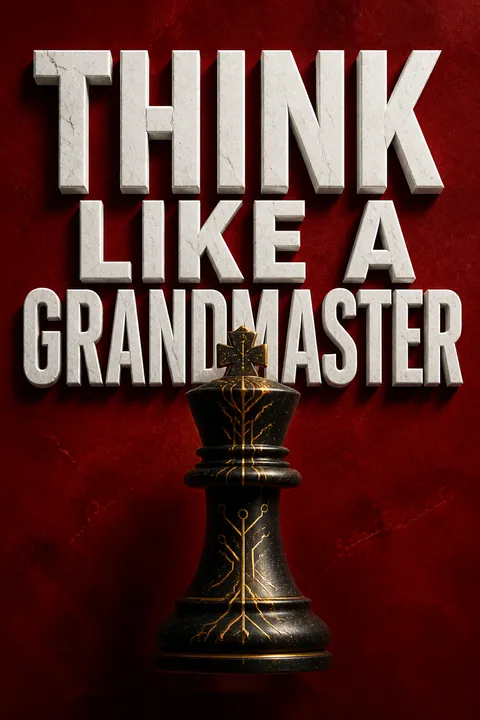
أهم النقاط
1. إتقان التحليل: ميزة الأستاذ الكبير
هناك ثلاثة عوامل تضمن إيجاد الحركة الصحيحة، وهي: تحليل دقيق لكل الاحتمالات التي يمكن النظر فيها منطقياً، والثقة بأنك قد أخذت في الاعتبار كل الحركات الأفضل، والاقتصاد الصارم في وقت التفكير.
التفكير المنهجي. التحليل الدقيق هو حجر الزاوية في لعبة الأستاذ الكبير. الأمر لا يقتصر على رؤية بعض الحركات القادمة فقط، بل يتطلب استكشافاً منهجياً لكل الاحتمالات المنطقية، كما يفعل الحاسوب ولكن مع حدس بشري. ويتضمن ذلك إنشاء "شجرة تحليل"، حيث تمثل كل فرع حركة محتملة وتبعاتها.
تجنب الأخطاء. من الأخطاء الشائعة القفز بين الاحتمالات دون استكشاف كل واحدة منها بشكل كامل. ينصح الأساتذة الكبار بفحص كل فرع من فروع الشجرة مرة واحدة فقط لتجنب إضاعة الوقت وخلق الارتباك. وهذا يتطلب تفكيراً منضبطاً وثقة في القدرات التحليلية.
موازنة العمق والاتساع. المفتاح هو إيجاد الوسط الذهبي، بتحليل عدد كافٍ من الاحتمالات لفهم الوضعية دون الغرق في احتمالات لا نهاية لها. وهذا يتطلب تطوير الحدس والقدرة على التعرف بسرعة على الخطوط الأكثر وعداً. كما أن سرعة التحليل ضرورية، خاصة في المواقف التي تضغط فيها ضيق الوقت.
2. الحكم الموضعي: رؤية ما وراء اللحظة الراهنة
هنا يلعب المعرفة والخبرة والثقافة الواسعة للأستاذ الكبير الدور الأساسي.
ما وراء الحساب. الحكم الموضعي يعني تقييم العوامل الاستراتيجية طويلة الأمد في الوضعية، مثل هيكل البيادق، نشاط القطع، والسيطرة على المربعات الرئيسية. إنه فهم القوى الكامنة التي تؤثر على الوضع، وليس مجرد حساب الاحتمالات التكتيكية الفورية. تُصقل هذه المهارة من خلال الخبرة والفهم العميق لمبادئ الشطرنج.
عناصر التقييم. يقوم الأساتذة الكبار بتفكيك الوضعية إلى عناصرها الأساسية: الخطوط والقطريات المفتوحة، هيكل البيادق والمربعات الضعيفة، تموضع القطع، والسيطرة على الفضاء والمركز. يتم تقييم كل عنصر بعناية لتحديد تأثيره على الوضع العام.
التقييم الديناميكي. يركز الشطرنج الحديث على نهج ديناميكي في الحكم الموضعي، مع الاعتراف بأن المزايا الثابتة قد تتحول بسرعة إلى عيوب إذا لم تُستغل بشكل صحيح. وهذا يشمل النظر في إمكانيات النشاط المستقبلي والقدرة على التكيف مع الظروف المتغيرة.
3. التخطيط الاستراتيجي: الخطة الأساسية للنجاح
توجه أفكار اللاعب تحكمها بشكل رئيسي خصائص الوضعية المعطاة، لكن جزءاً لا يستهان به يعود إلى شخصية اللاعب.
صياغة خطة. توفر الخطة الاستراتيجية خارطة طريق لتحقيق الأهداف طويلة الأمد في لعبة الشطرنج. تتضمن تحديد الأهداف الرئيسية، مثل استغلال نقطة ضعف، السيطرة على منطقة مهمة من الرقعة، أو شن هجوم. يجب أن تكون الخطة مرنة وقابلة للتكيف مع الظروف المتغيرة.
موازنة العام والخاص. يشمل التخطيط الاستراتيجي المبادئ العامة والتحليل الدقيق. يستخدم الأساتذة الكبار معرفتهم بمبادئ الشطرنج لتوجيه استراتيجيتهم العامة، لكنهم أيضاً يحللون الاحتمالات المحددة لضمان صحة خطتهم.
التكيف مع الخصم. يجب أن تأخذ الخطة الناجحة في الاعتبار نقاط قوة وضعف الخصم، بالإضافة إلى ردود أفعاله المحتملة. وهذا يتطلب فهم أسلوب لعبه وتوقع حركاته. المرونة ضرورية، إذ قد تحتاج الخطة إلى تعديل بناءً على تصرفات الخصم.
4. التميز في نهاية اللعبة: تحويل المزايا إلى انتصارات
النقطة الأساسية، مع ذلك، كانت أن قطع جناحه الملكي التي ظننت أنها تبدو غير متناسقة وتفتقر إلى التعاون كانت تعمل معاً بشكل جيد جداً، في حين أن قطعي "المتموضعة بشكل جيد" لم تستطع صد تهديداته الخطيرة.
الدقة الفنية. نهاية اللعبة هي المرحلة التي تتحول فيها المزايا إلى انتصارات. تتطلب فهماً عميقاً لهياكل البيادق، نشاط القطع، وسلامة الملك. يمتلك الأساتذة الكبار مخزوناً واسعاً من معارف نهاية اللعبة، مما يمكنهم من التنقل في الوضعيات المعقدة بدقة.
التفكير التخطيطي. غالباً ما تتطلب نهاية اللعبة التفكير من حيث الخطط بدلاً من الحركات المحددة. يشمل ذلك تصور الترتيب المثالي للقطع والبيادق ثم العمل نحو تحقيقه. الصبر وعدم التسرع أمران حاسمان.
نشاط الملك. الملك، الذي غالباً ما يكون قطعة دفاعية في منتصف اللعبة، يصبح قوة هجومية قوية في نهاية اللعبة. إن جلب الملك إلى مركز الرقعة وإشراكه بنشاط في اللعب هو مبدأ أساسي في تقنية نهاية اللعبة.
5. معرفة الأستاذ الكبير: أساس الإتقان
يجب أن يكون الأستاذ الكبير قادراً على تقييم الوضعية بدقة وصحة.
الثقافة والخبرة. قوة الأستاذ الكبير لا تكمن فقط في القدرة التحليلية، بل أيضاً في مخزون واسع من معارف الشطرنج. يشمل ذلك الإلمام بنظريات الافتتاح، الوضعيات النموذجية في منتصف اللعبة، ومبادئ نهاية اللعبة. كلما زادت معرفة اللاعب وتذكره، كان من الأسهل عليه إيجاد سوابق واتخاذ قرارات مستنيرة.
التعلم المستمر. الشطرنج لعبة تتطور باستمرار، ويجب على الأساتذة الكبار الالتزام بالتعلم المستمر. يشمل ذلك دراسة الافتتاحات الجديدة، تحليل الألعاب الحديثة، ومتابعة أحدث التطورات النظرية.
التقييم الذاتي. الفحص الذاتي المنتظم ضروري لتحديد نقاط الضعف وتحسين الأداء. يشمل ذلك تحليل الألعاب السابقة، تلخيص الدروس المستفادة، وطلب الملاحظات من لاعبين آخرين.
6. مبادئ الافتتاح: وضع الأساس
يجب أن يكون ملمّاً جيداً بنظريات الافتتاح الحديثة.
الأساس الاستراتيجي. الافتتاح هو الأساس الذي يُبنى عليه كامل مجرى اللعبة. يوفر افتتاح قوي هيكل بيادق جيد، تموضع نشط للقطع، وسيطرة على المربعات الرئيسية. يمتلك الأساتذة الكبار فهماً عميقاً لنظريات الافتتاح، مما يمكنهم من اختيار الخطوط التي تناسب أسلوبهم وأهدافهم الاستراتيجية.
الفهم الديناميكي. تؤكد نظريات الافتتاح الحديثة على النهج الديناميكي، مع الاعتراف بأن المزايا الثابتة قد تتحول بسرعة إلى عيوب إذا لم تُستغل بشكل صحيح. يشمل ذلك فهم الأفكار الاستراتيجية الكامنة والاستعداد للتكيف مع الظروف المتغيرة.
المجموعة الفردية. عادةً ما يطور الأساتذة الكبار مجموعة محدودة من الافتتاحات التي يعرفونها عن كثب. هذا يسمح لهم بتركيز دراستهم وتطوير فهم عميق للوضعيات الناتجة.
7. إتقان منتصف اللعبة: التنقل في التعقيد
لا يقل أهمية القدرة على اختيار الخطة الصحيحة التي تلبي متطلبات الوضعية المعطاة.
البراعة التكتيكية. منتصف اللعبة هو حيث تتحد المهارة التكتيكية مع الفهم الاستراتيجي. يمتلك الأساتذة الكبار عيناً ثاقبة للفرص التكتيكية، مثل التوليفات، التضحيات، والتهديدات المزدوجة. يستطيعون حساب الاحتمالات بدقة وسرعة، مما يمكنهم من استغلال حتى أصغر ميزة.
الرؤية الاستراتيجية. يتطلب منتصف اللعبة أيضاً رؤية استراتيجية قوية. يستطيع الأساتذة الكبار تقييم الآثار طويلة الأمد لحركاتهم وتطوير خطط تستغل نقاط ضعف وضع الخصم. يشمل ذلك فهم هياكل البيادق، نشاط القطع، والسيطرة على المربعات الرئيسية.
القدرة على التكيف. منتصف اللعبة مرحلة ديناميكية، ويجب على الأساتذة الكبار أن يكونوا قادرين على التكيف مع الظروف المتغيرة. يشمل ذلك المرونة في التخطيط والاستعداد لتغيير المسار إذا لزم الأمر.
8. نصائح عملية: تجنب الأخطاء وتعظيم الكفاءة
يجب أن يكون الأستاذ الكبير قادراً على حساب بدقة وسرعة كل الاحتمالات المهمة التي قد تظهر خلال سير اللعب.
إدارة الوقت. إدارة الوقت بكفاءة أمر حاسم للنجاح في بطولات الشطرنج. يستطيع الأساتذة الكبار تخصيص وقتهم بحكمة، يقضون وقتاً أطول في الوضعيات الحرجة ووقتاً أقل في الحركات الروتينية. يشمل ذلك تطوير الحدس والقدرة على تقييم تعقيد الوضع بسرعة.
تجنب الأخطاء الفادحة. يمكن أن تكون الأخطاء الفادحة مدمرة، خاصة في الشطرنج على المستوى العالي. يطور الأساتذة الكبار استراتيجيات لتقليل مخاطر الأخطاء، مثل مراجعة حركاتهم مرتين وتجنب الثقة الزائدة.
الحرب النفسية. الشطرنج ليس مجرد لعبة منطق، بل هو أيضاً معركة إرادات. يتمتع الأساتذة الكبار بمهارات في الحرب النفسية، يستخدمون سلوكهم وأسلوب لعبهم للتأثير على خصومهم. يشمل ذلك فهم نفسية الخصم واستغلال نقاط ضعفه.
ملخص المراجعات
يحظى كتاب "فكsatisfied كأستاذ كبير" بآراء متباينة من القراء، وإن كان الاستقبال العام له إيجابيًا في مجمله. يُشيد كثير من القراء بما يقدمه الكتاب من رؤى عميقة حول طريقة تفكير الأستاذ الكبير في الشطرنج، واستراتيجيات التخطيط، وأساليب إدارة الوقت أثناء اللعب. وتحظى نصائح الكتاب المتعلقة بأساليب الحساب ومفاهيم الشطرنج بتقدير كبير، لا سيما من قِبَل اللاعبين الذين يسعون إلى تطوير مستواهم. غير أن بعض النقاد يرون أن الكتاب قد أصبح قديمًا بعض الشيء، أو أنه يتبنى منهجًا صارمًا في طرحه، أو أنه يصعب على المبتدئين متابعته واستيعاب محتواه. وعلى الرغم من هذه الانتقادات، يعتبره كثيرون نصًا تأسيسيًا في أدبيات الشطرنج، إذ يقدم دروسًا قيّمة يمكن تطبيقها والاستفادة منها في مجالات تتجاوز حدود رقعة الشطرنج ذاتها.
أعتذر، لاحظت خطأً مطبعيًا. إليك النسخة المصححة:
يحظى كتاب "فكّر كأستاذ كبير" بآراء متباينة من القراء، وإن كان الاستقبال العام له إيجابيًا في مجمله. يُشيد كثير من القراء بما يقدمه الكتاب من رؤى عميقة حول طريقة تفكير الأستاذ الكبير في الشطرنج، واستراتيجيات التخطيط، وأساليب إدارة الوقت أثناء اللعب. وتحظى نصائح الكتاب المتعلقة بأساليب الحساب ومفاهيم الشطرنج بتقدير كبير، لا سيما من قِبَل اللاعبين الذين يسعون إلى تطوير مستواهم. غير أن بعض النقاد يرون أن الكتاب قد أصبح قديمًا بعض الشيء، أو أنه يتبنى منهجًا صارمًا في طرحه، أو أنه يصعب على المبتدئين متابعته واستيعاب محتواه. وعلى الرغم من هذه الانتقادات، يعتبره كثيرون نصًا تأسيسيًا في أدبيات الشطرنج، إذ يقدم دروسًا قيّمة يمكن تطبيقها والاستفادة منها في مجالات تتجاوز حدود رقعة الشطرنج ذاتها.
قرأ الآخرون أيضًا

الأسئلة الشائعة
1. What is "Think Like A Grandmaster" by Alexander Kotov about?
- Chess Thought Process: The book explores the mental processes and methods used by top chess grandmasters to analyze positions, make decisions, and plan during games.
- Practical Training Manual: It serves as a practical guide for players aiming to improve their analytical skills, positional judgment, and overall chess understanding.
- Personal and Soviet Experience: Kotov shares insights from his own journey to grandmaster, as well as methods and advice from leading Soviet players like Botvinnik, Tal, and Smyslov.
- Systematic Approach: The book introduces structured techniques for analyzing variations, selecting candidate moves, and forming effective plans in chess.
2. Why should I read "Think Like A Grandmaster" by Alexander Kotov?
- Improve Analytical Skills: The book provides concrete methods to analyze chess positions more deeply and accurately, a skill essential for advancing in chess.
- Learn from Grandmasters: Kotov distills the thinking habits and training routines of world-class players, offering readers a chance to emulate proven approaches.
- Avoid Common Pitfalls: It addresses psychological errors, time trouble, and blunders, helping readers recognize and overcome these issues in their own play.
- Structured Self-Improvement: The book offers practical exercises and self-training techniques, making it a valuable resource for players seeking systematic improvement.
3. What are the key takeaways from "Think Like A Grandmaster"?
- Tree of Analysis: Kotov introduces the concept of the "tree of analysis," emphasizing disciplined, systematic calculation of variations without unnecessary repetition.
- Candidate Moves: The importance of identifying and evaluating all reasonable candidate moves before deep analysis is stressed as a hallmark of strong play.
- Positional Judgment: The book teaches how to break down positions into elements (open lines, pawn structure, piece activity, space, and center) and synthesize them for accurate assessment.
- Planning and Flexibility: Kotov explains how to form and adapt plans based on the evolving demands of the position, rather than sticking rigidly to a single idea.
4. How does Kotov’s "tree of analysis" method work, and why is it important?
- Systematic Calculation: The "tree of analysis" is a visual and mental model for calculating chess variations, where each move branches into possible replies, forming a tree-like structure.
- One-Time Branch Analysis: Kotov advises analyzing each branch only once to avoid time-wasting and confusion, building confidence in your calculation.
- Candidate Move Selection: Before calculating, players should list all plausible candidate moves, ensuring no critical options are overlooked.
- Efficiency and Accuracy: This method helps players avoid the common error of jumping back and forth between lines, leading to more efficient and accurate decision-making.
5. What advice does "Think Like A Grandmaster" give on selecting candidate moves?
- Comprehensive Enumeration: Always identify all reasonable candidate moves in a position before starting deep analysis, as missing one can mean missing the best move.
- Balance Quantity and Quality: Avoid both analyzing too many irrelevant moves and too few; focus on moves that fit the position’s demands.
- Opponent’s Candidates: Consider not only your own candidate moves but also your opponent’s, at every stage of the variation.
- Training Intuition: Systematic practice in finding candidate moves develops intuition, making the process faster and more reliable over time.
6. How does Kotov recommend improving analytical ability and calculation skills?
- Self-Training Exercises: Practice analyzing complex positions from master games without moving the pieces, then compare your analysis to published notes.
- Blindfold and Diagram Reading: Solve studies and positions without a board to strengthen visualization and calculation.
- Timed Analysis: Set time limits for analyzing positions to simulate tournament conditions and improve speed.
- Critical Self-Review: After games, review your analysis, identify errors, and work to correct recurring calculation mistakes.
7. What are the main elements of positional judgment in "Think Like A Grandmaster"?
- Open Lines and Diagonals: Control of open files and diagonals is crucial for piece activity and attacking potential.
- Pawn Structure and Weaknesses: Understanding isolated, backward, and passed pawns, as well as weak squares and color complexes, is key to both attack and defense.
- Piece Placement and Coordination: The effectiveness of your pieces depends on their activity, cooperation, and ability to exploit or defend weaknesses.
- Space and Center Control: Gaining space and controlling the center allows for greater maneuverability and restricts the opponent’s options.
8. How does Kotov suggest forming and adapting plans during a chess game?
- Assessment First: Begin by accurately assessing the position’s elements and synthesizing them into a general evaluation.
- Short-Term and Long-Term Plans: Formulate both immediate and overarching plans, adjusting as the position changes.
- Flexibility: Be ready to change your plan if the position or your opponent’s actions demand it; stubbornly sticking to a flawed plan can be disastrous.
- Manoeuvring and Provocation: Use manoeuvring to provoke weaknesses and create new targets for your plan.
9. What psychological pitfalls and errors does Kotov warn about in "Think Like A Grandmaster"?
- Dizziness Due to Success: Overconfidence when winning can lead to careless blunders; vigilance must be maintained until the game is over.
- Conditioned Reflexes: Automatic, habitual moves can be dangerous if not checked against the specifics of the position.
- Blind Spots: Even strong players can overlook simple threats or attacks due to mental fatigue or fixation on certain ideas.
- Time Trouble: Poor time management leads to errors; Kotov stresses the importance of efficient analysis and decision-making under time constraints.
10. What training methods and exercises does Kotov recommend for self-improvement?
- Analyzing Master Games: Study complicated positions from grandmaster games, pausing at critical moments to analyze without notes, then compare with published analysis.
- Solving Studies and Puzzles: Regularly solve tactical and endgame studies, ideally without a board, to sharpen calculation and visualization.
- Blumenfeld’s Rule: Before making a move, write it down and check the position for simple threats or blunders as if you were a beginner.
- Self-Critique and Review: After tournaments, critically review your games, especially losses, to identify and address recurring weaknesses.
11. How does "Think Like A Grandmaster" address the study of openings, middlegames, and endings?
- Focused Opening Repertoire: Kotov recommends specializing in a few openings and knowing them deeply, rather than superficially covering many.
- Key Middlegame Positions: Study typical middlegame structures and plans arising from your chosen openings, learning both attacking and defensive methods.
- Endgame Schemes: Emphasize understanding endgame schemes and principles, such as piece activity, king centralization, and the importance of not rushing.
- Transition Awareness: Always consider how the opening leads to the middlegame and how the middlegame transitions to the endgame.
12. What are the best quotes from "Think Like A Grandmaster" and what do they mean?
- "When analyzing complicated variations, examine each branch of the tree once and once only." – This highlights the importance of disciplined, non-repetitive calculation for efficiency and accuracy.
- "A single plan is the sum total of strategic operations which follow each other in turn and which each carry out an independent idea that arises logically from the demands of a given position." – Kotov emphasizes that planning is a dynamic, evolving process, not a rigid blueprint.
- "Doflot hurry." – Especially in the endgame, patience and careful maneuvering are often more effective than rushing to force events.
- "Train your fantasy." – Creativity and imagination in finding unusual or unexpected moves are skills that can be developed through practice and study.
- "The inability of an experienced master to cope with the clock should be considered as faulty as making an oversight in analysis." – Kotov equates poor time management with analytical errors, stressing its importance in practical play.
تحميل PDF
تحميل EPUB
.epub digital book format is ideal for reading ebooks on phones, tablets, and e-readers.








































