
أهم النقاط
1. يواجه الأذكياء تحديات فريدة بسبب ذكائهم
"من يتحدث عن التحديات التي يواجهها مليار شخص يمتلكون قدرة تفكير تفوق المتوسط؟ من يتحدث إليك؟"
صراعات فريدة. كثيرًا ما يعاني الأذكياء من شعور بالغربة والملل، وصعوبة في إيجاد عمل يتناسب مع قدراتهم الفكرية. كما قد يواجهون ضغوطًا مجتمعية وتباينًا بين إمكاناتهم والواقع الذي يعيشونه.
وعي متزايد. يجلب الذكاء وعيًا عميقًا بتعقيدات الحياة وتناقضاتها، مما قد يؤدي إلى الإفراط في التفكير، أزمات وجودية، وشعور بالانفصال عن الآخرين الذين قد لا يشاركونهم نفس العمق في الفهم.
آليات التكيف. لمواجهة هذه التحديات، قد يطور الأذكياء آليات تكيف مثل:
- السعي للكمال
- التسويف
- تعاطي المواد المخدرة
- العزلة
2. الطبيعة التجريبية للدماغ البشري تخلق قيودًا جوهرية
"نحن لسنا مصممين."
تجربة تطورية. الدماغ البشري ليس آلة مصممة بشكل مثالي، بل هو نتيجة تجربة تطورية. وهذه الطبيعة التجريبية تفرض قيودًا وخصائص غريبة قد تكون صعبة بشكل خاص على الأذكياء.
عيوب متأصلة. من بين القيود الجوهرية للدماغ:
- عدم وجود "مفتاح إيقاف" للأفكار المتسارعة
- الميل إلى القلق والإفراط في التفكير
- صعوبة في التنبؤ الدقيق بالمستقبل
- التعرض للتحيزات المعرفية
القبول والتكيف. إدراك هذه القيود يساعد الأذكياء على تطوير استراتيجيات للعمل مع ميول دماغهم الطبيعية بدلاً من مقاومتها، مثل ممارسة اليقظة الذهنية، إعادة هيكلة الأفكار، أو بناء أنظمة تعوض عن نقاط الضعف المعروفة.
3. التفكير قد يثير القلق والتعذيب الذاتي لدى الأذكياء
"التفكير يشبه الجري في ماراثون وسط ضباب كثيف مع تصاعد قلقنا."
تحديات معرفية. كثيرًا ما يعاني الأذكياء من قلق مرتبط بعملية التفكير نفسها، ويتجلى ذلك في:
- شلل التحليل
- السعي للكمال
- متلازمة المحتال
- الشك الذاتي المزمن
استراتيجيات التكيف. لإدارة القلق المرتبط بالتفكير، يمكن للأذكياء أن:
- يمارسوا اليقظة والتأمل
- يطوروا تقنيات إعادة هيكلة الأفكار
- يحددوا توقعات وأهداف واقعية
- يمارسوا التمارين الرياضية بانتظام
- يطلبوا الدعم من أقران أو مختصين
توازن ضروري. المفتاح هو إيجاد توازن بين استغلال القدرات المعرفية وتجنب التعذيب الذاتي المفرط، وهذا غالبًا ما يتطلب تعلم تهدئة العقل وقبول عدم الكمال.
4. اللغة والمنطق يمكن أن يمكنا العقل الذكي أو يحاصراه
"كلمة واحدة قد تمنحنا معنىً يدوم مدى الحياة؛ وكلمة واحدة قد تستعبدنا مدى الحياة."
سيف ذو حدين. اللغة والمنطق أدوات قوية للأذكياء، لكنها قد تتحول إلى أفخاخ تؤدي إلى:
- الإفراط في التحليل
- جدالات لغوية
- مغالطات منطقية متنكرة في صورة الحقيقة
أفخاخ لغوية. بعض الكلمات أو العبارات قد تصبح مبادئ تنظيمية لحياة الإنسان بأكملها، مما قد يحد من نموه واستكشافه، مثل:
- "الرواية الأمريكية العظيمة"
- "نظرية الحقل الموحد"
- "العدالة"
مزالق منطقية. رغم أهمية المنطق في التفكير الواضح، إلا أنه قد يُستخدم لتبرير أي موقف تقريبًا، مما يؤدي إلى:
- تحيز التأكيد
- تبرير قرارات خاطئة
- شلل التحليل
5. "متلازمة الخنفساء الإلهية" تخلق مشاعر متضاربة بين العظمة والتفاهة
"نحن خنافس إلهية. هذه هي طبيعة النموذج التجريبي الحالي لنوعنا."
تصور ذاتي متضارب. يتأرجح الأذكياء بين الشعور بالكفاءة الاستثنائية والشعور بالتفاهة التامة، مما قد يؤدي إلى:
- تقلبات مزاجية
- صعوبة في تقييم الذات
- متلازمة المحتال
السياق المجتمعي. تتفاقم متلازمة الخنفساء الإلهية في مجتمع يقدّر الذكاء وفي الوقت نفسه يسيء فهمه أو يرفضه، مما يخلق بيئة معقدة للأذكياء للتعامل معها.
إيجاد التوازن. لإدارة هذه المتلازمة، يمكن للأذكياء أن:
- يمارسوا التعاطف مع الذات
- يطوروا تقييمًا واقعيًا لأنفسهم
- يركزوا على النمو الشخصي بدلًا من المقارنة
- يبحثوا عن علاقات مع أشخاص يشاركونهم التفكير
6. المعنى هو تجربة نفسية ذاتية بالأساس
"المعنى هو تجربة نفسية ذاتية بالأساس."
طبيعة المعنى. فهم أن المعنى ليس واقعًا خارجيًا موضوعيًا بل تجربة ذاتية يمكن أن يكون محررًا للأذكياء، حيث يتيح لهم:
- مرونة أكبر في إيجاد المعنى
- تقليل القلق بشأن "العثور" على المعنى "الصحيح"
- زيادة الوكالة الشخصية في خلق المعنى
مكونات المعنى. عادةً ما تتضمن تجربة المعنى:
- شعور بالهدف أو الأهمية
- إحساس بالتماسك أو الفهم
- اعتقاد بأن حياة الإنسان ذات قيمة
تنمية المعنى. يمكن للأذكياء أن ينمّوا تجارب ذات معنى من خلال:
- الانخراط في أنشطة تتماشى مع قيمهم الشخصية
- بناء علاقات قوية
- السعي للنمو والتعلم الشخصي
- المساهمة في شيء أكبر من الذات
7. صناعة المعنى المبنية على القيم هي مفتاح الحياة المليئة للأذكياء
"تحصل على تجربة نفسية للمعنى — وتجعل نفسك فخورًا في الوقت نفسه — من خلال استثمارات المعنى المبنية على القيم واغتنام فرص المعنى التي تظهر، لا من خلال نسج القصص الخيالية."
خلق نشط. بدلاً من البحث السلبي أو الانتظار للمعنى، يمكن للأذكياء أن يخلقوه بنشاط عبر قرارات وأفعال مبنية على القيم.
التوافق مع القيم. صناعة المعنى المبنية على القيم تشمل:
- تحديد القيم الجوهرية الشخصية
- اتخاذ قرارات تتماشى مع هذه القيم
- الانخراط في أنشطة تعكس هذه القيم
- إعادة التقييم والتعديل بانتظام حسب الحاجة
خطوات عملية. لتطبيق صناعة المعنى المبنية على القيم:
- توضيح القيم الشخصية
- وضع أهداف تتوافق مع هذه القيم
- اتخاذ إجراءات مستمرة نحو هذه الأهداف
- التأمل في التجارب وتعديل المسار حسب الضرورة
- الاحتفال بالنجاحات والتعلم من الإخفاقات
8. احتضان المعاني المتغيرة يتيح التكيف والنمو
"نحدق بجرأة في حقائق الوجود — وفي بعض الأيام، سيغمض كل منا عينيه."
طبيعة المعنى الديناميكية. إدراك أن ما يمنحنا المعنى قد يتغير مع الزمن يتيح مرونة أكبر وقدرة على الصمود أمام تحديات الحياة.
القدرة على التكيف. احتضان المعاني المتغيرة يتطلب:
- الانفتاح على تجارب ووجهات نظر جديدة
- إعادة تقييم القيم والأهداف بانتظام
- التخلي عن مصادر المعنى القديمة
- تنمية الفضول والتعلم المستمر مدى الحياة
عقلية النمو. بقبول أن المعنى قابل للتغير، يمكن للأذكياء أن:
- يتجنبوا التعلق الجامد بنتائج محددة
- يطوروا مرونة عاطفية أكبر
- يجدوا مصادر جديدة للمعنى طوال الحياة
- يحافظوا على شعور بالهدف حتى في الأوقات الصعبة
ملخص المراجعات
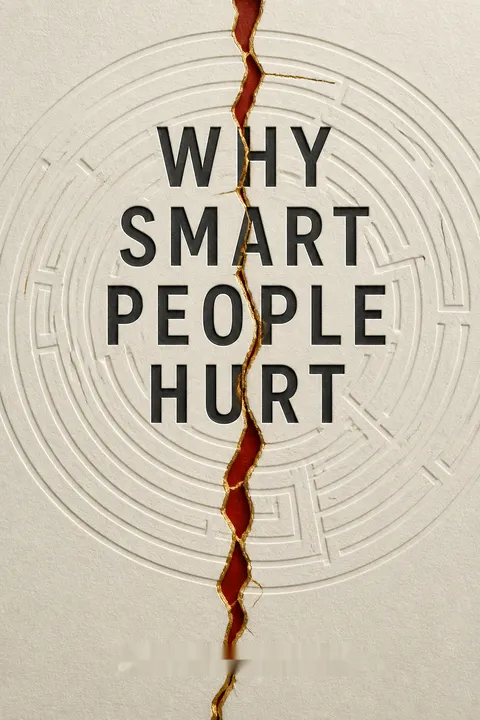
حظي كتاب "لماذا يتألم الأذكياء" بتقييمات متباينة بين القراء. فقد وجد بعضهم فيه رؤية عميقة تعكس التحديات التي يواجهها الأفراد الأذكياء، وأعجبوا بمنظوره حول كيفية إيجاد المعنى في الحياة وعلم النفس الطبيعي. ومع ذلك، انتقده كثيرون لكونه متكررًا في طرح الأفكار، وضعيف الأسلوب، ومتمحورًا بشكل مفرط حول ترويج مفهوم المؤلف لعلم النفس الطبيعي. كما اعتبره البعض متعجرفًا ومتجاهلًا لوجهات النظر البديلة. أثار الكتاب جدلاً في تعامله مع قضايا الصحة النفسية والدين. وبينما وجد بعض القراء فيه لحظات وعي وإدراك، شعر آخرون بأنه يفتقر إلى العمق والنصائح العملية.
قرأ الآخرون أيضًا










الأسئلة الشائعة
What's "Why Smart People Hurt" about?
- Focus on smart individuals: The book explores the unique challenges faced by intelligent, sensitive, and creative people, emphasizing the psychological and existential issues they encounter.
- Understanding suffering: It delves into why smart people often experience pain and distress, despite their intellectual capabilities, and offers insights into the root causes of this suffering.
- Practical solutions: Eric Maisel provides innovative paradigms and practical solutions to help smart individuals manage their pain and lead more fulfilling lives.
Why should I read "Why Smart People Hurt"?
- Insightful exploration: The book offers a deep understanding of the mental challenges faced by bright individuals, which can be enlightening for those who identify as such or know someone who does.
- Practical advice: It provides actionable strategies and techniques to help smart people navigate their unique struggles and improve their mental well-being.
- Empowerment: By reading this book, you can gain a sense of empowerment and learn how to reclaim your passion and live a richer, more productive life.
What are the key takeaways of "Why Smart People Hurt"?
- Meaning-making: The book emphasizes the importance of making meaning in life rather than seeking it, which can help alleviate existential distress.
- Challenges of smartness: It highlights the specific challenges smart people face, such as thinking anxiety, the smart gap, and the lure of language and logic.
- Natural psychology: Eric Maisel introduces the concept of natural psychology, which focuses on understanding and addressing the psychological experiences of meaning.
How does Eric Maisel define "natural psychology"?
- Subjective experience: Natural psychology identifies meaning as a subjective psychological experience, emphasizing the individual's role in creating meaning.
- Value-based meaning-making: It encourages individuals to engage in value-based meaning-making, aligning their actions with their values and principles.
- Practical application: The approach provides practical strategies for reducing distress and enhancing personal satisfaction by focusing on meaning-making efforts.
What is the "smart gap" as described in "Why Smart People Hurt"?
- Intellectual limitations: The smart gap refers to the emotional pain experienced when individuals recognize that they cannot accomplish certain intellectual work due to limitations in their capabilities.
- Frustration and sadness: This gap can lead to feelings of frustration, sadness, and a sense of inadequacy, as individuals struggle to reconcile their ambitions with their abilities.
- Strategies for coping: The book offers strategies to help individuals bridge or work around the smart gap, such as focusing on strengths and making multiple meaning investments.
How does "Why Smart People Hurt" address thinking anxiety?
- Natural anxiety: Thinking anxiety arises from the natural stress and pressure of engaging in intellectual work, which can be particularly challenging for smart individuals.
- Common avoidance tactics: The book identifies common tactics used to avoid thinking anxiety, such as fleeing the encounter, overpreparing, and fantasizing.
- Managing anxiety: Eric Maisel provides techniques for managing thinking anxiety, including mindfulness practices and aligning thoughts with intentions.
What role does meaning play in "Why Smart People Hurt"?
- Central theme: Meaning is a central theme in the book, as it explores how smart people can create and maintain meaning in their lives to reduce distress.
- Subjective experience: Meaning is described as a subjective psychological experience that can be influenced and created by individuals.
- Value-based approach: The book advocates for a value-based approach to meaning-making, encouraging individuals to align their actions with their values and principles.
What are some practical solutions offered in "Why Smart People Hurt"?
- Daily meaning-making: The book suggests making meaning on a daily basis by orienting oneself toward meaning and maintaining a morning practice.
- Addressing meaning challenges: It encourages individuals to take direct aim at their greatest meaning challenges and to make meaning in context.
- Cognitive and behavioral alignment: Eric Maisel emphasizes the importance of aligning thoughts and behaviors with intentions to enhance meaning-making efforts.
How does "Why Smart People Hurt" address the lure of language and logic?
- Power of language: The book discusses how smart people can be ensnared by the metaphors and language they use, which can both illuminate and constrain their lives.
- Logical traps: It highlights the potential for smart individuals to use logic to justify themselves, which can lead to self-deception and manipulation.
- Awareness and balance: Eric Maisel advises maintaining awareness of these lures and balancing the power of language and logic with a focus on genuine meaning-making.
What is the "god-bug syndrome" in "Why Smart People Hurt"?
- Contradictory feelings: The god-bug syndrome describes the simultaneous feelings of greatness and smallness that smart people often experience.
- Inflation and deflation: This syndrome leads to cycles of confidence and ineffectuality, as individuals grapple with their sense of self-worth and existential reality.
- Natural psychology's approach: The book suggests using natural psychology to construct a stable identity and maintain a steady sense of self-worth through value-based meaning-making.
What are the best quotes from "Why Smart People Hurt" and what do they mean?
- "Meaning is primarily a subjective psychological experience." This quote emphasizes the personal nature of meaning and the individual's role in creating it.
- "You are obliged to see through language, so as not to be fooled by its seductive power too badly or too often." It highlights the importance of critical thinking and awareness in navigating the power of language.
- "You are not an object of beauty. You are a subject of beauty." This quote encourages individuals to recognize their own agency and potential for creating beauty and meaning in their lives.
How can "Why Smart People Hurt" help me improve my life?
- Understanding challenges: The book provides insights into the unique challenges faced by smart individuals, helping you understand and address your own struggles.
- Practical strategies: It offers practical strategies for managing thinking anxiety, bridging the smart gap, and making daily meaning.
- Empowerment and growth: By embracing the principles of natural psychology, you can empower yourself to create a more meaningful and fulfilling life.
عن المؤلف
كتب أخرى لـ إريك مايزل







تحميل PDF
تحميل EPUB
.epub digital book format is ideal for reading ebooks on phones, tablets, and e-readers.








































