
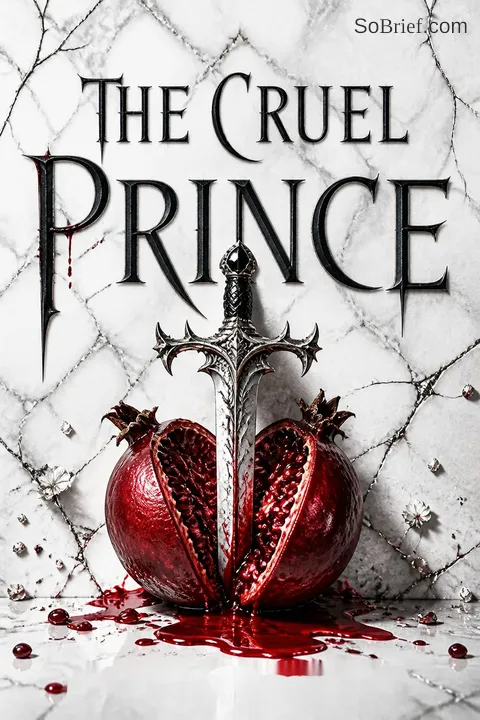


Plot Summary
Prologue
On a sleepy afternoon, a stranger in silver-shod shoes appears at a suburban home. Seven-year-old Jude1 watches her mother go pale. The man is Madoc,3 a green-skinned faerie general, and the woman fled him years ago carrying his child, leaving a faked corpse behind. When Jude's1 human father swings an axe, Madoc3 runs him through, then kills the mother as she flees.
Vivienne,5 his true daughter, refuses to go quietly. Yet Madoc,3 claiming honor binds him, gathers all three girls (Vivi,5 and the twins Jude1 and Taryn4) and carries them on a black horse into Faerie. The children weep the whole way underground, into a world without fish sticks, ketchup, or television.
Black opens with domestic comfort shattered by mythic violence, establishing the foundational trauma that warps Jude permanently. The horror is the contradiction: the man who orphans the twins also adopts them, framing murder as duty. This paradox seeds Jude's lifelong inability to cleanly hate or love Madoc. The scene weaponizes the fairy-tale changeling trope, inverting it: mortals stolen rather than fey left behind. Jude's later craving for power and her dulled relationship to bloodshed both trace to this room, where she learned that affection and brutality can wear the same face. The prologue makes every subsequent cruelty legible as inheritance rather than aberration.
A Mortal Among Monsters
Ten years later, seventeen-year-old Jude1 attends the High King's revel beside her twin Taryn.4 Both are mortals raised as Gentry in Madoc's3 household, protected yet despised. At Court, Prince Cardan,2 the king's spiteful youngest son, and his friends Valerian,15 Nicasia,14 and Locke6 rule by fear. Jude1 watches Cardan2 tear a boy's moth wing like paper for failing to bow.
Valerian15 yanks Jude's1 braid and mocks her plainness. Only Locke,6 with fox-colored hair, helps the injured boy and shoots Jude1 a conspiratorial wink. Jude1 burns with a contradiction she barely admits: she loves Faerie's beauty and aches to belong, even among those who treat her mortality as contagion. She dreams of winning knighthood at the coming Summer Tournament.
The chapter calibrates Jude's central wound: she wants acceptance from the very beings who define her as subhuman. Cardan functions as both tormentor and dark mirror, his casual mutilation of the winged boy demonstrating power without consequence, the thing Jude most lacks and most envies. Black refuses easy victimhood; Jude's gaze lingers on faerie beauty with hunger, complicating her oppression with desire. Locke's kindness introduces the seductive possibility of an ally, planting a hook readers should distrust. The revel stages Faerie as a glittering predator ecosystem where mortals are amusements, framing Jude's ambition not as vanity but as survival strategy in a place that grants her no inherent worth.
Knighthood Denied, War Declared
At the family dinner table, Madoc3 reveals the High King Eldred will abdicate, likely crowning the warrior prince Dain.7 When Jude1 asks permission to compete for knighthood, Madoc3 refuses, telling her she lacks the instinct to kill and must wait until after the coronation. Crushed and humiliated, Jude1 decides she is done being small and obedient.
The next day she sneaks salt into the baskets of Cardan,2 Nicasia,14 Valerian,15 and Locke,6 ruining the faerie food that salt destroys. Cardan's2 eyes burn with hatred as he realizes the prank. Taryn,4 terrified, warns that no one survives defying him. Jude1 knows she has crossed a line, but the rebellion tastes like freedom. She has declared open war on a prince.
Madoc's verdict (you are no killer) becomes the gauntlet that defines Jude's arc, a prophecy she will spend the novel violently disproving. The refusal exposes the conditional nature of her belonging: even her adoptive father sees ceilings she cannot accept. The salt prank is psychologically pivotal because it is chosen self-endangerment, Jude trading safety for agency. Black dramatizes how powerlessness breeds a hunger for control so acute that the powerless will court destruction simply to feel they acted. Taryn's fear functions as the cautious counter-voice, establishing the twins' divergent survival philosophies: appeasement versus defiance, the fault line that will eventually crack their bond.
Drowning in the River
Cardan2 and his circle ambush the twins, shoving them into a nixie-infested river. As the current threatens to sweep Jude1 away, Cardan2 offers a cruel bargain: Taryn4 may climb to safety and kiss his cheeks if she swears not to defend her sister. Jude1 tells Taryn4 to go, and Taryn4 does, leaving Jude1 waist-deep among the predatory water faeries.
Cardan2 demands she surrender, promising to spare her if she renounces the tournament and admits her inferiority. Jude1 refuses, hurling his own words back: he has everything to lose, she has nothing, and she will drag him down on her way. She wades out soaked and shaking, having chosen pride over survival yet again.
The river scene is a brutal loyalty experiment that fractures the twins quietly. Cardan, an artist of psychological cruelty, understands that breaking solidarity wounds deeper than drowning. Taryn's pragmatic retreat is neither villainy nor cowardice but a different ethics of survival, and Jude's permission to leave masks a wound she will not name. Jude's refusal to beg crystallizes her core mechanism: she converts terror into defiance because submission feels like erasure. Black examines how the chronically frightened can become reckless, mistaking the adrenaline of resistance for strength. The nixies, lazy until prey panics, mirror the Folk themselves, predators energized by mortal fear.
The Boy in the Parking Lot
Vivienne5 whisks the twins to the human world to meet Heather, the pink-haired girl she loves and hopes to live with. Amid smoothies and lipstick, Jude1 feels like a ghost among ordinary families. In the parking lot, a teenage boy touches her arm to flirt, and Jude1 reflexively breaks his jaw and nearly stomps his throat before she even decides to move.
Vivi5 conjures crabgrass to confuse his pursuing friend, and the sisters flee on ragwort steeds. Jude1 is stunned by the glorious emptiness she felt while striking him. She tells Vivi5 she cannot return to the mortal world because of what she would do to it. The violence inside her is no longer hypothetical.
This interlude relocates the horror from Faerie to Jude's own body, revealing that her brutality is not merely Faerie's making but something native and unsettling. The mortal world, meant to represent safety and normalcy, instead exposes how thoroughly she no longer fits anywhere. Vivi's romance with Heather offers a counter-model: escape through love rather than power. Jude's confession (look what I would do to it) is a moment of genuine self-recognition, frightening precisely because the violence brought peace, not guilt. Black complicates the trauma narrative: Jude is not simply damaged goods but a person discovering an appetite she may choose to feed.
The Tournament She Will Not Surrender
At the Summer Tournament, Jude1 fights viciously after Cardan2 crudely implies he has bedded Taryn.4 When the mock war ends, Cardan2 grabs her by the hair and commands her to kneel and beg his forgiveness before the assembled Court. Jude1 starts to lower herself, then cannot.
Instead she tells him that since she is mortal she has nothing to lose, while he has everything, and she vows to take from him whatever she can on her way down. She walks away with his stunned gaze on her back. Afterward Locke6 finds her at a fountain, gently cleaning her wounds, telling her she gets under Cardan's2 skin like iron splinters and urging her to keep it up.
Jude's refusal to perform submission is the novel's clearest articulation of her philosophy: dignity as the one currency a mortal controls. Black stages humiliation as a public ritual of power, and Jude's defiance as a kind of judo that redistributes shame onto Cardan, whose authority depends on compliance. Locke's tenderness arrives at maximum vulnerability, a calculated intimacy that flatters Jude's need to be seen. The splinter-of-iron metaphor reframes her irritant status as a form of potency. This scene plants the seductive idea that provocation is leverage, an idea Jude will scale up catastrophically as her ambitions grow from acceptance toward genuine power.
Recruited by the Spymaster
Prince Dain,7 soon to be High King, summons Jude1 privately. Impressed that mortals can lie and that she resists fear, he offers her not knighthood but a place among his secret spies, the Court of Shadows. He grants her a geas making her immune to all faerie glamour, with one sting: only he can compel her. Jude1 swears herself into his service.
She is introduced to his troupe of solitary fey: the goblin Roach,12 the silent assassin Ghost,11 and the explosives-loving Bomb.13 Dain7 dispatches her on her first mission, to infiltrate Prince Balekin's8 manor and find treasonous secrets. For the first time Jude1 possesses a power Madoc3 cannot strip from her, and the thrill is intoxicating.
Dain's bargain reframes Jude's despised mortality as an asset: only humans can lie outright and slip unseen between servant and Gentry. The geas literalizes her deepest yearning, control over her own mind, while embedding a leash that foreshadows betrayal. Black explores how the marginalized are recruited precisely for the qualities that exclude them, valued as tools rather than equals. Jude mistakes utility for honor, hungry enough that she ignores how Dain reduces her to a weapon. The Court of Shadows becomes a surrogate family of outcasts, offering belonging through shared transgression. Her intoxication signals a moral threshold crossed: she now craves power, not merely safety.
Choking on Golden Fruit
During an evening lecture, Valerian15 cuts away Jude's1 rowan-berry charm and forces faerie fruit into her mouth, the everapple that muddles mortal minds. Though Dain's7 geas protects her from glamour, the fruit overpowers her own will, and she strips off her clothes and begs to please her tormentors while euphoria blots out the fact that she is choking to death.
Valerian15 pins her and crushes more pulp into her face, watching her suffocate with curiosity. Cardan2 kicks him off and ends it, his face wild with conflicted fury, then stabs Jude's1 thumb so the salt in her blood clears the haze. Locke6 walks her home half-dressed and dazed, telling her she is a story he wants to see unfold.
The everapple scene is the novel's most harrowing depiction of bodily violation, distinct from glamour because it strips Jude of self-control rather than imposing another's. Valerian's clinical pleasure in her suffocation marks him as genuinely murderous, escalating the stakes from cruelty to homicide. Cardan's intervention is deliberately ambiguous: is it mercy, possessiveness, or revulsion at Valerian's excess? Black withholds clarity, deepening Cardan's interiority. Jude's euphoric humiliation is psychologically cruel precisely because the poison makes degradation feel like joy, a horror of manufactured consent. Locke's storybook framing recasts her near-death as entertainment, the first crack in his charming facade that Jude refuses to see.
Secrets Inside Hollow Hall
Disguised as a drugged servant, Jude1 infiltrates Balekin's8 manor and discovers its horrors: glassy-eyed humans worked to ruin on faerie fruit. Hidden in Cardan's2 wardrobe room, she traces a letter from the Undersea Queen Orlagh referencing a blusher mushroom, deadly poison, and a debt.
Then she witnesses Balekin8 force Cardan2 into a sword lesson, beat him with a staff, and order a servant to whip his bare, scarred back while professing brotherly love. Jude,1 who expected to gloat at her enemy's misery, instead glimpses where Cardan's2 cruelty was forged. She copies the letter and escapes. Dain7 interprets the find as proof Balekin8 plans to poison him before the coronation, deepening the conspiracy Jude1 has stumbled into.
The chapter humanizes Cardan without exonerating him, revealing cruelty as a learned dialect passed from Balekin's abuse. Jude's flicker of recognition (she knows the reflex of clever defiance masking fear) initiates the slow erosion of her certainty about who deserves her hatred. Black indicts the entire system: Balekin's enslaved mortals show what Faerie does when unrestrained by even the thin rules Madoc honors. The blusher mushroom letter functions as a mystery engine, its true meaning deliberately misread by Dain, demonstrating how intelligence is interpretation and how the powerful build strategies on flawed readings. Spying transforms Jude from object of cruelty into observer of it.
The Tower and the Acorn
Locke6 leads Jude1 to his estate, kisses her atop his highest tower overlooking both worlds, and lets her wear his late mother Liriope's17 wild, joyful gowns. At a hedge-maze party, Jude1 flaunts her closeness to Locke6 while Cardan2 watches, drunk and seething.
Slipping a golden acorn from a gown pocket, Jude1 later pries it open to find a recorded message: Liriope's17 dying plea to a friend to protect and hide her child, and to never reveal the truth of her murder by poison. Jude1 realizes Liriope17 was killed with blusher mushroom, possibly connecting Balekin's8 letter to a deeper crime. She keeps the acorn, sensing its importance without yet grasping the explosive secret it carries about the bloodline of Faerie.
Locke emerges as a connoisseur of drama who curates other people's pain for narrative pleasure, his seduction less about Jude than about authoring a story. Black uses the tower's view of both worlds to mark Jude's liminality, belonging fully to neither. The acorn is a beautifully literal device: a mother's voice preserved in metal, a secret that will reorganize the entire power structure. Jude's instinct to keep rather than surrender it reveals her growing strategic hoarding of information. The chapter braids romance and intrigue so that desire and espionage become indistinguishable, suggesting that in Faerie even love is a move in a longer game.
The Drowned Girl and the Knife
On a second Hollow Hall mission, Jude1 impulsively frees an enslaved human named Sophie, lured into Faerie years before. Sophie cannot bear her restored memories, and during the flight on ragwort steeds she fills her pockets with stones and lets herself drop into the sea. Jude1 and Vivi5 dive for her in vain.
The next day Dain7 confronts Jude,1 furious that she endangered his plans, but more alarmed that she stabbed Valerian15 earlier and revealed she cannot be glamoured. To prove loyalty, he glamours her to grip a knife, then orders her to drive it through her own hand willingly. Jude1 does, blood spilling across Madoc's3 desk, sealing a devotion that now curdles with mutual distrust.
Sophie's suicide is the cost of Jude's savior impulse colliding with reality: rescue without consent becomes another violation, and Jude's failure to listen kills the girl she meant to save. Black refuses the comfort of heroic altruism, insisting on the weight of good intentions badly executed. Dain's self-mutilation test exposes the true nature of their bond, ownership masquerading as trust, and Jude's compliance marks her descent toward instrumentalized self-harm. The scene pairs two failures of agency: Sophie choosing death to reclaim control, Jude wounding herself to prove she has none. Both women assert selfhood through the body when no other avenue remains, a devastating thematic rhyme.
Valerian's Final Visit
Valerian,15 humiliated and drug-addled, breaks into Jude's1 bedroom with a curved knife, intent on finishing what the everapple started. He tries to glamour her into leaping from a window, but Dain's7 geas holds. They fight; Jude,1 trained by Madoc3 and the Ghost,11 drives her cold-iron blade into his heart.
Dying, Valerian15 curses her three times: that her hands stay bloodstained, that death be her only companion. Terrified of Dain's7 wrath and the political fallout of killing a favored noble, Jude1 hides the body under her bed, then buries him near Madoc's3 stables before dawn. Two killings in a single night confirm what Madoc3 denied: she can deal death. The girl who was no killer has become something to fear.
Valerian's death is Jude's point of no return, the moment Madoc's prophecy inverts into self-fulfillment. The cold iron, lethal to faeries, symbolizes mortal threat weaponized against immortal arrogance. Black stages the killing as self-defense yet lets Jude feel grim satisfaction, refusing to sanitize her transformation. The dying curse functions as gothic foreboding while crystallizing the novel's thesis: power costs the soul incrementally. Jude's frantic body-disposal, performed alone and unaided, isolates her morally; she cannot confess even to her spy-family. Her quiet pride in two corpses signals that she has stopped fighting to belong and started fighting to dominate, an irreversible psychological migration toward the monstrous.
The Coronation Bloodbath
At Dain's7 coronation, Prince Balekin8 interrupts, demanding the crown. When his father refuses, Balekin8 murders Princess Elowyn, then watches as Madoc,3 supposedly Dain's7 loyal general, runs Dain7 through the heart.
Madoc's3 commanders, wearing royal livery, encircle the dais and let the slaughter proceed. Balekin8 kills the consort Taniot, then the abdicated High King Eldred, who dissolves into a cloud of red moths. Princesses Caelia and Rhyia die refusing to crown him. The Ghost's11 crossbow bolts from the rafters cannot stop it.
Lord Roiben16 of the Court of Termites declares the killers have three days to crown a true heir before he leaves unsworn. Jude,1 hidden and horrified, realizes Madoc3 engineered the coup, shattering every loyalty she thought she understood.
The massacre detonates the novel's accumulated tensions into catastrophe, exposing Faerie's glittering order as a thin skin over animal appetite. Madoc's betrayal devastates Jude precisely because she had let herself love him despite the prologue; his red cap, freshened with new blood, was always the truth she chose to forget. Black stages politics as theater literally drenched in gore, where vows attach to the crown itself rather than its wearer, a legal technicality that becomes the engine of the climax. Eldred's death by moths renders mortality strange and beautiful even here. The chapter strips Jude of every external authority, forcing her to become her own.
Capturing the Last Prince
In the chaos, Jude1 finds Cardan2 drunk and masked, the only living royal who can legally crown Balekin.8 She drags him from the hill at knifepoint to the Court of Shadows, recognizing that whoever holds Cardan2 holds Faerie. The Roach12 and Ghost11 debate selling or killing him.
Returning home, Jude1 discovers that Locke's6 secret betrothed is Taryn4 herself, that Locke6 courted both twins as a cruel game, and that Cardan's2 torment of Jude1 was partly punishment meant for Taryn.4 Enraged, Jude1 challenges her sister4 to a sword duel; Vivi5 glamours them apart before blood is spilled. Madoc,3 unbothered by his own slaughter, offers Jude1 anything if she surrenders Cardan,2 even revealing he plans something larger than serving Balekin.8
Jude's capture of Cardan reverses their entire dynamic: the tormented mortal now holds the prince's life, intoxicated by leverage. The Locke revelation lands as intimate treachery layered atop political treachery, collapsing the romance subplot into another lesson about Faerie's transactional cruelty. The twins' duel externalizes a rivalry that was always about belonging: Taryn assimilated by performing softness, Jude by weaponizing defiance, each accusing the other of being a distorted mirror. Black refuses tidy sisterhood, letting jealousy and betrayal cut real and deep. Madoc's offer reintroduces the central question: what does the general truly want, and can Jude out-strategize the man who taught her strategy?
Oak, the Hidden Heir
Pressing Oriana,9 Jude1 confirms her suspicion: little Oak10 is not Madoc's3 son but the child of Dain7 and the murdered Liriope,17 cut from her womb and raised in secret. Oak10 is the true Greenbriar heir, the reason Madoc3 backed the coup, planning to crown the boy and rule as regent forever. Refusing that future, Jude1 devises a long game.
She gets Cardan2 to swear himself into her service for a year and a day in exchange for lands, wine, and freedom. She secretly enlists Lord Roiben16 and the exiled Severin to witness a coronation, promising future favors, and persuades Vivi5 to raise Oak10 in the mortal world until he is ready to rule on his own terms.
The Oak revelation retroactively reorganizes the entire plot, transforming a sweet child into the keystone of power and exposing Madoc's paternal warmth as strategic incubation. Jude's plan reveals her full evolution from acceptance-seeker to puppet-master, willing to deceive everyone she loves for a future she alone controls. Her bargain with Cardan is psychologically charged: she binds the boy who tormented her, converting hatred into dominion. Black examines the ethics of protective tyranny, Jude becomes Madoc's heir in method while rejecting his ends. The recruitment of monarchs demonstrates her grasp of Faerie's coalition politics. The chapter is the hinge where the victim definitively becomes the schemer, eyes open to the cost.
Crowned by a Child
At Balekin's8 banquet, Jude1 poisons both wine cups so Madoc3 cannot escape, then duels and defeats him after he drinks, having spent weeks building immunity through mithridatism. The Bomb's13 explosion and the Ghost's11 bolts create chaos; the Blood Crown is stolen and passed through hands. Roiben16 blocks Balekin8 while Queen Orlagh proposes the mortal girl Taryn4 choose the crown's recipient.
Jude1 takes it, has Oak10 place it on Cardan's2 head, and crowns the prince she despises as High King. To prevent Cardan2 crowning himself or Balekin,8 she silently commands him still. Now Cardan2 is her oath-bound puppet, Oak10 is spirited to the mortal world to grow up safe, and Jude1 rules Faerie from the shadows as its secret queen.
The climax fuses every planted element: poison immunity, the geas-like oath, the crown's transferable vows, the spy troupe, and Oak's bloodline. Jude defeats Madoc not with superior force but with his own teaching weaponized, poisoning both cups so chance cannot save him, a strategy he would admire even as it ruins him. Crowning Cardan is the supreme irony: she gives her enemy ultimate status while reducing him to her instrument. Black interrogates the difference between power and freedom; Jude wins control but forfeits rest, peace, and Cardan's trust. The victory is hollow and vertiginous, a throne built on lies, betrayal, and a brother sent into exile for safekeeping.
Epilogue
In a mortal Target store, Jude1 pushes a cart while Vivi5 and Heather help Oak10 pick out sheets, jeans, and fistfuls of candy, his horns glamoured away. Vivi5 will raise him until returning to Faerie feels like a hard choice rather than an easy one. Back in Faerie, Jude1 confronts Cardan,2 now lounging on the throne in royal velvet, looking unsettlingly like a true king.
He vows to be her useless puppet, doing nothing but drinking and charming while she does the real ruling, and warns that the year and a day will pass in a blink. He invites her to sit, telling her the throne is everything she sacrificed for, all hers now.
The split setting (mundane Target versus Faerie's throne room) underscores Jude's permanent exile from ordinary happiness; she purchases a normal childhood for Oak she can never have herself. Vivi's domestic future with Heather offers the road not taken. Cardan's surrender is a sly counterattack: by refusing to govern, he forces Jude to bear the full weight of power she stole, exposing that control without legitimacy is exhausting servitude. Black ends not in triumph but in ambivalent dread, Cardan's invitation to sit a poisoned gift. The Bomb's nickname for Jude, the Queen rather than the Liar, names her transformation while the final image leaves her freedom in question.
Analysis
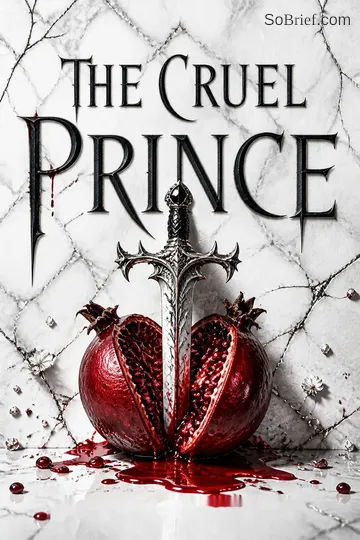
The Cruel Prince reworks the changeling fairy tale into a study of power, belonging, and the corrosion of the self under tyranny. Jude's1 defining wound, watching her parents murdered by the man who then raised her, produces a psyche organized around a single conviction: that powerlessness is the true death, and control the only safety. Black tracks how this conviction curdles ambition into ruthlessness, asking whether Jude1 resists Faerie's monsters or slowly becomes one. The recurring refrain, you are no killer, operates as both insult and prophecy, and Jude's1 violent disproving of it is presented as neither triumph nor tragedy but as inevitable adaptation to a predatory world. The novel refuses moral comfort. Rescue kills (Sophie), love deceives (Locke6 ), fathers betray (Madoc3 and Dain7 alike), and the heroine wins by lying, poisoning, and enslaving her enemy to her will. Black is interested in the ethics of survival under domination, the way the marginalized are valued only as instruments, and the seductive logic by which defiance escalates into mastery. The twins Jude1 and Taryn4 embody divergent responses to oppression (defiance versus assimilation), and the book honors the cost of each without endorsing either. Cardan,2 the titular cruel prince, is rendered as a mirror rather than a mere antagonist, his cruelty an inherited dialect of fear, which complicates Jude's1 hatred into something more dangerous and intimate. The crown itself, a metal that binds vows and curses usurpers, literalizes the novel's thesis that legitimacy and force are different things, and that power seized is power that must be exhaustingly maintained. The ending, with Jude1 ruling from the shadows over a puppet king,2 is deliberately vertiginous: she has everything she sacrificed for, and no peace. Black suggests that the throne won through betrayal is a kind of servitude, and that the self forged to survive cruelty may never be recovered.
Review Summary
The Cruel Prince receives largely positive reviews, with many readers praising its dark fantasy elements, complex characters, and intricate plot. Jude, the protagonist, is often described as a compelling and morally grey character. The faerie world-building and political intrigue are frequently highlighted as strengths. Some readers find the pacing slow at first but appreciate the build-up to a thrilling conclusion. While a few reviewers criticize aspects of character development or romance, most express excitement for the sequel and admiration for Holly Black's writing style.
People Also Read






Characters
Jude Duarte
Mortal who craves powerA human girl stolen into Faerie at seven after watching her parents murdered, raised by the man responsible3. At seventeen Jude is fierce, ambitious, and chronically afraid, having learned to convert terror into defiance. She refuses to bow despite her vulnerability among immortal Folk who can glamour, outlast, and outmuscle her. Driven by a desperate need to belong and an even deeper need for control no one can revoke, she trains relentlessly with blade and strategy. Jude is loyal to her sisters and small brother10 yet capable of cold violence and elaborate deception. Her arc traces a migration from acceptance-seeking outsider to ruthless schemer, haunted by the question of whether she is becoming the monsters she opposes or simply surviving them.
Cardan
The cruel youngest princeThe High King's spiteful sixth-born son, beautiful, drunk, and casually vicious, with a hidden tail and a talent for public humiliation. Cardan torments Jude1 with singular intensity, yet his malice masks a wounded interior shaped by paternal neglect and a brutal elder brother8. Clever-tongued and charming when he chooses, he is genuinely poor with a sword and claims to despise killing. His hatred of Jude1 is tangled with an obsession he loathes in himself. Beneath the kohl and arrogance lies a young man who learned cruelty as a survival dialect and expects nothing but contempt. He is both Jude's1 nemesis and her uncanny double, equally afraid, equally performing fearlessness.
Madoc
The redcap war generalA towering green-skinned redcap, the High King's general, who needs bloodshed the way the sea needs salt and dips his cap in enemies' blood. He murdered Jude's1 parents yet raised her and Taryn4 out of a rigid sense of honor and obligation, teaching them strategy and swordplay. Madoc loves his children genuinely, even Jude1, but his love offers no protection from his nature: he is a creature of war who finds barely suppressed conflict pleasurable. Ambitious and patient, he waits for the right opportunity and plans for every outcome to end in victory. He embodies the novel's central paradox, tenderness and monstrousness coexisting in the same heart.
Taryn
Jude's assimilating twinJude's1 identical twin, who chooses appeasement over defiance, longing to belong in Faerie through softness and a strategic marriage rather than confrontation. Taryn believes that enduring cruelty quietly will eventually earn peace, and she resents Jude1 for provoking enemies and dragging them both into danger. Tutored by Oriana9 in courtly composure, she is pretty, pragmatic, and secretive, harboring a hidden romance. The twins love each other fiercely yet wound each other deeply, each seeing in the other a version of herself she rejects. Taryn represents the path of accommodation, raising questions about complicity, self-preservation, and whether survival under tyranny requires betraying one's own.
Vivienne
Rebellious faerie eldest sisterMadoc's3 true daughter with cat eyes and pointed ears, who vowed to hate him and never adapted to Faerie. Vivi rebels by stealing into the mortal world, loving a human girl named Heather, and refusing courtly games. Cheerfully selfish yet fiercely protective, she stuck by the twins through their childhood despite her grief. She dreams of escaping Faerie entirely and represents the possibility of refusing the whole poisoned system.
Locke
Fox-eyed charming tricksterA russet-haired lord with fox eyes and an obsession with stories and dramatics, who courts Jude1 with apparent tenderness. Locke claims he likes to make things happen and authors others' lives for entertainment. Orphaned son of the murdered Liriope17, he is one of Cardan's2 circle yet positions himself as Jude's1 gentle exception. His charm conceals a manipulative appetite for emotional spectacle, making him one of Faerie's subtler predators.
Prince Dain
The spymaster heirEldred's third-born son and chosen successor, a deer-legged prince who leads the warrior Circle of Falcons and projects honor and fairness. Dain recruits Jude1 into his Court of Shadows, granting her a geas of protection that secretly leaves him able to compel her. Calculating and willing to demand self-mutilation to test loyalty, he treats his agents as instruments. His polished reputation hides ruthless ambition and old, buried crimes.
Balekin
The brutal eldest princeEldred's firstborn, leader of the debauched Circle of Grackles, with thorns ridging his arms and enslaved mortals starving in his manor. Balekin craves the throne and is unafraid of bloodshed, abusing his younger brother Cardan2 under the guise of love and discipline. Cruel, ambitious, and politically clumsy, he believes raw force can substitute for legitimacy, a miscalculation that drives much of the novel's violence.
Oriana
Madoc's wary wifeMadoc's3 pale, ghostly second wife, once a consort to the High King, who distrusts the mortal twins and guards her sickly son Oak10 obsessively. Cold and suspicious toward Jude1, Oriana fears scandal and danger from the Court she once inhabited. Her protectiveness conceals secrets about Oak's10 true parentage and a past of survival amid royal intrigue and poison.
Oak
The beloved small brotherA sweet, horned faerie boy raised as Madoc3 and Oriana's9 son, who adores his sisters and plays with childlike whims. Oak is too young to understand the deadly significance of his bloodline. He represents innocence in a world of schemers, and the question of whether the next generation can be shielded from inherited cruelty and the corrupting pull of the crown.
The Ghost
Silent assassin spyA part-human, sandy-haired member of the Court of Shadows who moves in near-total silence and trains Jude1 in stealth and marksmanship. Calm, cold, and lethal, he carries the weight of past killings done in service. He becomes a reluctant ally to Jude1, valuing competence over comfort and offering rare, hard-won respect.
The Roach
Goblin master thiefA scarred green goblin with a melodious voice and a scythe-like nose, the practical, paranoid heart of the Court of Shadows. The Roach teaches Jude1 infiltration and pickpocketing while keeping a wry distance. He prefers stealing gems to grand schemes and proves a loyal, plain-speaking companion when loyalties scatter.
The Bomb
Explosives-loving spyA tiny, doe-skinned pixie-imp with a cloud of white hair and blue-gray butterfly wings, who delights in blowing things up. Blunt and cheerful where Court faeries are baroque, she befriends Jude1 and chooses to stay rather than flee, becoming an essential, unexpectedly warm member of Jude's1 inner circle.
Nicasia
Proud Undersea princessDaughter of the sea queen Orlagh, fostered at Court, with ocean-colored hair and haughty cruelty. Once Cardan's2 lover before Locke6 stole her, she torments Jude1 and prizes power above kindness.
Valerian
Violence-loving tormentorA golden-haired member of Cardan's2 circle, clad always in red, who genuinely enjoys inflicting pain and twice attempts to murder Jude1. The most lethal of her schoolyard enemies, he embodies casual faerie sadism without Cardan's2 hidden complexity.
Lord Roiben
Grim Termite kingThe notoriously bloodthirsty, salt-haired ruler of the Court of Termites, who won his throne in battle and weighs whether to swear to a new High King. Scrupulously polite and unreadable, he bargains with Jude1 for a future favor, a powerful and dangerous potential ally.
Liriope
The murdered consortA joyful former royal consort, Locke's6 mother, poisoned with blusher mushroom years before the story. Her dying message hidden in a golden acorn carries a secret about a child that proves central to the kingdom's fate.
Plot Devices
The Geas of Protection
Mind-shield with a hidden leashWhen Jude1 enters Dain's7 service, he places a geas making her immune to all faerie glamour, so no enchantment can move her body or addle her mind. The catch, revealed only after she accepts, is that Dain7 alone retains the power to compel her. This device elegantly grants Jude1 her deepest wish, control over her own mind in a world where faeries casually override mortal will, while binding her to a master. It pays off repeatedly: it saves her from Valerian's15 command to leap from a tower and from his order to walk to her death, and it outlasts Dain7 himself, surviving his death to keep her free even when allies might wish to compel her.
Mithridatism and Faerie Poisons
Self-poisoning builds immunityFaerie fruit (the everapple) muddles mortal minds, and poisons like blusher mushroom, deathsweet, and wraithberry can paralyze or kill. After nearly dying when Valerian15 forces everapple into her mouth, Jude1 secretly practices mithridatism, ingesting tiny escalating doses of poison to build tolerance. The Ghost11 notices the bluish cast in her nails. This grueling regimen, which leaves her sick and sleepless, becomes a hidden weapon. Black uses it to externalize Jude's1 willingness to harm herself in pursuit of invulnerability, and it pays off decisively in the climax when Jude1 poisons wine that fells Madoc3 while she, immune, survives. The device links bodily suffering to power throughout the novel.
The Blood Crown
Transferable source of authorityForged by the smith Grimsen for Queen Mab, the Blood Crown passes only between blood relations of the Greenbriar line, and subjects swear fealty to the crown itself rather than its wearer. It cannot be forced onto a non-heir, it burns usurpers, and murdering its crowned wearer kills the killer, which is why the coup strikes while it rests on no head. The crown is the novel's MacGuffin and engine: every faction maneuvers to control who places it and who wears it. Its rule that two heirs are needed (one to wear, one to crown) and that vows attach to metal rather than man becomes the precise loophole Jude1 exploits in the climactic banquet.
Liriope's Golden Acorn
Recorded message hiding a secretA solid golden acorn, found in a pocket of a gown belonging to Locke's6 dead mother Liriope17, opens via a hidden pinhole to reveal a tiny mechanical bird that speaks her last words. Dying of poison, Liriope17 begged a friend to protect and hide her child and never reveal the truth of her murder. Jude1 keeps the bauble, and its message, combined with the blusher mushroom letter and Oriana's9 confessions, lets her decode the buried parentage that reorganizes the entire power struggle. The acorn is a poignant device, a mother's preserved voice, and a plot key whose full meaning detonates late, transforming a minor character's tragedy into the hinge of the kingdom's future.
The Court of Shadows
Hidden spy network and familyA secret troupe of solitary fey (the Roach12, the Ghost11, the Bomb13) operating from tunnels beneath the palace, serving as the prince's spies, thieves, and assassins. They move through hidden passageways, blend among servants, and carry code names earned over time. For Jude1, the Court of Shadows offers belonging through shared transgression, a surrogate family of outcasts who value competence over bloodline. Functionally it equips her with espionage skills, intelligence, and muscle she lacks alone. When the political order collapses, this network becomes the instrument through which Jude1 executes her audacious endgame, and her own code name, bestowed at the close, marks the completion of her transformation from despised mortal to something the Folk must reckon with.
FAQ
Synopsis & Basic Details
What is The Cruel Prince about?
- Mortal girl in Faerie: The story follows Jude, a mortal girl, who is taken to the treacherous realm of Faerie after her parents are murdered.
- Navigating court intrigue: Jude and her twin sister Taryn must navigate the complex politics and cruel social hierarchy of the High Court of Faerie.
- Seeking power and acceptance: Jude, determined to belong, trains to become a knight and gets entangled in a web of secrets, lies, and betrayals as she seeks power and acceptance.
Why should I read The Cruel Prince?
- Intricate political landscape: The book offers a deep dive into the complex political landscape of Faerie, filled with scheming, alliances, and betrayals.
- Compelling character development: Jude's transformation from a powerless mortal to a cunning strategist is a captivating journey of self-discovery.
- Dark and enchanting world: Holly Black creates a dark and enchanting world with morally gray characters, making for a thrilling and immersive reading experience.
What is the background of The Cruel Prince?
- Faerie realm: The story is set in the magical realm of Faerie, a place where the Folk are immortal, beautiful, and often cruel, with a complex social hierarchy.
- Mortal-fae relations: The background includes a history of fraught relations between mortals and fae, with mortals often seen as inferior and used as pawns.
- Political unrest: The political landscape is unstable, with various factions vying for power, setting the stage for the events of the book.
What are the most memorable quotes in The Cruel Prince?
- "I am going to keep on defying you. I am going to shame you with my defiance.": This quote encapsulates Jude's rebellious spirit and her determination to challenge the cruel fae.
- "What you lack is nothing to do with experience.": Madoc's words highlight Jude's perceived weakness, fueling her desire to prove herself and gain power.
- "Never is like forever—too big for mortals to comprehend.": Cardan's line emphasizes the vast difference between the immortal fae and the fleeting lives of mortals, a central theme of the book.
What writing style, narrative choices, and literary techniques does Holly Black use?
- First-person perspective: The story is told from Jude's first-person perspective, allowing readers to deeply connect with her thoughts, emotions, and motivations.
- Foreshadowing and symbolism: Black uses subtle foreshadowing and recurring symbols to create a sense of unease and hint at future events, enhancing the story's complexity.
- Dark and lyrical prose: The writing style is both dark and lyrical, capturing the beauty and brutality of Faerie, and creating an immersive reading experience.
Hidden Details & Subtle Connections
What are some minor details that add significant meaning?
- The missing finger tip: Jude's missing fingertip, a result of a brutal attack, serves as a constant reminder of her vulnerability and the cruelty of Faerie.
- The rowan berry necklace: The necklace, meant to protect Jude from enchantments, highlights her constant need for protection and her awareness of her mortal status.
- The descriptions of clothing: The detailed descriptions of clothing, especially the Gentry's elaborate attire, emphasize the social hierarchy and the importance of appearances in Faerie.
What are some subtle foreshadowing and callbacks?
- Oriana's warnings: Oriana's repeated warnings about the dangers of Faerie and the importance of caution foreshadow the many betrayals and dangers Jude faces.
- The song about Prince Jamie: The ballad about Prince Jamie, "the worst" of King William's sons, foreshadows Cardan's own perceived unworthiness and his potential for cruelty.
- The mention of Grimsen: The reference to Grimsen, the smith who forged Queen Mab's crown, hints at the importance of the crown and its power, which becomes central to the plot.
What are some unexpected character connections?
- Madoc and Jude's mother: The revelation that Madoc was once in love with Jude's mother adds a layer of complexity to his character and his motivations for raising Jude and her sisters.
- Locke and Nicasia's past: The subtle hints at a past relationship between Locke and Nicasia reveal the tangled web of relationships and rivalries within the High Court.
- Oriana and Liriope: The connection between Oriana and Liriope, as fellow consorts of the High King, adds depth to Oriana's character and her motivations for protecting Oak.
Who are the most significant supporting characters?
- The Roach: As a member of the Court of Shadows, the Roach provides a glimpse into the darker side of Faerie and the world of espionage, and his loyalty to Dain is a key plot point.
- The Ghost: The Ghost's quiet competence and skill as a spy make him a valuable ally to Jude, and his past with Dain adds a layer of complexity to his character.
- The Bomb: The Bomb's expertise in explosives and her loyalty to the Court of Shadows make her a crucial player in Jude's plans, and her unique perspective adds depth to the story.
Psychological, Emotional, & Relational Analysis
What are some unspoken motivations of the characters?
- Madoc's desire for power: Madoc's unspoken desire for power and control drives his actions, including his manipulation of Jude and his betrayal of Dain.
- Cardan's fear of vulnerability: Cardan's cruelty and arrogance mask his deep-seated fear of vulnerability and his desire for control, which is why he is so drawn to Jude.
- Taryn's need for acceptance: Taryn's need for acceptance and belonging in Faerie motivates her choices, often leading her to betray Jude and seek approval from the fae.
What psychological complexities do the characters exhibit?
- Jude's internal conflict: Jude struggles with her desire for power and her fear of becoming like the cruel fae, creating a complex internal conflict that drives her actions.
- Cardan's self-loathing: Cardan's self-loathing and his struggle with his own identity as a prince of Faerie contribute to his volatile behavior and his complex relationship with Jude.
- Madoc's twisted sense of honor: Madoc's twisted sense of honor and duty leads him to commit acts of violence and betrayal, highlighting the complexities of his character.
What are the major emotional turning points?
- Jude's decision to defy Cardan: Jude's decision to defy Cardan after the river incident marks a turning point in her character development, as she embraces her anger and desire for power.
- Jude's betrayal by Taryn: Taryn's betrayal of Jude by swearing not to help her after the river incident is a major emotional turning point, highlighting the fragility of their relationship.
- Jude's discovery of Madoc's betrayal: Jude's discovery of Madoc's betrayal of Dain is a major emotional turning point, forcing her to confront the true nature of the man who raised her.
How do relationship dynamics evolve?
- Jude and Cardan's complex relationship: The relationship between Jude and Cardan evolves from animosity to a complex mix of attraction, hatred, and a grudging respect, highlighting the power dynamics between them.
- Jude and Taryn's strained bond: The bond between Jude and Taryn is strained by jealousy, betrayal, and their differing desires, showcasing the challenges of maintaining relationships in Faerie.
- Jude and Madoc's complicated dynamic: The relationship between Jude and Madoc is a complex mix of love, fear, and resentment, highlighting the challenges of their adoptive family dynamic.
Interpretation & Debate
Which parts of the story remain ambiguous or open-ended?
- The true nature of Locke's feelings: Locke's true feelings for Jude and Taryn remain ambiguous, leaving readers to question his motivations and loyalties.
- The extent of Madoc's plan: The full extent of Madoc's plan and his motivations for betraying Dain remain somewhat ambiguous, leaving readers to speculate about his true intentions.
- The future of Faerie: The future of Faerie after Cardan's coronation is left open-ended, leaving readers to wonder what kind of ruler he will be and what role Jude will play.
What are some debatable, controversial scenes or moments in The Cruel Prince?
- Jude's use of poison: Jude's use of poison to gain power and control is a controversial aspect of her character, raising questions about her morality and the lengths she will go to achieve her goals.
- Taryn's betrayal of Jude: Taryn's decision to side with Cardan and his friends is a controversial moment, sparking debate about her loyalty and her motivations.
- Madoc's actions at the coronation: Madoc's betrayal of Dain and his role in the violence at the coronation are controversial, raising questions about his true nature and his motivations.
The Cruel Prince Ending Explained: How It Ends & What It Means
- Cardan's unexpected coronation: Cardan's unexpected coronation as High King is a major twist, subverting expectations and setting the stage for future conflicts.
- Jude's oath to Cardan: Jude's oath to Cardan, while seemingly a defeat, is actually a strategic move, allowing her to gain power and influence over the new High King.
- The uncertain future: The ending leaves the future of Faerie uncertain, with Jude and Cardan's complex relationship and the threat of Balekin's return hanging over the realm.
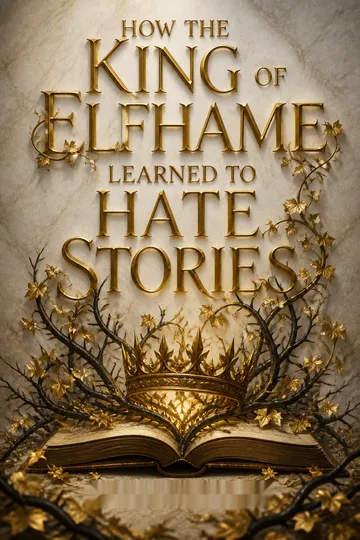
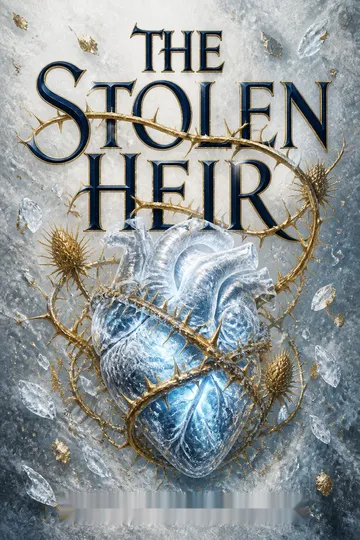
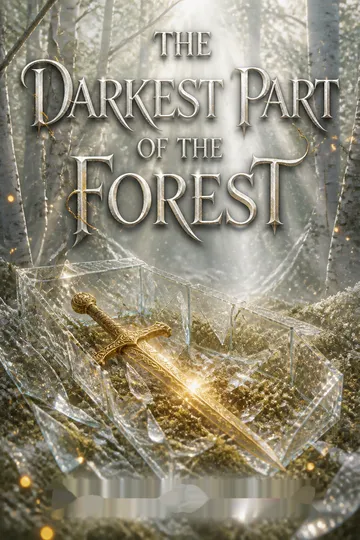
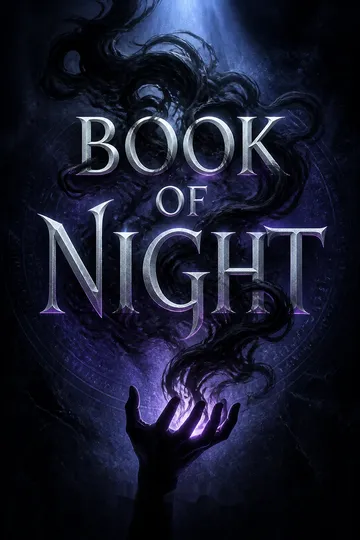
Elfhame Series

About the Author

Download PDF
Download EPUB
.epub digital book format is ideal for reading ebooks on phones, tablets, and e-readers.








































