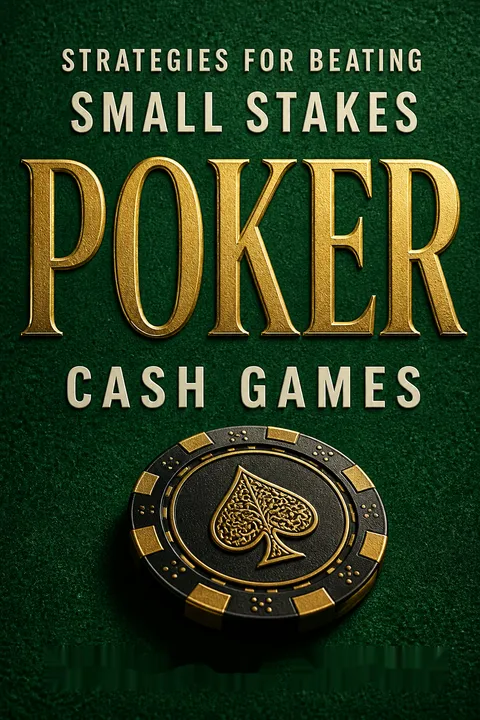
Vigtigste pointer
1. Udnyt modstandernes fejl, ikke spil perfekt poker
Du tjener penge primært ved at udnytte dine modstanderes fejl.
Profitér på fejl. I cash games med små indsatser er nøglen til succes at kapitalisere på modstandernes fejl frem for at stræbe efter fejlfrit spil. De fleste spillere i disse spil har betydelige svagheder, såsom at spille for mange hænder, calle for ofte eller folde for hyppigt. Ved at identificere og udnytte disse tendenser kan du opnå en højere gevinstprocent end i spil med højere indsatser, hvor spillerne laver færre fejl.
Tilpas din strategi. Juster dit spil for at udnytte specifikke modstandertyper:
- Mod løse passive spillere: Vær aggressiv med værdi-bets på stærke hænder
- Mod stramme spillere: Bluff oftere, især på skræmmende boards
- Mod aggressive spillere: Lav fælder med stærke hænder og call lettere ned
Balance vs. udnyttelse. Selvom en balanceret strategi er vigtig i spil med højere indsatser, bør du i små indsatser fokusere på udnyttende spil. Det betyder, at du afviger fra GTO (game theory optimal) strategier for at maksimere profit mod specifikke modstanderes svagheder.
2. Juster strategi baseret på spillertyper og tendenser
Hvis du kan spille på en måde, der vækker frygt i dine modstanderes hjerter, vil du kunne dominere bordet.
Kategoriser modstandere. Udvikl en skarp evne til at klassificere spillere i brede kategorier som løs-passiv, stram-aggressiv eller manisk. Denne indledende kategorisering hjælper med at danne en grundlæggende strategi mod hver modstander. Det er dog vigtigt løbende at finjustere disse vurderinger, efterhånden som du observerer specifikke tendenser og mønstre i deres spil.
Udnyt specifikke svagheder. Når du har identificeret en modstanders tendenser, tilpas din strategi for at udnytte dem:
- Mod calling stations: Værdi-bet tyndere og undgå bluff
- Mod alt for stramme spillere: Øg din bluff-frekvens
- Mod aggressive spillere: Spil mere passivt og lav fælder med stærke hænder
Forbliv tilpasningsdygtig. Vær parat til at justere din strategi, efterhånden som modstanderne tilpasser sig, eller du får mere information. Din evne til at være fleksibel og løbende revurdere situationer er nøglen til langsigtet succes i cash games med små indsatser.
3. Mestre preflop-spil og indsatsstørrelser
Mens de fleste amatører ser dette som en grund til at raise større preflop, skal du forstå, at ikke alle hænder udvikler sig på den måde.
Optimer preflop-ranges. Udvikl solide preflop-ranges for hver position, men vær villig til at justere baseret på borddynamik og specifikke modstandere. Generelt spiller du strammere fra tidlige positioner og løsere fra sene positioner. Undgå dog at blive forudsigelig ved lejlighedsvis at blande uventede plays ind.
Strategisk indsatsstørrelse. I modsætning til almindelig praksis i små indsats-spil, overvej at bruge mindre preflop-raises, omkring 2,5 til 3 big blinds. Dette opnår flere mål:
- Giver dig mulighed for at se flere flops med et bredere udvalg af hænder
- Gør det sværere for modstandere at spille perfekt mod dig
- Holder puljen håndterbar, når du er out of position
Position er magt. Vær altid opmærksom på din position og hvordan den påvirker dine beslutninger. Spil flere hænder og vær mere aggressiv fra sene positioner, hvor du har fordelen af at handle sidst postflop.
4. Naviger postflop-spil med præcision
Mens det er vigtigt at udføre en balanceret strategi i mellem- og højindsats-spil, bør du i cash games med små indsatser forsøge at maksimere din værdi fra hver eneste hånd, du spiller.
Vurder håndstyrke. Revurder konstant din håndstyrke baseret på boardets tekstur, antallet af modstandere og deres sandsynlige ranges. En hånd, der er stærk heads-up, kan være svag i en multiway-potte.
Bet for værdi. Når du har en stærk hånd, fokuser på at udtrække maksimal værdi. Juster dine bets, så de opfordrer til calls fra dårligere hænder, samtidig med at puljen bygges op. Mod de fleste små indsats-modstandere bør du hellere bette for værdi end slowplaye.
Bluff strategisk. Vær selektiv med dine bluffs, især i multiway-pots. Kig efter situationer hvor:
- Boardet er gunstigt for din opfattede range
- Dine modstandere har vist svaghed
- Du har noget equity (backdoor draws, overcards), hvis du bliver kaldt
5. Maksimer værdi i multiway-pots
Mens du normalt kan komme af sted med continuation bets temmelig blindt i heads-up pots, bør du, efterhånden som flere ser floppet, vende tilbage til at spille mere ligetil.
Tilpas dig puljens dynamik. I multiway-pots øges sandsynligheden for, at nogen har ramt boardet betydeligt. Dette kræver en mere forsigtig tilgang til continuation bets og bluffs. Fokusér på at spille stærke hænder for værdi og vær mere villig til at give op med marginale hænder.
Position er afgørende. I multiway-pots bliver position endnu vigtigere. Når du handler sidst, har du fordelen af at se, hvordan flere modstandere reagerer på boardet, hvilket giver dig mulighed for at træffe mere informerede beslutninger. Kig efter muligheder for at stjæle, når alle viser svaghed.
Håndvalg betyder noget. Forstå, at hænder som midterpar eller svagt toppar mister værdi i multiway-pots. Prioritér hænder med stærk showdown-værdi eller gode drawing-muligheder. Vær parat til at folde oftere, når du møder aggression fra flere modstandere.
6. Udvikl en disciplineret tilgang til draws og bluffs
Draws kommer typisk i tre typer: premium draws, marginale draws og dårlige draws.
Klassificer dine draws. Forstå forskellen mellem premium draws (flush draws med ekstra equity), marginale draws (rene flush draws, open-ended straight draws) og dårlige draws (gutshots, backdoor draws). Spil dem derefter:
- Premium draws: Spil aggressivt, ofte ved at raise eller check-raise
- Marginale draws: Bland passivt og aggressivt spil baseret på modstandere og pot odds
- Dårlige draws: Check-fold som regel, medmindre du har en specifik læsning eller gode implied odds
Overvej bluffing. Når du overvejer et bluff, tag højde for disse faktorer:
- Din modstanders tendenser (er de i stand til at folde?)
- Boardets tekstur (gør det din range stærkere?)
- Din position (bluff er generelt mere effektivt i position)
- Din fold equity (hvor sandsynligt er det, at modstanderen folder?)
Pot odds og implied odds. Vær altid opmærksom på de pot odds, du får på dine draws, og de potentielle implied odds, hvis du rammer. Denne bevidsthed hjælper dig med at træffe mere profitable beslutninger på lang sigt.
7. Dyrk tilpasningsevne og konstant læring
Hvis du modellerer dit spil efter dine $1/$2 modstandere, bør du forvente at blive i $1/$2 spillene i lang tid. Hvis du derimod modellerer dine strategier efter high stakes spillere, har du langt bedre chance for at nå deres færdighedsniveau.
Omfavn en vækstmentalitet. Indse, at det kræver kontinuerlig læring og tilpasning at blive en succesfuld pokerspiller. Vær åben for nye strategier og villig til konstant at analysere og forbedre dit spil.
Studér og anvend. Dedikér tid til at studere poker væk fra bordet:
- Læs bøger og artikler fra succesfulde spillere
- Analyser håndhistorier og diskuter strategier med ligesindede
- Brug poker-software til at analysere dit spil og identificere svagheder
Erfar forskellige situationer. Undgå ikke udfordrende situationer eller nye spiltyper. Jo flere forskellige erfaringer du har, desto bedre rustet er du til at håndtere forskellige scenarier ved bordet.
Andre læste også








FAQ
What’s "Strategies for Beating Small Stakes Poker Cash Games" by Jonathan Little about?
- Targeted at Small Stakes Cash Games: The book is a practical guide focused on helping players beat small stakes no-limit hold’em cash games, especially at the $1/$2 level.
- Exploiting Opponent Mistakes: Jonathan Little emphasizes exploiting the common errors made by typical small stakes opponents rather than playing a rigid, unexploitable strategy.
- Comprehensive Coverage: The book covers opponent types, preflop and postflop strategies, bet sizing, bankroll management, tells, and mindset.
- Actionable Examples: Real hand examples from Little’s own sessions are used to illustrate key concepts and strategies.
Why should I read "Strategies for Beating Small Stakes Poker Cash Games" by Jonathan Little?
- Proven Winning Approach: The author is a two-time World Poker Tour champion who has demonstrated success at both high and small stakes, sharing strategies that led to a $35/hour win rate at $1/$2.
- Focus on Practical Adjustments: The book teaches you how to adjust your play based on specific opponent tendencies, which is crucial for moving up in stakes.
- Not for Total Beginners: It’s designed for players with some experience who want to quickly progress to middle stakes, not for those brand new to poker.
- Bonus Resources: Readers get access to quizzes, video content, and further learning materials to reinforce the book’s lessons.
What are the key takeaways from "Strategies for Beating Small Stakes Poker Cash Games"?
- Exploitative Play is Key: In small stakes, maximizing profit comes from exploiting opponents’ mistakes, not from playing a balanced, game theory optimal strategy.
- Opponent Classification: Understanding and categorizing opponents (e.g., loose passive, tight aggressive, maniacs, calling stations) is essential for adjusting your strategy.
- Bet Sizing Matters: Thoughtful preflop and postflop bet sizing can induce mistakes from opponents and maximize value.
- Discipline and Mindset: Bankroll management, emotional control, and the ability to make big folds are as important as technical skills.
How does Jonathan Little recommend classifying and exploiting different opponent types in small stakes cash games?
- Six Main Opponent Types: The book details straightforward loose passive, weak tight passive, straightforward tight aggressive, good tight aggressive, maniacal loose aggressive, and calling station players.
- Tailored Adjustments: For each type, Little provides specific adjustments—such as value betting relentlessly against calling stations or slow playing against maniacs.
- Range Awareness: Emphasizes playing against an opponent’s range, not a specific hand, and narrowing that range as the hand progresses.
- Exploiting Predictability: Many small stakes players are straightforward; recognizing their patterns allows you to fold when beat and value bet when ahead.
What preflop strategies and bet sizing does Jonathan Little advise for small stakes cash games?
- Smaller, Consistent Raises: Little recommends raising to 2.5–3 big blinds preflop to keep opponents’ ranges wide and leverage postflop skill.
- Adjust for Opponent Tendencies: Increase raise size if opponents call any amount, but generally avoid forcing them to play correctly with large raises.
- Position-Based Ranges: Play tighter from early position and widen your range as you move to later positions, always considering the tendencies of players yet to act.
- Handling Limpers and Reraises: Adjust your strategy based on whether limpers are weak or strong, and be disciplined about folding to tight reraises with hands that have reverse implied odds.
How should you approach postflop play in small stakes cash games according to Jonathan Little?
- Hand Value is Relative: The strength of your hand depends on the number of players, board texture, and opponent tendencies.
- Value Betting and Pot Control: Bet for value when ahead, but be ready to pot control or fold when the board or action suggests you’re beat.
- Continuation Betting: Use smaller bets on dry boards and larger bets on coordinated boards; don’t be afraid to check-fold when appropriate.
- Bluffing and Fold Equity: Bluff more when you have fold equity, especially against opponents who can fold, but avoid bluffing calling stations.
What are Jonathan Little’s recommendations for playing against limpers and in multiway pots?
- Assess Limpers’ Ranges: Determine if limpers are weak (limping junk) or strong (limping premium hands) and adjust your raising and calling ranges accordingly.
- Raising Over Multiple Limpers: Raise for value with strong hands, but be cautious with marginal hands unless you have a significant postflop edge.
- Multiway Pot Caution: Play more straightforwardly in multiway pots, as someone is more likely to have connected with the board.
- Stealing When Appropriate: If everyone checks to you in a multiway pot and you sense weakness, don’t be afraid to take a stab at the pot.
How does "Strategies for Beating Small Stakes Poker Cash Games" address playing against aggressive players and maniacs?
- Induce Bluffs: Against maniacs, call down with strong and even marginal hands to induce bluffs, rather than raising and forcing them to fold.
- Hand Value Shifts: Recognize that hands like middle pair can be strong against maniacs due to their wide ranges.
- Avoid Isolating Yourself: Don’t raise maniacs postflop with strong hands; let them continue bluffing into you.
- Occasional Bluffs: You can bluff maniacs in spots where they will give you credit for strength, but do so sparingly.
What does Jonathan Little say about bankroll management and mindset for small stakes cash game players?
- Bankroll Recommendations: For $1/$2, a bankroll of at least $3,000 is suggested for serious players, with more required as you move up in stakes.
- Rake Awareness: High rake can make some games unbeatable; play tighter and for bigger pots if the rake is significant.
- Emotional Control: Avoid tilt by accepting variance, recording mistakes for later review, and not letting short-term results affect your play.
- Professional Attitude: Treat each session as part of a continuous process, not as isolated events, and don’t be afraid to move down in stakes if necessary.
What are some advanced concepts and tactics covered in "Strategies for Beating Small Stakes Poker Cash Games"?
- Bet Sizing for Value and Bluffs: Adjust bet sizes based on opponent tendencies and the range you want to get called by or fold out.
- Overbetting: Use overbets in specific situations—against calling stations with strong hands or as bluffs when you know your opponent’s range is weak.
- Limp-Reraising: Generally discouraged, but can be used as a bluff against aggressive raisers or to trap when you have a premium hand and expect a raise behind.
- Playing with Abnormal Stack Sizes: Adjust hand values and strategies when stacks are deeper or shorter, and understand how straddles affect effective stack size and play.
How does Jonathan Little recommend using tells and physical reads in small stakes cash games?
- Observe Opponent Behavior: Pay attention to changes in posture, interest, blinking, and speech for clues about hand strength.
- Baseline and Deviations: Establish a baseline for each opponent’s normal behavior, then look for deviations that indicate strength or weakness.
- Speech and Timing: Players who talk or act quickly may be strong or weak depending on their usual patterns; use this information to inform your decisions.
- Control Your Own Tells: Remain stoic and consistent in your own behavior to avoid giving away information.
What are the best quotes from "Strategies for Beating Small Stakes Poker Cash Games" by Jonathan Little and what do they mean?
- “You make money primarily by taking advantage of your opponents’ mistakes.” – The core of Little’s philosophy: focus on exploiting errors rather than playing perfectly yourself.
- “If you are only capable of thinking inside the box, expect to stay boxed in at the small stakes forever.” – Encourages creative, adaptive play rather than rigid adherence to charts or formulas.
- “Betting for value with the intention of folding if your opponent raises is a skill that simply must be mastered.” – Highlights the importance of extracting value but also having the discipline to fold when beat.
- “If you model your game after your $1/$2 opponents, you should expect to stay in the $1/$2 games for quite a while.” – Urges readers to emulate high-level strategies, not the habits of their current competition.
- “If you want to succeed at this difficult game, you must develop the mindset of a true professional.” – Stresses the importance of emotional control, discipline, and a long-term approach to poker success.

Download PDF
Download EPUB
.epub digital book format is ideal for reading ebooks on phones, tablets, and e-readers.








































