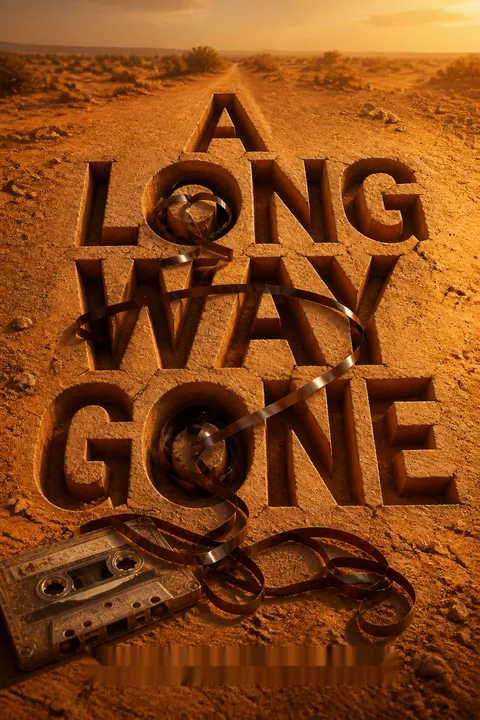

Ideas clave
1. Una infancia destrozada por la guerra civil en Sierra Leona
Se contaban todo tipo de historias sobre la guerra que hacían parecer que ocurría en un lugar lejano y distinto. No fue hasta que refugiados comenzaron a pasar por nuestro pueblo que empezamos a darnos cuenta de que en realidad estaba sucediendo en nuestro propio país.
La guerra llega sin aviso. La infancia de Ishmael Beah en Sierra Leona se ve abruptamente interrumpida cuando estalla la guerra civil en 1991. Con apenas 12 años, pasa de ser un niño despreocupado que ama el hip-hop y Shakespeare a un refugiado que huye por su vida.
El impacto es devastador:
- Familias desgarradas
- Aldeas destruidas
- Miedo y incertidumbre constantes
- Pérdida de la inocencia y la normalidad
A medida que la violencia se extiende, Ishmael se separa de su familia y se ve obligado a vagar con otros niños, luchando por sobrevivir en un mundo trastornado por el conflicto.
2. Forzado a convertirse en niño soldado a los 13 años
"Tenemos buenas noticias de nuestros informantes. Saldremos en cinco minutos a matar a algunos rebeldes y tomar sus suministros, que en realidad nos pertenecen," anunciaba el teniente.
La supervivencia conduce al reclutamiento. Tras meses de huir y escapar por poco de la muerte, Ishmael, con 13 años, es reclutado a la fuerza por el ejército gubernamental. La elección es clara: ser soldado o morir.
La transformación es rápida y brutal:
- Indoctrinación mediante propaganda y drogas
- Entrenamiento en violencia y manejo de armas
- Pérdida del sentido moral y la empatía
- Niños convertidos en máquinas de matar
Ishmael y otros muchachos reciben AK-47 y son enviados al frente, sus recuerdos de infancia reemplazados por los horrores de la guerra.
3. La brutal realidad de la guerra: violencia, drogas y pérdida de la inocencia
No sentía nada por él, no pensaba mucho en lo que hacía. Solo esperaba la orden del cabo. El prisionero era simplemente otro rebelde responsable de la muerte de mi familia, como había llegado a creer de verdad.
Desensibilización ante la violencia. Las experiencias de Ishmael como niño soldado son horribles. Se ve obligado a cometer atrocidades y presencia actos de violencia indescriptibles.
El costo para su mente es enorme:
- Adicción a drogas (cocaína, marihuana, "brown brown")
- Pesadillas y recuerdos traumáticos
- Entumecimiento emocional y desapego
- Pérdida del sentido moral y humanidad
La línea entre víctima y agresor se difumina mientras Ishmael lucha por sobrevivir en un mundo de violencia y miedo constantes.
4. Rehabilitación y la lucha por recuperar la humanidad
"Nada de esto es tu culpa," solía decir con firmeza al final de cada conversación. Aunque había escuchado esa frase de todos los miembros del personal —y francamente siempre la odié—, ese día comencé a creerla.
El largo camino hacia la sanación. Tras años de lucha, Ishmael es rescatado por UNICEF y llevado a un centro de rehabilitación. El proceso para recuperar su humanidad es lento y doloroso.
Aspectos clave de la rehabilitación:
- Desintoxicación de drogas
- Terapia y acompañamiento psicológico
- Reaprender a confiar y sentir empatía
- Enfrentar el trauma y la culpa
Con la ayuda del personal dedicado, especialmente la enfermera Esther, Ishmael comienza a reconectar con sus emociones y a redescubrir su identidad más allá del soldado.
5. El poder de contar historias y la educación en la sanación del trauma
Me encantaba la danza, y disfrutaba especialmente aprender las letras, porque eran poéticas y mejoraban mi vocabulario.
Recuperar la identidad a través de las historias. Durante toda su experiencia, el amor de Ishmael por el lenguaje y la narración permanece constante. Esta pasión se vuelve fundamental en su proceso de rehabilitación y sanación.
Contar historias ayuda a la recuperación al:
- Ofrecer una vía para expresar el trauma
- Reconectar con recuerdos e identidad previos a la guerra
- Mejorar la comunicación y habilidades sociales
- Brindar esperanza y narrativas alternativas
El talento de Ishmael para contar historias lo lleva finalmente a convertirse en un defensor de los niños soldados, usando su experiencia para educar y promover la paz.
6. Encontrar familia y esperanza en medio del caos de la guerra
"Como dije, no podemos regresar. Pero podemos empezar desde aquí. Yo soy tu familia y eso es suficiente para que empecemos a querernos," respondió, acariciándome la cabeza y sonriendo un poco.
Reconstruir vínculos. Tras años de pérdida y trauma, Ishmael se reencuentra con un tío que nunca conoció. Esta conexión familiar inesperada ofrece una oportunidad de normalidad y sanación.
El camino hacia la confianza y el sentido de pertenencia:
- Superar el miedo y la desconfianza
- Aprender a ser parte de una familia nuevamente
- Equilibrar el trauma pasado con la esperanza presente
- Encontrar propósito a través de la educación y la defensa de causas
A pesar de los desafíos, Ishmael comienza a reconstruir su vida con el apoyo de su nueva familia y comunidad.
7. Defensa de los niños soldados y la búsqueda de la paz
"Soy de Sierra Leona, y el problema que nos afecta a los niños es la guerra que nos obliga a huir de nuestros hogares, perder a nuestras familias y vagar sin rumbo por los bosques. Como resultado, nos involucramos en el conflicto como soldados, porteadores y en muchas otras tareas difíciles."
Convertir el trauma en acción. Las vivencias de Ishmael lo llevan a convertirse en un defensor de los niños soldados y la paz. Habla en las Naciones Unidas, compartiendo su historia para crear conciencia y promover el cambio.
Mensajes clave en su defensa:
- El impacto devastador de la guerra en los niños
- La importancia de la rehabilitación y la educación
- Romper el ciclo de violencia y venganza
- La resiliencia de los niños y la posibilidad de sanación
A través de su labor, Ishmael busca evitar que otros niños sufran los horrores que él vivió y fomentar la comprensión y la reconciliación.
Resumen de reseñas
A Long Way Gone ha recibido elogios por su impactante y desgarradora representación de los niños soldados en Sierra Leona. Los lectores valoran la escritura honesta y vívida de Beah, así como su capacidad para transmitir los horrores de la guerra. Muchos encuentran el libro profundamente conmovedor y difícil de leer debido a la intensidad de su temática. Aunque algunos critican el final abrupto o desearían un mayor contexto histórico, la mayoría reconoce el valor de Beah al compartir su historia y crear conciencia sobre la realidad de los niños soldados. Los críticos coinciden en describir estas memorias como inquietantes, desgarradoras e imprescindibles.
También leyeron

Preguntas frecuentes
What's A Long Way Gone: Memoirs of a Boy Soldier about?
- Memoir of a child soldier: The book is a memoir by Ishmael Beah, detailing his experiences as a child soldier during the civil war in Sierra Leone.
- Themes of war and survival: It explores the impact of war on children, the loss of innocence, and the struggle for survival amidst chaos.
- Personal transformation: Beah recounts his transformation from a carefree boy to a soldier, reflecting the psychological scars left by war and his quest for redemption.
Why should I read A Long Way Gone: Memoirs of a Boy Soldier?
- Insight into child soldiers: The memoir provides a rare perspective on the plight of child soldiers, challenging readers to confront the harsh realities of war.
- Powerful storytelling: Beah's writing is poignant and lyrical, making the narrative engaging and emotionally impactful.
- Awareness and advocacy: Reading this memoir raises awareness about child soldiers globally and encourages advocacy for their rights and rehabilitation.
What are the key takeaways of A Long Way Gone: Memoirs of a Boy Soldier?
- Resilience of children: Beah emphasizes that children can outlive their sufferings if given a chance, serving as a beacon of hope.
- Consequences of war: The memoir illustrates the brutal consequences of war on individuals and communities, altering the fabric of society.
- Importance of storytelling: Beah underscores the power of storytelling in healing and understanding trauma, fostering empathy and driving change.
What are the best quotes from A Long Way Gone: Memoirs of a Boy Soldier and what do they mean?
- “I would always tell people that I believe children have the resilience to outlive their sufferings, if given a chance.”: This quote emphasizes hope and the potential for recovery despite trauma.
- “When you are in war, you are not a human being anymore.”: It reflects the dehumanizing effects of war, illustrating the loss of self and morality.
- “I had lost my sense of touch.”: This signifies the emotional numbness Beah experienced as a coping mechanism during the horrors of war.
How does Ishmael Beah describe his childhood before the war in A Long Way Gone?
- Carefree and joyful: Beah's early childhood was filled with joy, music, and friendship, showcasing a typical boyhood.
- Strong family ties: He emphasizes the importance of family, particularly his relationships with his mother, father, and brother.
- Innocence lost: The contrast between his innocent childhood and the violence of war highlights the tragedy of his transformation.
What events led to Ishmael Beah becoming a child soldier in A Long Way Gone?
- Escalation of conflict: The civil war in Sierra Leone escalated rapidly, leading to the displacement of families and communities.
- Abduction and recruitment: Beah was eventually captured and forced to join the army, accepting this new identity for survival.
- Desensitization to violence: As he was trained and forced to commit atrocities, Beah became desensitized to violence as a survival mechanism.
How does Beah depict the psychological effects of war in A Long Way Gone?
- Trauma and nightmares: Beah frequently experiences nightmares and flashbacks, illustrating the lasting impact of his traumatic experiences.
- Loss of identity: The memoir shows how war can strip individuals of their identities, reducing them to mere soldiers.
- Struggle for redemption: Beah seeks redemption and healing from his past, reflecting the complex process of reclaiming his humanity.
What role does music play in Ishmael Beah's life and narrative in A Long Way Gone?
- Connection to childhood: Music serves as a powerful reminder of Beah's childhood innocence and joy.
- Coping mechanism: During the war, music becomes a way for Beah to cope with the horrors he faces.
- Symbol of hope: Ultimately, music symbolizes hope and the possibility of healing, remaining a part of his identity.
How does A Long Way Gone address the theme of survival?
- Physical and emotional survival: Beah's narrative illustrates the dual aspects of survival in a war-torn environment and amidst trauma.
- Community and connection: The importance of community and connection is emphasized, providing support and a sense of belonging.
- Resilience and hope: Despite overwhelming odds, Beah maintains hope for a better future, believing in healing and redemption.
What impact did A Long Way Gone have on the conversation about child soldiers?
- Raising awareness: Beah's memoir brought global attention to the issue of child soldiers, highlighting their experiences and the need for advocacy.
- Humanizing the issue: By sharing his personal story, Beah humanizes the statistics and reports surrounding child soldiers.
- Inspiring change: The memoir has inspired discussions about the rights of children in conflict zones and the importance of rehabilitation.
How does Beah’s narrative address the concept of identity in A Long Way Gone?
- Struggle with self-identity: Beah grapples with his identity as he transitions from a child to a soldier, feeling like a stranger to himself.
- Reclamation of identity: Beah seeks to reclaim his identity after the war through rehabilitation and storytelling.
- Cultural identity: The narrative touches on the importance of cultural identity and belonging, reflecting on his roots and heritage.
How does Beah depict the process of rehabilitation in A Long Way Gone?
- Challenges of reintegration: Beah describes the difficulties he faced in reintegrating into society after the war.
- Role of community: The importance of community support in rehabilitation is highlighted, playing a crucial role in his recovery.
- Power of storytelling: Beah emphasizes storytelling as a therapeutic tool, helping him process trauma and connect with others.
Descargar PDF
Descargar EPUB
.epub digital book format is ideal for reading ebooks on phones, tablets, and e-readers.








































