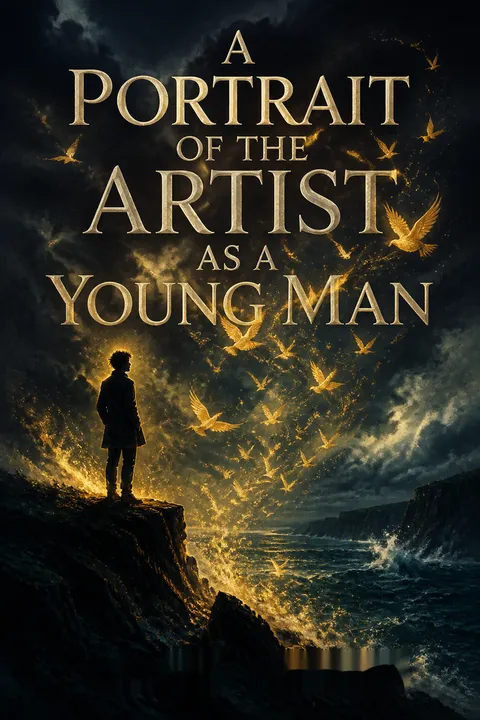

Resumen de la trama
Recuerdos de la infancia y dinámica familiar
Stephen Dedalus crece en un mundo arropado por el afecto de su madre y las historias de su padre, Simon. Sin embargo, este entorno también está marcado por la estricta influencia religiosa de figuras como Dante, quien le infunde un profundo sentido del temor y del deber. Estas primeras vivencias moldean la comprensión que Stephen tiene de la identidad y la pertenencia, sentando las bases de sus futuros conflictos internos. La dinámica familiar, con su mezcla de afecto y autoridad, prepara el terreno para la búsqueda de autorrealización de Stephen y su inevitable rebelión contra las normas impuestas.
Vida escolar y jerarquías sociales
En Clongowes, Stephen se enfrenta a la dura realidad de la vida escolar, donde imperan las jerarquías sociales y el acoso. Se siente aislado y vulnerable, convirtiéndose a menudo en el blanco de hostigamientos por parte de compañeros como Wells. A pesar de estos obstáculos, el carácter introspectivo de Stephen le permite sortear las complejidades de la amistad y la rivalidad. La estricta disciplina del colegio y el ambiente competitivo avivan aún más su deseo de afirmar su individualidad y cuestionar las normas establecidas, lo que acentúa su creciente necesidad de forjar su propio camino.
Influencia religiosa y conflicto interno
El catolicismo ejerce un papel fundamental en la vida de Stephen, quien debate constantemente con las enseñanzas y exigencias de la Iglesia. Los sermones y los rituales le infunden una profunda culpa y temor, desatando un conflicto interno entre sus deseos personales y los códigos morales que se le exige cumplir. Esta lucha se intensifica por la presión de amoldarse a los ideales religiosos, algo que Stephen encuentra cada vez más asfixiante. Su camino se convierte así en un esfuerzo por conciliar sus creencias íntimas con las doctrinas que dominaron su educación, preparando el escenario para su posterior rebelión.
El despertar del arte y la identidad
A medida que madura, Stephen encuentra refugio y una vía de expresión en el arte y la literatura. El descubrimiento de la poesía y la música despierta en él un nuevo sentido de identidad y propósito, ofreciéndole una vía de escape frente a las limitaciones de su entorno. Este despertar artístico se convierte en un momento crucial en la vida de Stephen, ya que empieza a percibirse a sí mismo como un artista destinado a trazar su propio rumbo. La tensión entre sus aspiraciones creativas y las expectativas de su familia y la sociedad se transforma en el eje central de su camino hacia la autorrealización.
El peso de las expectativas
Durante sus primeros años, Stephen carga con el peso de las expectativas que su familia y la sociedad depositan en él. Las dificultades económicas de su padre y el declive social de la familia representan una carga abrumadora, al igual que la presión por destacar en los estudios y mantener los valores religiosos. Estas exigencias generan una gran contradicción interna en Stephen, quien anhela definir su propia identidad y seguir sus pasiones. Su evolución está marcada por una tensión constante entre cumplir con los roles que le han sido asignados y abrazar su verdadero ser.
El sermón del fuego del infierno y la culpa
Un sermón sobre el fuego del infierno impacta profundamente a Stephen al describir con crudeza los tormentos eternos que aguardan a los pecadores. Esto le provoca un intenso sentimiento de culpa y temor, llevándolo a reflexionar sobre sus propios pecados y la posibilidad de la condenación eterna. Las imágenes del infierno, con su dolor y sufrimiento infinitos, lo persiguen sin tregua, marcando un antes y un después en su evolución espiritual. Stephen se debate bajo el peso de sus faltas y el miedo al castigo divino, lo que representa un punto de inflexión crucial en su conflicto interno.
La crisis espiritual de Stephen
Abrumado por la culpa, Stephen atraviesa una profunda crisis espiritual, atormentado por el recuerdo de sus faltas y el temor al castigo eterno. Esta crisis lo sume en la desesperación, haciéndolo sentir indigno del amor y el perdón de Dios. Su introspección revela un conflicto arraigado entre sus deseos naturales y los dogmas religiosos con los que fue educado. Este periodo de intensa autorreflexión resulta fundamental para moldear la percepción que Stephen tiene de su propia identidad y de su relación con la religión, preparando el terreno para su emancipación definitiva.
Confesión y redención
Desesperado, Stephen confiesa sus pecados en busca de redención y paz interior. El acto de la confesión le otorga un gran alivio y renueva su vínculo con la fe. A través de este proceso, experimenta una transformación profunda, sintiéndose purificado y perdonado. Este momento clave marca un giro en su evolución espiritual, al reconciliarse con sus acciones pasadas y comenzar a abrazar un nuevo sentido de propósito. Sin embargo, esta paz resulta efímera, ya que sus inclinaciones artísticas no tardarán en entrar en conflicto con su devoción religiosa.
Devoción y disciplina
Tras su confesión, Stephen se entrega de lleno a la devoción y la disciplina religiosa, adoptando una estricta rutina de oración y penitencia. Esto le proporciona estructura y una sensación de control en su empeño por expiar sus pecados pasados. No obstante, este periodo de intenso fervor religioso también pone de manifiesto la tensión entre las aspiraciones espirituales de Stephen y su vocación artística. A medida que se esfuerza por alcanzar la pureza y la santidad, las limitaciones de su educación religiosa se vuelven cada vez más asfixiantes, anticipando su inevitable rebelión.
Despertar artístico y rebelión
Con el despertar de su sensibilidad artística, Stephen comienza a cuestionar las limitaciones impuestas por su educación religiosa. El arte le ofrece un medio para explorar su identidad y afirmar su individualidad. Este despertar actúa como el catalizador de su rebelión contra las expectativas familiares y sociales. Decidido a seguir su propio camino, abraza la libertad y la creatividad que el arte le brinda, rechazando las restricciones de las normas religiosas y sociales, lo que marca un hito fundamental en su evolución.
Confrontación con la autoridad
El creciente sentido de individualidad de Stephen lo lleva a enfrentarse a diversas figuras de autoridad, incluidos sus familiares y los líderes religiosos. Desafía las expectativas impuestas y defiende su derecho a definir su propia identidad y a perseguir sus pasiones. Estos enfrentamientos ponen de manifiesto su determinación de romper con las ataduras de su pasado y forjar su propio destino. Su rebeldía es una prueba de su compromiso con una vida auténtica y con su visión artística, preparando el terreno para su liberación definitiva.
Abrazar la libertad artística
Finalmente, Stephen decide asumir plenamente su identidad como artista, rechazando las expectativas sociales y religiosas que habían condicionado su vida. Se propone vivir con absoluta libertad creativa, guiado únicamente por sus propios valores y convicciones. Esta decisión representa la cumbre de su proceso de autorrealización, al comprometerse a trazar su propio rumbo y expresar su visión única del mundo. Abrazar la libertad artística constituye su declaración de independencia y el testimonio de su inquebrantable fidelidad a sí mismo, completando así su transformación.
Analysis
Exploración de la identidad y la libertad"Retrato del artista adolescente" es una profunda exploración de la identidad, la libertad y la lucha por afirmar la individualidad frente a las imposiciones sociales y religiosas. James Joyce retrata con maestría los conflictos internos y el carácter introspectivo de Stephen Dedalus, ofreciendo una narración íntima y absorbente. El uso del flujo de conciencia, el simbolismo y la estructura de bildungsroman enriquece la obra, aportando diversos niveles de lectura sobre el complejo mundo del protagonista. En última instancia, la novela es un testimonio del poder del arte y de la importancia de ser fiel a uno mismo, ofreciendo una lección atemporal sobre la búsqueda de la libertad personal y la autenticidad.
Resumen de reseñas
Retrato del artista adolescente es una novela semiautobiográfica de James Joyce que sigue el viaje de Stephen Dedalus desde su infancia hasta su despertar artístico. Los lectores elogian la prosa lírica de Joyce, sus vívidas descripciones y su profunda exploración de la identidad, la religión y la expresión artística. El estilo de flujo de conciencia de la novela y sus complejos temas dividen opiniones: hay quienes consideran que es difícil de seguir. Muchos aprecian la magistral representación que hace Joyce del crecimiento psicológico y moral de Stephen, mientras que otros encuentran al protagonista ensimismado y la narrativa inconexa.
También leyeron






Characters
Stephen Dedalus
Stephen Dedalus es un joven sensible e introspectivo cuya evolución personal constituye el núcleo de la narrativa. Se debate entre las expectativas de su familia, las limitaciones de su educación religiosa y sus propios conflictos internos. A medida que madura, Stephen cobra mayor conciencia de su vocación artística y de la necesidad de afirmar su individualidad. Su camino está jalonado por momentos de profunda introspección, crisis espirituales y una rebelión final, en su empeño por definir su propia identidad y seguir sus pasiones.
Simon Dedalus
Simon Dedalus, el padre de Stephen, es un hombre carismático y a menudo nostálgico, cuyas dificultades económicas y declive social afectan profundamente a la familia. Es un gran narrador de historias que le transmite a Stephen un sentido de historia e identidad, pero también encarna el peso de las expectativas familiares. Su relación con Stephen es compleja, marcada tanto por el afecto como por la decepción, mientras lidia con sus propios fracasos y proyecta sus aspiraciones en su hijo.
Dante (Mrs. Riordan)
Dante, amiga de la familia y católica ferviente, representa la rigidez religiosa que impregna la infancia de Stephen. Su influencia es a la vez protectora y opresiva, ya que infunde en el niño un profundo sentimiento de culpa y temor en relación con el pecado y la moral. La presencia de Dante en la vida de Stephen acentúa la tensión entre las exigencias religiosas y los deseos personales, alimentando su conflicto interno y su búsqueda de identidad.
Wells
Wells es un estudiante de Clongowes Wood College que encarna la dura realidad del entorno escolar para Stephen. Con su actitud hostil, Wells toma a Stephen como blanco de sus burlas, intensificando su sentimiento de aislamiento y vulnerabilidad. Representa las jerarquías sociales y las dinámicas de poder que Stephen debe aprender a sortear, actuando como un detonante para su introspección y su deseo de autoafirmación.
Father Arnall
El padre Arnall es un sacerdote cuyo vehemente sermón sobre el infierno impacta de manera decisiva en Stephen. Sus descripciones gráficas de la condenación eterna despiertan en el joven un profundo temor y culpabilidad, desencadenando una crisis espiritual. El padre Arnall encarna la voz autoritaria de la Iglesia, que recalca las consecuencias del pecado y la urgencia del arrepentimiento. Su influencia evidencia la tensión entre los dogmas religiosos y las inclinaciones personales, intensificando el conflicto interno de Stephen.
Cranly
Cranly es un amigo cercano de Stephen que actúa como confidente y receptor de sus pensamientos e ideas. Se muestra escéptico ante las aspiraciones artísticas de Stephen y a menudo cuestiona sus creencias, obligándolo a defender sus decisiones y convicciones. El carácter pragmático y cuestionador de Cranly sirve de contrapeso a las tendencias idealistas e introspectivas de Stephen, enriqueciendo la complejidad de su amistad y los temas de identidad e individualidad.
Davin
Davin es un amigo de Stephen que encarna los valores tradicionales irlandeses y el idealismo nacionalista. Es un joven leal y solidario, aunque a menudo se muestra desconcertado por el carácter rebelde y las ambiciones artísticas de Stephen. La perspectiva de Davin contrasta con la de Stephen, evidenciando la tensión entre los deberes culturales y la libertad individual. Su amistad resalta las presiones sociales que influyen en el proceso de autorrealización de Stephen.
Plot Devices
Stream of Consciousness
La técnica del flujo de conciencia se utiliza para adentrarse en los pensamientos y emociones de Stephen, ofreciendo una perspectiva íntima de su carácter introspectivo y sus conflictos internos. Este recurso narrativo permite al lector experimentar el proceso de autorrealización de Stephen de una manera sumamente personal y absorbente, capturando la complejidad de su identidad y las influencias que marcan su vida.
Symbolism
El simbolismo se emplea a lo largo de toda la obra para representar los temas y conflictos esenciales en la vida de Stephen. Diversos objetos, personajes y acontecimientos adquieren significados más profundos que reflejan sus luchas internas y su búsqueda de identidad. Este recurso enriquece la narración, aportando múltiples niveles de interpretación y una mayor comprensión del complejo universo de Stephen.
Bildungsroman
La novela adopta la estructura de una novela de aprendizaje o bildungsroman, narrando el desarrollo de Stephen desde su infancia hasta la juventud. Este recurso argumental pone de relieve su camino de autodescubrimiento, en el que debe lidiar con las presiones familiares, sociales y religiosas mientras intenta definir su propia identidad y alcanzar sus metas artísticas.
Preguntas frecuentes
Synopsis & Basic Details
What is A Portrait of the Artist as a Young Man about?
- Formative Journey of Stephen: The novel traces the intellectual, emotional, and spiritual development of Stephen Dedalus from childhood to young adulthood, focusing on his struggle to define his identity and artistic calling.
- Rejection of Imposed Norms: It explores Stephen's growing disillusionment with the religious, political, and social expectations of his Irish Catholic upbringing, leading to his eventual rejection of these norms.
- Quest for Artistic Freedom: The narrative culminates in Stephen's decision to embrace his artistic vocation, seeking freedom and self-expression through art, and his commitment to forging his own path.
Why should I read A Portrait of the Artist as a Young Man?
- Pioneering Modernist Style: Experience Joyce's innovative use of stream-of-consciousness, which provides a deep dive into the protagonist's inner world and psychological development.
- Exploration of Universal Themes: The novel tackles timeless themes of identity, rebellion, and the search for meaning, making it relevant to readers across generations and cultures.
- Insight into Artistic Development: Gain a unique perspective on the formation of an artist's consciousness, witnessing the struggles and epiphanies that shape Stephen's creative vision.
What is the background of A Portrait of the Artist as a Young Man?
- Irish Nationalism and Catholicism: The novel is set against the backdrop of late 19th-century Ireland, a time of intense nationalism and the powerful influence of the Catholic Church, both of which heavily impact Stephen's upbringing.
- Personal and Cultural Context: Joyce draws heavily from his own experiences growing up in Dublin, reflecting the social, political, and religious tensions of the era, and his own struggles with faith and identity.
- Literary and Intellectual Influences: The novel is influenced by various literary and philosophical movements, including realism, naturalism, and the emerging modernist sensibility, which shaped Joyce's experimental style.
What are the most memorable quotes in A Portrait of the Artist as a Young Man?
- "Welcome, O life, I go to encounter for the millionth time the reality of experience and to forge in the smithy of my soul the uncreated conscience of my race.": This quote encapsulates Stephen's artistic ambition and his desire to create a new identity for himself and his nation.
- "I will not serve that in which I no longer believe, whether it call itself my home, my fatherland, or my church.": This quote highlights Stephen's rejection of imposed norms and his commitment to personal freedom and intellectual honesty.
- "The soul is born, first in those moments I told you of. It has a slow and dark birth, more mysterious than the birth of the body.": This quote reveals Stephen's understanding of the complex and often painful process of self-discovery and the formation of one's identity.
What writing style, narrative choices, and literary techniques does James Joyce use?
- Stream of Consciousness: Joyce employs a stream-of-consciousness narrative style, allowing readers direct access to Stephen's thoughts, feelings, and perceptions, creating an intimate and immersive reading experience.
- Epiphany: The novel is punctuated by moments of epiphany, sudden insights or revelations that illuminate Stephen's understanding of himself and the world around him, often triggered by seemingly mundane events.
- Symbolism and Imagery: Joyce uses rich symbolism and vivid imagery to convey deeper meanings and themes, enhancing the emotional and intellectual depth of the narrative and creating a multi-layered reading experience.
Hidden Details & Subtle Connections
What are some minor details that add significant meaning?
- The Smell of the Oilsheet: The "queer smell" of the oilsheet used when Stephen wets the bed as a child foreshadows his later aversion to bodily functions and his struggle with physical desires.
- The Colors of Dante's Brushes: Dante's maroon and green brushes, representing Michael Davitt and Parnell, respectively, symbolize the political divisions within Ireland and foreshadow Stephen's own political awakening.
- The Gaslight's Song: The "little song" of the gaslight in the school playroom represents a constant, unchanging presence, contrasting with Stephen's evolving thoughts and feelings, and highlighting his search for stability.
What are some subtle foreshadowing and callbacks?
- The Train's Roar: The train's roar, which Stephen experiences as a child, is later echoed in the sounds of the refectory, foreshadowing the cyclical nature of his life and his feelings of being trapped.
- The Square Ditch: Stephen's experience of being pushed into the "cold slimy water" of the square ditch by Wells foreshadows his later feelings of being overwhelmed by the world and his own desires.
- The "Tower of Ivory": The phrase "Tower of Ivory," initially used in a religious context, is later associated with Eileen's hands, foreshadowing Stephen's complex relationship with women and his artistic interpretation of beauty.
What are some unexpected character connections?
- Mike Flynn and Stephen's Father: The connection between Mike Flynn, the trainer, and Stephen's father reveals a shared past and a sense of lost potential, highlighting the cyclical nature of their lives and the limitations of their aspirations.
- Athy and Stephen: The brief but significant interaction between Stephen and Athy in the infirmary, where they discuss their "queer names," foreshadows Stephen's later exploration of his own identity and his artistic calling.
- The Prefect and Wells: The prefect's hand on Stephen's forehead, described as "cold damp," echoes the description of Wells's hand when he pushed Stephen into the ditch, suggesting a connection between authority and cruelty.
Who are the most significant supporting characters?
- Uncle Charles: Uncle Charles, with his eccentric habits and love for old songs, provides a sense of continuity and tradition, representing a link to Stephen's family history and the past.
- Mr. Casey: Mr. Casey, a friend of Stephen's father, embodies the political and social conflicts of the time, offering a counterpoint to Dante's religious conservatism and influencing Stephen's own political awareness.
- Fleming: Fleming, a classmate, serves as a foil to Stephen, representing a more conventional and less introspective approach to life, highlighting Stephen's own unique path.
Psychological, Emotional, & Relational Analysis
What are some unspoken motivations of the characters?
- Dante's Fear of Heresy: Dante's rigid adherence to religious dogma stems from a deep-seated fear of heresy and a desire to maintain social and moral order, reflecting the anxieties of her time.
- Simon's Nostalgia: Simon's constant reminiscing about his past is driven by a desire to recapture a sense of lost glory and to escape the harsh realities of his present circumstances.
- Cranly's Envy: Cranly's subtle jabs and criticisms of Stephen reveal an underlying envy of Stephen's intellectual and artistic potential, masking his own insecurities and fears.
What psychological complexities do the characters exhibit?
- Stephen's Intellectual Pride: Stephen's intellectual pride often masks his deep-seated insecurities and his fear of being ordinary, driving his need to assert his individuality and artistic vision.
- Simon's Emotional Instability: Simon's emotional instability, marked by sudden outbursts of anger and sentimentality, reflects his own internal struggles and his inability to cope with his declining fortunes.
- Dante's Repressed Desires: Dante's strict religious devotion may be a way of repressing her own desires and frustrations, highlighting the psychological toll of adhering to rigid social and religious norms.
What are the major emotional turning points?
- The Hellfire Sermon: The hellfire sermon triggers a profound emotional crisis in Stephen, forcing him to confront his own mortality and the consequences of his sins, leading to a period of intense guilt and fear.
- The Encounter with the Girl: Stephen's encounter with the girl in the stream marks a turning point in his emotional development, awakening his artistic sensibilities and his desire for beauty and freedom.
- The Rejection of the Priesthood: Stephen's decision to reject the priesthood represents a major emotional turning point, as he chooses to embrace his artistic calling and assert his individuality, marking a break from his past.
How do relationship dynamics evolve?
- Stephen and His Mother: The relationship between Stephen and his mother evolves from one of childhood dependence to one of increasing distance and conflict, as Stephen's intellectual and spiritual journey takes him further away from her traditional values.
- Stephen and Cranly: The friendship between Stephen and Cranly is marked by a complex mix of intimacy and rivalry, as they challenge and support each other, ultimately leading to a sense of estrangement as Stephen asserts his independence.
- Stephen and Davin: The relationship between Stephen and Davin highlights the tension between personal freedom and cultural identity, as their differing perspectives on nationalism and religion create a growing divide between them.
Interpretation & Debate
Which parts of the story remain ambiguous or open-ended?
- Stephen's Future as an Artist: The novel's ending leaves Stephen's future as an artist open-ended, with no guarantee of success or fulfillment, highlighting the uncertainty and challenges of the artistic path.
- The Nature of Beauty: The novel explores the concept of beauty through Stephen's evolving theories, but ultimately leaves the definition of beauty open to interpretation, reflecting the subjective nature of artistic experience.
- The Role of Religion: While Stephen rejects the constraints of organized religion, the novel leaves open the question of whether he will ever fully escape its influence, suggesting the enduring power of faith and tradition.
What are some debatable, controversial scenes or moments in A Portrait of the Artist as a Young Man?
- The Christmas Dinner Scene: The Christmas dinner scene, with its heated political and religious debates, is controversial for its portrayal of Irish society and the tensions between tradition and modernity, sparking debate about the role of religion and nationalism.
- Stephen's Confession: Stephen's confession scene is controversial for its graphic depiction of his sins and his internal struggle with guilt and desire, raising questions about the nature of sin and redemption.
- Stephen's Rejection of His Family: Stephen's decision to leave his family and his homeland is controversial for its seeming lack of compassion and its emphasis on individual freedom over familial duty, sparking debate about the nature of loyalty and responsibility.
A Portrait of the Artist as a Young Man Ending Explained: How It Ends & What It Means
- Stephen's Decision to Leave: The ending sees Stephen resolve to leave Ireland, embracing exile as a means of achieving artistic freedom and self-expression, signifying his rejection of the constraints of his upbringing.
- "Silence, Exile, and Cunning": Stephen's declaration that he will use "silence, exile, and cunning" as his weapons highlights his commitment to his artistic vision and his determination to navigate the world on his own terms.
- Uncertainty and Potential: The ending is open-ended, leaving Stephen's future uncertain but full of potential, suggesting that his journey of self-discovery is ongoing and that his artistic path is yet to be fully realized.
Descargar PDF
Descargar EPUB
.epub digital book format is ideal for reading ebooks on phones, tablets, and e-readers.








































