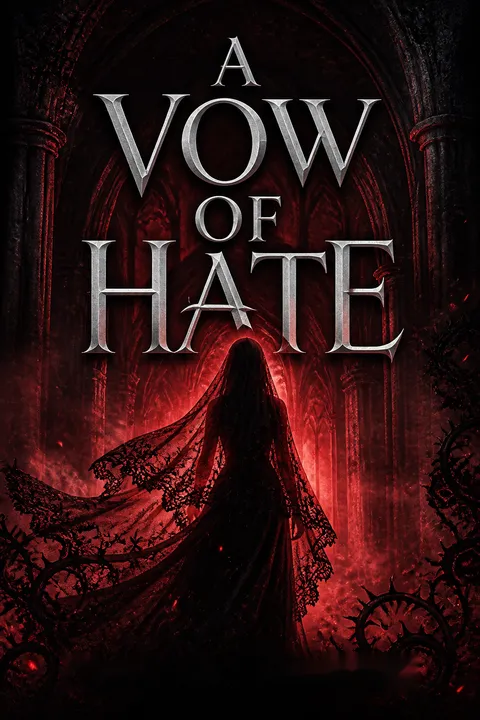
Resumen de la trama
Hermanas destrozadas, vidas destrozadas
La vida de Julianna Romano cambia para siempre por una decisión impulsiva: escaparse con su adorada hermana mayor, Gracelynn. Un accidente automovilístico deja a Gracelynn muerta y a Julianna marcada física y emocionalmente, consumida por la culpa y el odio hacia sí misma. El mundo, y especialmente el prometido de Gracelynn, Killian Spencer, culpa a Julianna por la tragedia. Aislada, oculta y quebrantada, Julianna se convierte en un fantasma viviente en su propio hogar, perseguida por recuerdos y el peso de la muerte de su hermana.
Votos de venganza
Tras el suceso, las poderosas familias Romano y Spencer arreglan un matrimonio entre Julianna y Killian, originalmente destinado a Gracelynn. Para Killian, la boda es una condena: sus votos no son de amor, sino de odio y retribución. Promete hacer sufrir a Julianna por la pérdida de su amada. Julianna, creyendo merecer castigo, acepta su papel de villana en esta unión retorcida, viendo el matrimonio como su expiación.
Fantasmas tras el velo
Julianna oculta su rostro marcado tras un velo negro, soportando susurros y crueldad de todos lados. Su único consuelo es Selene, la leal ama de llaves, y los recuerdos de su hermana. La presencia de Killian es un tormento constante, su odio palpable. Sin embargo, bajo la superficie, ambos están atormentados por el pasado: Julianna por la culpa, Killian por el dolor y la rabia. El velo se convierte en símbolo de la penitencia autoimpuesta de Julianna y del rechazo del mundo a ver su verdadero ser.
Dos años para la expiación
A Julianna se le conceden dos años para recuperarse lo suficiente y caminar hacia el altar. El tiempo transcurre en una neblina de terapia, depresión y aislamiento. Killian permanece distante, y sus interacciones están teñidas de veneno. Cuando llega el día de la boda, Julianna cojea hacia el altar, velada de negro, ante un novio que ni siquiera puede mirarla. La ceremonia es un espectáculo público de dolor, que culmina con Killian abandonándola en el altar.
Boda de heridas
Después de la boda, Killian deja a Julianna sola en la remota finca familiar en la isla. Ella debe navegar por los pasillos encantados, haciendo amistad con el personal y una adolescente precoz, Mirai. La trágica historia del castillo refleja la suya propia, llena de relatos de amores condenados y heridas sin sanar. Julianna halla consuelo en la compañía de una yegua blanca, Ragna, y en el descubrimiento de viejas cartas de una marquesa fallecida, Arabella, cuyo matrimonio sin amor se convierte en un paralelo al sufrimiento de Julianna.
Castillos encantados, corazones encantados
Los días de Julianna transcurren leyendo las cartas de Arabella, cuidando a Ragna y recuperando lentamente su fuerza. Las leyendas del castillo sobre amores trágicos y traiciones resuenan con su propia historia, profundizando su sensación de fatalidad. Cuando Killian se ve obligado a regresar a la isla, la tensión entre ellos se reaviva. Sus encuentros son un campo de batalla: cada palabra, un arma; cada roce, una prueba de resistencia. Los fantasmas del pasado, tanto literales como metafóricos, se niegan a dejarlos avanzar.
La espina y la rosa
La relación entre Killian y Julianna se convierte en una guerra de desgaste. Aceptan treinta noches de cenas compartidas, una tregua destinada a cumplir su contrato matrimonial y engendrar un heredero. Bajo la superficie, su odio se mezcla con una atracción peligrosa. El dolor se vuelve el mecanismo de afrontamiento de Julianna, y la crueldad de Killian es tanto castigo como una intimidad retorcida. Sus encuentros físicos están cargados de violencia y anhelo, difuminando la línea entre amor y odio.
Treinta noches de guerra
A medida que pasan las treinta noches, la animosidad de la pareja cede ante una comprensión renuente. El trauma compartido y el sufrimiento mutuo crean un vínculo que ninguno puede negar. El baile de máscaras, pensado para mostrar su unidad, se convierte en un punto de inflexión. Julianna, desenmascarada y vulnerable, toca el violonchelo para Killian, evocando recuerdos de Gracelynn y derribando los muros entre ellos. Sin embargo, secretos y mentiras aún fermentan, amenazando con destruir cualquier esperanza de reconciliación.
Desenmascarando el pasado
La verdad sobre el accidente comienza a salir a la luz. Las pesadillas de Julianna regresan, revelando inconsistencias en sus recuerdos. Un intento fallido de asesinato expone conspiraciones más profundas. La reaparición de Simon, el amante secreto de Gracelynn, y la revelación del embarazo de Gracelynn complican la narrativa. Killian descubre que su amada no era tan inocente como creía, y que la culpa de Julianna no es toda la historia.
El verdadero rostro del accidente
Los recuerdos de Julianna regresan de golpe: el accidente no fue culpa suya, sino un intento deliberado contra su vida. El coche que mató a Gracelynn fue forzado a salirse de la carretera por un misterioso perseguidor. La realización de que se ha estado castigando por un crimen que no cometió es a la vez liberadora y devastadora. La pareja debe enfrentar al verdadero enemigo, incluso cuando su relación pende al borde del colapso.
La traición del padre revelada
El verdadero villano es revelado: Bishop Romano, el propio padre de Julianna. Impulsado por el odio hacia la infidelidad de la madre de Julianna y el deseo de borrar la evidencia de su vergüenza, Bishop orquestó el accidente y los intentos posteriores contra la vida de Julianna. Manipula a Simon y a otros para que cumplan sus órdenes, mientras mantiene una fachada de preocupación paternal. La revelación destroza a Julianna, pero también la libera de la carga de una culpa falsa.
Redención en ruinas
En un enfrentamiento final, Julianna es secuestrada y casi asesinada. Killian, ahora plenamente consciente de la verdad, arriesga todo para salvarla. En un momento de sacrificio supremo, Julianna recibe una bala destinada a Killian, casi muriendo en sus brazos. El trauma trae claridad: su amor, aunque nacido en el odio y marcado por la tragedia, es real. Ambos deben aprender a perdonar—no solo al otro, sino a sí mismos.
Reescribiendo el final
Julianna sobrevive y los crímenes de Bishop son expuestos. La pareja regresa a la isla, decidida a romper el ciclo de tragedia que ha perseguido a su familia y hogar. Se vuelven a casar, esta vez con votos de amor y esperanza. Los fantasmas del pasado quedan en paz, y se revela la verdadera paternidad de Julianna: su verdadero padre, Gideon, la ha estado cuidando en silencio todo el tiempo.
El heredero y la esperanza
El embarazo de Julianna se convierte en símbolo de sanación y renovación. La pareja, antes definida por el dolor y la venganza, ahora mira al futuro con optimismo cauteloso. El nacimiento de su hijo, Cameron, fortalece su vínculo y ofrece la oportunidad de reescribir el legado familiar. El castillo, antes lugar de tristeza, se transforma en un hogar lleno de risas y amor.
El ajuste de cuentas final del amor
Killian y Julianna enfrentan la oscuridad dentro de sí mismos y del otro. A través del dolor, la honestidad y la vulnerabilidad, encuentran la redención. Su amor es imperfecto, marcado y arduamente ganado, pero es suyo. La historia no termina con un cuento de hadas, sino con la promesa de un futuro construido sobre la verdad, el perdón y el valor de elegir el amor sobre el odio.
El fin del odio
El ciclo de venganza se rompe. Los pecados del pasado son reconocidos, pero ya no definen el presente. Julianna y Killian, antes enemigos, ahora son compañeros—padres, amantes y sobrevivientes. Su historia, antes un voto de odio, se convierte en un testimonio del poder del perdón y la posibilidad de sanar, incluso tras una pérdida inimaginable.
Personajes
Julianna Romano Spencer
Julianna es la protagonista profundamente marcada, tanto física como emocionalmente. Antes la hija menor ignorada, se convierte en el centro de una tragedia familiar tras la muerte de su hermana, Gracelynn. Consumida por la culpa, interioriza la culpa del mundo, ocultándose tras un velo negro y un aislamiento autoimpuesto. Su viaje psicológico es de autodesprecio, penitencia y, finalmente, la lucha por perdonarse a sí misma. La relación de Julianna con Killian está llena de dolor, pero también de un anhelo desesperado de conexión y absolución. Su arco trata de recuperar su agencia, enfrentar la verdad y elegir vivir y amar de nuevo.
Killian Spencer
Killian es un hombre roto por la pérdida, cuyo amor por Gracelynn se ha transformado en odio hacia Julianna. Es frío, controlado y movido por la necesidad de venganza. Su complejidad psicológica radica en su incapacidad para soltar el pasado, usando la crueldad como escudo contra la vulnerabilidad. A medida que la verdad se revela, Killian se ve obligado a confrontar su capacidad de perdón y la profundidad de sus sentimientos por Julianna. Su viaje es de la venganza a la redención, aprendiendo que el amor y el odio son dos caras de la misma moneda.
Gracelynn Romano
Gracelynn es la hermosa y amada hermana mayor cuya muerte pone en marcha la historia. Idolatrada en la memoria, se revela como un personaje complejo—con secretos, incluyendo un amor prohibido y un embarazo no planeado. Su fantasma acecha tanto a Julianna como a Killian, representando el pasado idealizado y el dolor de una pérdida no resuelta. Las decisiones y el destino de Gracelynn obligan a los vivos a enfrentar verdades incómodas sobre el amor, la lealtad y el costo de los secretos.
Bishop Romano
El padre de Julianna es una figura poderosa y manipuladora, obsesionada con el control y el legado, que comete actos monstruosos. Su psicología se define por el orgullo, el resentimiento y la disposición a sacrificar incluso a sus propios hijos para proteger su reputación. La traición de Bishop es la herida definitiva, que destroza el sentido de identidad y familia de Julianna. Encapsula los peligros del poder sin límites y los efectos corrosivos del trauma generacional.
Simon Jones
Simon, el amante secreto de Gracelynn, es un hombre destruido por el dolor y manipulado por Bishop para buscar venganza contra Julianna. Su arco es de lealtad mal dirigida y el poder destructivo del dolor no resuelto. Las acciones de Simon, aunque villanas, nacen del desamor y la explotación, convirtiéndolo en una figura trágica más que en un verdadero antagonista.
Selene
Selene, la leal ama de llaves, es la madre sustituta y única confidente de Julianna. Brinda apoyo emocional, sabiduría práctica y amor incondicional. La presencia de Selene es un salvavidas para Julianna, recordándole su humanidad y valor. Representa la posibilidad de sanar a través de la compasión y la firmeza.
Mirai
Mirai, la adolescente nieta del personal del castillo, se convierte en la amiga improbable y confidente de Julianna. Su curiosidad, resiliencia y apertura ayudan a Julianna a reconectarse con la vida y la esperanza. El papel de Mirai es desafiar el aislamiento de Julianna y servir de puente entre el pasado encantado y la posibilidad de un futuro distinto.
Gideon
Gideon, revelado al final como el padre biológico de Julianna, ha estado cuidándola en silencio. Su presencia reconfigura la comprensión que Julianna tiene de su familia y de sí misma. El arco de Gideon es de sacrificio, paciencia y la fuerza silenciosa del amor incondicional.
William Spencer
El padre de Killian es un expresidente, hombre de influencia y cálculo. Orquesta el matrimonio por ganancia política, pero finalmente apoya a su hijo y nuera mientras enfrentan su trauma. El papel de William encarna las presiones del legado y las complejidades del poder.
Arabella
Arabella, la marquesa fallecida cuyas cartas descubre Julianna, sirve como paralelo simbólico al propio viaje de Julianna. Su historia de amor no correspondido, anhelo y pérdida acecha el castillo y la psique de Julianna, ofreciendo tanto advertencia como sabiduría.
Recursos narrativos
Matrimonio arreglado como castigo
El recurso central es el matrimonio forzado entre Julianna y Killian, concebido como castigo y alianza política. Esta estructura crea un crisol para ambos personajes, obligándolos a una cercanía y confrontación emocional. El contrato matrimonial, con sus estipulaciones y plazos, eleva la tensión y subraya los temas del deber, el sacrificio y la posibilidad de transformación.
El velo negro y las cicatrices físicas
El velo y las cicatrices de Julianna son símbolos potentes de su culpa, vergüenza y el juicio del mundo. Funcionan como protección y prisión, reflejando su estado psicológico. La gradual retirada del velo acompaña su camino hacia la autoaceptación y la vulnerabilidad.
Escenario encantado e historias paralelas
El castillo en la isla, con sus leyendas trágicas y cartas ocultas, es una casa encantada literal y figurativa. Las historias de parejas pasadas, especialmente la de Arabella, presagian y reflejan las luchas de Julianna y Killian. El escenario amplifica la sensación de inevitabilidad y el peso del trauma generacional, al tiempo que ofrece la posibilidad de romper el ciclo.
Memoria poco fiable y verdad recuperada
La amnesia y las pesadillas de Julianna funcionan como recurso para ocultar la verdadera naturaleza del accidente, creando suspense y permitiendo una revelación gradual. La recuperación eventual de sus recuerdos reconfigura toda la narrativa, desplazando la culpa y abriendo la puerta al perdón.
Votos retorcidos y promesas reescritas
El motivo recurrente de los votos—primero de odio, luego de amor—subraya el poder de las palabras para herir y sanar. El viaje de la pareja desde promesas destructivas hasta un compromiso genuino se refleja en su intimidad física y emocional, culminando en una segunda boda y el nacimiento de su hijo.
Pecados generacionales y redención
La historia se estructura en torno a la idea de que el pasado se repite hasta que alguien decide romper el patrón. La exposición de los crímenes de Bishop, la revelación de la verdadera paternidad de Julianna y la decisión de la pareja de perdonar y avanzar sirven para terminar con el legado de odio y crear una nueva base para el futuro.
Análisis
Un voto de odio es una exploración oscura y cargada de emociones sobre el trauma, la culpa y el poder redentor del amor. Subvierte el típico tropos del matrimonio arreglado al convertir la unión en un vehículo tanto de castigo como de sanación, obligando a sus personajes a enfrentar las partes más feas de sí mismos y del otro. El uso de cicatrices físicas, escenarios encantados e historias paralelas externaliza heridas psicológicas profundas, haciendo lo personal universal. En su esencia, la historia trata sobre el coraje de enfrentar la verdad, la necesidad del perdón (propio y ajeno) y la posibilidad de liberarse de ciclos de dolor y venganza. En un contexto moderno, resuena como una meditación sobre la larga sombra de los secretos familiares, la complejidad de la culpa del sobreviviente y la esperanza arduamente ganada de que incluso las personas más rotas pueden encontrar paz y construir un nuevo legado. La lección es clara: el amor no es la ausencia de dolor, sino la voluntad de elegir al otro, una y otra vez, a pesar de todo.
También leyeron
Preguntas frecuentes
Synopsis & Basic Details
What is A Vow of Hate about?
- Arranged Marriage Born of Tragedy: The story centers on Julianna Romano Spencer, a young woman physically and emotionally scarred by a car accident that killed her sister, Gracelynn. Blamed by Gracelynn's fiancé, Killian Spencer, Julianna is forced into an arranged marriage as punishment with him as both a political alliance and a form of atonement.
- A Union of Vengeance and Guilt: Killian enters the marriage vowing hate and retribution against Julianna, whom he believes is responsible for his loss. Julianna, consumed by guilt and self-loathing, accepts his cruelty as deserved punishment, hiding her scars and pain behind a black veil.
- Unraveling Secrets and Finding Redemption: Set largely in a secluded, historically tragic castle, their volatile relationship evolves amidst buried family secrets, assassination attempts, and the eventual revelation that the accident was not a mistake but a deliberate act of violence orchestrated by someone close to them, forcing them to confront their past and redefine their future.
Why should I read A Vow of Hate?
- Deep Dive into Psychological Trauma: The novel offers an intense exploration of complex psychological states like survivor's guilt, self-loathing, and the use of pain as a coping mechanism, providing a raw and unflinching look at how characters process devastating loss and blame.
- Volatile and Emotionally Charged Romance: If you enjoy dark, angsty romance with a significant enemies-to-lovers arc, the dynamic between Julianna and Killian, fueled by intense hatred that slowly blurs into a complex, undeniable connection, offers a compelling and often uncomfortable emotional journey.
- Mystery and Suspense Elements: Beyond the central romance, the story weaves in a mystery surrounding the car accident and subsequent threats, adding layers of suspense and intrigue as Julianna and Killian uncover a conspiracy that impacts both their families.
What is the background of A Vow of Hate?
- High Society and Political Intrigue: The story is set within the world of powerful, wealthy families (the Romanos and Spencers) deeply involved in politics and high society, where marriages are strategic alliances and public image is paramount, providing a backdrop of calculation and hidden agendas.
- Generational Secrets and Trauma: A key background element is the history of both families, particularly the Spencer family's ancient castle on Isle Rosa-Maria, which carries its own legends of tragic, doomed love stories, mirroring and amplifying the themes of inherited pain and the struggle to break cycles of destruction.
- Focus on Personal and Family Legacy: The narrative is driven by the patriarchs' desires for legacy and control, highlighting how personal lives are often sacrificed for power and reputation within these elite circles, setting the stage for the arranged marriage and its consequences.
What are the most memorable quotes in A Vow of Hate?
- "I vow to spend the rest of my life making you regret what you did to Gracelynn.": Spoken by Killian during their wedding ceremony, this quote chillingly defines the initial premise of their marriage as an act of vengeance, setting the tone for their brutal interactions and Killian's relentless cruelty.
- "You can't break what's already broken.": Julianna's internal mantra and defiant response to Killian's threats, this line encapsulates her deep sense of being shattered by trauma and guilt, suggesting a paradoxical strength found in her perceived brokenness and highlighting her self-destructive tendencies.
- "There's a fine line between love and hate. And I just realized that I love you as much as I fucking hate you, Julianna.": Killian's raw confession marks a pivotal turning point, acknowledging the complex, intertwined nature of his feelings for Julianna and revealing the messy, chaotic reality of their relationship beyond simple animosity.
What writing style, narrative choices, and literary techniques does Lylah James use?
- Dual First-Person Perspective: The story primarily alternates between Julianna and Killian's first-person points of view, offering intimate access to their internal struggles, conflicting emotions, and subjective interpretations of events, though Julianna's perspective dominates the early chapters.
- Emotionally Intense and Descriptive Language: James employs vivid, often visceral language to convey the characters' pain, rage, and burgeoning desire, using strong metaphors (e.g., pain as a companion, love as poison, people as thorns/roses) to heighten the emotional impact and reflect the dark themes.
- Use of Foreshadowing and Symbolism: Subtle details, recurring motifs (like the veil, scars, horses, castle history), and Julianna's fragmented nightmares are used to foreshadow future revelations and add layers of symbolic meaning to the characters' psychological states and the narrative's progression.
Hidden Details & Subtle Connections
What are some minor details that add significant meaning?
- The Ruby Jewelry Set: Killian gifting Julianna the Spencer family's antique ruby set, initially addressed to Gracelynn, is a subtle detail that foreshadows Julianna eventually stepping into Gracelynn's intended place not just as a wife, but as a valued member of the family, and later becomes a symbol of their complex, inherited bond.
- Killian's Preference for Red: Killian's seemingly casual comment about red being his favorite color ("Violence. Passion. Wrath... Longing. Seduction. Lust.") is a minor detail that subtly links his intense, often destructive emotions to a specific color, which Julianna later uses strategically (wearing a wine-red dress) to provoke and engage him, highlighting her growing understanding of his psychology.
- The Untouched Breakfast Tray: After Julianna's memory returns and she has a seizure, Killian finds her breakfast tray untouched hours later, a small detail that underscores her deep emotional distress and withdrawal, signaling to Killian (and the reader) that her disappearance is not voluntary but a sign of serious trouble.
What are some subtle foreshadowing and callbacks?
- Arabella's Unopened Letters: The discovery of Elias's unopened letters to Arabella, detailing his belated love and regret, subtly foreshadows the potential tragedy of Killian and Julianna's own story if they fail to communicate and reconcile before it's too late, serving as a cautionary tale within the narrative.
- Killian's "Princess" Nickname: Killian's early use of "Princess" for Julianna (when he believes she is Gracelynn) is a callback that resurfaces later in the book, shifting from a playful tease to a term of endearment used during moments of vulnerability and intimacy, signifying the return of his affection despite the intervening years of hate.
- The Hairbrush Punishment: The seemingly minor detail of Julianna noticing a hairbrush in Killian's hand before he uses it to punish her is a subtle piece of foreshadowing that builds tension and highlights the specific, controlled nature of the pain she seeks, linking her psychological need to a physical object.
What are some unexpected character connections?
- Gideon as Julianna's Biological Father: The revelation that Gideon, the kind stableman who helped Julianna connect with Ragna and navigate her physical limitations, is her biological father is a major unexpected connection that reframes Julianna's past and provides her with a source of unconditional love and belonging outside the toxic Romano family structure.
- Simon's Manipulation by Bishop: The connection between Simon, Gracelynn's secret lover, and Bishop Romano, Julianna's father, is unexpectedly revealed to be one of manipulation, where Bishop exploits Simon's grief and desire for vengeance to turn him against Julianna and use him as a pawn in his murder plot, highlighting Bishop's depravity and Simon's tragic role.
- The Maid as an Assassin: The seemingly random maid who attempts to shoot Julianna is later connected to Bishop's plot, revealing that she was not acting alone but was another manipulated individual hired by Bishop, underscoring the extent of his conspiracy and the multiple attempts on Julianna's life.
Who are the most significant supporting characters?
- Selene: As Julianna's only friend and surrogate mother figure, Selene provides crucial emotional support, practical advice (like warning Julianna about Killian's cruelty), and a consistent source of unconditional love, acting as a grounding force amidst Julianna's isolation and despair.
- Mirai: The curious and resilient teenager Mirai serves as Julianna's confidante and connection to the outside world on the island, helping her explore the castle's history (leading to the discovery of Arabella's letters) and providing youthful companionship that helps Julianna break free from her self-imposed isolation.
- Gideon: Initially appearing as a kind stableman, Gideon's later reveal as Julianna's biological father makes him a profoundly significant supporting character, representing a hidden source of paternal love and protection that Julianna desperately needed and offering a chance for her to build a new, healthier family connection.
Psychological, Emotional, & Relational Analysis
What are some unspoken motivations of the characters?
- Julianna's Desire for Punishment: Beyond simple guilt, Julianna's unspoken motivation for accepting Killian's hatred and the harsh terms of their marriage is a deep-seated need for punishment, believing she deserves suffering for her perceived role in Gracelynn's death, which drives her self-destructive behavior and acceptance of cruelty.
- Killian's Need for Control: Killian's relentless pursuit of vengeance and his need to dominate Julianna are partly driven by an unspoken need for control in the face of the uncontrollable tragedy that shattered his life, using power dynamics in their relationship to regain a sense of agency lost with Gracelynn's death.
- Bishop Romano's Shame and Insecurity: Bishop's extreme actions, including murder and attempting to kill his own daughter, are fueled by an unspoken, deep-seated shame and insecurity stemming from his wife's infidelity and Julianna's true parentage, which he perceives as a stain on his legacy and a personal humiliation he must erase.
What psychological complexities do the characters exhibit?
- Pain as Coping Mechanism: Julianna exhibits complex psychological coping mechanisms, actively seeking or accepting pain (physical and emotional) as a way to feel grounded, distract from overwhelming guilt, and punish herself, highlighting the maladaptive strategies developed in response to severe trauma.
- Rage as Armor: Killian uses intense rage and cruelty as a psychological defense mechanism, building an emotional armor to protect himself from the profound vulnerability and pain of grief, preferring the perceived strength of anger over the weakness of sorrow.
- Selective Amnesia's Role: Julianna's initial selective amnesia regarding the accident's details is a complex psychological response to trauma, where the mind blocks out unbearable memories, demonstrating the protective function of dissociation and the later struggle when these memories resurface.
What are the major emotional turning points?
- Killian Abandoning Julianna at the Altar: This is a major emotional turning point that publicly solidifies Killian's vow of hate and Julianna's isolation, marking the brutal reality of their marriage's beginning and setting the stage for Julianna's subsequent retreat to the island and deeper self-loathing.
- Julianna Playing the Cello at the Ball: Julianna's performance, a skill she shared with Gracelynn, is a significant emotional turning point that breaks through Killian's defenses, stirring complex emotions beyond hate and forcing him to see Julianna as more than just her sister's killer, leading to a shift in their dynamic.
- Julianna Taking the Bullet for Killian: Julianna's act of sacrificing herself for Killian is the most impactful emotional turning point, demonstrating the depth of her love and willingness to protect him, shattering Killian's remaining walls and forcing both characters to confront the reality of their bond in the face of near-fatal loss.
How do relationship dynamics evolve?
- From Vengeance to Volatile Intimacy: The dynamic between Killian and Julianna evolves from one of pure vengeance and victimhood to a complex mix of hatred, desire, and pain, where physical intimacy becomes intertwined with their emotional turmoil, blurring the lines between punishment and connection.
- From Distance to Reluctant Proximity: Initially separated by physical distance and emotional walls, their relationship dynamics shift through forced proximity (the island, shared dinners) and shared trauma (the shooting, Julianna's fever), gradually eroding their defenses and forcing reluctant engagement.
- From Deceit to Fragile Trust: The dynamic is fundamentally altered by the revelation of Julianna's lies and the truth about the accident, moving from a foundation of deception to a struggle for fragile trust, where forgiveness becomes necessary for any possibility of a genuine connection.
Interpretation & Debate
Which parts of the story remain ambiguous or open-ended?
- The Full Extent of Gracelynn's Secrets: While Gracelynn's affair with Simon and her pregnancy are revealed, the full depth of her deception towards Killian and her feelings about marrying him remain somewhat ambiguous, leaving room for interpretation regarding her character and motivations in the events leading up to the accident.
- The Long-Term Impact of Trauma: While the ending shows Julianna and Killian finding peace and building a future, the long-term psychological impact of their severe trauma, particularly Julianna's epilepsy and need for pain, and Killian's struggle with trust, is left open-ended, suggesting that healing is an ongoing process rather than a complete resolution.
- The Nature of Their Love: The story debates whether their intense connection is truly love, a form of shared trauma bonding, or a complex mix of both, leaving the reader to interpret the nature of their "toxic" or "chaos" love and whether it is sustainable long-term despite its intensity.
What are some debatable, controversial scenes or moments in A Vow of Hate?
- Killian's Cruelty and Verbal Abuse: Killian's consistent verbal abuse, taunting Julianna with names like "Beasty" and weaponizing her insecurities and trauma, is a controversial aspect, prompting debate among readers about whether his actions are justifiable by his grief or cross a line into unforgivable cruelty.
- The Non-Consensual/Coerced Intimacy: Scenes where Killian forces physical intimacy or pushes Julianna into uncomfortable sexual situations (e.g., the dining table scene, the initial consummation where she feels she has no choice) are highly debatable and controversial, raising questions about consent within the context of their power imbalance and the dark romance genre.
- Julianna's Need for Pain and Punishment: Julianna's psychological need for pain and her acceptance of Killian's cruelty as deserved punishment is a complex and potentially controversial element, sparking discussion about the portrayal of trauma responses and the dynamics of their relationship.
A Vow of Hate Ending Explained: How It Ends & What It Means
- Truth and Betrayal Revealed: The ending culminates in the revelation that Julianna's father, Bishop Romano, orchestrated the car accident that killed Gracelynn and subsequent attempts on Julianna's life due to his shame over Julianna's true parentage (her mother's affair with Gideon). Simon, Gracelynn's lover, was manipulated by Bishop into seeking vengeance against Julianna, leading to a final confrontation where Julianna is shot protecting Killian.
- Forgiveness and A New Beginning: Julianna survives, and Bishop's crimes are exposed to the world (implied to be facilitated by Killian's family connections), leading to his death (implied suicide or murder orchestrated by Killian). Julianna discovers her biological father is Gideon. Killian and Julianna choose to forgive each other for past deceptions and pain, remarrying with vows of love and commitment.
- Breaking the Cycle and Building a Legacy: The ending signifies breaking the cycle of generational trauma and hate that plagued both families and the castle's history. Julianna's pregnancy, confirmed early in the final section, culminates in the birth of their son, Cameron, symbolizing hope, renewal, and the possibility of building a new legacy based on truth, forgiveness, and a hard-won, imperfect love.
Descargar PDF
Descargar EPUB
.epub digital book format is ideal for reading ebooks on phones, tablets, and e-readers.








































