
Resumen de la trama
Despertar en el Caos
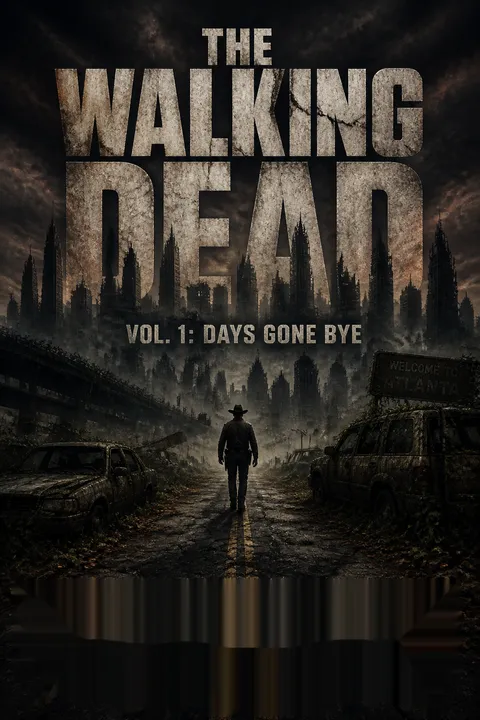
Rick Grimes, un sheriff de un pequeño pueblo, sale de un coma en un hospital abandonado para descubrir que el mundo ha cambiado drásticamente. Los pasillos, antes bulliciosos, ahora están en un silencio inquietante, y las paredes manchadas de sangre. Confundido y desorientado, Rick sale tambaleándose para encontrarse con un paisaje devastado por una catástrofe desconocida. Los muertos caminan entre los vivos y la sociedad se ha desmoronado. Su objetivo inmediato es encontrar a su familia, aferrándose a la esperanza de que aún estén con vida. Este capítulo prepara el terreno para el viaje de Rick en un mundo donde las reglas de la supervivencia han sido reescritas.
Calles Desoladas
Al recorrer su pueblo natal, Rick se enfrenta a la cruda realidad del apocalipsis. Las calles están llenas de autos abandonados y los caminantes deambulan libremente. Allí conoce a Morgan y a su hijo Duane, quienes le brindan información crucial sobre el brote. Le explican lo básico para sobrevivir en este nuevo mundo, incluyendo la necesidad de evitar a los caminantes. La determinación de Rick por encontrar a su esposa e hijo se fortalece, y se dirige hacia Atlanta, creyendo que podrían haberse refugiado allí.
Campamento de Supervivientes
El camino de Rick lo lleva a un campamento de sobrevivientes en las afueras de Atlanta, donde milagrosamente se reencuentra con su esposa, Lori, y su hijo, Carl. El campamento es un frágil santuario que ofrece una apariencia de normalidad en medio del caos. Sin embargo, las tensiones hierven bajo la superficie mientras el grupo lucha con recursos limitados y la constante amenaza de ataques de caminantes. La llegada de Rick trae esperanza, pero también reaviva conflictos no resueltos, especialmente con Shane, su antiguo compañero y protector de Lori durante su ausencia.
Desafíos de Liderazgo
Ante los crecientes peligros, Rick asume naturalmente el liderazgo del grupo. Su experiencia como sheriff le proporciona las habilidades necesarias para tomar decisiones difíciles. Sin embargo, su liderazgo se pone a prueba por conflictos internos y la amenaza constante de los caminantes. La brújula moral de Rick lo guía, pero debe equilibrar la compasión con las duras realidades de la supervivencia. El grupo lo mira en busca de orientación, y él debe navegar las complejidades de liderar en un mundo donde las reglas antiguas ya no aplican.
Confianza y Traición
La confianza y la traición se convierten en bienes preciados mientras el grupo enfrenta los desafíos de sobrevivir. Los celos y resentimientos de Shane hacia Rick estallan, provocando una confrontación que amenaza la cohesión del grupo. Las relaciones personales se tensan y la línea entre amigo y enemigo se vuelve difusa. Rick debe enfrentar la realidad de que no todas las amenazas vienen del exterior; a veces, el mayor peligro está dentro. Este capítulo explora la naturaleza frágil de la confianza y el impacto devastador de la traición.
La Nueva Normalidad
Los sobrevivientes comienzan a adaptarse a su nueva realidad, aprendiendo a convivir con la constante presencia del peligro. Establecen rutinas y desarrollan estrategias para protegerse de los caminantes. El liderazgo de Rick se solidifica mientras guía al grupo a través de los desafíos de este nuevo mundo. A pesar de las dificultades, surgen momentos de humanidad y esperanza que les recuerdan por qué luchan. El grupo aprende que sobrevivir no es solo mantenerse con vida, sino también preservar su humanidad.
Esperanza en Medio de la Desesperación
A pesar de la desesperación abrumadora, los sobrevivientes hallan momentos de esperanza y resiliencia. Forjan lazos que fortalecen su determinación de seguir adelante. La inquebrantable voluntad de Rick inspira al grupo, y comienzan a vislumbrar un futuro esperanzador. Este capítulo resalta el espíritu humano perdurable y la capacidad de encontrar esperanza incluso en los tiempos más oscuros. Los sobrevivientes comprenden que, aunque el mundo ha cambiado, su voluntad de vivir y protegerse mutuamente permanece intacta.
Personajes
Rick Grimes
Rick Grimes es el protagonista, un exsheriff que se convierte en el líder de facto del grupo de sobrevivientes. Su viaje, desde despertar en un hospital hasta liderar a un grupo, está marcado por su determinación inquebrantable de proteger a su familia y mantener su brújula moral. El liderazgo de Rick se caracteriza por su capacidad para tomar decisiones difíciles y su compromiso con preservar la humanidad en un mundo dominado por caminantes. Sus relaciones con otros personajes, especialmente con su esposa Lori y su antiguo compañero Shane, son fundamentales para su desarrollo.
Lori Grimes
Lori Grimes es la esposa de Rick, quien creyó que él había muerto y formó un vínculo con Shane durante su ausencia. Su personaje está dividido entre la lealtad a Rick y los sentimientos complicados hacia Shane. Como madre, su principal preocupación es la seguridad de su hijo Carl. El conflicto interno de Lori y su papel como madre y pareja añaden profundidad a la historia, mostrando las luchas emocionales que enfrentan los sobrevivientes.
Shane Walsh
Shane Walsh es el antiguo compañero y mejor amigo de Rick, quien asumió el papel de protector de Lori y Carl durante la ausencia de Rick. Su carácter está marcado por los celos y resentimientos hacia Rick, que finalmente desembocan en una confrontación. El conflicto interno de Shane y su lucha por adaptarse al nuevo orden mundial lo convierten en un personaje complejo, ilustrando el tema de la confianza y la traición dentro del grupo.
Carl Grimes
Carl Grimes es el joven hijo de Rick y Lori, cuya inocencia se ve desafiada por las duras realidades del mundo postapocalíptico. A pesar de su edad, Carl muestra resiliencia y capacidad de adaptación, aprendiendo a enfrentar los peligros del nuevo mundo. Su personaje representa la pérdida de la inocencia y el impacto del apocalipsis en la generación más joven.
Morgan Jones
Morgan Jones es uno de los primeros sobrevivientes que Rick encuentra tras despertar. Le proporciona información crucial sobre el brote y lo básico para sobrevivir. El personaje de Morgan actúa como mentor, ayudando a Rick a comprender el nuevo mundo y encaminándolo hacia la búsqueda de su familia. Su relación con su hijo Duane añade una capa emocional a su historia.
Glenn Rhee
Glenn Rhee es miembro del grupo de sobrevivientes que se convierte en un aliado valioso para Rick. Su ingenio y optimismo contrastan con la oscuridad del mundo. Glenn se define por su capacidad para encontrar esperanza y humor en situaciones desesperadas, convirtiéndose en un miembro clave del grupo y símbolo de resiliencia.
Andrea
Andrea es parte del grupo de sobrevivientes que se adapta rápidamente a los desafíos del nuevo mundo. Su carácter se distingue por su voluntad firme e independencia, así como por su habilidad para formar lazos cercanos con otros. El desarrollo de Andrea a lo largo de la historia resalta el tema del empoderamiento y la importancia de la comunidad frente a la adversidad.
Dale Horvath
Dale Horvath es un miembro mayor del grupo que actúa como voz de la razón y la compasión. Su sabiduría y experiencia guían a los más jóvenes. Dale representa la importancia de mantener la humanidad y la empatía en un mundo donde la supervivencia a menudo exige decisiones difíciles.
Recursos Narrativos
Escenario Postapocalíptico
El escenario postapocalíptico es el telón de fondo central de la narrativa, que enmarca las luchas y el desarrollo de los personajes. Los paisajes desolados y la amenaza constante de los caminantes crean una sensación de urgencia y peligro que impulsa la trama. Este entorno permite explorar temas como la supervivencia, la moralidad y el colapso de las normas sociales. El marcado contraste entre el mundo antes y después del apocalipsis resalta la resiliencia y adaptabilidad de los personajes.
Liderazgo y Moralidad
El liderazgo y la moralidad son temas clave explorados a través del personaje de Rick. Como líder del grupo, Rick enfrenta dilemas éticos que desafían sus valores y lo obligan a tomar decisiones difíciles. Este recurso narrativo examina las complejidades del liderazgo en un mundo donde las reglas tradicionales ya no aplican, y el equilibrio entre mantener la humanidad y asegurar la supervivencia se pone a prueba constantemente.
Confianza y Traición
La confianza y la traición son temas recurrentes que impulsan las interacciones y conflictos entre personajes. La naturaleza frágil de la confianza se destaca en las relaciones entre Rick, Lori y Shane, así como dentro del grupo en general. Este recurso subraya la importancia de la confianza en un mundo donde el peligro acecha tanto afuera como dentro del grupo, y el impacto devastador que la traición puede tener en la cohesión y moral de los sobrevivientes.
Análisis
"Days Gone Bye" profundiza en las complejidades de la naturaleza humana y la lucha por mantener la humanidad frente a la adversidad abrumadora. La historia examina cómo individuos y grupos se adaptan a un mundo donde las normas sociales han colapsado y la supervivencia exige decisiones morales difíciles. A través de los viajes de los personajes, la narrativa explora temas de liderazgo, confianza y resiliencia, destacando el espíritu humano perdurable. El libro funciona como un comentario sobre la fragilidad de la civilización y la capacidad de esperanza y conexión incluso en los tiempos más oscuros. Invita a los lectores a reflexionar sobre qué significa ser humano cuando el mundo tal como lo conocemos ha llegado a su fin.
También leyeron


Preguntas frecuentes
Synopsis & Basic Details
What is Days Gone Bye about?
- Apocalypse Transforms Sheriff's Life: Days Gone Bye follows Rick Grimes, a sheriff who awakens from a coma to find the world overrun by zombies, forcing him to navigate a dangerous new reality.
- Family Reunion and Survival: Rick's primary goal is to find his family, leading him to a survivor camp where he reunites with his wife and son, but faces new challenges.
- Leadership and Moral Dilemmas: The story explores Rick's journey as he becomes a leader, grappling with moral choices and the complexities of maintaining humanity in a post-apocalyptic world.
Why should I read Days Gone Bye?
- Compelling Character-Driven Narrative: The story focuses on the emotional and psychological struggles of its characters, making their survival journey deeply engaging.
- Exploration of Human Nature: It delves into themes of leadership and morality, examining how people adapt and change in extreme circumstances.
- Intense and Suspenseful Plot: The constant threat of walkers and internal conflicts create a gripping narrative that keeps readers on the edge of their seats.
What is the background of Days Gone Bye?
- Post-Apocalyptic Setting: The story is set in a world ravaged by a zombie outbreak, where societal structures have collapsed, and survival is the primary focus.
- Small-Town America: The initial setting is a small town in Georgia, which contrasts with the later urban environment of Atlanta, highlighting the widespread impact of the apocalypse.
- No Specific Cause Given: The cause of the zombie outbreak is not explicitly explained, focusing instead on the characters' reactions and adaptations to the new reality.
What are the most memorable quotes in Days Gone Bye?
- "We are the walking dead.": This quote, though not explicitly stated in this volume, encapsulates the overarching theme of the series, highlighting the characters' struggle to maintain their humanity amidst the undead.
- "I'm not gonna let you die.": This quote, or variations of it, represents Rick's unwavering commitment to protecting his family and the group, showcasing his leadership and determination.
- "This isn't the world we knew.": This sentiment, expressed through various characters, underscores the drastic changes they face and the need to adapt to a new, brutal reality.
What writing style, narrative choices, and literary techniques does Robert Kirkman use?
- Character-Focused Narrative: Kirkman prioritizes character development and emotional depth, using their reactions and interactions to drive the plot forward.
- Realistic Dialogue and Pacing: The dialogue is natural and often gritty, reflecting the characters' struggles, while the pacing balances action with moments of reflection.
- Visual Storytelling: The graphic novel format allows for powerful visual storytelling, using panels and layouts to enhance the emotional impact and tension of the narrative.
Hidden Details & Subtle Connections
What are some minor details that add significant meaning?
- Rick's Sheriff Uniform: Rick's initial attire symbolizes his past life and the order he once represented, contrasting with the chaos of the new world, highlighting his struggle to adapt.
- The Abandoned Hospital: The hospital where Rick awakens is a microcosm of the larger societal collapse, with its blood-stained walls and eerie silence foreshadowing the horrors to come.
- Morgan's Family Photo: The photo of Morgan's family, especially his deceased wife, reveals the emotional toll of the apocalypse and foreshadows the loss and grief that many characters will experience.
What are some subtle foreshadowing and callbacks?
- Shane's Overprotectiveness: Shane's initial protectiveness of Lori and Carl foreshadows his later jealousy and possessiveness, hinting at the conflict to come.
- The "Walkers" Term: The use of the term "walkers" instead of "zombies" establishes a unique identity for the undead, setting the tone for the series' distinct take on the genre.
- Rick's Leadership Qualities: Rick's initial actions as a sheriff, such as his sense of duty and problem-solving skills, foreshadow his eventual role as the group's leader.
What are some unexpected character connections?
- Rick and Morgan's Shared Loss: Both Rick and Morgan have lost their families, creating a subtle bond between them, despite their brief encounter, highlighting the shared trauma of the apocalypse.
- Lori's Dependence on Shane: Lori's reliance on Shane during Rick's absence reveals a vulnerability that contrasts with her later strength, showcasing the complex dynamics of survival.
- Glenn's Resourcefulness: Glenn's initial role as a scavenger foreshadows his importance to the group, highlighting his ability to adapt and contribute in unexpected ways.
Who are the most significant supporting characters?
- Morgan Jones: Morgan's role as Rick's initial guide and mentor is crucial, providing him with the knowledge needed to survive and setting him on his path.
- Shane Walsh: Shane's complex relationship with Rick and Lori drives much of the conflict, highlighting the theme of trust and betrayal and challenging Rick's leadership.
- Glenn Rhee: Glenn's resourcefulness and optimism provide a counterpoint to the bleakness of the world, making him a vital member of the group and a source of hope.
Psychological, Emotional, & Relational Analysis
What are some unspoken motivations of the characters?
- Shane's Desire for Control: Shane's actions are driven by a desire for control and a need to be the protector, stemming from his insecurity and jealousy of Rick.
- Lori's Guilt and Confusion: Lori's internal conflict arises from her guilt over her relationship with Shane and her confusion about her feelings for both men.
- Rick's Need for Order: Rick's motivation is rooted in his desire to restore order and protect his family, reflecting his past as a law enforcement officer.
What psychological complexities do the characters exhibit?
- Rick's Moral Struggle: Rick grapples with the psychological toll of making difficult decisions, constantly questioning his actions and their impact on his humanity.
- Shane's Descent into Paranoia: Shane's jealousy and resentment lead to paranoia and a breakdown of his moral compass, showcasing the psychological effects of the apocalypse.
- Lori's Emotional Turmoil: Lori's internal conflict and emotional vulnerability highlight the psychological strain of adapting to a new world while dealing with complex relationships.
What are the major emotional turning points?
- Rick's Reunion with Family: Rick's reunion with Lori and Carl is a moment of intense emotional relief, but also sets the stage for future conflicts and challenges.
- Shane's Growing Resentment: Shane's growing resentment towards Rick marks a significant emotional turning point, leading to a breakdown in their friendship and trust.
- The Group's Adaptation: The group's gradual adaptation to the new world is marked by moments of despair and hope, highlighting the emotional resilience of the survivors.
How do relationship dynamics evolve?
- Rick and Lori's Strained Marriage: Rick and Lori's relationship is strained by the events of the apocalypse and Lori's connection with Shane, highlighting the challenges of maintaining intimacy in a crisis.
- Rick and Shane's Fractured Friendship: Rick and Shane's friendship deteriorates due to jealousy and conflicting views on survival, showcasing the fragility of relationships in a post-apocalyptic world.
- The Group's Fragile Unity: The group's unity is constantly tested by internal conflicts and external threats, highlighting the importance of trust and cooperation for survival.
Interpretation & Debate
Which parts of the story remain ambiguous or open-ended?
- The Cause of the Outbreak: The lack of explanation for the zombie outbreak leaves the reader to focus on the characters' reactions and adaptations, rather than the origins of the crisis.
- Shane's True Intentions: Shane's motivations and the extent of his jealousy remain somewhat ambiguous, leaving room for interpretation and debate about his character.
- The Future of the Group: The ending of "Days Gone Bye" leaves the future of the group uncertain, setting the stage for further challenges and developments in the series.
What are some debatable, controversial scenes or moments in Days Gone Bye?
- Lori's Relationship with Shane: Lori's relationship with Shane while believing Rick to be dead is a controversial point, raising questions about her loyalty and morality.
- Rick's Leadership Decisions: Rick's decisions as a leader are often debated, with some questioning his methods and the impact they have on the group.
- The Justification of Violence: The use of violence by the survivors is a controversial topic, raising questions about the ethical implications of their actions in a post-apocalyptic world.
Days Gone Bye Ending Explained: How It Ends & What It Means
- Survival is Ongoing: The ending of "Days Gone Bye" emphasizes that survival is an ongoing struggle, with no easy solutions or clear victories, highlighting the harsh realities of the new world.
- Leadership is Tested: Rick's leadership is solidified, but the ending also suggests that his decisions will continue to be challenged, showcasing the complexities of leading in a crisis.
- Hope Amidst Despair: Despite the bleakness of the situation, the ending offers a glimmer of hope, suggesting that the human spirit can endure even in the darkest of times, setting the stage for future challenges and growth.


Descargar PDF
Descargar EPUB
.epub digital book format is ideal for reading ebooks on phones, tablets, and e-readers.








































