Ideas clave
1. La existencia del mal no refuta la existencia de Dios
"La existencia del mal —específicamente la cantidad que contiene Kronos— no desacredita la existencia de Dios."
El problema filosófico del mal. La presencia del sufrimiento y del mal en el mundo ha sido durante mucho tiempo un desafío para la creencia en un Dios todopoderoso, omnisciente y perfectamente bueno. Filósofos y teólogos han enfrentado esta cuestión fundamental durante siglos, intentando reconciliar la aparente contradicción entre los atributos divinos y el sufrimiento terrenal.
Complejidad del razonamiento teológico. El problema del mal no es una simple contradicción lógica, sino un reto filosófico matizado. Se han desarrollado diferentes enfoques para abordar esta cuestión, entre ellos:
- La teodicea: que intenta explicar las razones de Dios para permitir el mal
- La defensa del libre albedrío: que sostiene que la libertad moral implica la posibilidad del mal
- La consideración de marcos metafísicos más amplios
Limitaciones de los argumentos ateológicos. Muchos argumentos contra la existencia de Dios basados en el mal fracasan porque:
- Asumen una comprensión simplista de la omnipotencia divina
- Ignoran la posible complejidad del razonamiento divino
- Pasan por alto la posibilidad de bienes mayores que surgen del sufrimiento aparente
2. El libre albedrío explica la presencia del mal moral
"Para crear criaturas capaces de bien moral, por tanto, debe crear criaturas capaces de mal moral."
Papel fundamental de la libertad moral. El concepto de libre albedrío ofrece un marco filosófico para entender la existencia del mal moral. Al otorgar a los seres racionales la capacidad de tomar decisiones genuinas, Dios crea un sistema donde la bondad moral es una acción voluntaria y significativa, no un estado predeterminado.
Características clave del libre albedrío:
- Capacidad de elegir entre el bien y el mal
- Significado moral genuino de las acciones
- Potencial para resultados tanto positivos como negativos
- Condición necesaria para una auténtica agencia moral
Implicaciones filosóficas. La defensa del libre albedrío sugiere que:
- El amor genuino y la excelencia moral requieren libertad de elección
- La bondad predeterminada carecería de sentido
- El desarrollo moral exige la posibilidad de equivocarse
3. La omnipotencia de Dios no implica crear cualquier mundo posible
"Dios, si es omnipotente, no podría haber actualizado cualquier mundo posible."
Limitaciones del poder divino. Contrariamente a suposiciones filosóficas comunes, la omnipotencia no significa la capacidad de crear cualquier mundo lógicamente posible. El concepto de poder divino es más matizado y complejo que una simple generación ilimitada de mundos.
Restricciones en la creación del mundo:
- Las imposibilidades lógicas están fuera del alcance divino
- Algunos mundos posibles pueden ser mutuamente excluyentes
- Las elecciones libres individuales limitan las configuraciones posibles del mundo
Complejidad filosófica. El argumento revela la intrincada relación entre:
- Los atributos divinos
- Las posibilidades lógicas
- La agencia individual
- Las restricciones metafísicas
4. La depravación transmundial limita la creación divina de mundos
"Si una persona sufre de [depravación transmundial], entonces no estaba en el poder de Dios actualizar ningún mundo en el que esa persona sea significativamente libre pero no haga mal alguno."
Concepto de depravación transmundial. Esta noción filosófica sugiere que algunos seres inevitablemente elegirían el mal en cualquier mundo posible, limitando las opciones divinas para la creación. Ofrece una explicación sofisticada para la persistencia de la imperfección moral.
Características de la depravación transmundial:
- Se aplica a esencias individuales, no solo a personas específicas
- Sugiere limitaciones morales inherentes en los seres creados
- Explica por qué mundos perfectos podrían ser imposibles
Implicaciones metafísicas. El concepto demuestra:
- La complejidad de la creación divina
- Los límites de la omnipotencia
- El desafío intrínseco de crear seres moralmente perfectos
5. El mal natural puede tener explicaciones no naturales
"No se debe atribuir el mal natural a la agencia libre de personas no humanas, y no contamos con evidencia definitiva en contra."
Explicaciones alternativas del sufrimiento. Las explicaciones científicas tradicionales para el mal natural podrían ser incompletas. Las perspectivas teológicas ofrecen marcos alternativos para comprender el sufrimiento aparentemente aleatorio.
Posibles causas no naturales:
- Entidades espirituales con libre albedrío
- Procesos metafísicos más allá del entendimiento científico actual
- Sistemas cósmicos interconectados
Apertura filosófica. El argumento fomenta:
- Humildad intelectual
- Consideración de múltiples marcos explicativos
- Rechazo de perspectivas materialistas excesivamente reductivas
6. Los argumentos ateológicos no logran socavar la creencia teísta
"Ninguno de los argumentos que hemos examinado tiene perspectivas de éxito; todos son inaceptables."
Limitaciones del razonamiento ateológico. Los argumentos que intentan refutar la existencia de Dios a menudo se basan en construcciones lógicas simplistas que fracasan bajo un escrutinio filosófico riguroso.
Enfoques ateológicos comunes:
- Reduccionismo psicológico freudiano
- Críticas sociológicas marxistas
- Argumentos lingüísticos verificacionistas
- Pruebas lógicas de inconsistencia
Matices filosóficos. La crítica demuestra:
- La complejidad de la creencia religiosa
- La insuficiencia de argumentos reductivos
- La necesidad de un compromiso filosófico sofisticado
7. El argumento ontológico revela preguntas filosóficas complejas
"Pocas personas, creo, han llegado a la creencia en Dios mediante este argumento."
Significado filosófico. El argumento ontológico, aunque quizás poco convincente como prueba, plantea preguntas profundas sobre:
- La naturaleza de la existencia
- Las relaciones conceptuales
- La posibilidad lógica
- El razonamiento metafísico
Desafíos filosóficos clave:
- Definir la existencia como propiedad
- Comprender la lógica modal
- Explorar la necesidad conceptual
Exploración intelectual. El valor del argumento no reside en probar la existencia de Dios, sino en:
- Estimular la reflexión filosófica
- Explorar relaciones lógicas complejas
- Cuestionar supuestos conceptuales
8. Las pruebas tradicionales de la existencia de Dios tienen limitaciones significativas
"Quizás el argumento teleológico nos da un pequeño indicio para (1); pero no aporta nada para (2) a (6)."
Crítica a los argumentos clásicos. Los argumentos filosóficos tradicionales, como los cosmológicos y teleológicos, muestran limitaciones epistemológicas importantes.
Debilidades de los argumentos:
- Estructuras lógicas incompletas
- Saltos metafísicos injustificados
- Incapacidad para establecer plenamente atributos divinos
Humildad intelectual. El análisis sugiere:
- La complejidad del razonamiento teológico
- Las limitaciones de la argumentación puramente lógica
- La necesidad de enfoques filosóficos matizados
9. El razonamiento filosófico sobre Dios requiere comprensión matizada
"Estos grandes temas interesan y preocupan a muchos, no solo a filósofos y teólogos profesionales."
Accesibilidad filosófica. Las discusiones teológicas y filosóficas sobre la existencia de Dios trascienden las fronteras académicas, invitando a un compromiso intelectual más amplio.
Principios filosóficos clave:
- Apertura a múltiples perspectivas
- Razonamiento riguroso pero humilde
- Reconocimiento de la complejidad
- Curiosidad intelectual
Enfoque intelectual. La obra demuestra:
- Respeto por diversas tradiciones filosóficas
- Compromiso con un razonamiento claro y accesible
- Aprecio por la complejidad metafísica
10. La creencia religiosa implica más que argumentación lógica
"Creer en Dios significa confiar en Él, aceptarlo, comprometer la vida con Él."
Profundidad de la experiencia religiosa. La fe va más allá de la prueba intelectual, involucrando transformación personal, compromiso emocional y orientación existencial.
Dimensiones de la creencia religiosa:
- Comprensión intelectual
- Confianza personal
- Compromiso existencial
- Experiencia transformadora
Perspectiva holística. El análisis revela:
- Limitaciones de los enfoques puramente racionales
- Complejidad de la experiencia espiritual humana
- Múltiples formas de conocer y comprender
Resumen de reseñas
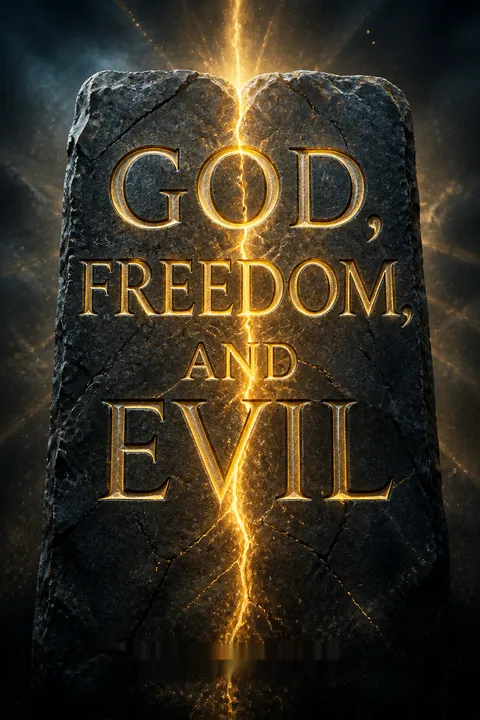
Dios, la libertad y el mal, de Alvin Plantinga, es una obra filosófica breve que aborda el problema del mal y los argumentos a favor de la existencia de Dios. Los lectores valoran especialmente el rigor lógico y la claridad con que Plantinga defiende el teísmo frente al desafío que plantea el mal. La primera mitad del libro, dedicada a la ateología natural, recibe elogios unánimes, mientras que la sección sobre teología natural genera opiniones más divididas. Muchos encuentran el argumento ontológico fascinante, aunque complejo. A pesar de su brevedad, el texto es denso y exige una lectura atenta. En conjunto, se considera una contribución fundamental a la teología filosófica.
Preguntas frecuentes
What's "God, Freedom, and Evil" about?
- Philosophy of Religion: The book explores philosophical reflections on central themes of religion, focusing on the existence of God, the problem of evil, and the rationality of theistic belief.
- Natural Theology and Atheology: It examines arguments for and against the existence of God, categorizing them into natural theology (arguments for God) and natural atheology (arguments against God).
- Key Arguments: The book delves into the problem of evil, the cosmological argument, the teleological argument, and the ontological argument, providing a detailed analysis of each.
- Philosophical Inquiry: Plantinga aims to show that belief in God is rationally acceptable, addressing both historical and contemporary philosophical debates.
Why should I read "God, Freedom, and Evil"?
- Understanding Theodicy: The book provides a comprehensive examination of why a benevolent and omnipotent God might permit evil, a central question in theodicy.
- Philosophical Depth: It offers deep insights into classical and modern philosophical arguments about God's existence, making it valuable for anyone interested in philosophy of religion.
- Critical Analysis: Plantinga critically analyzes and responds to major atheological arguments, offering a defense of theistic belief.
- Intellectual Challenge: The book challenges readers to think critically about complex philosophical issues, enhancing their understanding of both theistic and atheistic perspectives.
What are the key takeaways of "God, Freedom, and Evil"?
- Free Will Defense: Plantinga argues that the existence of evil is compatible with an omnipotent, omniscient, and wholly good God through the Free Will Defense.
- Natural Theology vs. Atheology: The book contrasts arguments for God's existence with those against it, highlighting the strengths and weaknesses of each.
- Ontological Argument: Plantinga revisits Anselm's ontological argument, offering a modern interpretation and defense of its validity.
- Rational Acceptability: The book concludes that belief in God is rationally acceptable, even if not conclusively proven by philosophical arguments.
What is the Free Will Defense in "God, Freedom, and Evil"?
- Moral Good and Evil: The Free Will Defense suggests that a world with free creatures capable of moral good is more valuable than one without, even if it includes moral evil.
- God's Limitations: It argues that God cannot create free creatures who are determined to do only good, as this would negate their freedom.
- Transworld Depravity: Plantinga introduces the concept of transworld depravity, suggesting that it might be impossible for God to create a world with moral good but no moral evil.
- Logical Consistency: The defense aims to show that the existence of evil does not logically contradict the existence of an omnipotent, omniscient, and wholly good God.
How does "God, Freedom, and Evil" address the problem of evil?
- Logical Problem of Evil: Plantinga examines whether the existence of evil is logically inconsistent with the existence of an omnipotent, omniscient, and wholly good God.
- Free Will Defense: He argues that the presence of free will can account for the existence of moral evil without contradicting God's nature.
- Natural Evil: The book also considers natural evil, suggesting it could result from the free actions of nonhuman agents like Satan.
- Rational Acceptability: Plantinga concludes that the existence of evil does not make belief in God irrational or improbable.
What is the ontological argument as discussed in "God, Freedom, and Evil"?
- Anselm's Argument: The ontological argument posits that the concept of God as the greatest conceivable being implies His existence, as existence in reality is greater than existence in understanding alone.
- Modal Version: Plantinga presents a modal version, arguing that if it's possible for a maximally great being to exist, then such a being exists in every possible world, including the actual world.
- Critiques and Responses: The book addresses common critiques, such as Kant's objection that existence is not a predicate, and offers responses to these criticisms.
- Rational Acceptability: While not claiming to prove God's existence conclusively, Plantinga argues that the ontological argument supports the rational acceptability of theistic belief.
What are the cosmological and teleological arguments in "God, Freedom, and Evil"?
- Cosmological Argument: This argument suggests that the existence of contingent beings implies the existence of a necessary being, which is identified as God.
- Teleological Argument: It posits that the apparent design and purpose in the universe indicate the existence of an intelligent designer, God.
- Critiques: Plantinga discusses criticisms of these arguments, such as the possibility of an infinite regress of causes and the ambiguity of design evidence.
- Philosophical Analysis: The book provides a detailed analysis of these arguments, highlighting their strengths and weaknesses in supporting theistic belief.
How does "God, Freedom, and Evil" address atheological arguments?
- Problem of Evil: Plantinga examines the atheological claim that the existence of evil is incompatible with the existence of God, offering the Free Will Defense as a rebuttal.
- Omniscience and Freedom: The book addresses the argument that divine omniscience is incompatible with human freedom, refuting it by clarifying the nature of divine foreknowledge.
- Verificationism: Plantinga critiques verificationism, which claims that religious statements are meaningless because they cannot be empirically verified.
- Rational Acceptability: He argues that none of the atheological arguments conclusively demonstrate the irrationality of theistic belief.
What are the best quotes from "God, Freedom, and Evil" and what do they mean?
- "The Free Will Defense...": This quote encapsulates Plantinga's argument that free will is a greater good that justifies the existence of moral evil.
- "The ontological argument...": Reflects the complexity and enduring fascination of Anselm's argument, highlighting its philosophical significance.
- "Natural theology and atheology...": Emphasizes the book's exploration of arguments for and against God's existence, showcasing its balanced approach.
- "Rational acceptability...": Underlines Plantinga's conclusion that belief in God is rationally acceptable, even if not conclusively proven.
How does "God, Freedom, and Evil" define and use the concept of possible worlds?
- Possible Worlds: Plantinga uses possible worlds to discuss the nature of necessity, possibility, and the existence of God, framing them as ways things could have been.
- Transworld Depravity: The concept is used to explain why God might not be able to create a world with moral good but no moral evil, due to the nature of free will.
- Ontological Argument: Possible worlds are central to the modal version of the ontological argument, which posits that if a maximally great being exists in any possible world, it exists in all.
- Philosophical Tool: The concept serves as a philosophical tool to explore complex issues of existence, necessity, and the nature of God.
What is transworld depravity in "God, Freedom, and Evil"?
- Definition: Transworld depravity is the idea that a person could go wrong with respect to at least one action in any world God could have actualized.
- Moral Evil: It suggests that God might not be able to create a world with moral good but no moral evil, as free creatures might always choose wrongly in some situations.
- Free Will Defense: This concept supports the Free Will Defense by explaining why moral evil might be unavoidable even for an omnipotent God.
- Philosophical Implication: It highlights the complexity of free will and its implications for the existence of evil in a world created by a benevolent deity.
How does "God, Freedom, and Evil" conclude on the rationality of theistic belief?
- Rational Acceptability: Plantinga concludes that belief in God is rationally acceptable, even if not conclusively proven by philosophical arguments.
- Free Will Defense: The book argues that the Free Will Defense successfully shows the logical compatibility of God and evil, supporting the rationality of theism.
- Ontological Argument: While not definitive, the ontological argument is presented as a valid support for the rational acceptability of belief in God.
- Philosophical Inquiry: The book encourages ongoing philosophical inquiry into the nature of God, evil, and the rationality of religious belief, without claiming to resolve all questions.
Sobre el autor
Otros libros de Alvin Plantinga

Descargar PDF
Descargar EPUB
.epub digital book format is ideal for reading ebooks on phones, tablets, and e-readers.








































