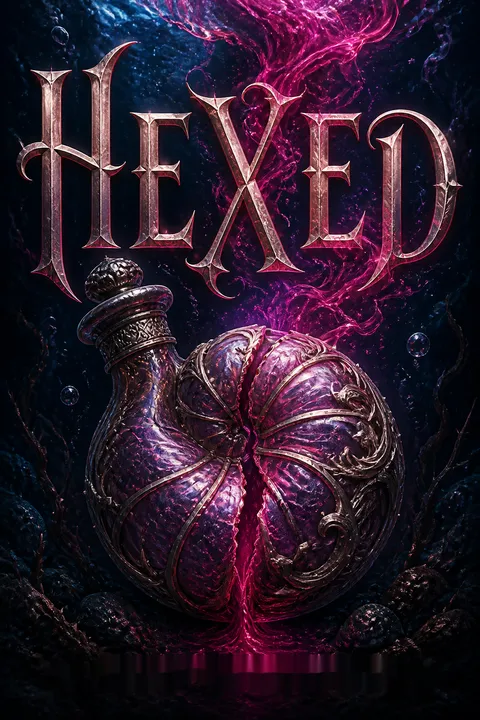

Resumen de la trama
Sangre y comienzos envenenados
La historia de Venesa Andersen comienza con sangre y veneno. Es una asesina a sueldo, una mujer que utiliza su belleza e ingenio para atraer a los hombres hacia su muerte. En un prólogo escalofriante, seduce y asesina a un hombre llamado Joey en una suite de hotel, empleando tanto estricnina como un cuchillo, mientras reflexiona sobre la muerte y el arte de matar. Este no es un mundo de inocencia: Venesa es producto de la violencia, moldeada por una infancia traumática y un legado familiar impregnado de crimen. Su tío, Trent Kingston, es un capo sureño, y Venesa es su activo más confiable, aunque siempre se siente como una extraña observando desde afuera. Su vida es una constante negociación entre el poder, la supervivencia y la esperanza de algo más.
Lazos familiares y traiciones
Dos años después, la vida de Venesa sigue definida por el imperio criminal de su familia. Su prima Aria, la princesa mimada, ha huido a Nueva York, y Venesa es enviada a buscarla. Su relación está cargada de celos, heridas antiguas y una competencia tácita por la aprobación de su tío. La imprudencia de Aria y la lealtad de Venesa a la familia las ponen en un camino de colisión. Cuando Venesa encuentra a un extraño herido —Enzo Marino, heredero de la mafia neoyorquina— en la orilla del río, le salva la vida sin saber cómo ese acto entrelazará sus destinos. Las familias Kingston y Marino están a punto de unirse mediante un matrimonio arreglado, pero bajo la superficie, viejas traiciones y nuevas ambiciones amenazan con estallar.
Las hijas del diablo
La rivalidad entre Venesa y Aria tiene raíces en traumas infantiles y en la dinámica tóxica de la familia Kingston. Los flashbacks revelan la dolorosa transición de Venesa al hogar Kingston tras la muerte de su madre, donde Aria rápidamente pasa de amiga a torturadora, apodándola “Urch” y orquestando su exilio social. La relación entre las chicas es un microcosmos de las luchas de poder mayores: ambas desesperadas por amor, validación y un lugar en la familia. Su antagonismo se agudiza con el regreso de Aria, ahora comprometida con Enzo, y con el creciente sentimiento de alienación de Venesa al ver cómo la atención de su tío se desvía de ella.
Un príncipe de la mafia revelado
Enzo Marino, el “Donjuán” de la mafia neoyorquina, es un hombre marcado por la pérdida y atado al deber. La trágica muerte de su madre y el asesinato de su hermano Peppino lo han dejado cínico respecto al amor y la familia. Su compromiso con Aria es un arreglo comercial, una forma de consolidar alianzas y saldar una deuda: Aria le salvó la vida tras un intento de asesinato. Pero Enzo está inquieto, asfixiado por las expectativas y atraído por la oscuridad que lleva dentro. Cuando conoce a Venesa, la chispa es inmediata: ella es la única mujer que lo desafía, que ve más allá de su fachada y que iguala su implacabilidad. Su química es innegable, pero su conexión está prohibida.
Lealtades enredadas
Mientras las familias Kingston y Marino negocian su alianza, Venesa recibe la tarea de mostrarle Atlantic Cove a Enzo, un movimiento orquestado por su tío para manipular a Enzo y que invierta en el proyecto hotelero familiar. Su recorrido por el malecón está cargado de tensión, coqueteo y la lenta revelación de sus heridas compartidas. Ambos son producto de familias violentas, ambos anhelan algo real y ambos están atrapados por obligaciones de las que no pueden escapar. Su atracción mutua crece, pero también el peligro: cada secreto, cada roce, es un riesgo. Mientras tanto, la lealtad de Venesa hacia su tío se pone a prueba al verse cada vez más atraída hacia el mundo de Enzo.
El oscuro corazón del refugio
The Lair, un bar y casino clandestino, es el santuario de Venesa y la herencia de su madre. También es el escenario de su trabajo más brutal. Cuando un extraño contador de cartas de Nueva Jersey es sorprendido haciendo trampa, Venesa y Enzo lo interrogan juntos, revelando su capacidad compartida para la violencia y su retorcida intimidad. El hombre confiesa que fue enviado para espiar a Enzo, insinuando una conspiración mayor que involucra a la familia De Luca y a los Kingston. La escena cimenta el vínculo entre Venesa y Enzo: ambos son monstruos, pero juntos encuentran una extraña forma de aceptación. Sin embargo, los secretos entre ellos crecen.
Seducción y supervivencia
La relación entre Venesa y Enzo oscila entre la seducción y la supervivencia. Bailan alrededor de sus sentimientos, temerosos de ceder, atormentados por la certeza de que su conexión podría destruirlos a ambos. Sus encuentros son eléctricos, cargados de anhelo, ira y la amenaza constante de la traición. El pasado de Venesa como asesina, su lealtad a su tío y el compromiso de Enzo con Aria son barreras que no pueden ignorar. Pero cuando finalmente sucumben a su deseo, la explosión es inevitable: un momento de felicidad robada en un mundo que no les ofrece nada. Aun así, la verdad sobre el papel de Venesa en la tragedia familiar de Enzo se cierne sobre ellos.
El pacto en el malecón
El malecón se convierte en el escenario de alianzas cambiantes y revelaciones peligrosas. La asociación entre Venesa y Enzo se profundiza mientras descubren la red de traiciones que conecta a sus familias. Aprenden que Frankie Bianchi, tío de Aria, está vinculado tanto a los Kingston como a los De Luca, y que el propio padre de Enzo pudo haber orquestado el intento de asesinato contra él. Las líneas entre amigo y enemigo se difuminan cuando Venesa y Enzo se ven obligados a enfrentar la realidad de que el poder de sus familias se sostiene sobre mentiras, asesinatos y manipulaciones. Su única esperanza es confiar el uno en el otro, pero la confianza es un lujo que ninguno puede permitirse.
Secretos en las sombras
A medida que Venesa y Enzo profundizan, los secretos en el corazón de sus familias salen a la luz. Venesa descubre que su tío mandó matar a su madre para robar la fortuna Kingston, y que su propia herencia le ha sido ocultada. Enzo se entera de que su padre, Carlos Marino, es el verdadero arquitecto de la violencia que ha marcado sus vidas. Las traiciones se multiplican: Fisher, el mejor amigo de Venesa, resulta ser una pieza en los planes de los Kingston; Aria es expuesta como manipuladora que nunca realmente salvó a Enzo. Pasado y presente chocan, forzando a Venesa y Enzo a elegir entre la venganza y el perdón.
Cadenas, cuchillos y verdad
Venesa es traicionada y capturada, encadenada en su propia sala de torturas por Aria y Fisher. La escena es una prueba de fuego: Venesa debe usar su ingenio y sus palabras para sobrevivir, enfrentando a sus captores entre sí y exponiendo las mentiras que los atan. Bastien, su único aliado verdadero, ayuda a orquestar su escape. En una confrontación paralela, Enzo enfrenta a su padre en la tumba de Peppino, descubriendo toda la magnitud de la traición de Carlos. Los amantes se reúnen en medio de la violencia y el dolor, su vínculo probado pero intacto. Juntos, deciden recuperar lo que les pertenece y poner fin al ciclo de traiciones.
La caída del rey
El enfrentamiento final ocurre en The Lair, donde Venesa atrae a su tío a una trampa. Con Bastien y Enzo a su lado, confronta a Trent Kingston, exponiendo sus crímenes y reclamando su derecho de nacimiento. La confrontación es brutal: Venesa usa su veneno característico para acabar con el reinado de su tío, mientras Aria queda sin voz y sin poder, un castigo justo por sus años de crueldad. El imperio Kingston cae, y Venesa emerge como su verdadera heredera. Enzo, habiendo matado a su propio padre para protegerla, asume su lugar como el nuevo don de la familia Marino. Juntos forjan una nueva alianza, construida no sobre la sangre, sino sobre la elección.
Amor a voz alta
En el después, Venesa y Enzo luchan por sanar las heridas de su pasado. Lamentan a los amigos y familiares que han perdido, pero también encuentran consuelo el uno en el otro. Su amor es imperfecto, marcado por la traición y la violencia, pero es real. Enzo le propone matrimonio a Venesa en el malecón donde comenzó su historia, prometiéndole amarla a voz alta en esta vida y en todas las que vengan. La novela termina con la promesa de un nuevo comienzo: un futuro construido no sobre los pecados de sus familias, sino sobre la confianza y el amor que han encontrado juntos.
Personajes
Venesa Andersen
Venesa es la antiheroína de la novela: una asesina a sueldo moldeada por traumas infantiles, traiciones familiares y una necesidad desesperada de amor. Criada por un padre abusivo y una madre negligente, es acogida por su tío Trent Kingston, solo para encontrarse como una extraña en un mundo de privilegio y poder. La lealtad de Venesa es a la vez su fortaleza y su debilidad: haría cualquier cosa por quienes ama, aunque la usen y desechen. Su relación con Aria está marcada por la rivalidad y el dolor, mientras que su vínculo con Enzo es un salvavidas en un mundo que le ofrece poca esperanza. El viaje de Venesa es uno de autodescubrimiento, aprendiendo a reclamar su propio poder y exigir ser elegida, no solo usada.
Enzo Marino
Enzo es el heredero de la familia criminal Marino, un hombre marcado por la pérdida, la violencia y el peso aplastante de las expectativas. La muerte de su madre y el asesinato de su hermano lo han dejado emocionalmente herido, desconfiado del amor y resignado a una vida de obligaciones. Su compromiso con Aria es un negocio, pero su conexión con Venesa despierta algo real: un anhelo de autenticidad, de una compañera que vea y acepte su oscuridad. Enzo es a la vez implacable y vulnerable, capaz de gran violencia y gran ternura. Su arco es el de liberarse de la sombra de su padre y elegir su propio camino, aunque eso signifique arriesgarlo todo.
Trent Kingston (Tío T)
Trent es el patriarca de la familia Kingston, un hombre que ejerce el poder con guante de terciopelo y puño de hierro. Es a la vez figura paterna y torturador para Venesa, usándola como su activo más valioso mientras le niega una verdadera pertenencia. Su amor por su hija Aria es obsesivo, cegándolo ante sus defectos y alimentando su disposición a sacrificar a cualquiera —incluida Venesa— por ella. Su mayor crimen es el asesinato de su propia hermana, la madre de Venesa, para asegurar la fortuna Kingston. La caída de Trent es un estudio de la arrogancia: el rey que es destruido por la misma familia que quiso controlar.
Aria Kingston
Aria es prima y rival de Venesa desde la infancia, la niña de oro que no puede hacer nada mal ante los ojos de su padre. Su belleza y encanto ocultan una profunda inseguridad y una capacidad para la crueldad, especialmente hacia Venesa. Su compromiso con Enzo es tanto un premio como una prisión, una forma de asegurar su lugar en la familia y escapar del control paterno. Su arco es de desmoronamiento gradual: sus manipulaciones son expuestas, su voz literalmente le es arrebatada y queda impotente al final. Aria es a la vez producto y perpetradora del legado tóxico de los Kingston.
Bastien
Bastien es la mano derecha de Trent, una figura de fuerza silenciosa y profundidades ocultas. Es la única persona en quien Venesa confía plenamente, y su lealtad hacia ella es inquebrantable, incluso cuando juega en ambos bandos para protegerla. Bastien es un maestro de la violencia, pero también una fuente de consuelo y estabilidad para Venesa. Su papel en la historia es el de guardián silencioso, quien asegura que se haga justicia y que Venesa sobreviva para reclamar su herencia.
Fisher
Fisher es amigo de la infancia y confidente de Venesa, un marginado que comprende su dolor. Su lealtad se pone a prueba cuando es manipulado por Aria y Trent, obligado a elegir entre su amor por Aria y su amistad con Venesa. La traición de Fisher es un golpe devastador, pero sus acciones nacen de la desesperación y la vulnerabilidad. Su muerte es tanto una tragedia como una liberación, un recordatorio de que en este mundo, incluso las mejores intenciones pueden conducir a la ruina.
Carlos Marino
El padre de Enzo es el verdadero villano de la historia: un hombre cuya paranoia, ambición y crueldad han moldeado el destino de ambas familias. Carlos orquesta los asesinatos de sus propios hijos, manipula alianzas y exige lealtad absoluta. Su caída llega de la mano de Enzo, quien debe matarlo para liberarse del ciclo de violencia y reclamar su futuro.
Frankie Bianchi
Tío de Aria y pieza clave en la red de traiciones, Frankie es el vínculo entre los Kingston, los Marino y los De Luca. Su disposición a traicionar a cualquiera para sobrevivir lo hace peligroso y prescindible. Su confesión a Enzo es el catalizador para el enfrentamiento final.
Jessica
Asistente de Enzo, Jessica es revelada como una espía al servicio de Carlos Marino. Su traición recuerda que el peligro puede venir de los lugares más inesperados, y sus acciones casi cuestan la vida de Venesa.
The Lair (Escenario/Personaje)
The Lair es más que un bar: es la herencia y el refugio de Venesa, el lugar de sus mayores pruebas. Allí enfrenta a sus enemigos, reclama su poder y finalmente ejecuta su venganza. The Lair simboliza tanto la oscuridad que ha sobrevivido como el futuro que está decidida a construir.
Recursos narrativos
Narración dual y perspectivas cambiantes
La novela emplea una estructura de narración dual, alternando entre los puntos de vista de Venesa y Enzo. Este recurso permite al lector experimentar los eventos desde ambos lados, profundizando la empatía por cada personaje y aumentando el suspense a medida que se revelan secretos. Las perspectivas cambiantes reflejan también las luchas internas de los personajes: cada uno es cazador y presa, víctima y perpetrador.
Presagios y simbolismo
La historia está llena de presagios y simbolismos: el collar de conchas de Venesa, la pintura familiar, el motivo recurrente del veneno y los cuchillos, el malecón como lugar de inocencia y violencia. Estos elementos funcionan como dispositivos narrativos y anclas temáticas, reforzando la exploración del poder, la herencia y la posibilidad de redención.
El “trato con el diablo”
A lo largo de la novela, los personajes hacen tratos, algunos explícitos y otros tácitos. Estos pactos impulsan la trama, mientras las alianzas cambian y las traiciones salen a la luz. El motivo del “trato con el diablo” subraya la ambigüedad moral del mundo que habitan Venesa y Enzo, donde sobrevivir a menudo significa sacrificar el alma.
El ciclo de violencia y herencia
La estructura de la novela gira en torno a la idea de la herencia, no solo de riqueza y poder, sino de trauma, violencia y dinámicas familiares tóxicas. Cada personaje está marcado por los pecados de sus padres, y la pregunta central es si podrán romper el ciclo o están condenados a repetirlo. El acto final, en el que Venesa y Enzo reclaman sus propios destinos, es tanto literal como simbólico: la ruptura de la cadena.
El estribillo de “una vida diferente”
La frase “en una vida diferente” se repite a lo largo de la novela, encapsulando el deseo de los personajes por escapar, por un mundo donde puedan amar y ser amados libremente. El estribillo es a la vez un lamento y un desafío: al final, Venesa y Enzo eligen hacer de esta vida la que amen a voz alta, negándose a ser definidos por el pasado.
Análisis
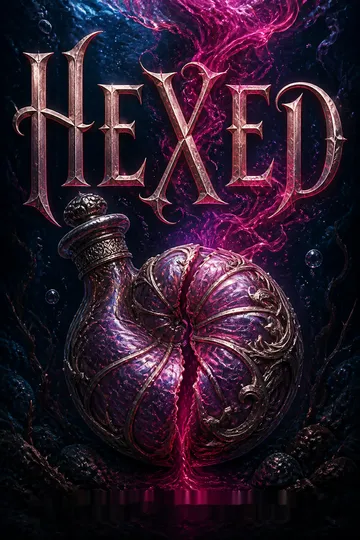
Hexed es una oscura y contemporánea reinvención del viaje del villano: un cuento de hadas fracturado donde los monstruos se hacen, no nacen, y donde el amor es a la vez arma y salvación. La novela de Emily McIntire interroga la naturaleza del poder, el legado del trauma y la posibilidad de redención en un mundo donde la lealtad es moneda y la traición inevitable. En su esencia, Hexed trata sobre la lucha por ser visto y elegido en un mundo que prefiere usar y desechar. La historia de Venesa y Enzo es un testimonio de la resiliencia del espíritu humano: su amor se forja en la violencia, se prueba con la traición y triunfa porque se eligen mutuamente, con todas sus imperfecciones. El mensaje de la novela es claro: no estamos definidos por las familias en las que nacemos, sino por las familias que elegimos y por nuestra voluntad de romper los ciclos que nos atan. En un mundo de sangre y veneno, Hexed se atreve a imaginar una vida diferente, una donde el amor es fuerte, desordenado y, sobre todo, real.
También leyeron




Preguntas frecuentes
```markdown
Synopsis & Basic Details
What is Hexed about?
- A Dark Fairy Tale Retelling: Hexed by Emily McIntire is a dark contemporary romance that reimagines a classic fairy tale from the villain's perspective, focusing on themes of power, loyalty, and the search for belonging within a criminal underworld. It follows Venesa Andersen, a contract killer for her powerful uncle, and Enzo Marino, the heir to a New York Mafia family, whose lives become entangled through an arranged marriage and a web of family betrayals.
- Forbidden Love & Hidden Truths: The narrative explores the intense, forbidden attraction between Venesa and Enzo, both scarred by their violent upbringings and bound by familial obligations. As their connection deepens, they uncover shocking truths about their respective families, forcing them to confront their pasts and decide if they can forge a future together.
- A Journey of Self-Discovery: Beyond the romance, the novel is a journey of self-discovery for Venesa, who grapples with her identity as a "monster" and her desperate need for genuine love and acceptance. It delves into the psychological complexities of characters shaped by trauma, ultimately questioning whether they can break free from destructive cycles.
Why should I read Hexed?
- Intense, Forbidden Romance: Readers seeking a high-stakes, dark romance with undeniable chemistry between two morally gray protagonists will be captivated. The push-and-pull between Venesa and Enzo, complicated by their dangerous worlds, creates a thrilling and emotionally charged reading experience.
- Deep Dive into Villain Psychology: The novel offers a unique perspective by centering on a villain, Venesa, and exploring the psychological underpinnings of her actions and motivations. It challenges readers to empathize with characters who commit heinous acts, revealing the trauma and desperation that shape their choices.
- Intricate Plot of Betrayal & Power: Beyond the romance, Hexed delivers a complex plot filled with family secrets, betrayals, and power struggles within the criminal underworlds of both the Southern and New York Mafia. The unraveling of these conspiracies keeps the reader engaged, offering twists and turns that redefine loyalty and trust.
What is the background of Hexed?
- Fractured Fairy Tale Genre: Hexed is explicitly stated by the author as a "dark contemporary romance" and an "adult fractured fairy tale," indicating it draws inspiration from classic tales but subverts their traditional themes and happy endings. This positions it within a popular subgenre that explores darker, more mature interpretations of familiar stories.
- Author's Personal Journey: Emily McIntire's author's note reveals she wrote the book while undergoing chemotherapy for stage IV breast cancer. This personal context adds a layer of resilience and determination to the creative process, potentially influencing the themes of survival, fighting for what you want, and finding strength amidst adversity that resonate throughout the narrative.
- Interconnected Universe: The book is part of the "Never After Novel" series, implying a shared universe or thematic connections with other works by Emily McIntire. This context suggests that while Hexed is a standalone story, it exists within a broader framework of dark romance retellings, appealing to readers familiar with the author's style and previous works.
What are the most memorable quotes in Hexed?
- "But a mermaid has no tears, and therefore she suffers so much more.": This quote, attributed to Hans Christian Andersen's "The Little Mermaid," serves as a poignant epigraph, immediately setting a tone of profound, hidden suffering. It foreshadows Venesa's inability to cry and her deep emotional pain, linking her to the tragic figure of the mermaid who sacrifices her voice for love, a powerful piece of Hexed symbolism.
- "In a different life, I'd love you out loud.": Uttered by Enzo during a moment of intense, forbidden intimacy with Venesa, this line encapsulates the central theme of longing for a life free from the constraints of their criminal worlds. It highlights the profound emotional connection they share, even as external forces prevent them from fully expressing it, becoming a key phrase in Hexed analysis.
- "Just wait until you see who I become in spite of you.": Venesa's defiant declaration to her uncle, Trent Kingston, after his ultimate betrayal, marks a pivotal turning point in her character arc. This quote signifies her transition from seeking his approval to embracing her own power and seeking vengeance, a powerful statement of Venesa's motivations and the core Hexed themes.
What writing style, narrative choices, and literary techniques does Emily McIntire use?
- Dual POV & Intimate Access: Emily McIntire employs a dual point-of-view (POV) narrative, alternating between Venesa and Enzo's perspectives. This choice provides readers with intimate access to their internal thoughts, motivations, and emotional turmoil, deepening the psychological complexity of both characters and enhancing the reader's understanding of their forbidden connection. This is crucial for Hexed character analysis.
- Sensory-Rich & Visceral Language: The author uses vivid, sensory-rich language to immerse readers in the dark and dangerous world of the Mafia. Descriptions of violence, desire, and emotional states are often visceral, creating a raw and intense reading experience. This stylistic choice amplifies the dark romance elements and the high stakes of the plot.
- Foreshadowing & Symbolic Imagery: McIntire masterfully integrates subtle foreshadowing and recurring symbolic imagery throughout the novel. Objects like Venesa's seashell necklace, the family painting, and motifs of poison and water are imbued with deeper meaning, hinting at future plot developments and enriching the thematic layers of the story, a key aspect of Hexed symbolism explained.
Hidden Details & Subtle Connections
What are some minor details that add significant meaning?
- Venesa's Nail Polish Chip: The seemingly trivial detail of Venesa's chipped red nail polish on her pinky finger (Chapter 3) is a subtle indicator of her internal turmoil and nervousness. It occurs after her encounter with Enzo and while discussing her "sloppy" work with Uncle T, symbolizing her carefully constructed facade cracking under pressure and her underlying vulnerability, a hidden detail in Hexed character analysis.
- Enzo's "Lover Boy" Nickname: Enzo's nickname, "Lover Boy," initially appears to be a playful jab from his cousin Scotty (Chapter 9), but its deeper meaning is revealed by Scotty later: "He likes to kiss you a bit before he fucks ya." This foreshadows Enzo's manipulative charm and his capacity for both tenderness and ruthlessness, a subtle connection to his complex nature and a key element of Hexed character motivations.
- The Mermaid Fountain at Kingston Estate: The stone mermaid fountain at the Kingston estate (Chapter 2) is more than just decor; it subtly connects to the novel's epigraph about mermaids having no tears and suffering more. This detail foreshadows Venesa's emotional repression and her deep, unexpressed pain, linking her to the mythical creature and reinforcing the themes of hidden suffering in Hexed symbolism.
What are some subtle foreshadowing and callbacks?
- Venesa's "Shoulda Been" Nickname: In Chapter 5, Venesa overhears an eighth-grader call her a "shoulda been" – someone who "should have been born into money but turned out poor." This seemingly minor insult subtly foreshadows the later revelation that Venesa was, in fact, the rightful heir to the Kingston fortune, a crucial piece of Hexed plot explained. It highlights the injustice she suffered and the hidden truth of her inheritance.
- Enzo's Mother's Pills: The recurring mention of Pops bringing home "pills to keep her calm" for Enzo's mother (Chapter 2) subtly foreshadows her eventual overdose. This detail paints a picture of a family steeped in manipulation and neglect, hinting at the tragic consequences of Carlos Marino's actions and the cycle of abuse that Enzo is determined to break, a key element of Hexed themes.
- Bastien's Cabin Reference: When Venesa asks Bastien where he would take someone if he kidnapped them, he mentions a "cabin" (Chapter 52). This seemingly casual detail becomes a crucial callback when Venesa and Enzo later use this exact cabin to hold Aria, demonstrating Bastien's meticulous planning and loyalty to Venesa, a subtle connection that reveals his true allegiance in Hexed analysis.
What are some unexpected character connections?
- Fisher's Love for Aria: The revelation that Fisher, Venesa's best friend, was deeply in love with Aria and even had a child with her (Chapter 50) is a significant and unexpected connection. This hidden history explains Fisher's conflicted loyalties and his ultimate betrayal of Venesa, adding a tragic layer to his character and complicating the dynamics between the cousins. This is a crucial Hexed character motivation explained.
- Frankie Bianchi's Dual Loyalty: The discovery that Frankie Bianchi, Aria's uncle, was not only working with Trent Kingston but also with Carlos Marino (Chapter 43) is an unexpected twist. This reveals a deeper, more intricate web of alliances and betrayals than initially perceived, highlighting the pervasive corruption and the extent of Carlos Marino's influence across both families, a key element of Hexed plot explained.
- Jessica as Carlos Marino's Agent: Enzo's assistant, Jessica, initially appears as a minor, flirtatious character, but her role as Carlos Marino's agent who kidnaps Venesa (Chapter 47) is a shocking and unexpected connection. This reveals the depth of Carlos's paranoia and his infiltration of Enzo's inner circle, underscoring the constant threat of betrayal that permeates their world, a significant Hexed plot twist.
Who are the most significant supporting characters?
- Bastien: The Silent Guardian: Bastien transcends the role of a mere enforcer; he is Venesa's unwavering, albeit quiet, protector and confidant. His subtle actions, like dog-earing his book to annoy Venesa (Chapter 30) or revealing the hidden will in the painting (Chapter 50), demonstrate a deep, unspoken loyalty that often goes unnoticed by others. He acts as a moral compass and a strategic ally, consistently putting Venesa's well-being above Trent's demands, making him pivotal to Hexed character analysis.
- Scotty: The Loyal Gossip: Scotty, Enzo's younger cousin, serves as more than just a chauffeur; he is a crucial source of information and a loyal, if sometimes bumbling, sidekick. His "gossip" (Chapter 2, 6) inadvertently provides Enzo with key details about the Kingston family and the De Lucas, while his unwavering devotion to Enzo highlights the genuine bonds that exist even within the Mafia. His character adds moments of levity and humanizes Enzo's world, a key supporting role in Hexed plot explained.
- Fisher: The Tragic Confidant: Fisher is Venesa's best friend and a complex figure whose loyalty is tragically divided. His deep-seated love for Aria and his desperation to protect their child (Chapter 50) drive his actions, making him a sympathetic betrayer. His character underscores the novel's themes of impossible choices and the devastating impact of family secrets, serving as a poignant reminder of the collateral damage in their world, a significant Hexed character motivation.
Psychological, Emotional, & Relational Analysis
What are some unspoken motivations of the characters?
- Venesa's Craving for "Love Out Loud": Beyond her desire for power and vengeance, Venesa's deepest unspoken motivation is a profound craving for someone to "love her out loud" (Chapter 8, 17). Her childhood trauma, marked by a mother who only showed affection on her birthday and a father who blamed her for his abuse, left her starved for open, unconditional love. This unspoken need drives her initial loyalty to Uncle T and later her intense connection with Enzo, a core aspect of Venesa's motivations explained.
- Enzo's Fear of Becoming His Father: Enzo's unspoken motivation is a deep-seated fear of mirroring his father's cruelty and infidelity. His mother's suffering due to Pops's betrayals (Chapter 6) instilled in him a strong aversion to cheating and emotional manipulation. This fear initially makes him hesitant to act on his feelings for Venesa, despite their undeniable chemistry, as he struggles to reconcile his desires with his moral code, a key element of Enzo's psychological complexities.
- Aria's Desire for Validation: Aria's relentless pursuit of Enzo and her cruel treatment of Venesa are driven by an unspoken, desperate need for validation and to prove her worth. Despite being the "pampered princess," she feels unseen and undervalued by her father, especially in comparison to Venesa's utility. Her actions are a misguided attempt to secure her place and gain recognition, a subtle layer to Aria's motivations explained.
What psychological complexities do the characters exhibit?
- Venesa's Trauma-Induced Repression: Venesa exhibits profound psychological complexities stemming from her childhood trauma, particularly her inability to cry (Chapter 17). This repression is a coping mechanism developed to survive her abusive father's violence, where crying led to her mother's beatings. Her outward ruthlessness and control mask a deeply wounded inner child, making her emotional breakthroughs with Enzo particularly significant in Venesa's psychological analysis.
- Enzo's Loyalty vs. Self-Preservation Conflict: Enzo grapples with the psychological conflict between his ingrained loyalty to his family and his growing need for self-preservation and authenticity. His promise to his dying mother to never go against his father (Chapter 11) creates immense internal pressure, even as he recognizes his father's destructive paranoia. This internal struggle defines his journey, leading to his ultimate decision to break free, a central theme in Enzo's character development.
- Trent Kingston's Narcissistic Control: Trent Kingston displays classic narcissistic traits, viewing his family members as extensions of himself and tools for his power. His "peacocking" (Chapter 25) and need for constant validation, coupled with his inability to genuinely love or empathize, reveal a deep-seated insecurity beneath his powerful facade. His manipulation of Venesa and Aria is a manifestation of his need for absolute control, a key aspect of Trent Kingston's psychological analysis.
What are the major emotional turning points?
- Enzo's Realization of Aria's Deception: The emotional turning point for Enzo occurs when he overhears Trent tell Aria that she "wasn't even the one who saved him" (Chapter 35). This shatters his foundational belief that he owed Aria his life, releasing him from a year of guilt and obligation. This moment allows him to fully embrace his feelings for Venesa and pursue a life of his own choosing, a critical shift in Enzo's emotional arc.
- Venesa's Uncle's Betrayal with the Painting: Venesa's emotional breaking point is when Uncle T publicly gives the family painting, her last tangible link to her mother and her promised inheritance, to Aria (Chapter 30). This act of profound betrayal, coupled with his subsequent verbal abuse, shatters Venesa's lifelong loyalty and transforms her desire for approval into a burning need for vengeance, marking a pivotal moment in Venesa's character development.
- Venesa's First Tears: The most significant emotional turning point for Venesa is when she finally cries after Enzo leaves her, believing she has lost him forever (Chapter 47). This moment, after years of physical inability to shed tears due to trauma, signifies a profound emotional release and the breaking of a deeply ingrained coping mechanism. It marks her acceptance of her vulnerability and her capacity for deep love and pain, a powerful symbol in Hexed emotional analysis.
How do relationship dynamics evolve?
- Venesa and Enzo: From Forbidden Attraction to Chosen Family: Their relationship evolves from a dangerous, forbidden attraction fueled by shared darkness and trauma to a deep, committed partnership built on mutual understanding and choice. Initially, they are drawn to each other's ruthlessness and vulnerability, finding solace in someone who "sees" them (Chapter 16). By the end, they become each other's chosen family, actively working together to dismantle their pasts and build a future where they can "love out loud" (Epilogue), a central theme in Hexed relationship dynamics.
- Venesa and Uncle T: From Loyalty to Vengeance: The dynamic between Venesa and Uncle T undergoes a drastic transformation from one of desperate loyalty and a yearning for approval to bitter betrayal and a thirst for vengeance. Venesa initially seeks his love and validation, performing heinous acts to earn his pride (Chapter 3). However, his repeated manipulations, the revelation of her mother's murder, and his ultimate disownment (Chapter 33) shatter her illusions, leading her to actively seek his downfall and reclaim her rightful inheritance. This is a key aspect of Venesa's character arc.
- Enzo and Carlos Marino: From Duty to Deadly Confrontation: Enzo's relationship with his father, Carlos Marino, shifts from one of dutiful obedience, albeit with growing unease, to outright confrontation and patricide. Enzo initially adheres to his father's demands, including the arranged marriage, out of a sense of obligation and a promise to his mother (Chapter 11). However, the discovery of Carlos's betrayal—orchestrating the attempt on Enzo's life and Peppino's murder (Chapter 43, 48)—forces Enzo to break free, culminating in a deadly showdown that redefines his leadership and moral compass. This is a critical element of Enzo's motivations.
Interpretation & Debate
Which parts of the story remain ambiguous or open-ended?
- The Future of the Marino Commission: While Enzo successfully takes over as Don and plans to reinstate the commission (Chapter 44), the long-term stability and nature of this new power structure remain somewhat ambiguous. The novel ends with the immediate aftermath of his father's death, but the challenges of leading a fractured Mafia and maintaining alliances are complex and open to future interpretation, leaving room for debate on Hexed ending explained.
- Aria's Ultimate Fate and Survival: Aria is left voiceless and penniless, with the choice to use the remaining poison to end her life (Chapter 53). While Venesa believes she will live a miserable existence, her ultimate fate is not explicitly confirmed. This ambiguity leaves readers to ponder whether she truly succumbs to her despair or finds a way to survive, adding a layer of interpretive debate to Hexed character arcs.
- The Extent of Venesa's Healing from Trauma: While Venesa experiences a significant breakthrough by finally crying and finding love with Enzo, the full extent of her healing from years of profound trauma remains open-ended. The novel acknowledges that "working through the rest later. Day by day" (Chapter 51) is necessary, suggesting that her journey of emotional recovery is ongoing and complex, inviting discussion on the long-term psychological impact in Hexed analysis.
What are some debatable, controversial scenes or moments in Hexed?
- Venesa's Torture of Sean: The scene where Venesa tortures Sean, the card-counting spy, by injecting him with stonefish venom and then cutting off his hand (Chapter 12) is highly controversial. While it establishes her ruthlessness and capacity for violence, it pushes moral boundaries and forces readers to confront the dark nature of the protagonist, sparking debate on the ethics of her actions and the definition of a "hero" in Hexed character analysis.
- Enzo's Murder of Fisher: Enzo's immediate and brutal killing of Fisher, Venesa's best friend, upon seeing him with Venesa (Chapter 51) is a debatable moment. While Enzo perceives Fisher as a threat and a betrayer, some readers might question the swiftness and finality of his judgment, especially given Fisher's complex motivations. This scene highlights Enzo's own ruthlessness and the high cost of loyalty in their world, a controversial aspect of Enzo's motivations.
- The "Different Life" Refrain: The recurring motif of "in a different life" (Chapter 19, 31) and the characters' longing for an idealized existence can be debated. Some readers might find it romantic, emphasizing their deep connection despite their circumstances, while others might view it as a form of escapism that avoids confronting the harsh realities of their choices and actions, leading to discussions on Hexed themes and their interpretation.
Hexed Ending Explained: How It Ends & What It Means
- The Downfall of the Old Order: The ending of Hexed sees the violent overthrow of both the Kingston and Marino patriarchs. Venesa orchestrates her uncle [Trent](#trent
Never After Serie





Descargar PDF
Descargar EPUB
.epub digital book format is ideal for reading ebooks on phones, tablets, and e-readers.








































