
Resumen de la trama
El nacimiento del niño diablo
Zezé, un niño precoz de cinco años, es frecuentemente llamado "niño diablo" por su familia debido a su comportamiento travieso. A pesar de las palizas que recibe en casa, encuentra consuelo en su imaginación y en las pequeñas alegrías de la vida, como cantar en su interior. Su hermano Totoca le enseña sobre el mundo, pero la curiosidad de Zezé a menudo lo mete en problemas. La familia enfrenta la pobreza, y las travesuras de Zezé son tanto fuente de frustración como reflejo de su espíritu vibrante.
El descubrimiento del naranjo dulce
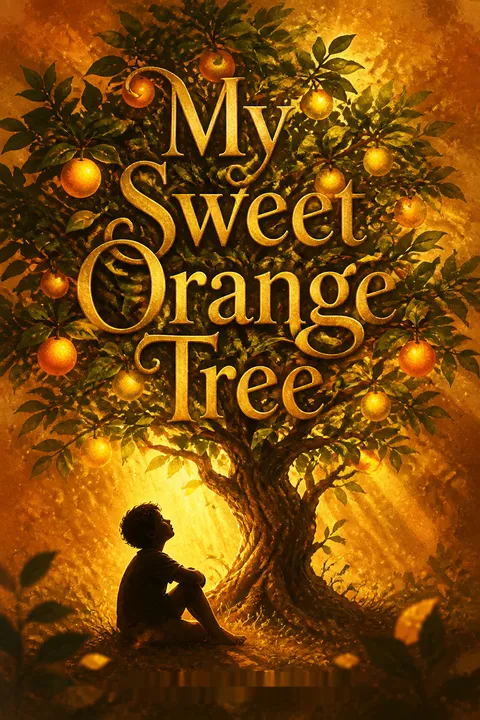
Zezé descubre un naranjo dulce en el patio trasero de su nueva casa, que se convierte en su confidente y amigo. Lo llama Pinkie y se imagina que puede hablar, brindándole compañía y comprensión que no encuentra en su familia. El árbol se transforma en un símbolo de esperanza e imaginación, un refugio donde Zezé puede escapar de las duras realidades de su vida y soñar con un futuro mejor.
Los dedos flacos de la pobreza
La familia de Zezé enfrenta graves problemas financieros; su padre está desempleado y su madre trabaja incansablemente. Los intentos de Zezé por ayudar, como lustrar zapatos, suelen terminar en fracaso o travesuras. A pesar de las adversidades, la imaginación y la resiliencia de Zezé brillan, pues sigue encontrando alegría en las pequeñas cosas y sueña con una vida más allá de la pobreza.
Un nuevo amigo, Portuga
Zezé establece un vínculo profundo con Manuel Valadares, a quien llama cariñosamente Portuga. Portuga se convierte en una figura paterna para Zezé, ofreciéndole amabilidad y comprensión. Su amistad le brinda a Zezé un sentido de pertenencia y amor que anhela desesperadamente. La naturaleza gentil de Portuga y las aventuras que comparten se vuelven fuente de alegría y consuelo para Zezé.
Dos palizas memorables
El comportamiento travieso de Zezé provoca duras palizas por parte de su familia, especialmente de su hermana Jandira y de su padre. Estas golpizas lo dejan marcado física y emocionalmente, reforzando su creencia de que no es amado ni deseado. A pesar del dolor, el espíritu de Zezé permanece intacto, y continúa hallando consuelo en su amistad con Portuga y en su naranjo dulce.
La tragedia de Mangaratiba
El accidente del tren de Mangaratiba cobra la vida de Portuga, dejando a Zezé devastado. La pérdida de su único amigo verdadero lo sumerge en una profunda desesperación, y lucha por sobrellevar el dolor abrumador. Esta tragedia marca un punto de inflexión en la vida de Zezé, quien enfrenta las duras realidades de la pérdida y la fragilidad de la felicidad.
Ternura y recuperación
Con el apoyo de su hermana Glória y la comunidad, Zezé poco a poco se recupera de la pérdida de Portuga. Aprende a encontrar alegría nuevamente en las pequeñas cosas y empieza a reconstruir su vida. El amor y la ternura que recibe lo ayudan a sanar, y comienza a comprender la importancia de valorar los momentos de felicidad y amor que la vida ofrece.
Confesión final
Ya adulto, Zezé mira hacia atrás en su infancia y en el profundo impacto que Portuga tuvo en su vida. Reconoce las lecciones de ternura y amor que Portuga le enseñó, las cuales continúan guiándolo. A pesar del dolor y la pérdida, Zezé atesora los recuerdos de su naranjo dulce y de su querido amigo, entendiendo que ellos lo moldearon en la persona que es hoy.
Personajes
Zezé
Zezé es un niño de cinco años con una imaginación vívida y una naturaleza traviesa. A pesar de la dureza de su vida familiar, encuentra consuelo en su amistad con un naranjo dulce y, más adelante, con Portuga. El camino de Zezé es uno de resiliencia y crecimiento, mientras aprende sobre el amor, la pérdida y la importancia de la ternura.
Portuga (Manuel Valadares)
Portuga es un hombre gentil y comprensivo que se convierte en una figura paterna para Zezé. Le ofrece el amor y la bondad que le faltan en casa, enseñándole el significado de la ternura. La trágica muerte de Portuga impacta profundamente a Zezé, dejando un legado duradero de amor y compasión.
Glória
Glória es la hermana mayor de Zezé, quien le muestra amor y protección en medio de las dificultades familiares. Es una fuente de consuelo y apoyo para Zezé, especialmente durante su recuperación tras la pérdida de Portuga. Su ternura ayuda a Zezé a sanar y a encontrar esperanza nuevamente.
Jandira
Jandira es una de las hermanas mayores de Zezé, conocida por su severidad y disciplina dura. Sus palizas contribuyen a que Zezé se sienta no amado y no deseado. A pesar de su dureza, forma parte de la dinámica familiar que moldea la infancia de Zezé.
Totoca
Totoca es el hermano mayor de Zezé, quien a menudo le enseña sobre el mundo. Aunque a veces se aprovecha de la ingenuidad de Zezé, también se preocupa por él y lo ayuda a navegar su entorno difícil. La relación entre Totoca y Zezé es una mezcla de rivalidad fraternal y camaradería.
Padre (Paulo Vasconcelos)
El padre de Zezé está desempleado y lucha por mantener a la familia. Su frustración se manifiesta a menudo en una disciplina severa hacia Zezé. A pesar de sus limitaciones, representa las presiones y desafíos de las responsabilidades adultas en un hogar marcado por la pobreza.
Madre (Estefânia Vasconcelos)
La madre de Zezé trabaja incansablemente para sostener a la familia, lo que a menudo la deja demasiado cansada para mostrar afecto. Su amor por Zezé es evidente, pero las exigencias de la supervivencia opacan su capacidad para nutrirlo plenamente. Encierra los sacrificios que hacen los padres en circunstancias difíciles.
Luís
Luís es el hermano menor de Zezé, quien lo admira profundamente. Su inocencia y sencillez brindan a Zezé momentos de alegría y ternura. Luís representa la pureza y la esperanza de la infancia en medio de las dificultades familiares.
Tío Edmundo
El tío Edmundo es una fuente de sabiduría y conocimiento para Zezé. Fomenta la curiosidad y la imaginación de Zezé, dándole un sentido de validación y comprensión. Su presencia en la vida de Zezé contrasta con la dureza de su familia inmediata.
Pinkie (El naranjo dulce)
Pinkie es el naranjo dulce en el patio de Zezé, al que él imagina como un amigo que habla. El árbol simboliza la imaginación y la resiliencia de Zezé, ofreciéndole compañía y un espacio seguro para soñar. La presencia de Pinkie resalta el poder de la imaginación para superar la adversidad.
Recursos narrativos
Imaginación y escapismo
La vívida imaginación de Zezé funciona como un recurso narrativo crucial, permitiéndole escapar de las duras realidades de su vida. A través de su mundo imaginario, encuentra consuelo, compañía y un sentido de control. Este recurso destaca la resiliencia del espíritu humano y el poder de la imaginación para brindar esperanza y alivio.
Simbolismo del naranjo dulce
El naranjo dulce, Pinkie, simboliza la esperanza, la imaginación y la necesidad de amistad de Zezé. Representa un refugio seguro donde Zezé puede expresarse libremente y hallar consuelo. La eventual destrucción del árbol refleja la pérdida de la inocencia de Zezé y la dura irrupción de la realidad en su mundo.
El tren de Mangaratiba
El tren de Mangaratiba funciona como un recurso narrativo que introduce la tragedia en la vida de Zezé con la muerte de Portuga. Simboliza las fuerzas incontrolables de la vida que pueden destruir la felicidad y la inocencia. El impacto del tren en la vida de Zezé impulsa su camino de crecimiento y comprensión de la pérdida.
Ternura y redención
El tema de la ternura y la redención está entretejido a lo largo de la narrativa, especialmente a través de la relación de Zezé con Portuga. Este recurso enfatiza el poder transformador del amor y la bondad para sanar heridas y fomentar el crecimiento personal. Subraya la importancia de la compasión para superar la adversidad.
Análisis
"Mi naranjo dulce" es una narración profundamente emotiva que explora las complejidades de la infancia, la resiliencia y la búsqueda de amor y pertenencia. A través del viaje de Zezé, la historia aborda temas como la pobreza, la dinámica familiar y el impacto de la pérdida. La novela resalta el poder de la imaginación como mecanismo de afrontamiento y la influencia profunda de la bondad y la ternura en la formación de la vida de un niño. La relación de Zezé con Portuga es un testimonio del impacto duradero del amor y la capacidad de sanar, incluso frente a un dolor profundo. La exploración de la inocencia, el sufrimiento y la redención resuena con los lectores, ofreciendo una reflexión atemporal sobre la experiencia humana.
También leyeron



Preguntas frecuentes
Synopsis & Basic Details
What is My Sweet Orange Tree about?
- Childhood in Poverty: The story follows Zezé, a young boy growing up in poverty in Brazil, navigating the challenges of family life, school, and his own mischievous nature.
- Imagination as Escape: Zezé uses his vivid imagination to cope with the harsh realities of his life, creating a world of fantasy and friendship with a sweet-orange tree.
- Search for Tenderness: The narrative explores Zezé's search for love and understanding, finding it in unexpected places, particularly in his relationship with a kind man named Portuga.
Why should I read My Sweet Orange Tree?
- Emotional Depth: The novel offers a deeply emotional exploration of childhood, loss, and the power of human connection, resonating with readers of all ages.
- Unique Perspective: It provides a unique perspective on poverty and resilience through the eyes of a child, offering a poignant and often heartbreaking view of the world.
- Literary Merit: The book is a Brazilian classic, celebrated for its beautiful prose, compelling characters, and timeless themes, making it a valuable literary experience.
What is the background of My Sweet Orange Tree?
- Autobiographical Elements: The story is semi-autobiographical, drawing from author José Mauro de Vasconcelos's own childhood experiences growing up in a poor neighborhood in Brazil.
- 1920s Brazil: The novel is set in the 1920s in Bangu, a suburb of Rio de Janeiro, reflecting the social and economic conditions of the time.
- Cultural Context: The narrative is rich with Brazilian cultural references, including music, slang, and social customs, providing a glimpse into the country's history and traditions.
What are the most memorable quotes in My Sweet Orange Tree?
- "In a prison I hope you die": This line from a song Zezé learns highlights the harsh realities and emotional intensity of his world, reflecting the themes of injustice and suffering.
- "You're going to have a lot to cry about in life, if you go on being so emotional…": This quote from Zezé's father reveals the stoicism and lack of emotional understanding prevalent in his family, contrasting with Zezé's sensitivity.
- "I think your sister's right.": This seemingly simple line, spoken by the sweet-orange tree, marks the beginning of Zezé's unique relationship with the tree, highlighting the power of imagination and the search for connection.
What writing style, narrative choices, and literary techniques does José Mauro de Vasconcelos use?
- Child's Point of View: The story is narrated from the perspective of a young child, using simple language and a focus on sensory details to convey Zezé's experiences and emotions.
- Emotional Realism: The author uses a blend of realism and sentimentality to portray the harsh realities of poverty and the emotional depth of Zezé's inner world.
- Symbolism and Metaphor: The novel employs rich symbolism, such as the sweet-orange tree and the Mangaratiba train, to represent themes of hope, friendship, and the fragility of life.
Hidden Details & Subtle Connections
What are some minor details that add significant meaning?
- The Empty Cup: Dona Cecília Paim's empty cup on her desk, which she says is filled with an imaginary flower from Zezé, symbolizes her understanding and appreciation of his unique spirit and imagination.
- The Black Stocking: The black stocking Zezé uses to create a "snake" foreshadows his later feelings of being a "monster" or "devil child," highlighting his internal struggle with his identity.
- The Carborundum Medallion: The carborundum medallion from his father's watch represents a lost connection to his family history and a longing for a better life, which he seeks through his friendship with Portuga.
What are some subtle foreshadowing and callbacks?
- The Mangaratiba's Whistle: The recurring sound of the Mangaratiba train's whistle foreshadows the tragic accident, creating a sense of impending doom and highlighting the fragility of life.
- The "Devil Child" Label: The repeated labeling of Zezé as a "devil child" foreshadows his internal struggle with his identity and his desire to be loved and accepted.
- The Promise of a Gift: The promise of a Christmas gift that never materializes highlights the family's poverty and Zezé's deep longing for affection and material comfort.
What are some unexpected character connections?
- Seu Coquinho's Kindness: Seu Coquinho, the doorman at the casino, shows unexpected kindness to Zezé, offering him work and support, revealing a hidden layer of compassion in a seemingly minor character.
- Dona Cecília Paim's Understanding: Dona Cecília Paim, Zezé's teacher, demonstrates a deep understanding of his sensitive nature, providing him with emotional support and validation, contrasting with the harshness of his family.
- Seu Ariovaldo's Empathy: Seu Ariovaldo, the singer, forms a genuine bond with Zezé, offering him friendship and a sense of belonging, highlighting the importance of finding connection in unexpected places.
Who are the most significant supporting characters?
- Glória's Protection: Glória, Zezé's older sister, acts as a protector and confidante, offering him love and support, and often shielding him from the harshness of his family.
- Uncle Edmundo's Wisdom: Uncle Edmundo, Zezé's uncle, provides him with intellectual stimulation and a sense of validation, encouraging his curiosity and imagination.
- Seu Ladislau's Concern: Seu Ladislau, the owner of the pastry shop, shows concern for Zezé, offering him a safe space and a sense of community, highlighting the importance of kindness from unexpected sources.
Psychological, Emotional, & Relational Analysis
What are some unspoken motivations of the characters?
- Father's Despair: Zezé's father's harshness stems from his own despair and frustration over his unemployment and inability to provide for his family, masking his love and concern.
- Mother's Exhaustion: Zezé's mother's emotional distance is driven by her exhaustion from working long hours to support the family, making it difficult for her to express her love and affection.
- Jandira's Strictness: Jandira's strictness and harsh discipline are rooted in her own upbringing and a desire to maintain order in a chaotic household, masking her underlying care for her siblings.
What psychological complexities do the characters exhibit?
- Zezé's Internal Conflict: Zezé struggles with an internal conflict between his mischievous nature and his desire for love and acceptance, leading to feelings of guilt and self-doubt.
- Portuga's Longing: Portuga's deep affection for Zezé stems from his own longing for connection and family, revealing a hidden vulnerability beneath his kind exterior.
- Glória's Burden: Glória carries the burden of protecting Zezé while also navigating her own adolescence, highlighting the emotional toll of responsibility and the complexities of sibling relationships.
What are the major emotional turning points?
- Discovery of Pinkie: Zezé's discovery of the sweet-orange tree marks a turning point, providing him with a source of companionship and a safe space to express his emotions.
- Friendship with Portuga: Zezé's friendship with Portuga is a major emotional turning point, offering him a sense of belonging and love that he desperately craves.
- Portuga's Death: Portuga's death is a devastating emotional turning point, plunging Zezé into deep despair and forcing him to confront the harsh realities of loss.
How do relationship dynamics evolve?
- Zezé and Totoca: The relationship between Zezé and Totoca evolves from one of sibling rivalry to a deeper understanding and camaraderie, as Totoca begins to recognize Zezé's sensitivity.
- Zezé and Glória: The relationship between Zezé and Glória deepens as she becomes his protector and confidante, offering him unwavering support and love.
- Zezé and Portuga: The relationship between Zezé and Portuga evolves from a chance encounter to a deep, father-son bond, highlighting the transformative power of love and kindness.
Interpretation & Debate
Which parts of the story remain ambiguous or open-ended?
- The Nature of Pinkie: The extent to which Pinkie is a figment of Zezé's imagination or a real entity remains ambiguous, leaving the reader to interpret the nature of their relationship.
- Portuga's Past: Portuga's past and his reasons for being so drawn to Zezé are never fully explained, adding a layer of mystery to his character and motivations.
- Zezé's Future: The ending leaves Zezé's future open-ended, with the reader left to imagine how his experiences will shape his adult life and his ability to find happiness.
What are some debatable, controversial scenes or moments in My Sweet Orange Tree?
- The Beatings: The graphic descriptions of the beatings Zezé receives from his family are controversial, raising questions about the nature of discipline and the impact of violence on children.
- Zezé's Language: Zezé's use of strong language and his violent fantasies are debatable, prompting discussions about the influence of his environment and his internal struggles.
- The Ending's Sentimentality: The ending's sentimentality and focus on Zezé's adult reflections can be debated, with some readers finding it emotionally resonant and others finding it overly sentimental.
My Sweet Orange Tree Ending Explained: How It Ends & What It Means
- Zezé's Adult Reflection: The ending reveals Zezé as an adult, reflecting on his childhood and the profound impact of his relationship with Portuga, highlighting the enduring power of love and tenderness.
- Acceptance of Loss: Zezé's final confession demonstrates his acceptance of loss and his understanding that life is a mix of joy and pain, reflecting a mature perspective on his past.
- Legacy of Tenderness: The ending emphasizes the legacy of tenderness that Portuga left on Zezé, suggesting that even in the face of hardship, love and kindness can have a lasting impact.
Descargar PDF
Descargar EPUB
.epub digital book format is ideal for reading ebooks on phones, tablets, and e-readers.








































