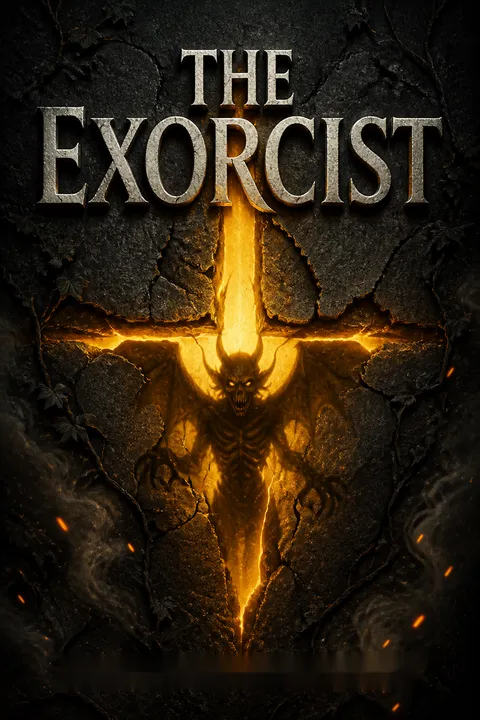

Resumen de la trama
Inquietud sobrenatural en Irak
El padre Merrin, un sacerdote de gran experiencia, dirige una excavación arqueológica en el norte de Irak, donde descubre una estatua del demonio Pazuzu. Este hallazgo lo llena de pavor, ya que parece anunciar el despertar de un mal ancestral. La atmósfera opresiva del yacimiento arqueológico persigue a Merrin, presagiando un enfrentamiento inminente con una fuerza malévola. Así se prepara el terreno para la batalla espiritual que está por librarse, mientras Merrin percibe la oscura presencia que lo aguarda.
Susurros en las sombras de Georgetown
En Georgetown, la actriz Chris MacNeil y su hija Regan viven en una casa de alquiler. Unos ruidos extraños perturban las noches, pero Chris los pasa por alto pensando que son ratas. Regan, una niña dulce y artística, empieza a mostrar comportamientos extraños, como hablar con un amigo imaginario al que llama Capitán Howdy. La casa, con sus paredes cubiertas de hiedra, parece albergar una presencia oculta, preparando el escenario para los perturbadores acontecimientos que se avecinan. Los susurros en las sombras insinúan las fuerzas malévolas que están en juego.
Comienza la perturbadora transformación de Regan
El comportamiento de Regan se vuelve cada vez más errático y violento, con ataques de ira y un lenguaje obsceno. Asegura que su cama se sacude por las noches y Chris, preocupada y desesperada, busca ayuda médica. Los médicos se muestran desconcertados y ofrecen diversos diagnósticos, pero nada explica la gravedad de los síntomas de Regan. La niña que antes estaba llena de vida se está desvaneciendo, reemplazada por algo oscuro y desconocido. Esta transformación desafía los límites de la ciencia médica y de la fe, mientras Chris se enfrenta a lo impensable.
La búsqueda desesperada de una madre
Chris consulta a numerosos médicos, pero el estado de Regan empeora. La comunidad médica no ofrece soluciones, lo que lleva a Chris a explorar opciones poco convencionales. Un psiquiatra sugiere la posibilidad de una posesión, una idea que Chris rechaza al principio. Sin embargo, a medida que el comportamiento de Regan se vuelve más siniestro, Chris se ve obligada a enfrentarse a lo impensable: su hija podría estar bajo la influencia de una fuerza malévola. Su viaje es uno de desesperación y determinación en su intento por salvar a Regan.
La batalla invisible se intensifica
El estado de Regan se deteriora aún más, con brotes violentos y sucesos sobrenaturales. Chris ya no sabe qué hacer al presenciar la transformación de su hija en algo irreconocible. La casa misma parece vibrar con una energía maligna, y Chris empieza a considerar la posibilidad de un exorcismo. La batalla por el alma de Regan se está convirtiendo en una carrera desesperada contra el tiempo, mientras las fuerzas invisibles amenazan con consumirla por completo.
La llegada de Merrin y el desafío demoníaco
El padre Merrin, un exorcista experimentado, llega a la casa de las MacNeil y percibe de inmediato la presencia malévola. Insiste en ver a Regan primero, a pesar de la sorpresa de Chris por su pronta llegada. En cuanto Merrin entra en la habitación de Regan, el demonio lo reconoce y se burla de él con una familiaridad escalofriante. La tensión en la casa se vuelve más densa, y la presencia de Merrin parece provocar aún más al demonio, preparando el terreno para la batalla espiritual que se avecina.
Comienza la batalla de la fe
Merrin y Karras inician el exorcismo invocando oraciones y ritos sagrados. El demonio responde con manifestaciones violentas, haciendo levitar la cama y lanzando insultos viles. A pesar del caos, Merrin mantiene la calma, con una fe inquebrantable. Karras, sin embargo, lucha contra la duda y el agotamiento, atormentado por los ataques psicológicos del demonio. La habitación se convierte en un campo de batalla de fe y voluntad, mientras los sacerdotes luchan por recuperar el alma de Regan.
El implacable asalto del demonio
El demonio intensifica su ataque, aprovechándose de la culpa de Karras por la muerte de su madre y de los fracasos pasados de Merrin. Cambia entre diferentes personalidades, incluida la del fallecido Burke Dennings, para sembrar la confusión y la desesperación. El estado de Regan empeora y su corazón se debilita bajo la tensión. Los sacerdotes son llevados al límite, y la salud de Merrin decae visiblemente. El objetivo del demonio es claro: quebrar sus espíritus y alzarse con la victoria.
Karras se enfrenta a sus demonios internos
A medida que el exorcismo se prolonga, Karras es atormentado por visiones de su madre y por sus propios fracasos percibidos. Las burlas del demonio calan hondo, sacudiendo su fe hasta los cimientos. Merrin, al darse cuenta de la lucha de Karras, le insta a descansar, pero el joven sacerdote está consumido por la necesidad de salvar a Regan. La batalla interna de Karras refleja la externa, mientras lidia con sus propios demonios y el peso de su pasado.
El enfrentamiento final
La salud de Merrin falla, dejando a Karras solo frente al demonio. En un momento de desesperación, Karras invita al demonio a poseerlo a él en su lugar, sacrificándose para salvar a Regan. El demonio muerde el anzuelo y Karras, en un último acto de desafío, se arroja por la ventana, poniendo fin a la posesión y a su propia vida. Su sacrificio libera a Regan, dejando la casa en un silencio sobrecogedor.
Un nuevo amanecer para Regan
Con el demonio vencido, Regan comienza a recuperarse, y sus recuerdos de la posesión quedan misericordiosamente borrados. Chris y Regan se preparan para dejar Georgetown en busca de un nuevo comienzo. El padre Dyer, amigo de Karras, reflexiona sobre los acontecimientos y la naturaleza de la fe y el sacrificio. Mientras las MacNeil se marchan, queda una sensación de esperanza y renovación, un testimonio del poder del amor y la redención.
Analysis
Explorando la fe, la duda y la redención"El exorcista" de William Peter Blatty es una profunda exploración de la batalla entre el bien y el mal, la fe y la duda. A través de la terrible experiencia de la posesión de Regan, la novela profundiza en los límites de la ciencia y el poder de la fe. Las luchas de los personajes con sus demonios internos y las fuerzas sobrenaturales en juego resaltan la complejidad de la naturaleza humana y la resiliencia del espíritu. Los temas del sacrificio y la redención se entrelazan a lo largo de la narrativa, culminando en el acto desinteresado del padre Karras para salvar a Regan. La historia desafía a los lectores a enfrentarse a sus propias creencias y a la naturaleza del mal, ofreciendo en última instancia un mensaje de esperanza y renovación.
Resumen de reseñas
El exorcista es ampliamente considerada una obra maestra del terror, elogiada por su atmósfera envolvente, la complejidad de sus personajes y su exploración de la fe. Muchos lectores la encuentran genuinamente aterradora, con sus vívidas descripciones de la posesión demoníaca y los rituales de exorcismo. La novela profundiza en el pasado y las motivaciones de los personajes mucho más que la adaptación cinematográfica, ofreciendo un examen psicológico más matizado. Aunque algunos consideran que ciertas escenas son perturbadoras u ofensivas, el impacto del libro en el género del terror es innegable, dejando una huella imborrable en los lectores décadas después de su publicación.
También leyeron

Characters
Father Merrin
El padre Merrin es un veterano de la guerra espiritual, llamado a enfrentarse al demonio que posee a Regan. Su profunda fe y su temperamento sereno son una fuente de fortaleza, pero su salud está debilitada. Las experiencias pasadas de Merrin con fuerzas demoníacas lo han preparado para esta batalla; sin embargo, el esfuerzo resulta excesivo, lo que lo lleva a su prematura muerte durante los rituales de exorcismo.
Father Karras
El padre Karras es un sacerdote jesuita y psiquiatra que lucha con su fe y con la culpa por la muerte de su madre. El exorcismo pone a prueba sus creencias y su determinación, ya que el demonio explota sus vulnerabilidades. El viaje de Karras es uno de redención, que culmina en un acto desinteresado de sacrificio para salvar a Regan, encontrando finalmente la paz en sus últimos momentos.
Regan MacNeil
Regan es una inocente niña de doce años cuya posesión por parte de un demonio se convierte en el punto central de la historia. Su transformación de una niña dulce a un instrumento del caos desafía los límites de la fe y de la ciencia. La recuperación de Regan y su regreso a la inocencia simbolizan la esperanza y el triunfo del bien sobre el mal.
Chris MacNeil
Chris es una actriz de éxito y una madre devota, arrojada a una pesadilla al presenciar la posesión de Regan. Su viaje es de desesperación y determinación, buscando cualquier medio para salvar a su hija. El amor y la resiliencia de Chris son fundamentales en la batalla contra el demonio, proporcionando el núcleo emocional de la historia.
Lieutenant Kinderman
Kinderman es un detective metódico que investiga los extraños sucesos que rodean a Regan y la muerte de Burke Dennings. Sus indagaciones lo llevan al reino de lo sobrenatural, donde la lógica y la razón se ven desafiadas por lo inexplicable. El papel de Kinderman resalta la intersección entre la fe y el escepticismo ante lo desconocido.
Burke Dennings
Burke es un director de cine que trabaja con Chris en Georgetown. Su prematura muerte en circunstancias misteriosas se suma a la creciente sensación de temor y sospecha que rodea al hogar de las MacNeil.
Sharon Spencer
Sharon es la secretaria de Chris y la tutora de Regan. Brinda apoyo y estabilidad en medio del caos, ayudando a Chris a lidiar con las dificultades del estado de Regan.
Karl Engstrom
Karl es el ama de llaves suizo de las MacNeil, cuyo comportamiento estoico oculta un pasado complejo. Su presencia en el hogar añade un elemento de intriga y sospecha.
Plot Devices
Possession and Exorcism
El recurso argumental central es la posesión de Regan por una fuerza demoníaca, lo que desafía las fronteras de la ciencia y de la fe. El concepto del exorcismo como medio para combatir este mal introduce temas como la creencia, la duda y el poder del ritual.
Psychological and Supernatural Tension
La historia entrelaza elementos psicológicos y sobrenaturales, creando una tensión que cuestiona la naturaleza de la realidad. Las luchas de los personajes con la fe y el escepticismo impulsan la narrativa mientras se enfrentan a los inexplicables sucesos que rodean a Regan.
Symbolism and Foreshadowing
La novela utiliza el simbolismo y el presagio para generar suspenso y anticipación. El descubrimiento de la estatua de Pazuzu, los ruidos extraños en la casa y el amigo imaginario de Regan insinúan las fuerzas malévolas en juego, preparando el escenario para el enfrentamiento final.
Exorcism Rituals
Los rituales de exorcismo son fundamentales para la narrativa y representan el choque entre el bien y el mal. Las oraciones y los ritos son un medio para invocar la intervención divina, poniendo a prueba la fe y la determinación de los sacerdotes. Los rituales sirven como catalizador para el desarrollo de los personajes y el desarrollo del drama.
Psychological Manipulation
Los ataques psicológicos del demonio son un recurso argumental clave, dirigido a las debilidades y temores de los sacerdotes. Al mezclar mentiras con verdades, el demonio busca socavar su fe y su voluntad. Esta manipulación añade profundidad a las luchas de los personajes y aumenta la tensión del exorcismo.
Sacrifice and Redemption
El sacrificio final de Karras es un poderoso recurso argumental que resalta los temas de la redención y el amor. Al invitar al demonio a entrar en él, Karras demuestra la fuerza de su fe y la profundidad de su compasión. Su muerte sirve como una resolución conmovedora, liberando a Regan y ofreciendo esperanza para el futuro.
Preguntas frecuentes
Synopsis & Basic Details
What is The Exorcist about?
- A Mother's Desperate Ordeal: The Exorcist follows Chris MacNeil, a famous actress, whose seemingly normal 12-year-old daughter, Regan, begins exhibiting increasingly disturbing and violent behavior that baffles medical science.
- Search for Explanation: As Regan's condition deteriorates, marked by physical changes, unnatural strength, and speaking in strange voices, Chris exhausts conventional medical options and is eventually led to consider the possibility of demonic possession.
- A Battle for a Soul: The narrative culminates in a harrowing exorcism ritual performed by two priests, the experienced Father Merrin and the doubting Father Karras, who confront a malevolent entity for control of Regan's body and soul.
Why should I read The Exorcist?
- Masterclass in Psychological and Supernatural Tension: Beyond the visceral scares, the novel delves deeply into psychological tension, exploring themes of faith, doubt, guilt, and the limits of human understanding in the face of inexplicable evil.
- Rich Character Depth: The book offers complex, flawed characters like Father Karras, whose internal struggles with faith and personal demons provide a compelling counterpoint to the external supernatural conflict, making their journeys emotionally resonant.
- Philosophical and Theological Inquiry: William Peter Blatty weaves in profound questions about the nature of good and evil, the existence of God and the devil, and the intersection of science, psychology, and spirituality, offering more than just a simple horror story.
What is the background of The Exorcist?
- Inspired by Real Events: The novel is famously inspired by a purported 1949 exorcism case involving a young boy in Maryland, which Blatty researched, blending documented accounts with fictional elements.
- Georgetown Setting Significance: The story is deeply rooted in the Georgetown area of Washington, D.C., utilizing the historical and religious atmosphere of Georgetown University and its Jesuit community to lend authenticity and thematic weight to the spiritual conflict.
- Author's Personal Context: William Peter Blatty, a Catholic with a Jesuit education, infused the narrative with his own theological questions and struggles with faith, particularly through the character of Father Karras, reflecting a personal search for meaning in a world grappling with suffering and doubt.
What are the most memorable quotes in The Exorcist?
- "What an excellent day for an exorcism.": Uttered by the demon in Regan's voice, this chilling line highlights the entity's malevolent confidence and sets a defiant tone for the impending spiritual battle.
- "The power of Christ compels you!": A classic line from the exorcism ritual, representing the direct confrontation between the priests invoking divine authority and the demon resisting expulsion.
- "I think belief in God is not a matter of reason at all; I think it finally is matter of love; of accepting the possibility that God could love us...": Father Merrin's profound reflection on faith, delivered during a moment of respite, encapsulates a central theme of the novel regarding the nature of belief and divine love.
What writing style, narrative choices, and literary techniques does William Peter Blatty use?
- Blending Clinical Detail with Gothic Horror: Blatty employs a precise, almost clinical style when describing medical examinations and psychological theories, contrasting sharply with vivid, visceral descriptions of the supernatural manifestations, creating a jarring and unsettling effect.
- Multiple Points of View: The narrative shifts perspectives, primarily focusing on Chris MacNeil's frantic search for help and Father Karras's internal conflict, but also offering glimpses through the eyes of other characters like Kinderman and Merrin, providing a multifaceted view of the unfolding horror.
- Foreshadowing and Symbolism: Subtle details, such as the prologue in Iraq with the Pazuzu amulet and Merrin's premonition, or the recurring motif of cold and foul smells, are used effectively to build dread and hint at the encroaching evil long before it is fully revealed.
Hidden Details & Subtle Connections
What are some minor details that add significant meaning?
- The Pazuzu Amulet's Purpose: Merrin's discovery in the prologue includes the detail that the Pazuzu amulet was worn as a shield, explicitly stating its function was "Evil against evil," hinting at the complex nature of combating malevolence and foreshadowing the idea of using one force against another.
- The Ragged Script Edge: Chris's observation of the torn script pages, a habit of Burke Dennings when tense, becomes a subtle, almost overlooked detail that later connects him physically to the house and potentially to the events within it, adding a layer of tragic irony to his death.
- The Moved Bureau and Missing Dress: Early instances of Regan's furniture being moved or her dress appearing in Chris's closet are initially dismissed as childish antics or housekeeping errors, but in retrospect, they serve as the very first, easily missed signs of the unnatural physical phenomena beginning in the house.
What are some subtle foreshadowing and callbacks?
- Merrin's Pre-Possession Knowledge: The prologue establishes Merrin's deep sense of foreboding and recognition of the Pazuzu demon before he is called to Georgetown, suggesting a prior history or understanding of this specific entity, which is later confirmed when the demon recognizes him.
- The M Street Steps: The steep steps beside the MacNeil house are described early on as a precipitous drop, a seemingly innocuous environmental detail that tragically becomes the site of both Burke Dennings' mysterious death and Father Karras's final, fatal leap.
- The "Captain Howdy" Name Origin: Chris's initial concern that "Captain Howdy" might be a subconscious manifestation related to Regan's absent father, Howard MacNeil, is a subtle psychological callback that the demon later twists and exploits during its psychological attacks on Chris and Karras.
What are some unexpected character connections?
- Karl Engstrom's Secret Daughter: The revelation through Kinderman's investigation that the stoic housekeeper Karl has a drug-addicted daughter, Elvira, whom he secretly supports, adds a layer of hidden personal tragedy and motivation for his silence, connecting his private pain to the periphery of the main horror.
- Merrin's Past Exorcism: The Bishop's conversation reveals that Father Merrin had previously performed a difficult exorcism in Africa years ago that "damn near killed him," establishing a history of direct confrontation with this specific type of evil and explaining his physical frailty and the demon's recognition of him.
- Kinderman's Connection to Karras's Mother: The demon's taunts to Karras about his deceased mother, including knowing her first name, are deeply personal attacks that seem to transcend simple psychological manipulation, hinting at a connection to Karras's deepest guilt and sorrow that the entity somehow possesses.
Who are the most significant supporting characters?
- Karl Engstrom: More than just a housekeeper, Karl's hidden life, stoic loyalty, and unexpected moments of tenderness towards Regan (cooling her forehead) and Karras (cleaning his sweater) make him a complex figure whose personal struggles parallel the themes of hidden pain and resilience.
- Lieutenant Kinderman: The seemingly bumbling but sharp detective provides an external, rational perspective on the increasingly irrational events, his investigation uncovering crucial details (typing analysis, Karl's alibi) that intersect with the supernatural narrative, while his philosophical musings offer moments of dark humor and thematic reflection.
- Father Dyer: Karras's friend and fellow priest, Dyer represents a more conventional, yet deeply compassionate, aspect of the clergy. His humor provides levity, but his presence also highlights the loneliness of priests and, in the epilogue, he serves as a voice reflecting on Karras's sacrifice and the enduring questions of faith and doubt.
Psychological, Emotional, & Relational Analysis
What are some unspoken motivations of the characters?
- Chris MacNeil's Guilt: While explicitly worried about Regan's health, Chris also carries unspoken guilt related to her divorce from Howard and her demanding career, which the demon mercilessly exploits, suggesting a fear that her choices contributed to Regan's vulnerability.
- Father Karras's Search for a Sign: Beneath his psychiatric skepticism and stated desire to help Regan, Karras is deeply motivated by his own crisis of faith and guilt over his mother's death, subconsciously seeking a definitive sign of the supernatural that could validate his beliefs or offer a form of redemption for his perceived failures.
- Karl Engstrom's Protective Instincts: Karl's fierce protectiveness of Willie and his daughter Elvira, revealed through Kinderman's investigation, suggests a deep-seated motivation to shield those he loves from harm and exposure, which likely influences his stoic demeanor and reluctance to fully engage with the horror in the house.
What psychological complexities do the characters exhibit?
- Karras's Doubt and Faith Struggle: Karras embodies the conflict between scientific rationalism and religious faith. His background as a psychiatrist leads him to seek psychological explanations (hysteria, cryptomnesia, psychokinesis), while his priestly vocation and personal losses push him towards the possibility of the supernatural, creating profound internal turmoil.
- Chris's Denial and Acceptance: Chris initially clings to medical explanations for Regan's symptoms, exhibiting denial in the face of the increasingly bizarre manifestations. Her journey involves a painful psychological shift from rational disbelief to a desperate, albeit reluctant, acceptance of the possibility of demonic influence.
- The Demon's Psychological Warfare: The entity possessing Regan displays sophisticated psychological manipulation, targeting the deepest fears, guilts, and insecurities of the characters (Karras's mother, Chris's guilt, Sharon's fantasies, Karl's daughter), suggesting an intelligence that understands and exploits human vulnerability.
What are the major emotional turning points?
- Chris's Realization of the Unexplained: The moment Chris witnesses Regan's bed violently shaking, despite no physical cause, marks a significant emotional turning point where her rational explanations begin to crumble, forcing her to confront the possibility that something truly unnatural is occurring.
- Karras's Encounter with the "Mother" Voice: When the demon speaks to Karras in his deceased mother's voice, mimicking her pleas and guilt-inducing words, it shatters his emotional defenses and forces him to confront his unresolved grief and guilt, becoming a pivotal moment in his personal struggle against the entity.
- Chris's Confession to Karras: Chris's tearful confession to Karras about her fear that Regan killed Burke Dennings is a major emotional release, revealing the immense burden of fear and secrecy she has been carrying and solidifying her trust in Karras as someone she can confide in.
How do relationship dynamics evolve?
- Chris and Regan's Bond Under Strain: The once close and affectionate relationship between Chris and Regan is severely tested by the possession, as Regan's violent outbursts and the demon's cruel words create fear and distance, forcing Chris to grapple with the horror of seeing her beloved daughter transformed into something monstrous.
- Karras and Merrin's Partnership: The relationship between Karras and Merrin evolves from a formal collaboration between a skeptical psychiatrist-priest and a seasoned exorcist to a bond of mutual respect and shared burden, culminating in Karras's deep admiration for Merrin's faith and sacrifice.
- Chris and Karras's Developing Trust: Chris initially seeks Karras out based on a vague sense of his humanity, but their relationship deepens through shared trauma and vulnerability. Chris's desperate need for help and Karras's compassionate, albeit initially skeptical, response forge a bond of trust that becomes crucial during the exorcism.
Interpretation & Debate
Which parts of the story remain ambiguous or open-ended?
- The Nature of the Possession: Despite the supernatural manifestations, the novel leaves room for debate about whether Regan's condition is truly demonic possession or an extreme, unexplained form of psychological illness, blending elements of both throughout the narrative.
- The Demon's True Identity and Motives: While the entity claims to be Pazuzu and later "a devil," its ultimate nature, origin, and specific motivations beyond causing despair and destruction remain somewhat ambiguous, leaving readers to ponder the source of such profound evil.
- Regan's Memory of the Events: The epilogue states Regan has no memory of the possession, leaving open the question of whether this is a natural psychological defense mechanism, a lingering effect of the trauma, or a final act of mercy related to the exorcism itself.
What are some debatable, controversial scenes or moments in The Exorcist?
- The Crucifix Scene: Regan's self-mutilation with the crucifix is one of the most shocking and controversial scenes, depicting extreme blasphemy and violence that pushes the boundaries of horror and religious transgression.
- The Demon's Obscene Language and Taunts: The demon's use of graphic obscenities and deeply personal, cruel taunts directed at the characters, particularly those exploiting their guilts and fears (Karras's mother, Chris's career/divorce), is controversial for its explicit nature and psychological brutality.
- The Ambiguity of the "Signs": The novel presents seemingly supernatural phenomena (levitation, psychokinesis, skin writing) alongside potential scientific or psychological explanations (hysteria, dermatographia, cryptomnesia), deliberately blurring the lines and inviting debate about whether these are true signs of possession or manifestations of extreme mental illness.
The Exorcist Ending Explained: How It Ends & What It Means
- Karras's Sacrifice and the Demon's Expulsion: The climax sees Father Merrin die from heart failure during the prolonged exorcism. Father Karras, in a desperate act, provokes the demon, inviting it to possess him instead of Regan. The entity transfers, and Karras, briefly possessed, throws himself out of Regan's bedroom window down the steep steps to his death on M Street.
- Regan's Recovery and Memory Loss: Following Karras's death, Regan is immediately freed from the possession, returning to her normal self, albeit physically weakened. She has no memory of the events that transpired during her illness.
- Interpretation: Sacrifice, Doubt, and Enduring Mystery: The ending is open to interpretation. Karras's leap can be seen as a selfless sacrifice, using his own body to trap and destroy the demon, or as a final act of despair and breakdown under immense psychological and spiritual pressure. The ambiguity of the signs throughout the book means the reader is left to decide if it was truly a demonic entity or an extreme, fatal psychological event. The final conversation between Dyer and Kinderman, reflecting on Karras's potential faith and the enduring mystery, reinforces the novel's central themes of doubt, belief, and the inexplicable nature of both good and evil in the world.
Descargar PDF
Descargar EPUB
.epub digital book format is ideal for reading ebooks on phones, tablets, and e-readers.








































