
Resumen de la trama
Ojos de pez y familia
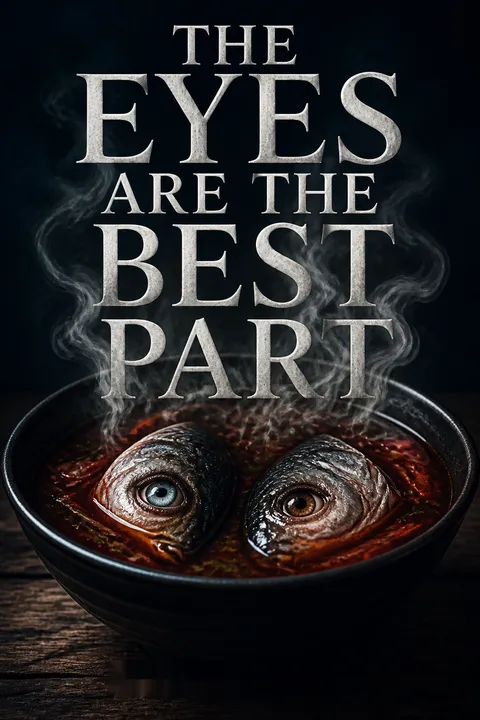
Ji-won y su hermana Ji-hyun se retuercen incómodas mientras su madre, Umma, disfruta comiendo ojos de pez, asegurando que traen buena suerte. La dinámica familiar es tensa, con la ausencia del padre y Umma intentando mantener la normalidad. Los ojos de pez se convierten en un símbolo de las luchas familiares y de las expectativas culturales que pesan sobre ellas.
La partida del padre
Ji-won recuerda la noche en que su padre se marchó, revelando que había conocido a otra persona. La familia queda sumida en el desorden, con Umma devastada y las hermanas enfrentando su nueva realidad. Ji-won lucha con la verdad y el impacto que la ausencia de su padre tiene en sus vidas.
La resiliencia de la madre
A pesar del dolor, Umma trabaja incansablemente para mantener a sus hijas. Comparte historias de sus propias dificultades en la infancia, inculcando resiliencia en Ji-won y Ji-hyun. Las hermanas aprenden a apoyarse mutuamente mientras enfrentan los retos de su familia fracturada.
La llegada de George
Umma conoce a George, un hombre encantador que pronto se convierte en una presencia constante en su hogar. Ji-won y Ji-hyun desconfían de él, percibiendo algo extraño en sus intenciones. La presencia de George trae nuevas tensiones y secretos, mientras intenta ganarse a la familia.
Lazos fraternales
Las hermanas se acercan más mientras navegan las complejidades de su situación familiar. Comparten secretos y se apoyan mutuamente, encontrando consuelo en su vínculo. Ji-won se vuelve cada vez más protectora con Ji-hyun, decidida a resguardarla del caos que las rodea.
Secretos y mentiras
Ji-won descubre verdades inquietantes sobre George y su pasado. Lucha con la realización de que él podría no ser quien dice ser. A medida que los secretos salen a la luz, Ji-won se ve obligada a enfrentar las mentiras que han tejido en sus vidas.
Enfrentando el pasado
Ji-won se adentra en el pasado de su familia, descubriendo verdades ocultas sobre la relación de sus padres y su propia identidad. Enfrenta sus temores y el impacto de la partida de su padre, encontrando fortaleza en comprender la historia familiar.
El enfrentamiento final
Las tensiones alcanzan su punto máximo cuando Ji-won enfrenta a George, decidida a proteger a su familia. El enfrentamiento revela la profundidad del engaño de George y la fuerza que Ji-won ha ganado. Tras ello, la familia comienza a sanar y reconstruirse.
Personajes
Ji-won
Ji-won es la protagonista, navegando las complejidades de su familia fracturada. Protege ferozmente a su hermana Ji-hyun y está determinada a descubrir la verdad sobre George. Su viaje es uno de autodescubrimiento y resiliencia.
Ji-hyun
Ji-hyun es la hermana menor de Ji-won, atrapada en el tumulto familiar. Depende de Ji-won para apoyo y guía, encarnando la inocencia y vulnerabilidad. Su relación con Ji-won es central en la historia.
Umma
Umma es la madre de las hermanas, que trabaja sin descanso para mantenerlas tras la partida del padre. Es un símbolo de fortaleza y sacrificio, enfrentando su propio dolor mientras intenta mantener la estabilidad familiar.
George
George entra en la vida familiar como la nueva pareja de Umma. Es encantador, pero oculta secretos que amenazan la estabilidad del hogar. Su presencia genera tensión y conflicto, conduciendo finalmente a un enfrentamiento decisivo.
Appa
Appa es el padre de Ji-won y Ji-hyun, cuya partida pone en marcha la historia. Su ausencia pesa sobre la familia, y sus secretos se revelan poco a poco, afectando la comprensión que Ji-won tiene de su familia y de sí misma.
Recursos narrativos
Simbolismo de los ojos de pez
Los ojos de pez simbolizan las expectativas culturales impuestas a la familia y las dificultades que enfrentan. Representan la tensión entre tradición y modernidad, así como la resiliencia familiar ante la adversidad.
Narrador poco fiable
La historia se cuenta desde el punto de vista de Ji-won, destacando sus prejuicios y comprensión limitada de los hechos. Este recurso genera tensión y suspense, pues los lectores deben reconstruir la verdad junto a ella.
Flashbacks
Los flashbacks se utilizan para mostrar el pasado familiar y los eventos que conducen al presente. Aportan contexto a las acciones y motivaciones de los personajes, profundizando la comprensión del relato.
Análisis
"Los ojos son la mejor parte" se adentra en las complejidades de las relaciones familiares y la búsqueda de identidad. A través del viaje de Ji-won, la historia explora temas como la resiliencia, las expectativas culturales y el impacto de los secretos y mentiras. La novela subraya la importancia de comprender el pasado para enfrentar el presente y construir un futuro más sólido. Invita a los lectores a reflexionar sobre cómo la familia y la cultura moldean nuestra identidad y hasta dónde estamos dispuestos a llegar para proteger a quienes amamos.
También leyeron










Preguntas frecuentes
Synopsis & Basic Details
What is The Eyes Are the Best Part about?
- Family struggles after abandonment: The story centers on Ji-won and her sister Ji-hyun as they navigate life after their father leaves, focusing on their complex relationship with their mother and the unsettling arrival of a new man in their lives.
- Cultural and emotional exploration: It delves into themes of family, identity, and cultural expectations within a Korean-American context, exploring the emotional impact of abandonment and the search for belonging.
- Unreliable narration and suspense: Told from Ji-won's perspective, the narrative uses subtle foreshadowing and psychological tension to create a sense of unease and mystery, keeping the reader questioning the true nature of events.
Why should I read The Eyes Are the Best Part?
- Unique cultural perspective: The novel offers a rare glimpse into the experiences of a second-generation Korean-American family, exploring the tensions between tradition and modernity with nuance and depth.
- Psychological thriller elements: The story masterfully blends family drama with elements of a psychological thriller, creating a suspenseful and unsettling atmosphere that keeps readers engaged and guessing.
- Complex character development: The characters are richly developed, with their own flaws and motivations, making them feel real and relatable, even as they make questionable choices.
What is the background of The Eyes Are the Best Part?
- Korean-American immigrant experience: The story is set within the context of a Korean-American family in Los Angeles, exploring the cultural and generational differences that shape their lives and relationships.
- Post-immigration challenges: The novel touches on the economic and social challenges faced by immigrant families, including the struggle to maintain cultural identity while adapting to a new environment.
- Personal and cultural trauma: The narrative hints at the historical trauma of the Korean War and its impact on the older generation, as well as the personal trauma of abandonment and betrayal.
What are the most memorable quotes in The Eyes Are the Best Part?
- "Umma tells me that the eyes are the best part.": This opening line establishes the central motif of the story, hinting at the unsettling themes of obsession and cultural practices that will unfold.
- "You can cheat destiny once, maybe twice if you're lucky. But as Koreans, we understand that the course of our lives is invariably determined by our palja.": This quote highlights the theme of fate versus free will, reflecting the characters' struggles against predetermined paths.
- "I knew he was imagining a way to escape his small, inconsequential life. Our small, inconsequential life.": This reveals Ji-won's understanding of her father's motivations and her own feelings of being trapped, adding depth to their complex relationship.
What writing style, narrative choices, and literary techniques does Monika Kim use?
- First-person unreliable narration: The story is told from Ji-won's perspective, which is limited and biased, creating suspense and forcing the reader to question the truth of events.
- Foreshadowing and symbolism: Kim uses subtle foreshadowing and recurring symbols, such as fish eyes and the color blue, to hint at future events and deepen the thematic resonance of the story.
- Psychological realism: The novel delves into the characters' inner thoughts and emotions, creating a sense of psychological realism and exploring the complexities of their motivations and relationships.
Hidden Details & Subtle Connections
What are some minor details that add significant meaning?
- The cracked vase: The cracked vase on the side table, a gift from Umma's mother, symbolizes the fragility of family relationships and the lingering presence of the past.
- The peppermint candies: Appa's red-and-white peppermint candies, which he used after quitting smoking, become a trigger for Ji-won, reminding her of his absence and the pain of his departure.
- The bobbleheads: Ji-hyun's collection of solar-powered bobbleheads, which move even in the dark, symbolize her anxiety and the constant, unsettling presence of stress in their lives.
What are some subtle foreshadowing and callbacks?
- Umma's dream of fire: Umma's dream of their store and house burning down foreshadows the family's financial ruin and the loss of their stability, hinting at the destructive nature of their palja.
- The "wrong door" neighbor: The neighbor who repeatedly tries to open their door foreshadows Appa's departure and Umma's constant waiting for his return, highlighting her denial and the family's fractured state.
- The blue eyes: The recurring mention of blue eyes, particularly George's, foreshadows the danger and obsession that will consume Ji-won, connecting to her growing unease and the unsettling nature of her desires.
What are some unexpected character connections?
- Geoffrey and Appa's shared desire for control: Geoffrey's possessiveness and need to control Ji-won mirror Appa's controlling nature, highlighting a pattern of toxic masculinity that transcends cultural boundaries.
- Alexis and Ji-won's shared vulnerability: Despite their different backgrounds, Alexis and Ji-won connect through their shared experiences of loneliness and vulnerability, creating a bond that contrasts with Ji-won's relationship with Geoffrey.
- George and Min-ho's shared betrayal: Both George and Min-ho, Appa's friend, betray the family's trust, highlighting a pattern of deception and exploitation that underscores the family's vulnerability.
Who are the most significant supporting characters?
- Alexis: As Ji-won's friend, Alexis provides a contrasting perspective and a sense of normalcy, highlighting the protagonist's isolation and the complexities of her relationships.
- Geoffrey: Geoffrey's character serves as a foil to Ji-won, revealing her own biases and the dangers of unchecked obsession, while also highlighting the insidious nature of toxic masculinity.
- The unnamed waitress: The waitress at the Chinese restaurant, who is the object of George's gaze, serves as a reminder of the objectification and fetishization of Asian women, a theme that runs throughout the novel.
Psychological, Emotional, & Relational Analysis
What are some unspoken motivations of the characters?
- Umma's need for validation: Umma's eagerness to marry George stems from a deep-seated need for validation and security after years of feeling unloved and abandoned, highlighting her vulnerability and desperation.
- Ji-hyun's desire for stability: Ji-hyun's anxiety and her constant scratching at her ankle reveal her deep-seated need for stability and her fear of further disruption to their family.
- Ji-won's struggle for control: Ji-won's obsession with George's eyes and her violent fantasies stem from a desire for control in a life where she feels powerless, highlighting her internal conflict and growing instability.
What psychological complexities do the characters exhibit?
- Ji-won's unreliable perception: Ji-won's unreliable narration and her increasingly violent fantasies reveal her psychological instability and her struggle to cope with trauma and loss.
- Umma's denial and vulnerability: Umma's denial of her husband's departure and her eagerness to embrace George highlight her vulnerability and her desperate need for love and security.
- Geoffrey's possessiveness and manipulation: Geoffrey's possessiveness and manipulative behavior reveal his own insecurities and his need to control Ji-won, highlighting the dangers of toxic masculinity.
What are the major emotional turning points?
- The discovery of the divorce papers: The discovery of the divorce papers solidifies the finality of Appa's departure, shattering the sisters' hope for reconciliation and forcing them to confront their new reality.
- The first fish eye: Ji-won's decision to eat a fish eye marks a turning point in her character development, symbolizing her growing obsession and her willingness to embrace the unsettling aspects of her family's culture.
- The confrontation with George: Ji-won's confrontation with George, where she finally expresses her anger and disgust, marks a shift in her agency and her willingness to challenge the power dynamics in her life.
How do relationship dynamics evolve?
- Ji-won and Ji-hyun's growing closeness: The sisters' relationship evolves from a typical sibling dynamic to a deep bond of mutual support and understanding, as they navigate the challenges of their fractured family.
- Umma and George's power imbalance: The relationship between Umma and George reveals a power imbalance, with George exploiting Umma's vulnerability and Umma desperately seeking his approval.
- Ji-won and Geoffrey's toxic dynamic: The relationship between Ji-won and Geoffrey evolves from a seemingly supportive friendship to a toxic dynamic characterized by possessiveness, manipulation, and ultimately, violence.
Interpretation & Debate
Which parts of the story remain ambiguous or open-ended?
- The nature of Ji-won's visions: The nature of Ji-won's visions and her increasing obsession with eyes remain ambiguous, leaving the reader to question whether they are a result of her trauma, a psychological condition, or something more supernatural.
- The true extent of George's deception: The full extent of George's deception and his motivations remain unclear, leaving the reader to speculate about his true nature and the reasons behind his actions.
- The possibility of healing: The ending leaves the possibility of healing and reconciliation open-ended, with the family's future uncertain and the characters' emotional journeys still ongoing.
What are some debatable, controversial scenes or moments in The Eyes Are the Best Part?
- Ji-won's violent fantasies: Ji-won's violent fantasies and her increasing obsession with eyes are disturbing and controversial, raising questions about her mental state and the nature of her actions.
- The portrayal of cultural practices: The novel's portrayal of certain cultural practices, such as eating fish eyes, may be seen as controversial, raising questions about cultural appropriation and the representation of Korean traditions.
- The ending's ambiguity: The ending, which leaves the characters' fates uncertain, may be seen as controversial, with some readers desiring a more definitive resolution.
The Eyes Are the Best Part Ending Explained: How It Ends & What It Means
- Ji-won's descent into violence: The ending reveals Ji-won's descent into violence, as she kills both Geoffrey and George, highlighting the destructive nature of her obsession and her inability to cope with trauma.
- The cycle of violence: The ending suggests a cycle of violence, with Ji-won perpetuating the same patterns of abuse and control that she has experienced, leaving the reader to question whether she can ever truly break free.
- The ambiguity of hope: The ending offers a glimmer of hope, with Ji-won's surgery and her potential for healing, but it also leaves the reader with a sense of unease, questioning whether she can ever truly escape her past and her inner demons.
Descargar PDF
Descargar EPUB
.epub digital book format is ideal for reading ebooks on phones, tablets, and e-readers.








































