
Resumen de la trama
Despertar en un mundo de ceniza
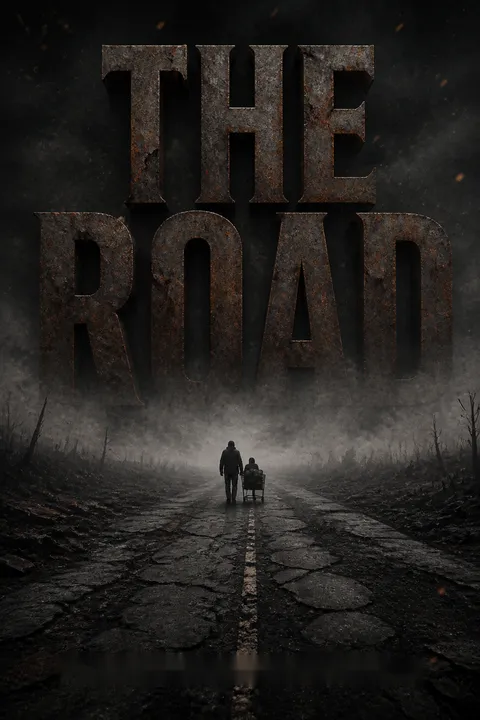
En un mundo postapocalíptico, un padre y su joven hijo despiertan en un paisaje cubierto de ceniza y desprovisto de vida. El padre, atormentado por los sueños de un mundo que ya no existe, se mueve por un único propósito: proteger a su hijo. Emprenden un viaje hacia el sur, buscando calidez y supervivencia en un mundo donde el sol está oculto por un cielo gris perpetuo. El padre es el mundo entero para el niño, y el niño es la razón de vivir del padre. Juntos recorren el desolado terreno, buscando comida y evitando los restos de una humanidad que ha caído en el salvajismo.
Comienza el viaje hacia el sur
El padre y el hijo empujan un carrito de la compra lleno de sus pocas pertenencias a lo largo de una carretera que se extiende infinitamente a través de un paisaje estéril. Se topan con los restos de la civilización: pueblos abandonados, coches calcinados y los restos óseos de aquellos que no sobrevivieron. El padre se mantiene vigilante, siempre atento al peligro, mientras el niño se aferra a él, confiando en la capacidad de su padre para mantenerlos a salvo. Se dirigen hacia el sur con la esperanza de encontrar un lugar donde sobrevivir al invierno que se avecina.
Encuentros con la desolación
A lo largo de su viaje, el padre y el hijo se enfrentan a numerosas amenazas, incluidos saqueadores y caníbales. Encuentran refugio temporal en una casa abastecida con conservas, un raro momento de respiro en su peligroso camino. El padre le enseña al niño la importancia de «llevar el fuego», una metáfora para mantener su humanidad en un mundo que ha perdido el rumbo moral. A pesar de la desolación, la inocencia y la compasión del niño brillan con luz propia, ofreciendo un destello de esperanza en su oscuro mundo.
Las crudas realidades de la carretera
El padre y el hijo se encuentran con un ladrón que les roba el carrito, lo que obliga al padre a tomar una decisión difícil. Recupera sus pertenencias pero deja al ladrón desnudo y expuesto a la intemperie, una elección que pesa enormemente tanto sobre él como sobre el niño. El padre lucha con las implicaciones morales de sus actos, mientras que la compasión del niño por el ladrón pone de manifiesto la tensión entre la supervivencia y la humanidad. Su viaje es una batalla constante entre mantener la integridad moral y las duras realidades de su mundo.
Un destello de esperanza
El padre y el hijo llegan a la costa, solo para encontrarla tan desolada como la tierra que han cruzado. Sin embargo, descubren un barco naufragado que contiene provisiones, lo que les proporciona un alivio temporal en su lucha. El padre, debilitado por la enfermedad, está decidido a asegurar la supervivencia de su hijo. Pasan unos días en la playa, reuniendo fuerzas y recursos antes de continuar su viaje. La curiosidad y la resiliencia del niño ofrecen un breve respiro de la desesperación que los rodea.
La enfermedad del niño
El niño enferma y el padre se consume por el miedo y la desesperación. Atiende al niño con los limitados recursos que tienen, negándose a apartarse de su lado. La enfermedad del niño marca un punto de inflexión que obliga al padre a enfrentarse a la realidad de su situación y a la posibilidad de perder a su hijo. A pesar de su propia salud deteriorada, el padre se mantiene firme en su determinación de proteger al niño, encarnando el amor desinteresado que define su relación.
Despedida final y nuevos comienzos
La salud del padre empeora y comprende que no puede continuar. Le transmite sus últimas palabras de sabiduría al niño, instándole a llevar el fuego y a buscar a los buenos. Tras la muerte del padre, el niño es descubierto por una familia que lo acoge, ofreciéndole un nuevo comienzo. El viaje del niño con su padre le ha inculcado los valores de la compasión y la esperanza, asegurando que el fuego de la humanidad siga ardiendo en un mundo que ha perdido el rumbo.
Analysis
Exploración de la humanidad y la supervivencia«La carretera» es una profunda exploración de la condición humana que examina hasta dónde son capaces de llegar las personas para sobrevivir en un mundo despojado de moralidad y esperanza. A través de la relación entre el padre y el hijo, la historia profundiza en temas como el amor, el sacrificio y el poder duradero de la esperanza. La determinación del padre por proteger a su hijo e inculcarle los valores de la compasión y la humanidad sirve de testimonio de la resiliencia del espíritu humano. En un mundo donde la línea entre la supervivencia y el salvajismo se ha desdibujado, la historia desafía al lector a reflexionar sobre lo que significa ser humano y la importancia de mantener vivo el fuego de la esperanza y la moralidad, incluso en los momentos más oscuros.
Resumen de reseñas
La carretera es una novela postapocalíptica que conmueve profundamente a los lectores con su atmósfera desoladora y sombría, y su prosa escueta. La historia sigue a un padre y a su hijo mientras atraviesan un paisaje desértico, enfrentándose a dilemas morales y a la lucha por la supervivencia. Muchos elogian el estilo minimalista y el lenguaje poético de McCarthy, mientras que algunos lo consideran pretencioso. La exploración que hace el libro del amor, la esperanza y la humanidad frente a una desesperación abrumadora resuena con fuerza en la mayoría de los lectores, aunque algunos lo encuentran excesivamente deprimente. En general, se considera una obra literaria poderosa y que invita a la reflexión.
También leyeron





Characters
El Padre
El padre es un hombre impulsado por el único propósito de asegurar la supervivencia de su hijo en un mundo despojado de humanidad. Atormentado por los recuerdos del pasado, es ingenioso y ferozmente protector, dispuesto a hacer lo que sea necesario para mantener a su hijo a salvo. El amor por el niño es lo único que lo sostiene, y lucha con los compromisos morales que debe asumir para sobrevivir. A medida que su salud empeora, se ve obligado a enfrentarse a su propia mortalidad y al legado que dejará a su hijo.
El Hijo
El niño es un símbolo de inocencia y la encarnación de la esperanza en un mundo que ha perdido ambas cosas. A pesar de los horrores que presencia, conserva el sentido de la compasión y la moralidad, cuestionando a menudo las acciones de su padre e instándolo a ayudar a los demás. La relación del niño con su padre es de profunda confianza y amor, y él es la razón de vivir de su padre. A medida que avanza la historia, la resiliencia y la fuerza interior del niño se hacen cada vez más evidentes, ofreciendo un destello de esperanza para el futuro.
El Ladrón
El ladrón es un personaje secundario que representa la desesperación y la decadencia moral que impregnan el mundo. Cuando roba el carrito del padre y del hijo, obliga al padre a enfrentarse a las duras realidades de la supervivencia y a los compromisos morales que esta conlleva. Las acciones del ladrón ponen de relieve la delgada línea que separa la supervivencia de la humanidad, y su encuentro con el padre y el hijo sirve de catalizador para que el niño comprenda mejor el mundo.
La Madre
La madre, aunque ausente de la narrativa, desempeña un papel fundamental en la configuración de la visión del mundo del padre. Su decisión de acabar con su vida antes de enfrentarse a los horrores de su mundo atormenta al padre, influyendo en su determinación de proteger a su hijo a toda costa. Su ausencia es un recordatorio constante de la fragilidad de la esperanza y de la carga de la supervivencia, lo que subraya la lucha del padre por mantener su humanidad en un mundo que ha perdido el rumbo moral.
La Familia
La familia que descubre al niño tras la muerte de su padre representa un nuevo comienzo y la posibilidad de esperanza en un mundo que parece carecer de ella. Le ofrecen al niño la oportunidad de continuar su viaje con los valores que su padre le inculcó, asegurando que el fuego de la humanidad siga ardiendo. Su presencia al final de la historia sugiere que aún queda gente buena en el mundo, ofreciendo un destello de esperanza para el futuro.
Plot Devices
La Carretera
La carretera es un elemento central de la trama que representa el viaje que emprenden el padre y el hijo en busca de seguridad y supervivencia. Es un camino tanto literal como metafórico que simboliza los desafíos a los que se enfrentan y las decisiones que deben tomar. La carretera es una presencia constante que da forma a sus experiencias y sirve de telón de fondo para sus luchas y triunfos.
El Fuego
El concepto de «llevar el fuego» es un motivo recurrente a lo largo de la historia que simboliza la esperanza del padre en el futuro y su determinación de mantener su humanidad en un mundo que ha perdido el rumbo moral. Representa los valores de compasión, amor y esperanza que el padre busca inculcar en su hijo, asegurando que el niño lleve adelante estos ideales incluso después de la muerte de su padre.
El Carrito
El carrito es una representación tangible de la lucha del padre y del hijo por sobrevivir; contiene sus escasas pertenencias y les sirve de salvavidas en su viaje. Simboliza la carga de la supervivencia y la necesidad constante de buscar recursos en un mundo que ofrece muy poco. La presencia del carrito subraya la precariedad de su existencia y los retos a los que se enfrentan en su búsqueda de seguridad.
Preguntas frecuentes
Synopsis & Basic Details
What is The Road about?
- Post-apocalyptic survival journey: The Road follows a father and son as they travel through a devastated, ashen landscape, struggling to survive and reach the coast.
- Focus on human connection: The core of the story is the intense bond between the father and son, their love and commitment to each other in the face of extreme adversity.
- Exploration of morality: The novel examines the characters' moral choices and the challenges of maintaining humanity in a world where civilization has collapsed.
Why should I read The Road?
- Powerful emotional impact: The Road is a deeply moving story that explores themes of love, loss, and the will to survive, leaving a lasting emotional impression.
- Unique post-apocalyptic vision: Cormac McCarthy's stark and brutal depiction of a world after an unnamed cataclysm is both haunting and thought-provoking.
- Philosophical depth: The novel raises profound questions about the nature of good and evil, the meaning of life, and the importance of human connection in the face of despair.
What is the background of The Road?
- Unspecified cataclysmic event: The novel does not explicitly state the cause of the apocalypse, leaving the reader to imagine the nature of the disaster.
- Environmental devastation: The world is depicted as a barren wasteland, with ash-filled skies, dead trees, and a lack of resources, reflecting a profound ecological collapse.
- Social breakdown: The collapse of society has led to widespread violence, cannibalism, and the loss of moral order, highlighting the fragility of civilization.
What are the most memorable quotes in The Road?
- "We're carrying the fire.": This recurring phrase encapsulates the theme of preserving humanity and hope in a desolate world, representing the father and son's inner light.
- "If he is not the word of God God never spoke.": This quote reveals the father's profound belief in his son's significance, viewing him as a divine warrant and the reason for his own survival.
- "You have to carry the fire.": This line, spoken by the father to the son, emphasizes the passing of responsibility and the continuation of hope and goodness in the face of despair.
What writing style, narrative choices, and literary techniques does Cormac McCarthy use?
- Sparse and minimalist prose: McCarthy's writing is characterized by its lack of punctuation, simple sentence structures, and avoidance of flowery language, creating a stark and direct tone.
- Focus on sensory details: The narrative emphasizes the characters' physical experiences, using vivid descriptions of the desolate landscape and the harsh conditions they endure.
- Limited omniscient point of view: The story is told from the father's perspective, but with occasional glimpses into the boy's thoughts and feelings, creating a sense of intimacy and emotional depth.
Hidden Details & Subtle Connections
What are some minor details that add significant meaning?
- The Coca-Cola can: The discovery of a single can of Coca-Cola becomes a symbol of a lost world and a rare moment of shared joy and nostalgia between the father and son.
- The morels: The finding of morel mushrooms represents a small victory and a reminder of the natural world's resilience, offering a brief respite from their constant struggle.
- The boy's book: The boy's book, though rarely read, symbolizes the importance of stories and the preservation of culture and knowledge in a world that has lost its past.
What are some subtle foreshadowing and callbacks?
- The father's dreams: The father's recurring dreams of a creature with "eyes dead white and sightless as the eggs of spiders" foreshadow the dangers and inhumanity they will encounter on their journey.
- The mention of the bloodcults: The reference to "bloodcults" consuming one another foreshadows the cannibalistic groups they will later encounter, highlighting the depths of human depravity.
- The mother's obsidian: The mention of the mother's obsidian foreshadows her suicide and the father's knowledge of how to use it, highlighting the theme of self-destruction.
What are some unexpected character connections?
- The old man, Ely: The encounter with the old man, Ely, reveals a shared understanding of the bleakness of their world and the futility of hope, creating a brief but profound connection.
- The thief: The encounter with the thief, though violent, highlights the shared desperation and moral compromises that define the characters' existence, creating a dark mirror of their own struggles.
- The family at the end: The family that takes in the boy at the end represents a continuation of the "fire" and a connection to a future that the father could not reach, offering a sense of hope and continuity.
Who are the most significant supporting characters?
- The old man, Ely: Ely serves as a philosophical foil to the father, embodying a nihilistic view of the world and challenging the father's belief in the importance of carrying the fire.
- The thief: The thief represents the moral decay and desperation that pervades the post-apocalyptic world, forcing the father to confront the harsh realities of survival.
- The family at the end: The family represents the possibility of hope and the continuation of humanity, offering a sense of closure and a new beginning for the boy.
Psychological, Emotional, & Relational Analysis
What are some unspoken motivations of the characters?
- The father's fear of losing his son: The father's actions are driven by an overwhelming fear of losing his son, which motivates his constant vigilance and his willingness to make difficult moral choices.
- The boy's desire for connection: The boy's compassion and empathy stem from a deep desire for human connection and a longing for a world where kindness and goodness still exist.
- The father's guilt over the mother's death: The father's actions are also influenced by his guilt over the mother's suicide, which fuels his determination to protect his son and ensure his survival.
What psychological complexities do the characters exhibit?
- The father's internal conflict: The father struggles with the moral compromises he must make to survive, torn between his desire to protect his son and his own sense of right and wrong.
- The boy's emotional resilience: Despite the horrors he witnesses, the boy maintains a sense of innocence and compassion, demonstrating a remarkable capacity for emotional resilience.
- The father's detachment: The father's emotional detachment is a coping mechanism to deal with the trauma and loss he has experienced, but it also creates a distance between him and the world.
What are the major emotional turning points?
- The discovery of the bunker: The discovery of the bunker filled with supplies offers a brief moment of hope and relief, but also highlights the fragility of their existence and the constant threat of loss.
- The boy's illness: The boy's illness forces the father to confront his own mortality and the possibility of losing his son, leading to a profound sense of fear and desperation.
- The father's death: The father's death marks the end of their shared journey and the beginning of the boy's new life, highlighting the themes of loss, grief, and the continuation of hope.
How do relationship dynamics evolve?
- The father's increasing vulnerability: As the father's health deteriorates, he becomes more vulnerable and dependent on the boy, highlighting the shifting power dynamics in their relationship.
- The boy's growing independence: The boy's increasing understanding of the world and his own moral compass leads to a growing sense of independence, preparing him for life without his father.
- The deepening bond: Despite the challenges they face, the bond between the father and son deepens, becoming a source of strength and resilience in their desolate world.
Interpretation & Debate
Which parts of the story remain ambiguous or open-ended?
- The cause of the apocalypse: The novel never explicitly states the cause of the cataclysm, leaving the reader to speculate about the nature of the disaster and its implications.
- The nature of the "good guys": The identity and motivations of the "good guys" are left ambiguous, raising questions about the possibility of redemption and the nature of hope in a post-apocalyptic world.
- The boy's future: The boy's future with the new family is left open-ended, leaving the reader to imagine the challenges and possibilities that lie ahead for him.
What are some debatable, controversial scenes or moments in The Road?
- The father's decision to leave the thief naked: The father's decision to leave the thief naked and exposed to the elements raises questions about the limits of compassion and the moral compromises necessary for survival.
- The father's willingness to kill: The father's willingness to kill to protect his son raises questions about the nature of violence and the justification of extreme measures in a desperate situation.
- The ending: The ending, with the boy finding a new family, is open to interpretation, with some readers finding it hopeful and others finding it too simplistic or sentimental.
The Road Ending Explained: How It Ends & What It Means
- The father's death: The father's death is a culmination of his failing health and the harsh conditions of their journey, marking the end of his role as the boy's protector.
- The boy's new beginning: The boy's discovery by a new family represents a continuation of the "fire" and the possibility of hope in a world that has lost its way, suggesting that humanity can endure even in the face of devastation.
- The legacy of love and compassion: The ending emphasizes the enduring power of love and compassion, highlighting the importance of carrying these values forward even in the darkest of times, as the boy carries the fire.
Sobre el autor
Otros libros de Cormac McCarthy

Descargar PDF
Descargar EPUB
.epub digital book format is ideal for reading ebooks on phones, tablets, and e-readers.








































